
After waiting years, the time is finally here for another launch of NASA’s Space Launch System with Artemis 2. This time the stakes are much higher as a crew of four will be riding on top and will circle the Moon, a first since Apollo 17 back in 1972.
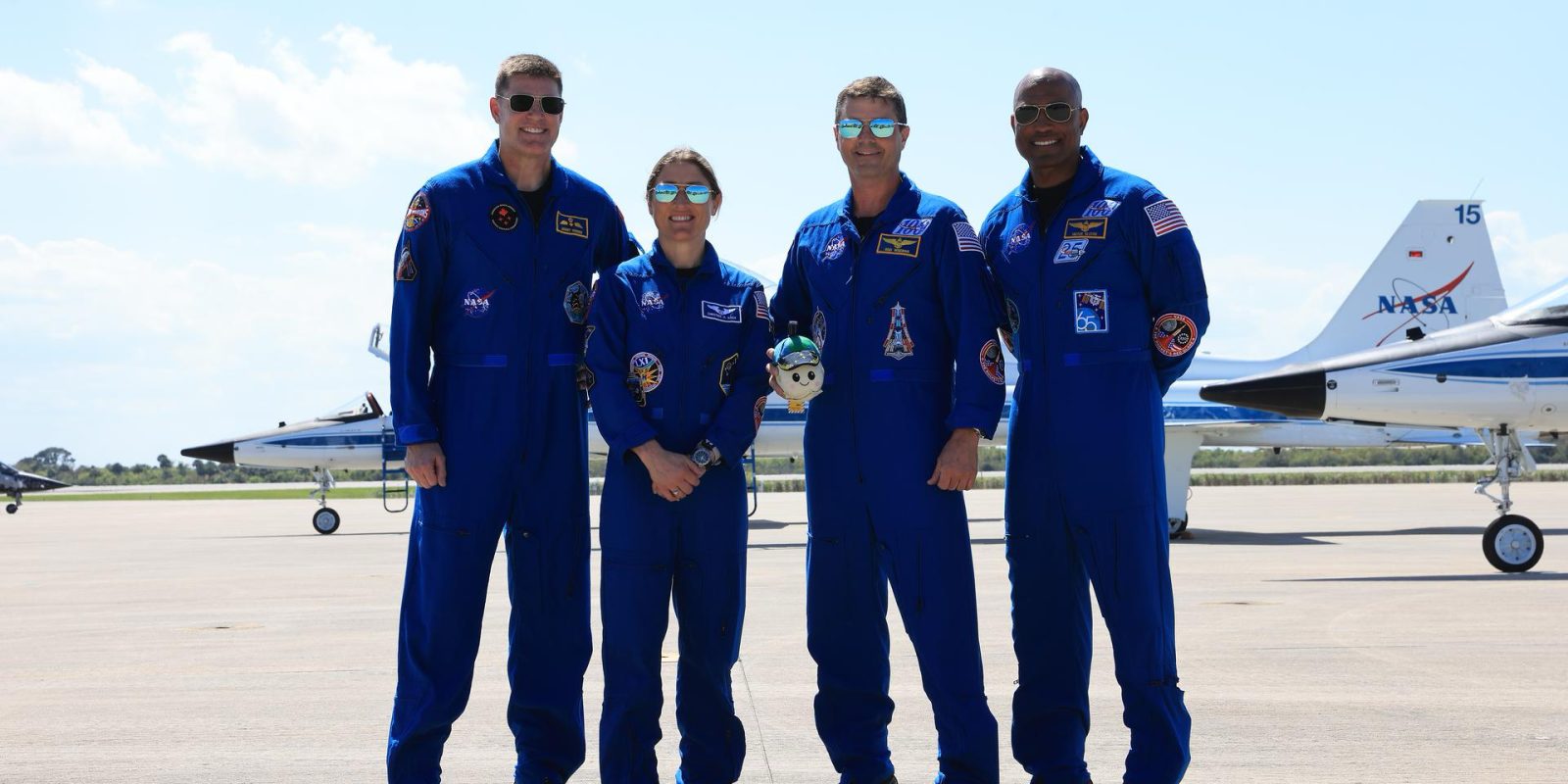
NASA astronauts Reid Wiseman (commander), Victor Glover (pilot), Christina Koch, and Canadian astronaut Jeremy Hansen arrived at Kennedy Space Center to continue their quarantine on March 27. They will soon embark on a 10-day mission around the Moon inside NASA’s Orion spacecraft as part of the Artemis 2 mission.
This will be SLS‘s first crewed mission and the first crewed mission to the Moon since NASA’s Apollo missions ended in the early 1970s. A historic moment indeed, the mission will see Koch become the first woman to fly to the Moon and Hansen the first Canadian and non-American to fly to the Moon.
While Artemis 2 will not land on the surface of the Moon, it will play a big role in ensuring Orion and SLS are capable of supporting crew operations out at the Moon for extended periods.
Artemis 2 is currently set to launch no earlier than 6:24 PM ET on Wednesday, April 1.
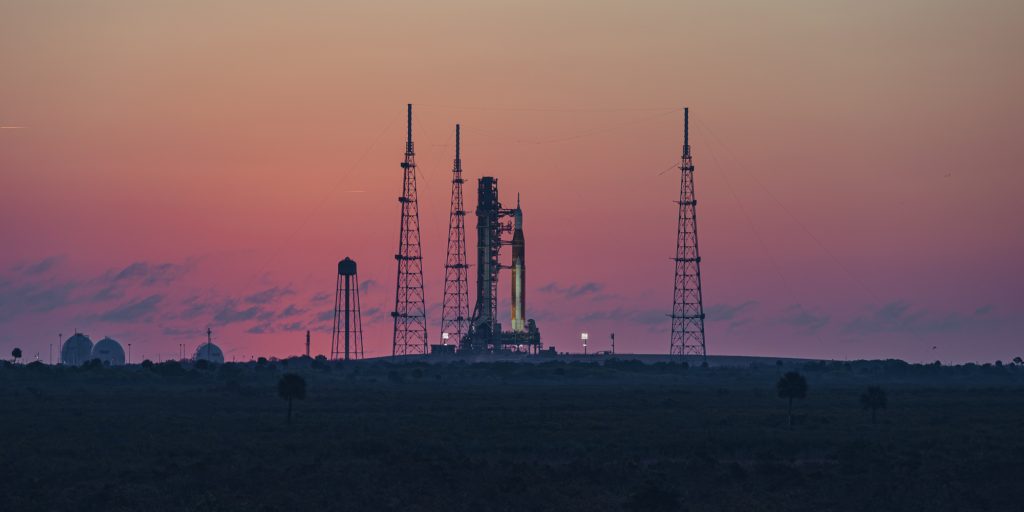
The SLS rocket in question has been sitting at Launch Complex 39B, an old Space Shuttle and Saturn V launch site, since March 20. NASA has been tight-lipped on updates surrounding this vehicle’s status other than teams continue to prepare it for flight, and nothing yet has shown up that will potentially delay an April Fool’s Day launch.
Space Launch Delta 45, the Space Force unit tasked with managing the Eastern Range, shares an 80% chance of good weather for a Wednesday launch. Weather continues to be good on later backup dates in case of a delay.
NASA couldn’t have picked a better time of year to fly, as calmer spring weather will be easier to work with than Artemis 1’s hurricane season it launched in.
What is still likely the biggest source of any launch delays is the rocket. This will only be the second time NASA has launched the SLS rocket, and the last flight was over three years ago. Pairing this with the rocket’s propellant, hydrogen, being an extremely troublesome fuel to work with means launch delays both Saturday night and later into the launch window are plausible.
NASA and the Artemis 2 crew are prepared for early delays to show up at any moment.
Artemis 1 was delayed for well over a month during its launch campaign. Its biggest issues were hydrogen leaks between the rocket and propellant lines. Will Artemis 2 be a similar story? We’ll find out later this week.


FTC: We use income earning auto affiliate links. More.


Comments