NASA is reportedly moving to simplify Axiom Space’s lunar spacesuit as the agency works toward returning astronauts to the surface of the Moon in 2028.
Expand Expanding CloseNASA and Axiom working on simplified suit for Artemis

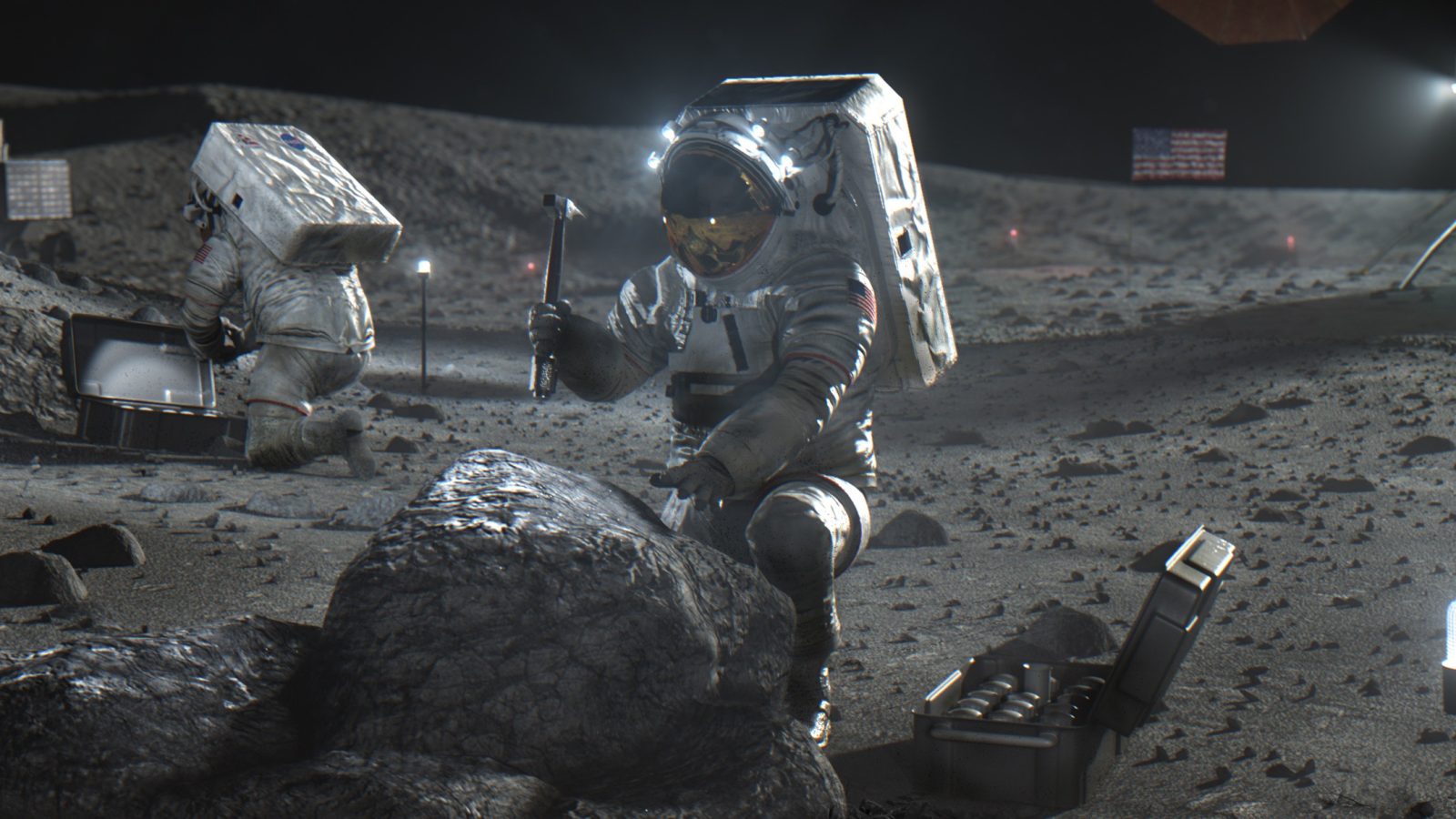
NASA is reportedly moving to simplify Axiom Space’s lunar spacesuit as the agency works toward returning astronauts to the surface of the Moon in 2028.
Expand Expanding Close
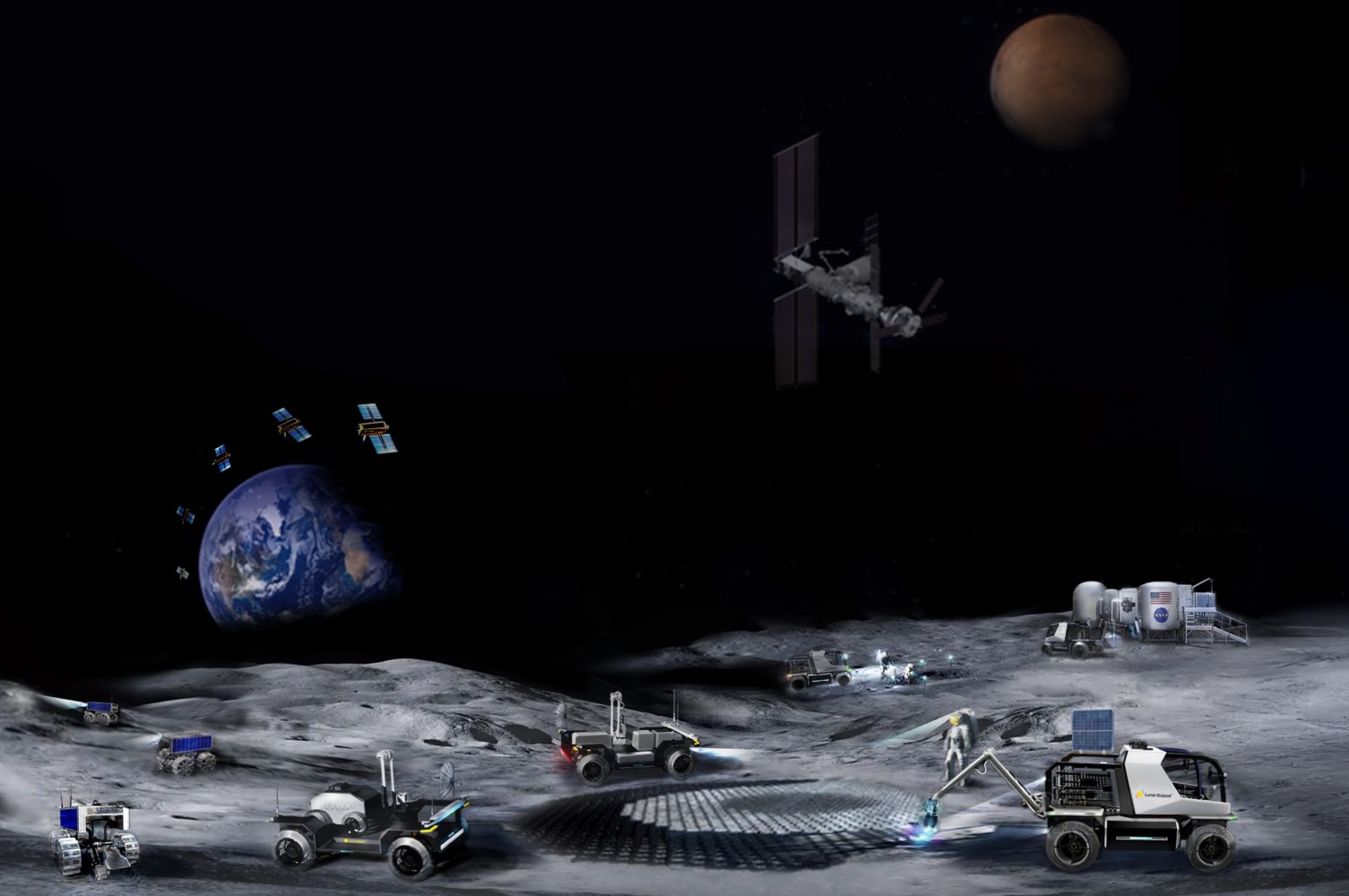
Lunar Outpost has appointed a high-ranking former U.S. military space official to help guide its expanding lunar mobility infrastructure projects.
Expand Expanding Close
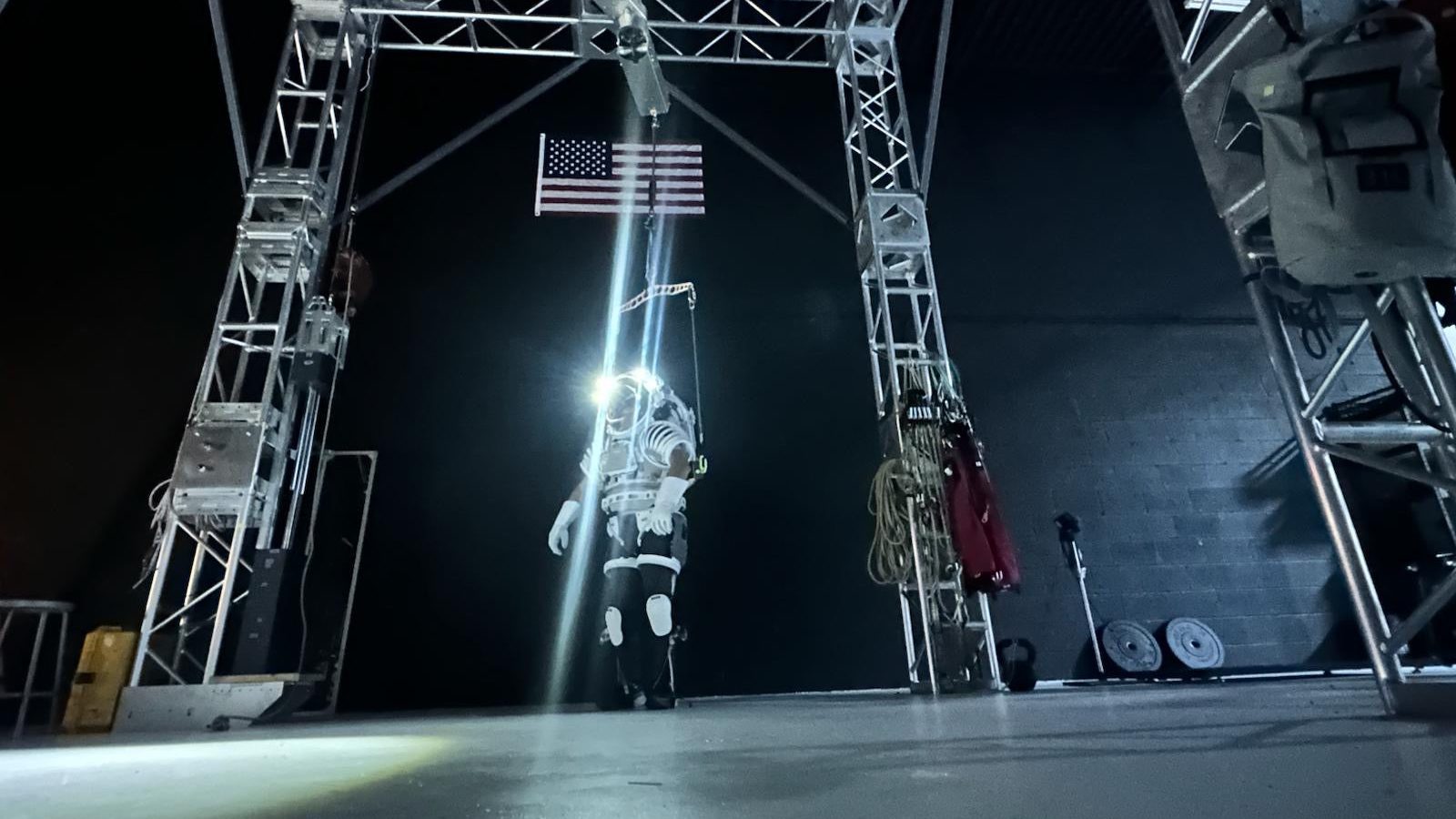
Before astronauts step onto the lunar surface, a Massachusetts engineering firm is using a gravity-defying simulator to ensure they can actually do their jobs once they arrive. By mimicking the Moon’s one-sixth gravity on Earth, Atlas Devices is helping engineers solve the ergonomic challenges that will ultimately dictate the success of crewed lunar exploration.
Expand Expanding Close
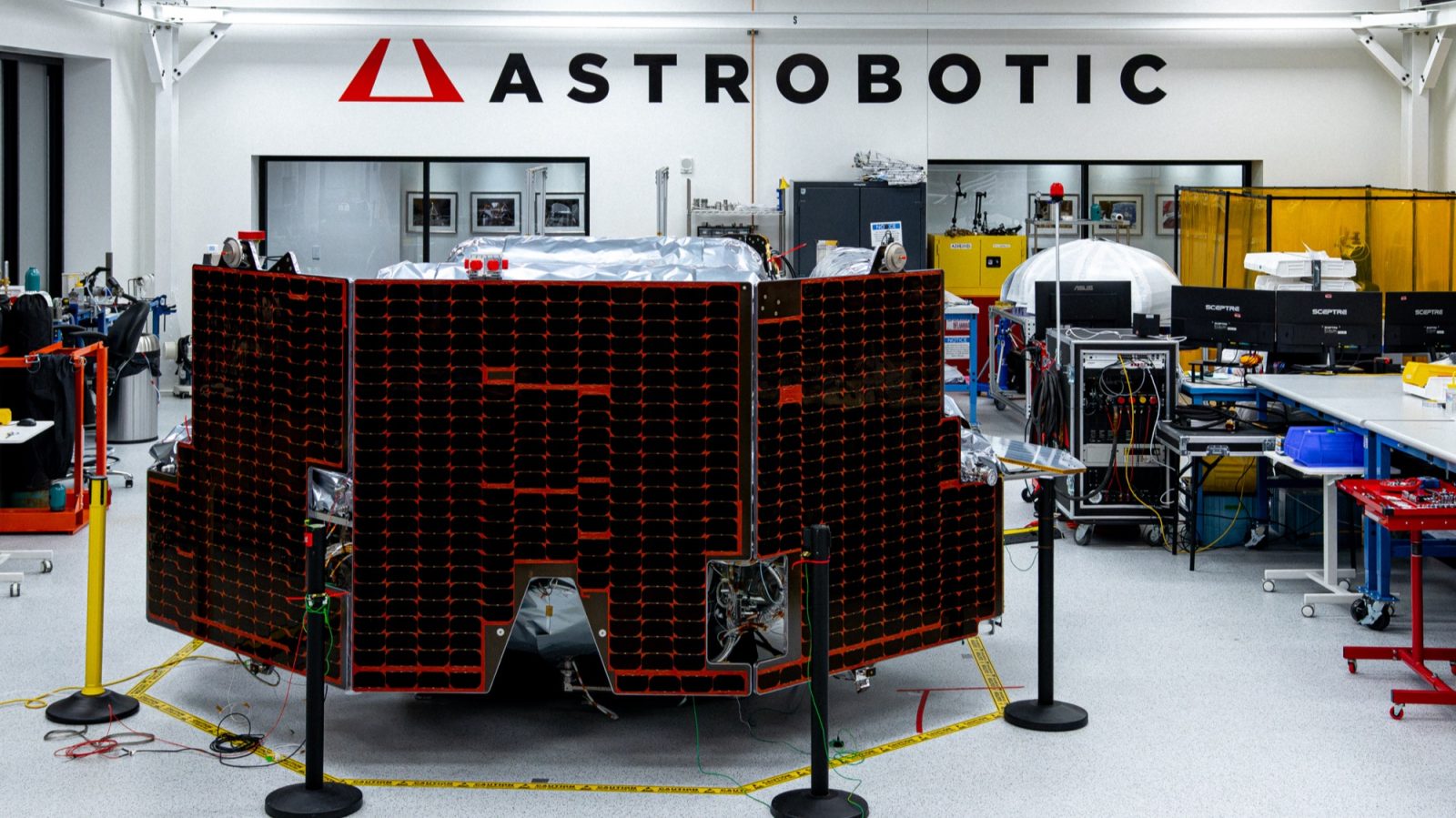
When people think about NASA’s Artemis program, they usually picture astronauts exploring the lunar surface. But before astronauts can live and work on the Moon for weeks at a time, someone has to deliver the equipment they’ll need. Astrobotic’s Griffin lunar lander is designed to do exactly that.
Expand Expanding Close
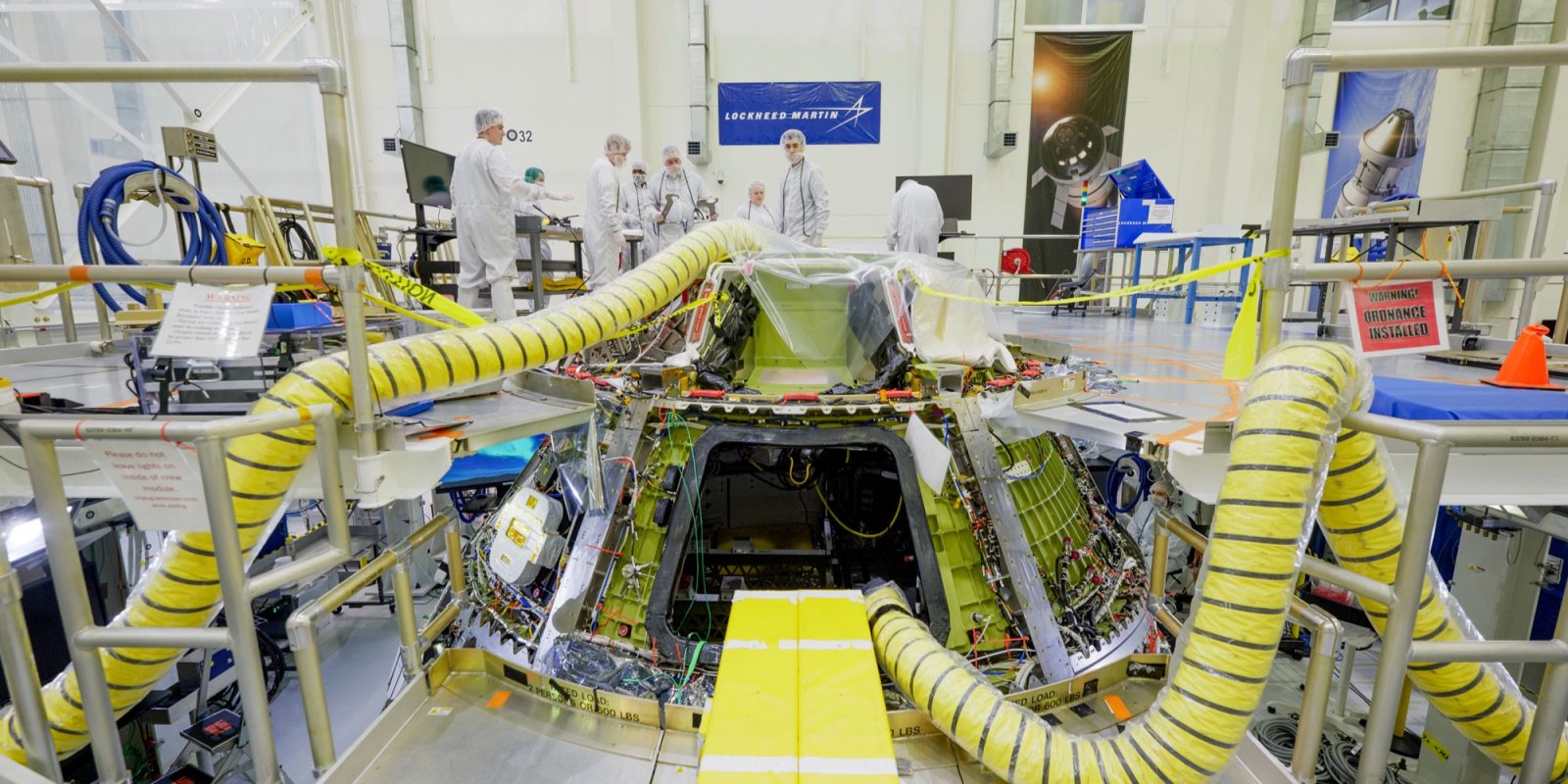
NASA has spent decades accomplishing what many thought was impossible: landing astronauts on the Moon, exploring the outer planets, and building some of the most advanced spacecraft. But today, one of the agency’s biggest challenges isn’t technology – it’s maintaining the workforce behind it.
Expand Expanding Close
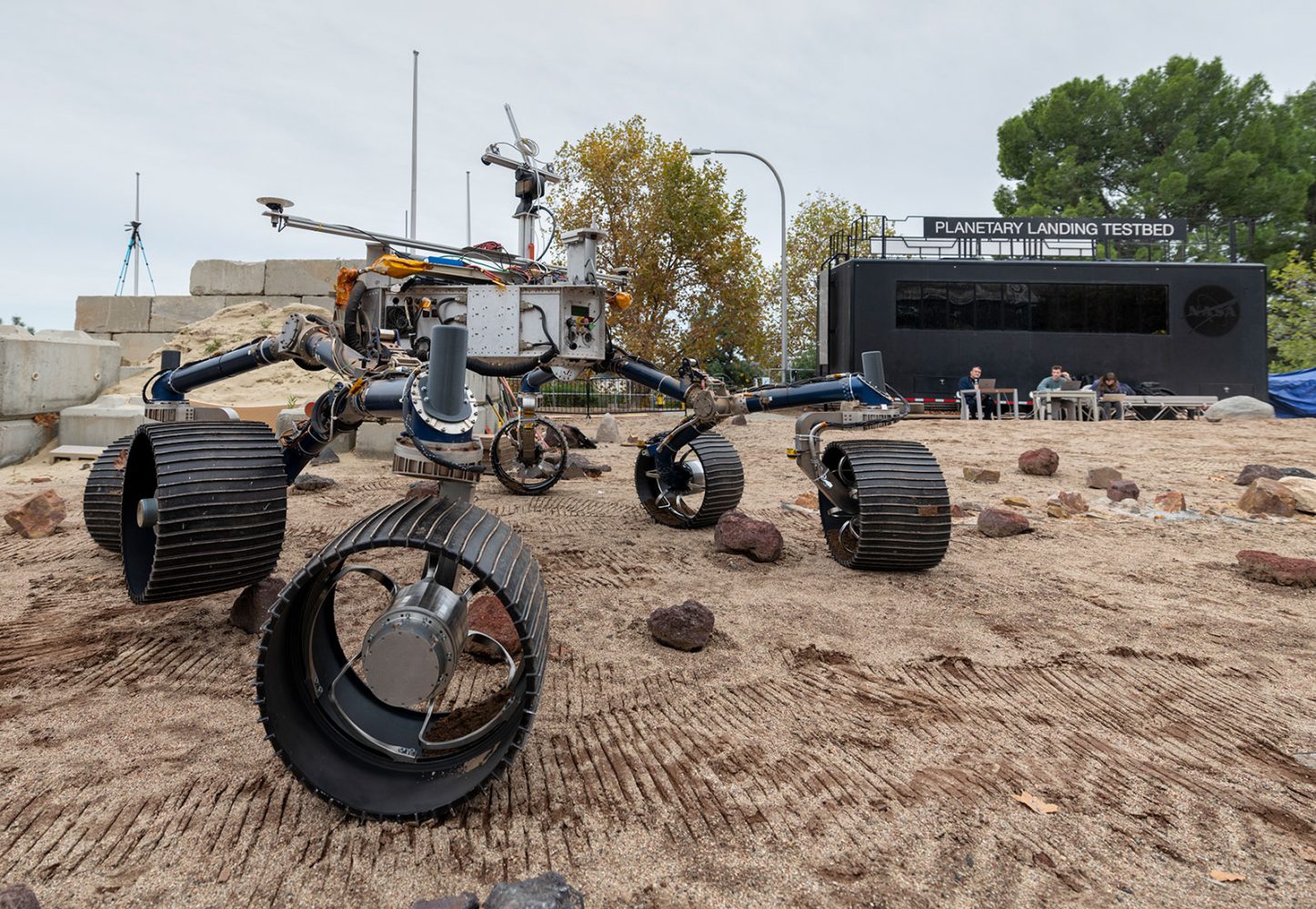
NASA has a new idea for a lunar rover, but the vehicle itself is already familiar. During a June 30 Moon Base update, the agency unveiled PROMISE – the Polar Rover for Observation, Mapping, and In-Situ Exploration. The proposed rover mission began life as an Earth-based engineering testbed at NASA’s Jet Propulsion Laboratory in Southern California, and is being studied to see if it can be modified to survive on the Moon.
Expand Expanding Close
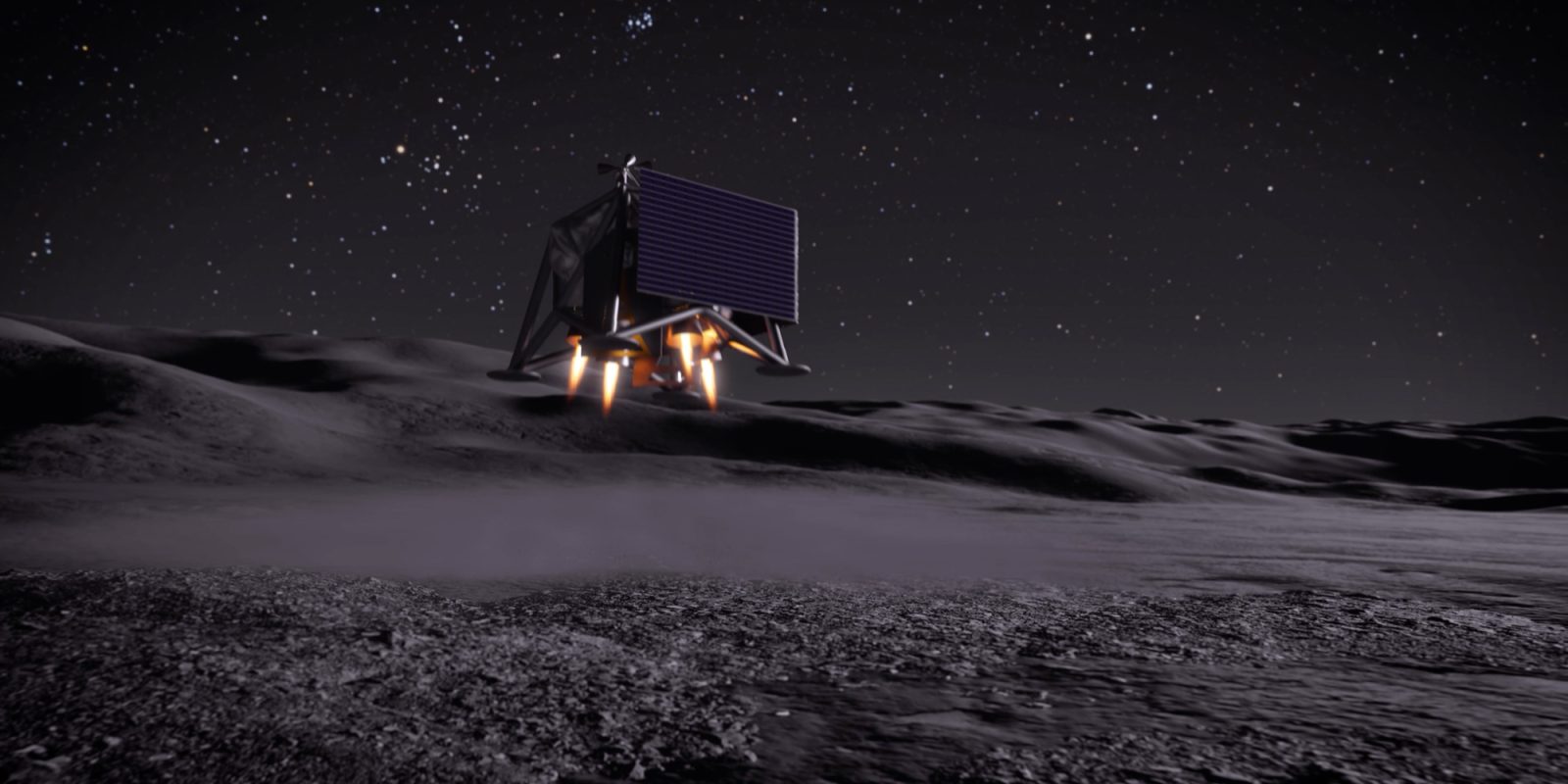
For decades, lunar exploration was defined by astronauts, rovers, and orbiters. But as NASA pushes deeper into the Artemis era, a new class of robotic explorer is quietly emerging, one that could significantly change how humanity navigates the Moon: small autonomous hopping drones.
Expand Expanding Close
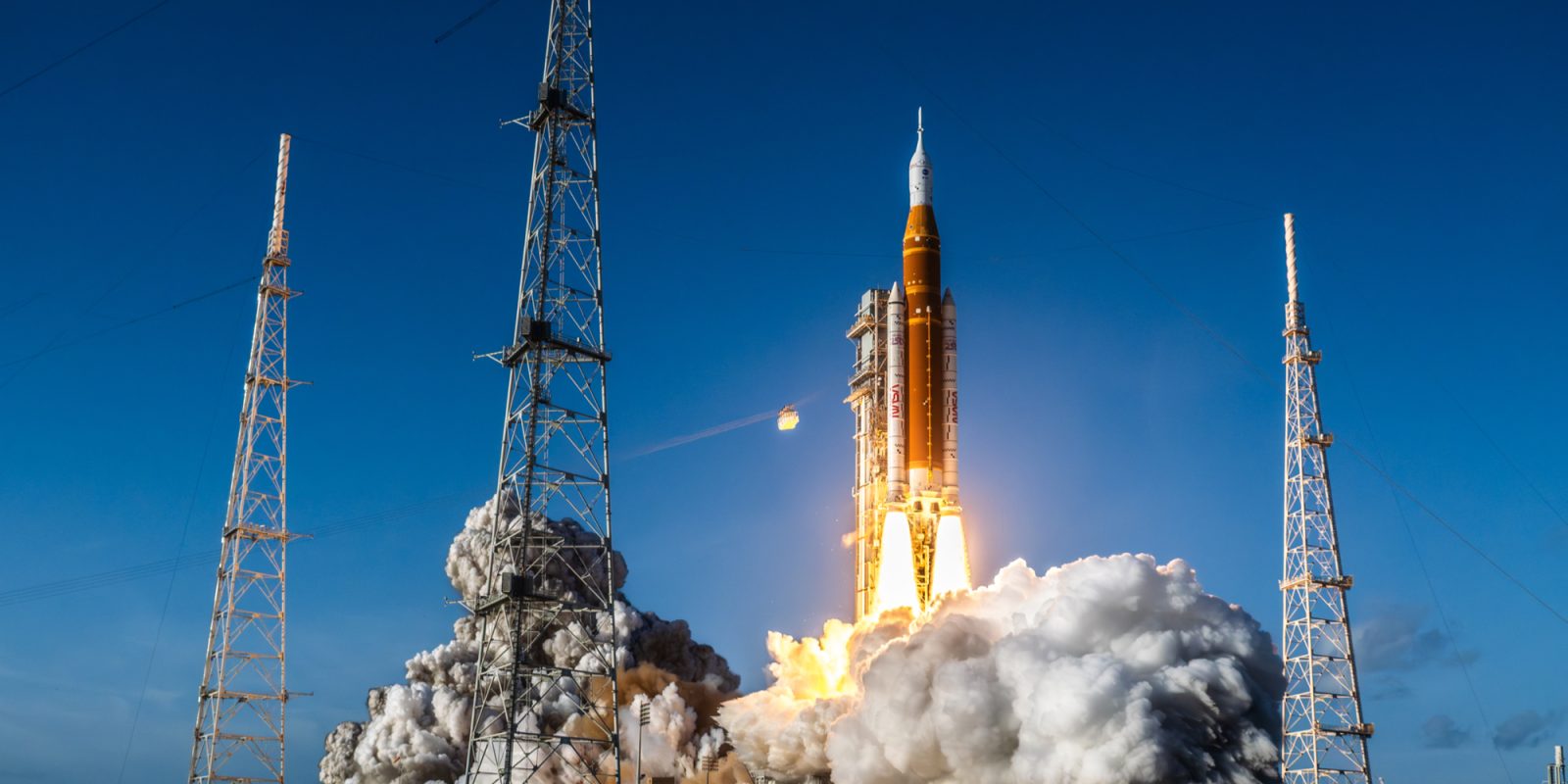
On April 1, 2026, NASA launched its biggest mission in recent years. With that, photos of the Artemis 2 mission have taken the internet by storm as the general public have found interest in the historic mission. Our team of photographers, along with other media outlets, were able to place photos closer to view the launch closer than any human can witness the launch, here are our favorites.
Expand Expanding Close
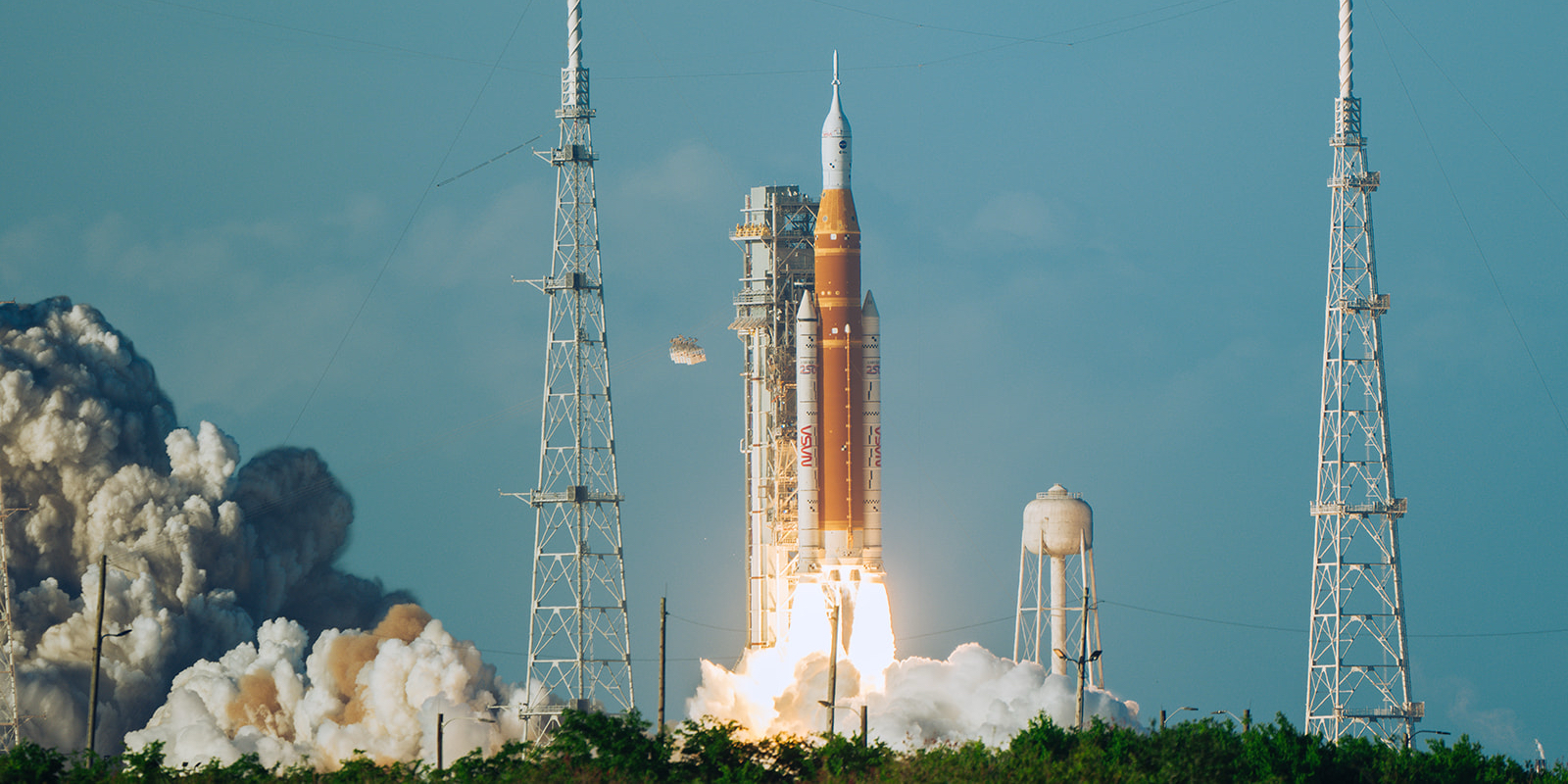
At 6:32 PM ET Wednesday afternoon, NASA launched its Artemis 2 mission from Kennedy Space Center. This mission is the first crewed mission of the Artemis Program, an initiative to return humans to the surface of the Moon.
Expand Expanding Close
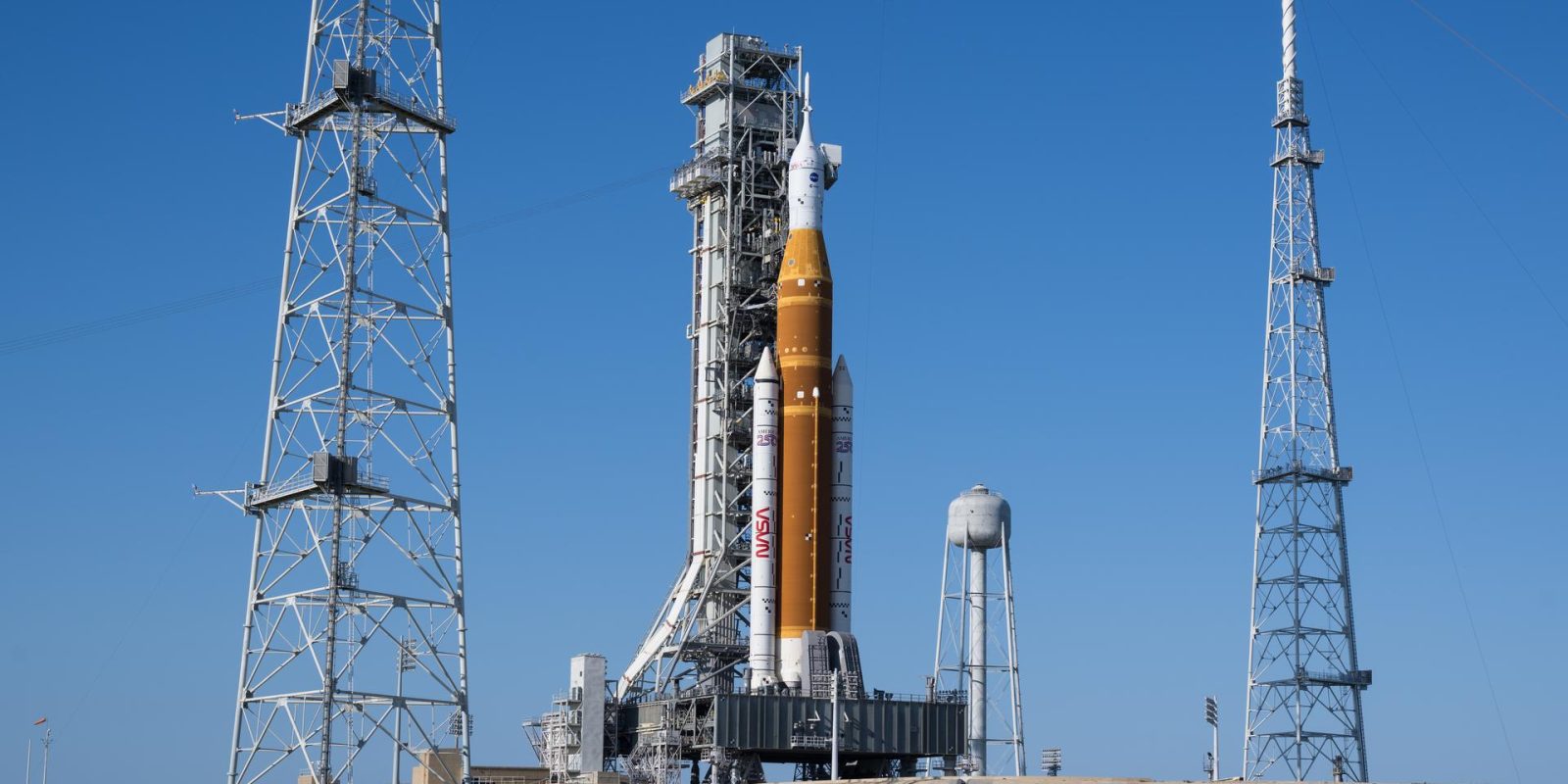
Later today, NASA is set to launch its Artemis 2 mission around the Moon. This is the first crewed mission to the Moon since Apollo 17 in 1972. The launch will be live streamed from various sources, including official and unofficial streams. Here’s your guide for how to find all of today’s and future coverage.
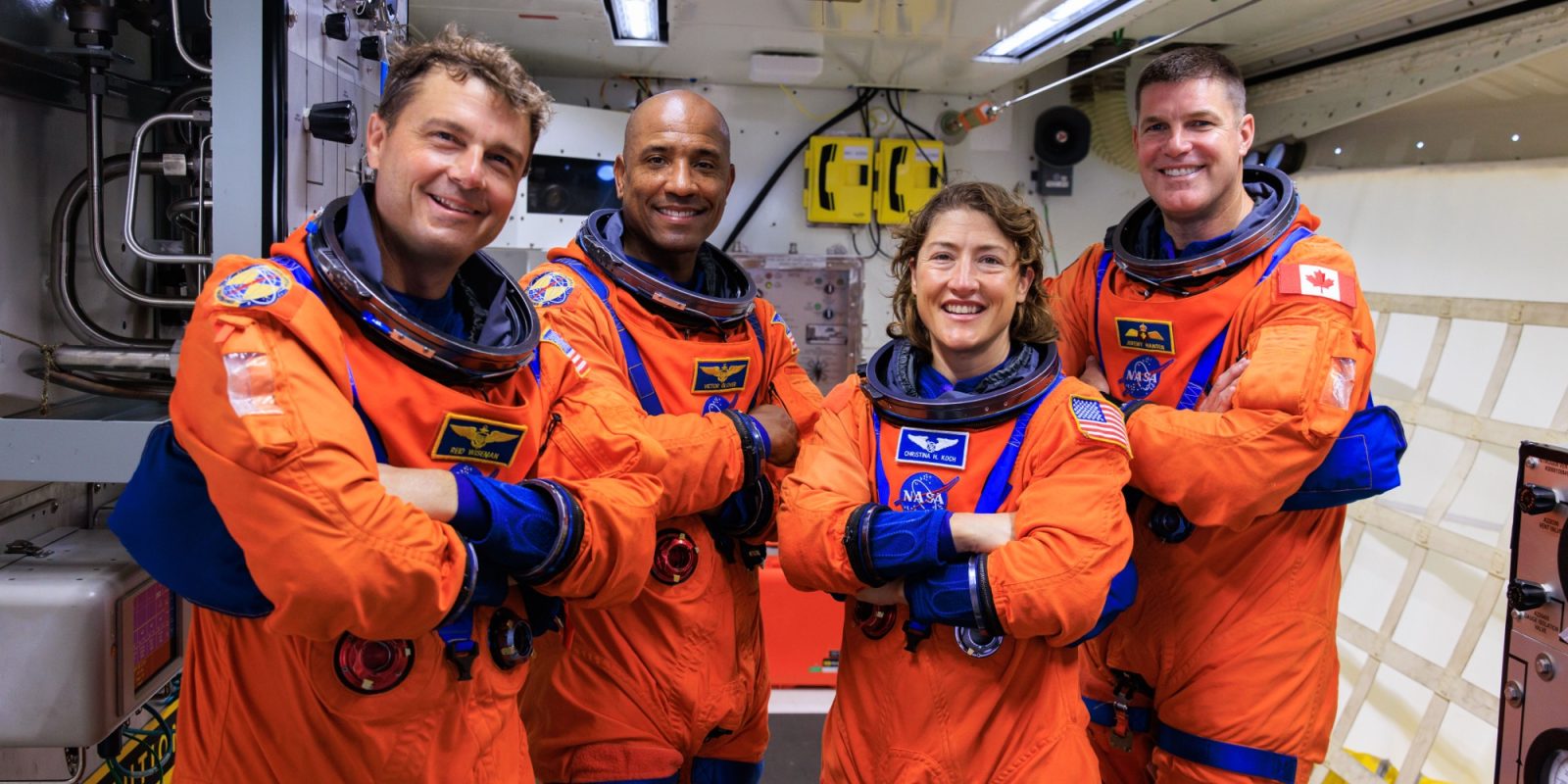
NASA’s Artemis 2 mission to the Moon is set to launch as soon as later tonight, and it will be the most influential mission to space in recent history. But why? This will not be our first time going to the Moon, and they aren’t even landing. So why is Artemis 2 so important?
Expand Expanding Close
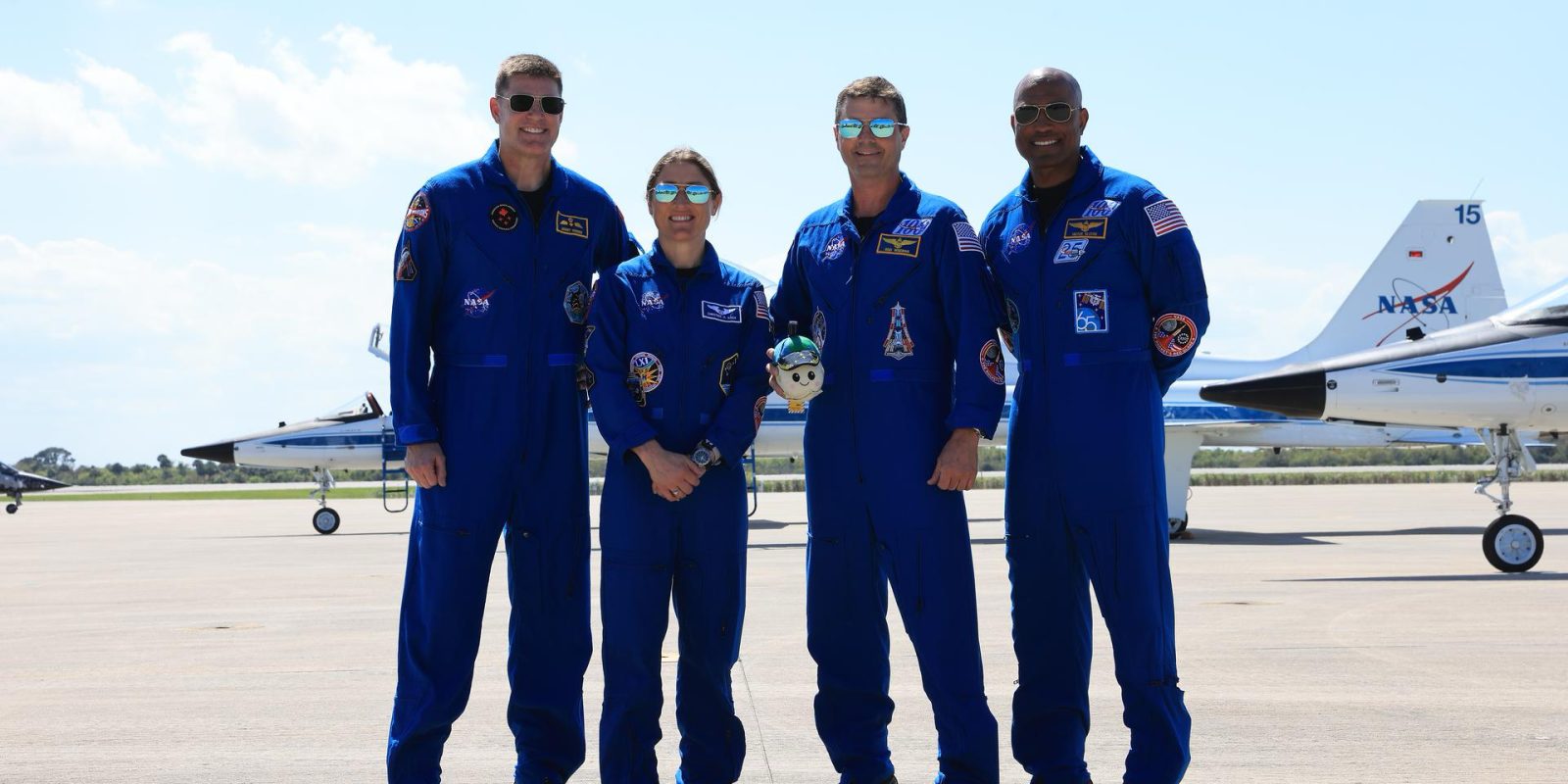
After waiting years, the time is finally here for another launch of NASA’s Space Launch System with Artemis 2. This time the stakes are much higher as a crew of four will be riding on top and will circle the Moon, a first since Apollo 17 back in 1972.
Expand Expanding Close
As NASA’s Artemis program moves from planning into early missions, public attention tends to focus on the spacecraft carrying astronauts back to the Moon. Heavy-lift rockets, crew capsules, and lunar landers dominate the conversation around humanity’s return to deep space. Yet beneath those visible systems, another layer of the space economy is beginning to take shape.
Expand Expanding Close
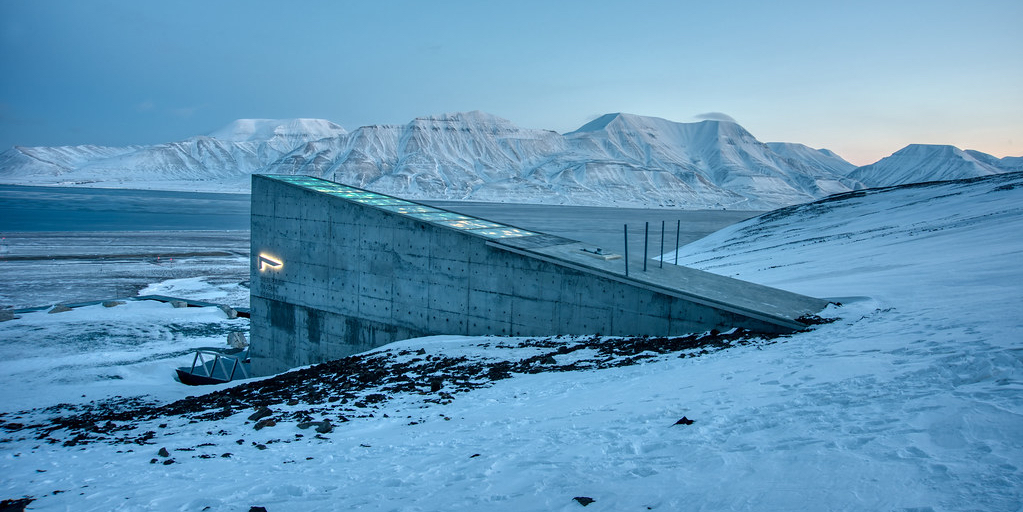
At the edge of the Arctic, buried deep inside a frozen mountain on the Norwegian archipelago of Svalbard, lies one of humanity’s quietest insurance policies. The Svalbard Global Seed Vault stores more than a million seed samples from around the world to form a living archive designed to protect the genetic diversity of Earth’s crops in the event of disaster.
Expand Expanding Close
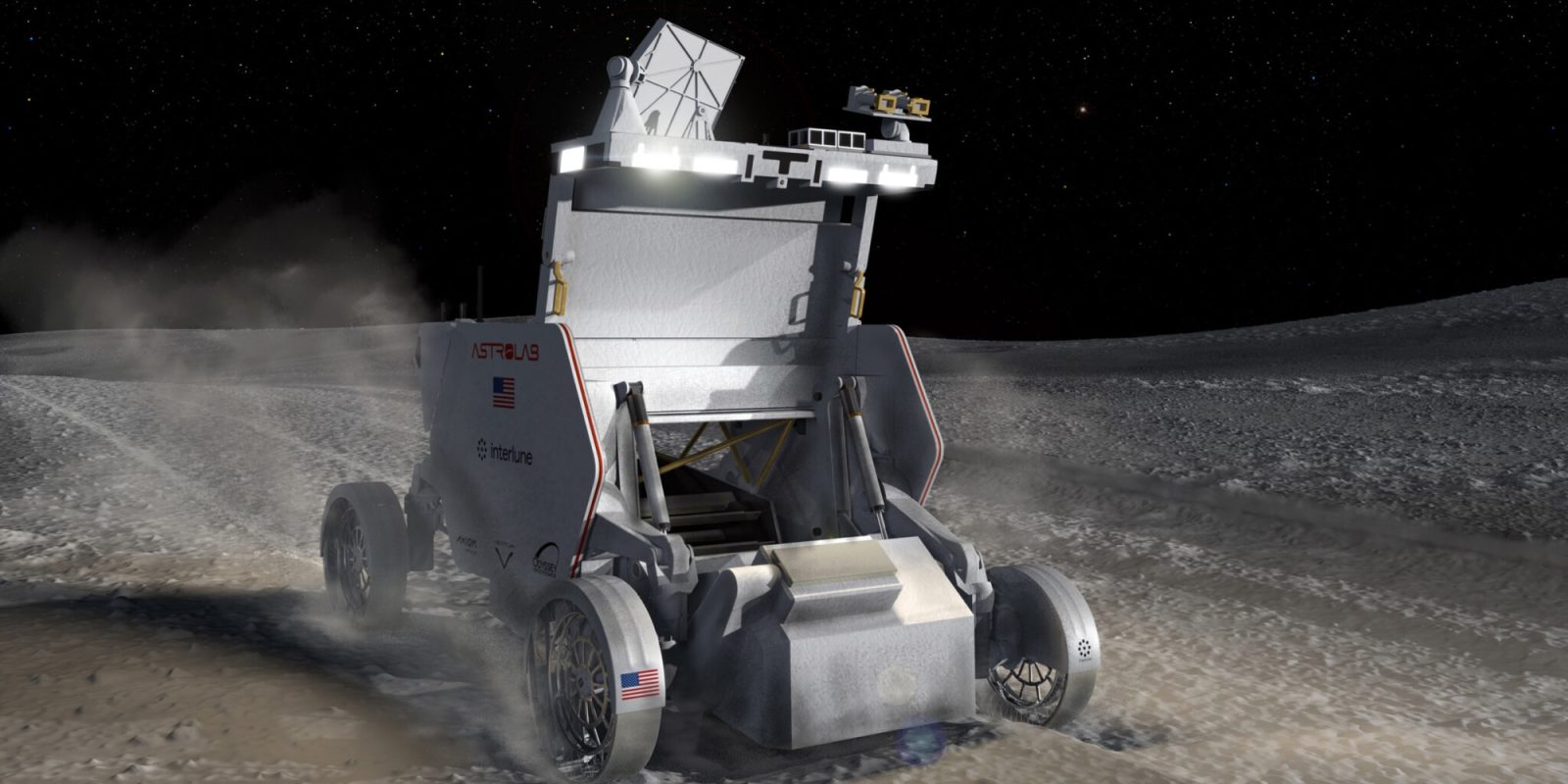
Astrolab and Interlune announced plans to collaborate on integrating excavation technology with Astrolab’s FLEX rover platform. Prototype testing is expected to take place at the Texas A&M University Space Institute, currently under construction near NASA’s Johnson Space Center in Houston.
Expand Expanding Close
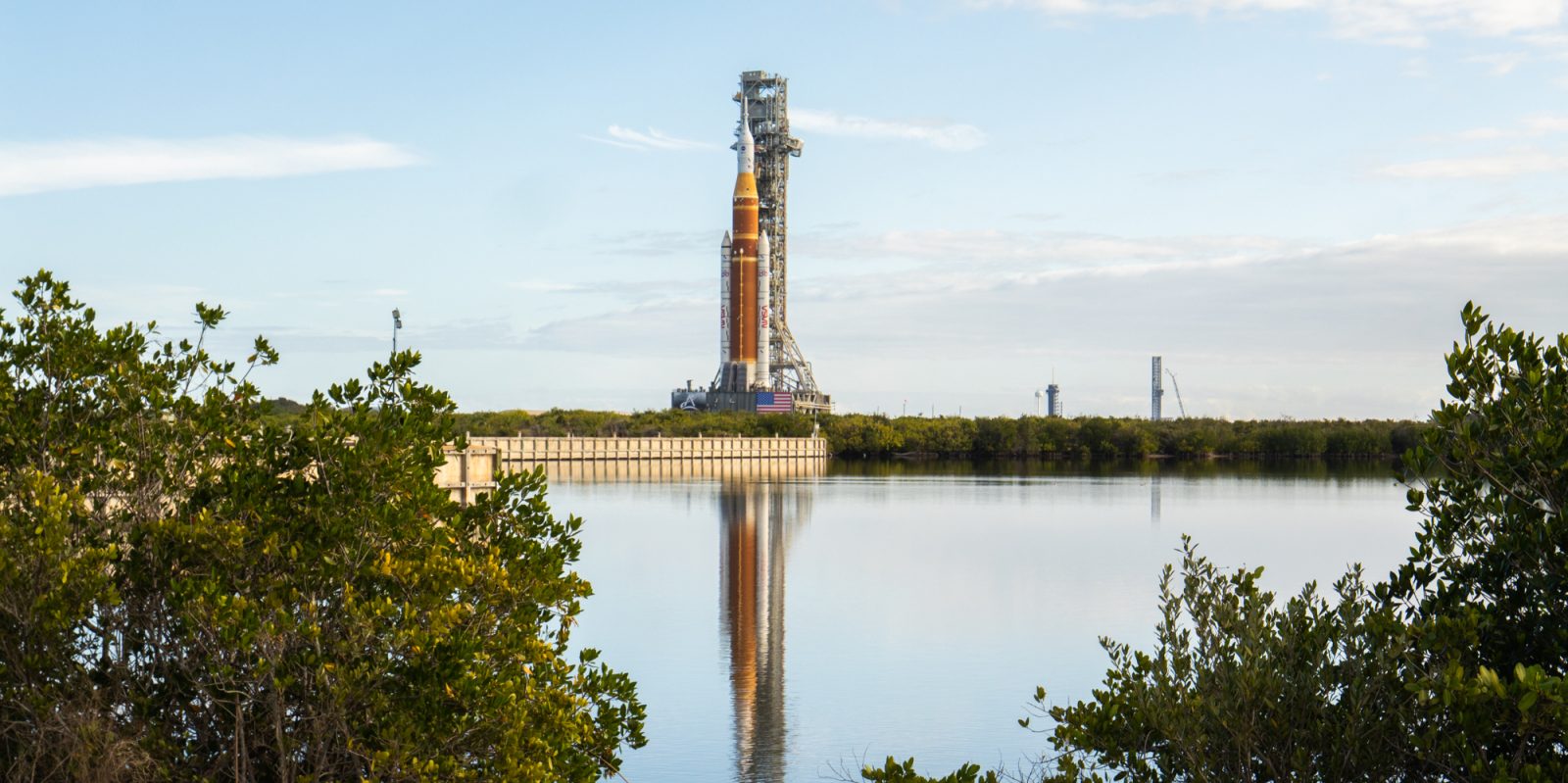
On Thursday, NASA Administrator Jared Isaacman announced changes to the Artemis mission profiles that will lead to at least a one-year delay in returning humans to the lunar surface. However, the agency believes these changes will strengthen the program overall, allowing for faster launch turnarounds and better testing of flight hardware before it’s needed for surface ops.
Expand Expanding Close
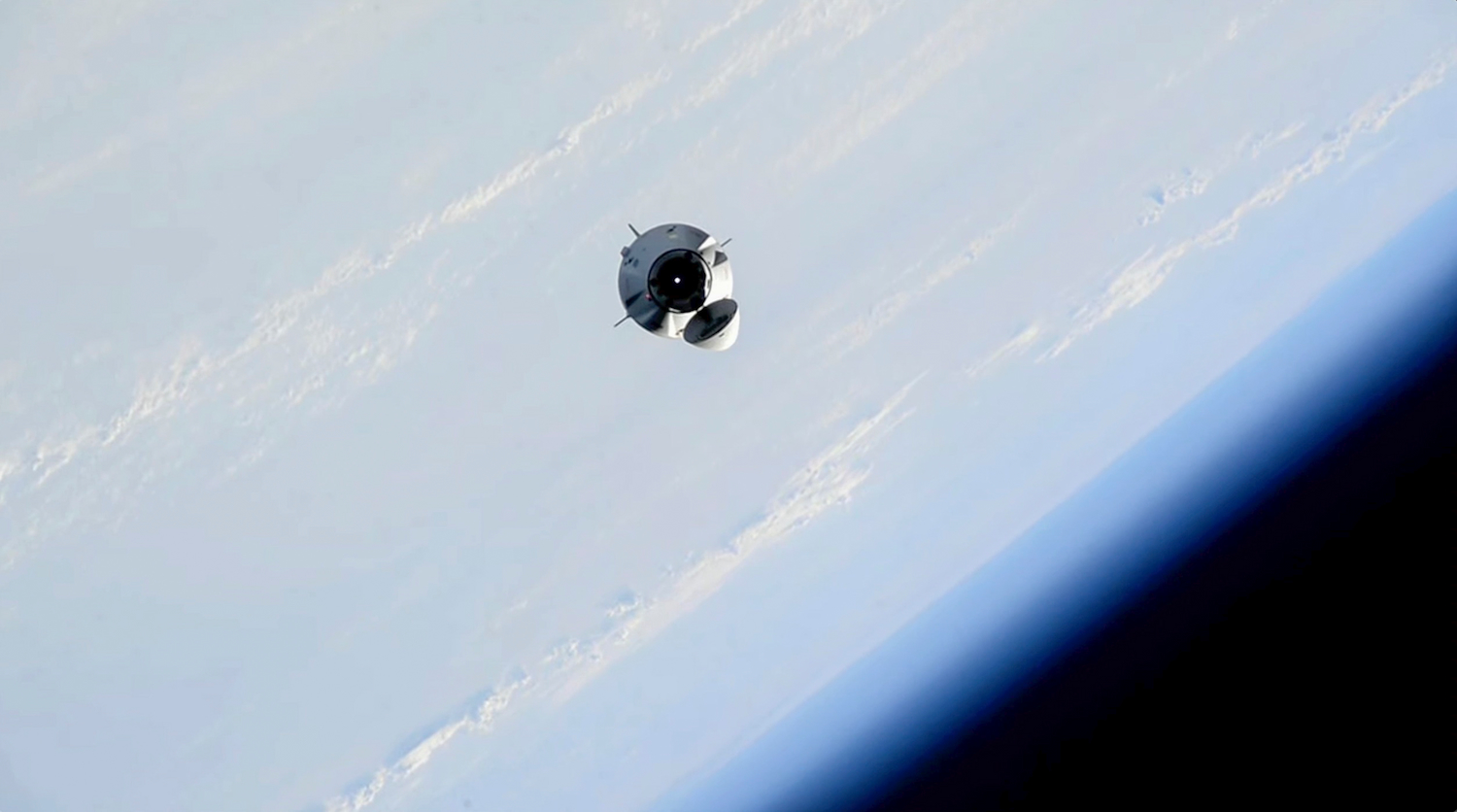
NASA has signed a contract with Vast for the sixth private astronaut mission to the International Space Station, with a launch targeted no earlier than summer 2027. The mission is expected to last up to 14 days in orbit and will fly aboard a SpaceX Falcon 9 rocket and Dragon spacecraft.
Expand Expanding Close

As NASA’s Artemis program moves forward, questions occasionally arise about the role of the Lunar Gateway, the planned lunar-orbiting station intended to support long-term exploration. It remains part of NASA’s publicly stated architecture, but it is also reasonable to examine what Artemis could look like if that element were delayed, scaled back, or ultimately not flown.
Expand Expanding Close
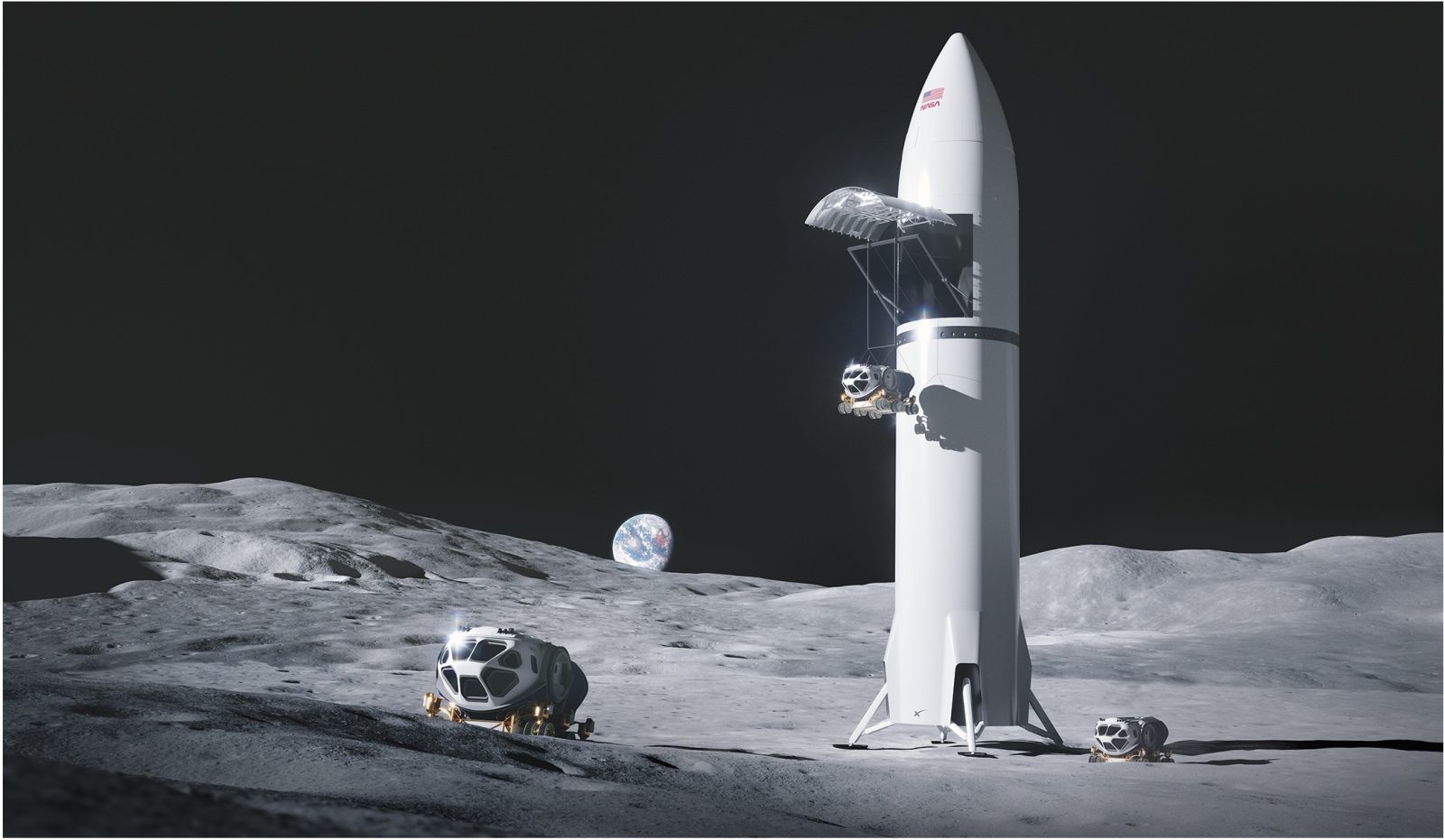
SpaceX is signaling a recalibration of its near-term priorities, placing renewed emphasis on the Moon as the fastest path toward a self-sustaining off-world settlement, while maintaining Mars as a longer-term objective. The shift is being framed not as a retreat from interplanetary ambition, but as a sequencing decision driven by logistics, cadence, and risk reduction.
Expand Expanding Close
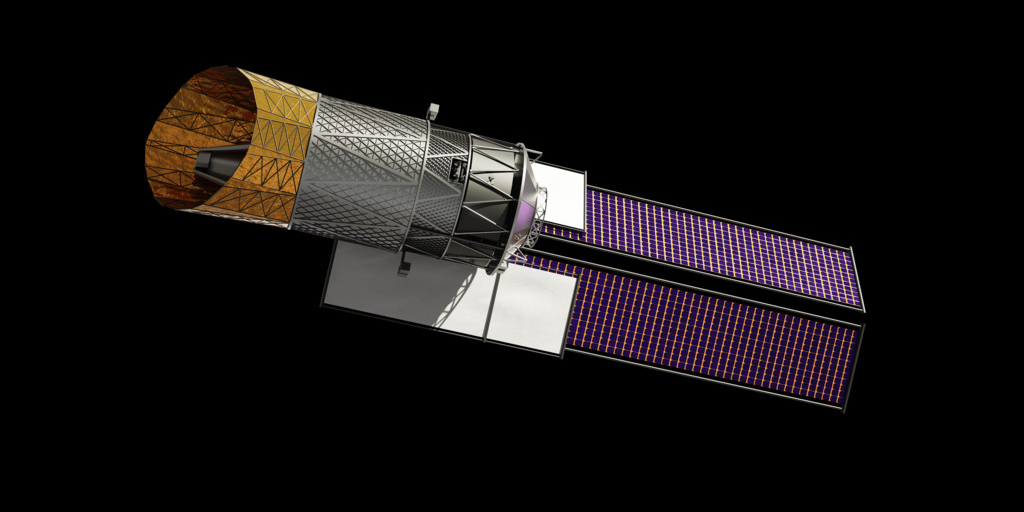
After three decades of discovering exoplanets, astronomers are turning to a harder question: which of those distant worlds might truly be capable of supporting life? NASA has taken an early step toward answering it by selecting industry partners to mature key technologies for the proposed Habitable Worlds Observatory, a next-generation space telescope designed to directly image Earth-like planets orbiting nearby stars.
Expand Expanding Close
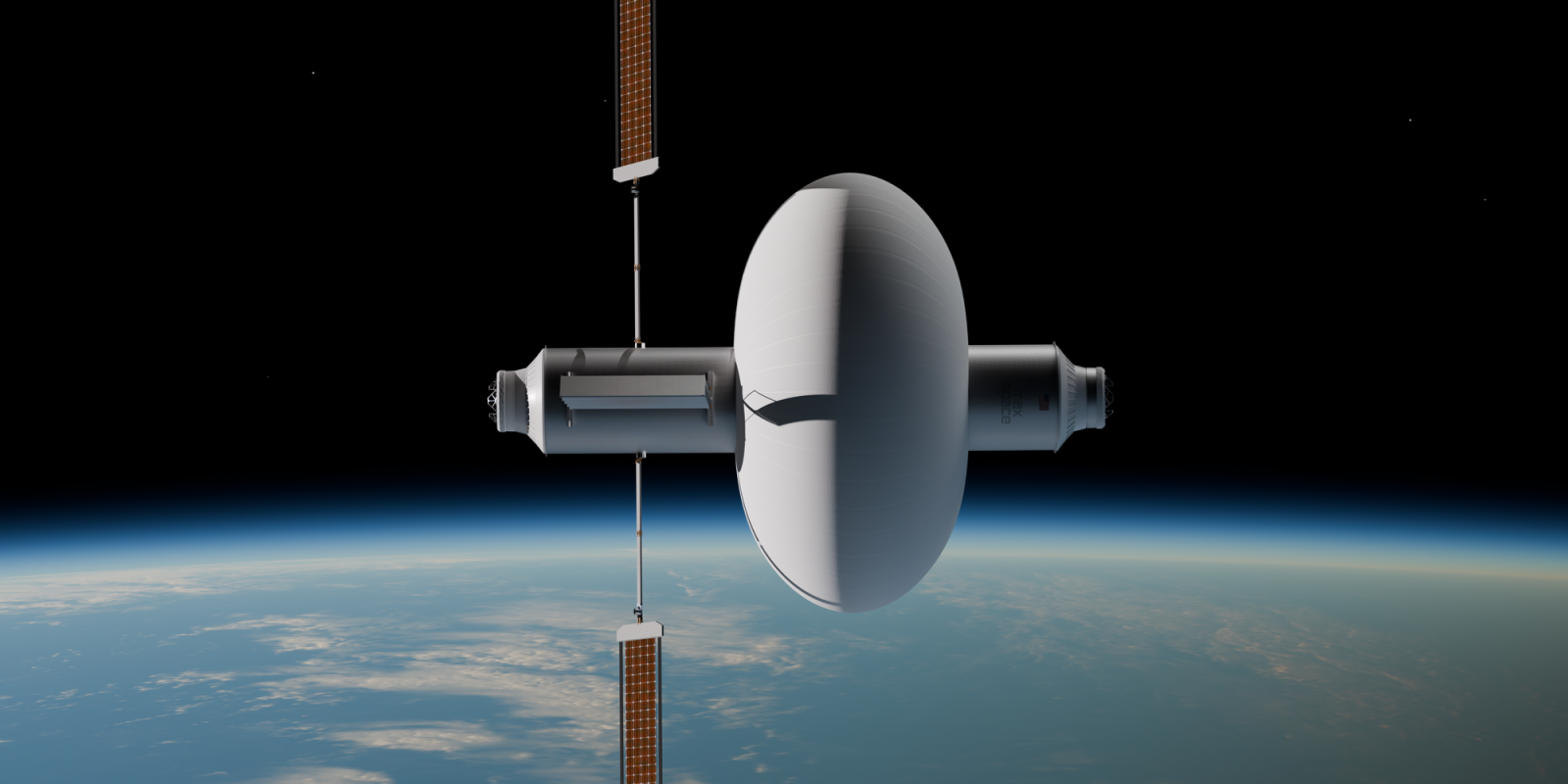
As the International Space Station approaches the end of its operational life later this decade, low Earth orbit is entering a transition that may be just as consequential as the station’s original construction. NASA has made clear that, rather than replacing the ISS with another government-owned outpost, it intends to purchase services from commercially owned space stations, freeing the agency to focus its resources on deep space exploration and the Artemis program.
Expand Expanding Close
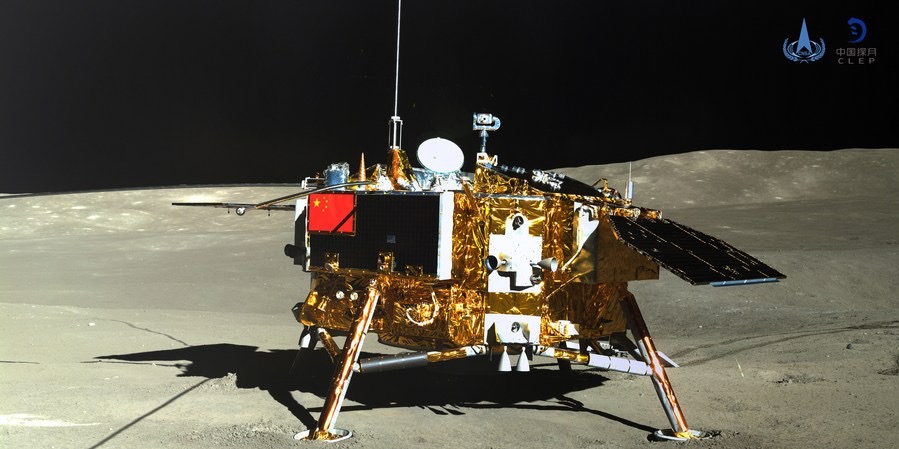
China’s upcoming Chang’e-7 mission, targeted for launch later this year, is officially framed as a scientific investigation of the Moon’s south pole. But viewed in context, it also represents a calculated step in a rapidly intensifying global race to establish long-term presence at the lunar poles, where science, technology development, and geopolitical competition increasingly intersect.
Expand Expanding Close
While the majority of federal employees are furloughed, awaiting a funding bill to be passed by Congress, NASA teams and contractors are still working towards getting Artemis 2 ready to launch next year. However, that can’t last forever, and an industry official just shared that some parts may begin to grind to a halt.
Expand Expanding Close

It’s been nine months into President Trump’s second term, and the government’s most popular and beloved agency is still without proper leadership. Some rumbles have made it sound like that could change soon, but we’re still awaiting official word.
Expand Expanding Close