
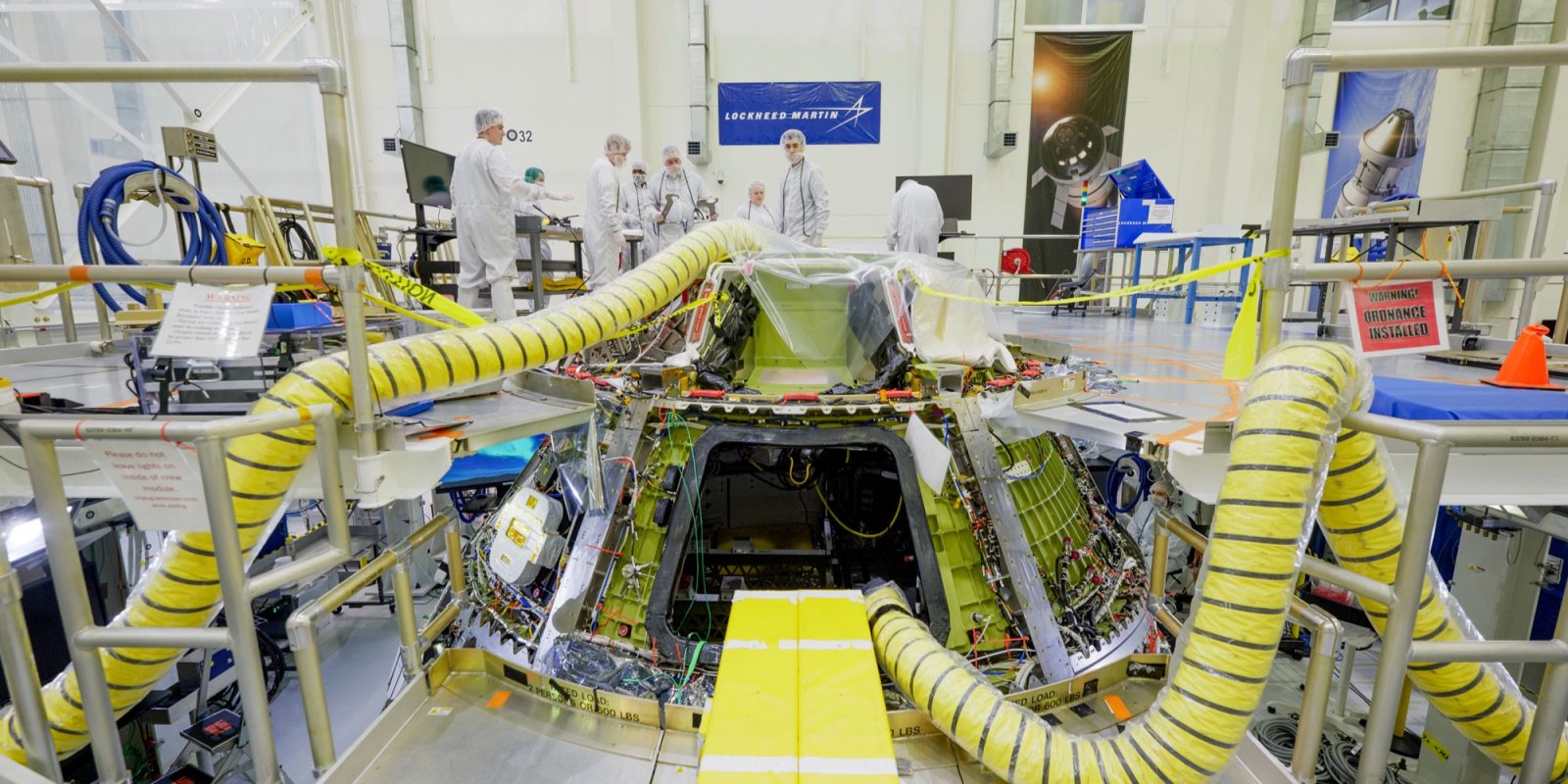
NASA has spent decades accomplishing what many thought was impossible: landing astronauts on the Moon, exploring the outer planets, and building some of the most advanced spacecraft. But today, one of the agency’s biggest challenges isn’t technology – it’s maintaining the workforce behind it.
A new report from the U.S. Government Accountability Office says recent workforce reductions are beginning to affect many of NASA’s biggest programs, raising concerns about how the agency will manage an ambitious future that includes returning humans to the Moon and eventually sending astronauts to Mars.
According to the report, NASA lost roughly 4,000 civil service employees in 2025 as part of broader federal workforce reduction efforts. The cuts reduced the agency’s workforce by about 22%. Those weren’t just office jobs. Many of the people leaving were engineers, project managers, safety specialists, and other experts whose experience has been built over decades.
The report found that 25 of NASA’s 36 largest projects have already felt the effects of those staffing cuts. In many cases, that meant remaining employees taking on additional responsibilities, managers overseeing larger workloads and project teams having fewer experienced personnel available to review technical decisions and program risks.
Despite the workforce reductions, most of NASA’s largest projects remain on schedule and within budget. However, the GAO warned that the long-term effects could become more significant if staffing shortages persist.
One of the biggest concerns isn’t simply having fewer employees – it’s losing experience. Spaceflight is an industry where lessons are often learned over decades. Engineers who have worked on the space shuttle, the International Space Station, Mars rovers, or previous Artemis hardware carry knowledge that isn’t easily replaced. New employees can absolutely grow into those roles, but it takes years of training and hands-on experience before they can fill the same positions.
Several NASA centers, including Kennedy Space Center in Florida, Goddard Space Flight Center in Maryland, and Langley Research Center in Virginia, were among those reporting noticeable staffing losses.
The timing couldn’t be more challenging as NASA is balancing an enormous workload. Artemis aims to return astronauts to the surface of the Moon for the first time since Apollo while laying the groundwork for future missions to Mars. At the same time, the agency continues supporting operations aboard the International Space Station, developing new science missions, and working alongside commercial partners such as SpaceX, Blue Origin, and others.
Those partnerships have changed how NASA operates, but they haven’t eliminated the agency’s responsibility. Commercial companies may build rockets and spacecraft, but NASA still oversees safety reviews, mission planning, testing, certification, and the countless technical decisions that happen before astronauts ever leave the launch pad. Those responsibilities depend on experienced personnel who understand how every piece fits together.
NASA has acknowledged the staffing challenges and says it is working to rebuild key parts of its workforce while reorganizing the agency around its highest priorities. Agency leaders have emphasized that hiring efforts will focus on technical positions that directly support future exploration.
The workforce concerns also come as NASA faces uncertainty over future budgets. Proposed spending reductions could make hiring even more difficult, although Congress has not finalized those funding decisions.
None of this means Artemis is in trouble or that future missions won’t happen. In fact, many commercial programs continue to make rapid progress. SpaceX is moving forward with Starship testing, while NASA continues preparing Orion, the Space Launch System, and other elements needed for future lunar missions, including Artemis 3, currently targeted for sometime in 2027.
Still, the GAO report serves as an important reminder that space exploration isn’t only about rockets and spacecraft. Behind every launch is an enormous team of people making thousands of decisions that keep missions safe and successful.
As NASA prepares for its next era of exploration, one of its greatest challenges may not be building the next rocket, it may be rebuilding the workforce needed to support it. Hardware can be manufactured. Decades of experience cannot.


FTC: We use income earning auto affiliate links. More.



Comments