
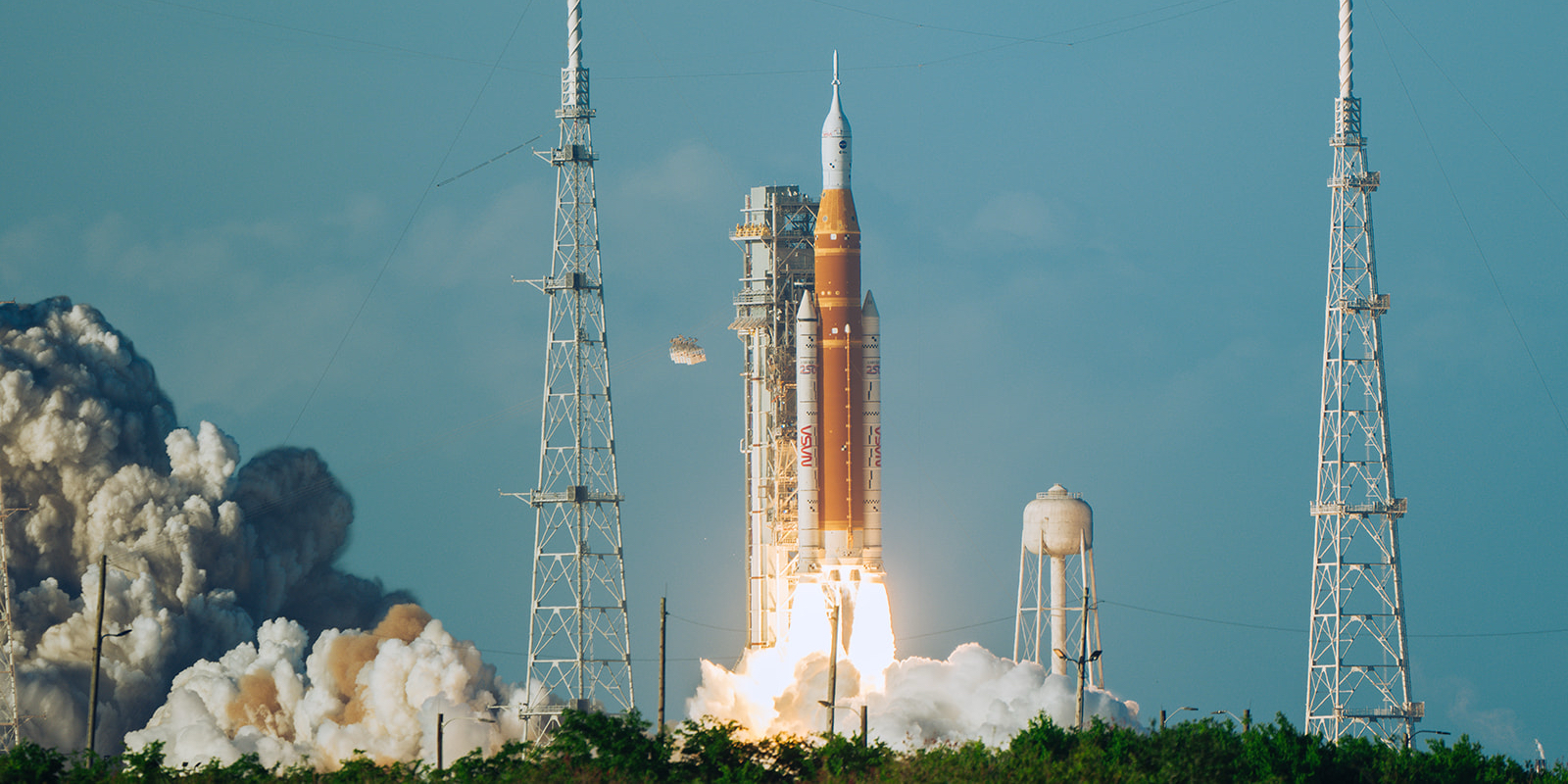
At 6:32 PM ET Wednesday afternoon, NASA launched its Artemis 2 mission from Kennedy Space Center. This mission is the first crewed mission of the Artemis Program, an initiative to return humans to the surface of the Moon.
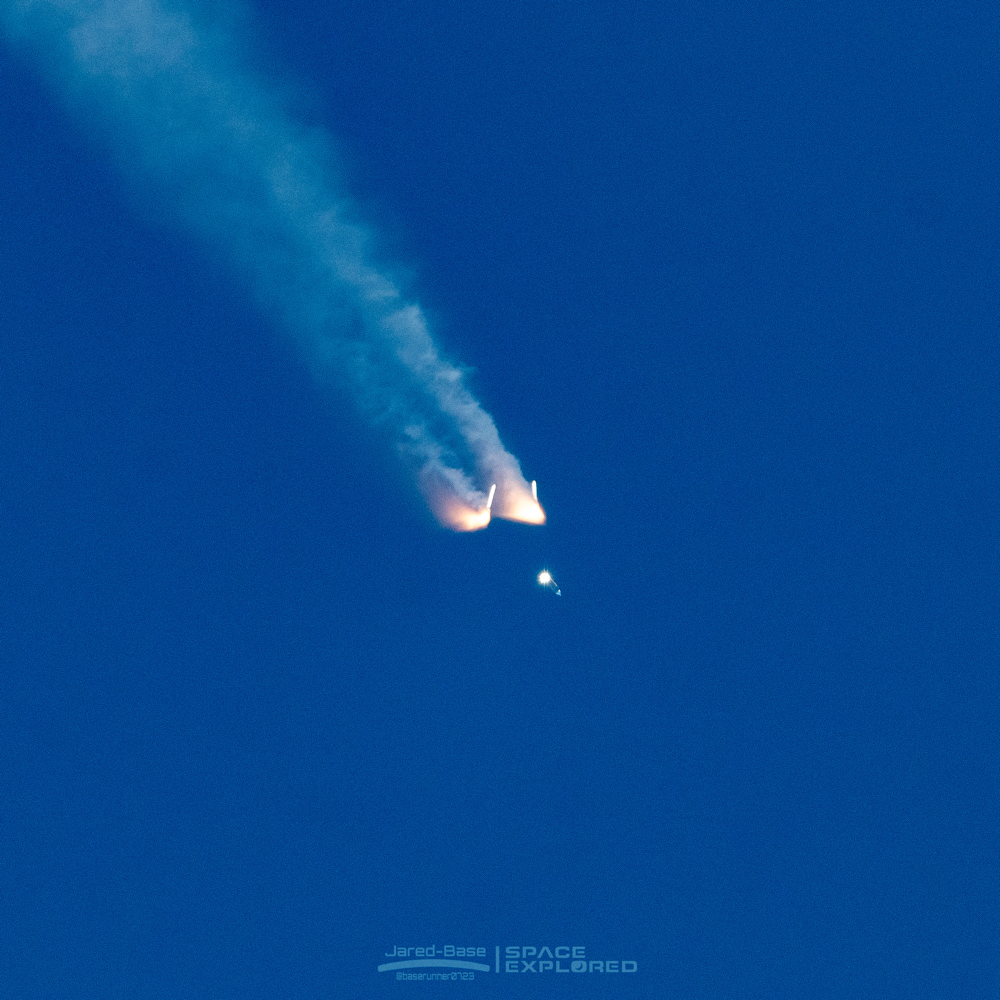
The Space Launch System, the rocket NASA designed for its Artemis crewed missions, completed a nominal ascent into space after lifting off from LC-39B at Kennedy Space Center. The mission, Artemis 2, is a crewed test flight of the SLS rocket and Orion spacecraft and will spend two weeks in space as it flies around the Moon.
This mission is the first crewed mission to the Moon since Apollo 17, which launched back in 1972 and concluded lunar landings for half a century. On board are NASA astronauts Reid Wiseman (commander), Victor Glover (pilot), Christina Koch, and Canadian (CSA) astronaut Jeremy Hanson.
This was NASA’s first launch attempt of Artemis 2 after roughly a month of delays due to some rocket hardware that needed to be worked on in the VAB.
Was the countdown clean? No, a few issues arose, and the T-0 time was eventually moved back roughly seven minutes; however, it was surprisingly clean compared to Artemis 1’s launch back in 2022.
While Artemis 2 won’t be landing on the Moon, it is still an important mission for NASA. It gives the agency another launch of the SLS under its belt and allows NASA to test the entire flight system before moving on to adding a lander into the mix.
NASA Administrator Jared Isaacman shared in recent Artemis Program updates that he wants NASA to bring the SLS launch rate to multiple missions a year in order to bring costs of the rocket down and improve readiness as it prepares to operate a lunar base on the Moon’s surface.
Isaacman also changed up the next few Artemis missions, with Artemis 3 no longer being the mission to land humans on the Moon’s surface, but instead testing out docking with a commercial lunar lander in Earth orbit. Artemis 4 will now be the historic mission that will see the next set of footprints on the surface of the Moon.
After Artemis 4, NASA wishes to build out a lunar base, set up regular flights to the Moon, and hopefully establish a permanent presence there, similar to the agency’s operations in low Earth orbit.
Artemis 2 will be in space for 10 days. There will be plenty for the crew of four to do to make sure the vehicle is ready to support future crews to and from the Moon.


FTC: We use income earning auto affiliate links. More.

Comments