
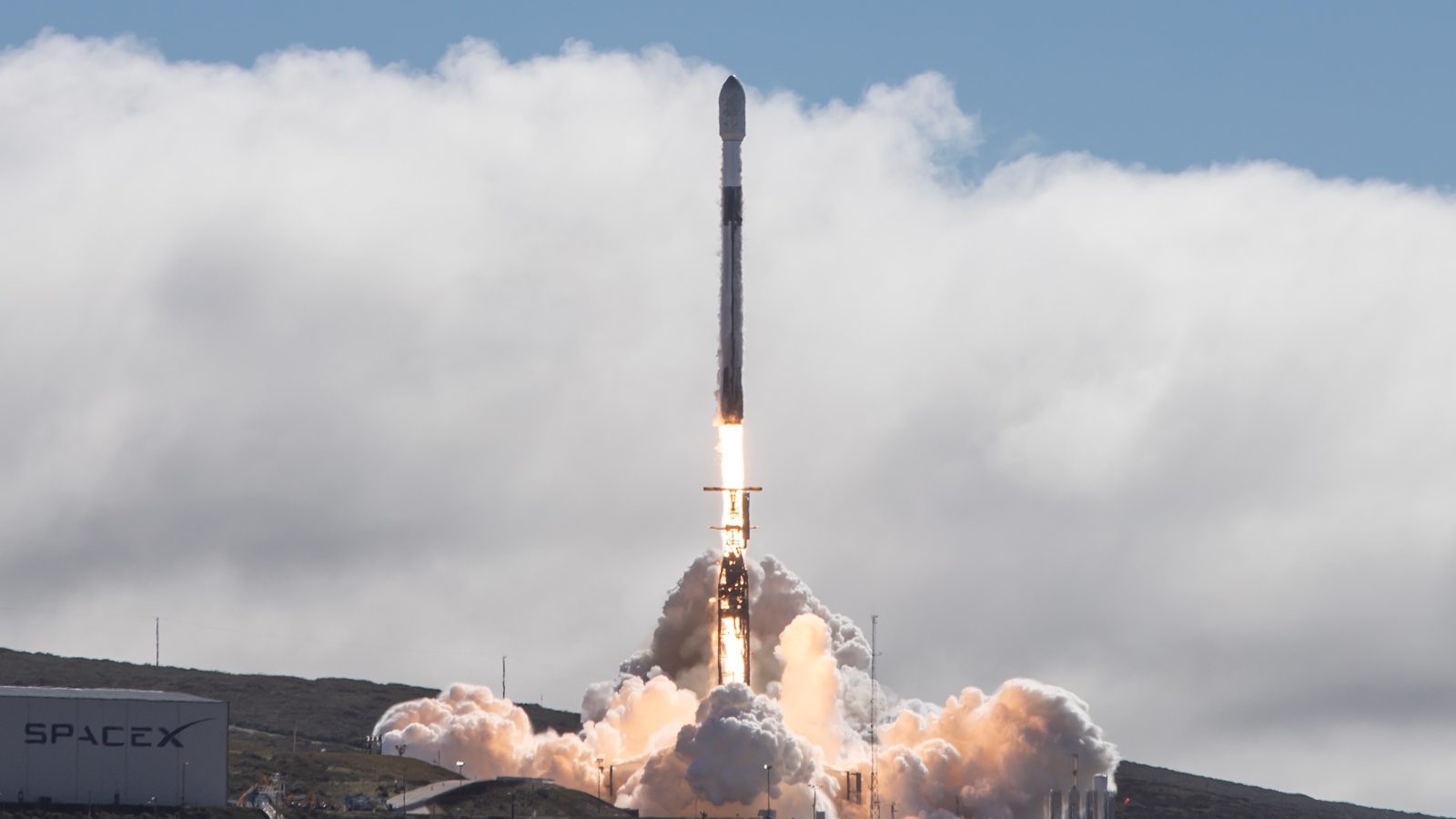
In the last decade, SpaceX has transitioned from just a commercial launch company to a full-scale aerospace contractor for hire. From its early NASA contracts to being the sole supplier of crewed access to space, we are now seeing it take a grasp on the defense market.
In the last couple of months, SpaceX has won two large defense contracts for building out in-space assets for the U.S. military. First, a $4.16 billion contract for a constellation of satellites to detect airborne targets, and second, a $2.29 billion contract for a communications backbone constellation.
The two entities combine for nearly $6.5 billion and will be built on top of SpaceX’s Starshield platform, which is the military version of its Starlink satellites.
That’s no small number to laugh at; NASA’s Human Landing System contract to return Americans to the Moon’s surface is worth around $4 billion, while NASA gave SpaceX around $10 billion to develop Crew Dragon and the Falcon 9 to launch it. Whenever a contract value starts with a “b,” it can mean big changes for a company.
Now, while this contract is no longer a make-or-break funding moment for SpaceX, as it was back when the company was working on the Falcon 9, it represents a significant amount of money flowing into SpaceX’s defense programs.
Defense satellite contracts are still relatively new for SpaceX. It was originally involved in the Space Development Agency’s Proliferated Warfighter Space Architecture during President Trump’s first term, but that has now been rolled into the later contracts listed above.
How has SpaceX suddenly begun building hundreds of satellites for the military? Well, Starlink is part of the answer. The DoD is no longer looking for massive, single-use satellites as it has been since the 1960s; it’s now looking for large, easily replaceable satellites like Starlink.
Those big, expensive satellites would usually go to one of just a few “prime” contractors. However, the new mentality was to be built on competition and scale, something many new startups were hoping to capitalize on, however SpaceX has become a favorite.
SpaceX can build hundreds of these satellites and their terminals a week, plus it has the knowledge of managing over 10,000 of them in space. This is a useful capability that the DoD is looking for. While other companies that are looking to compete for these contracts exist, there is nothing like going with the company that is already demonstrating it can do the job on its own.
This will make competing against SpaceX challenging. While Amazon with its Leo satellites may have a leg up, companies like York Space Systems that aren’t running their own in-space ISP like SpaceX, may be in trouble.


FTC: We use income earning auto affiliate links. More.



Comments