Former Space Force general joins Lunar Outpost board

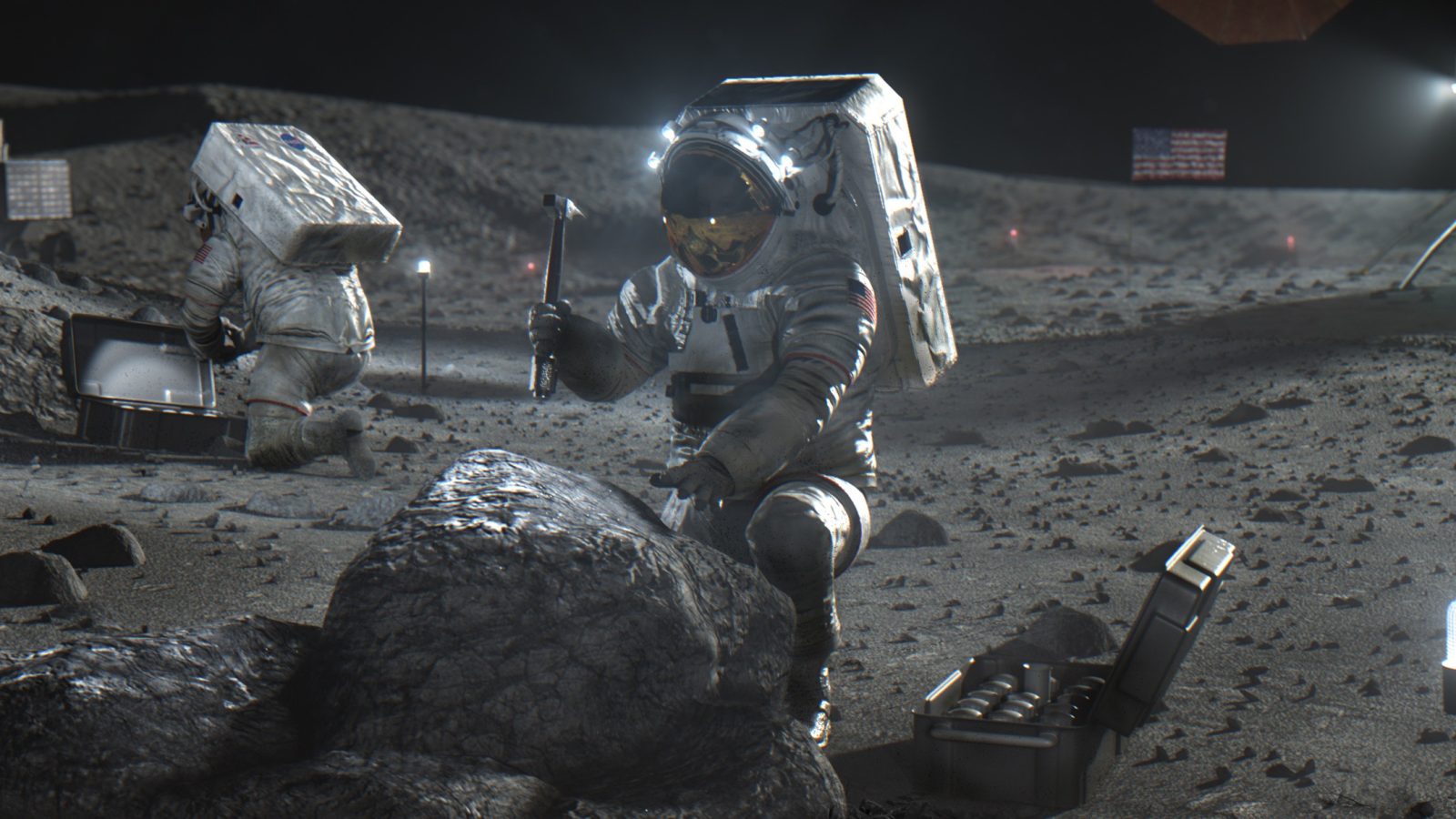
NASA is reportedly moving to simplify Axiom Space’s lunar spacesuit as the agency works toward returning astronauts to the surface of the Moon in 2028.
Expand Expanding Close
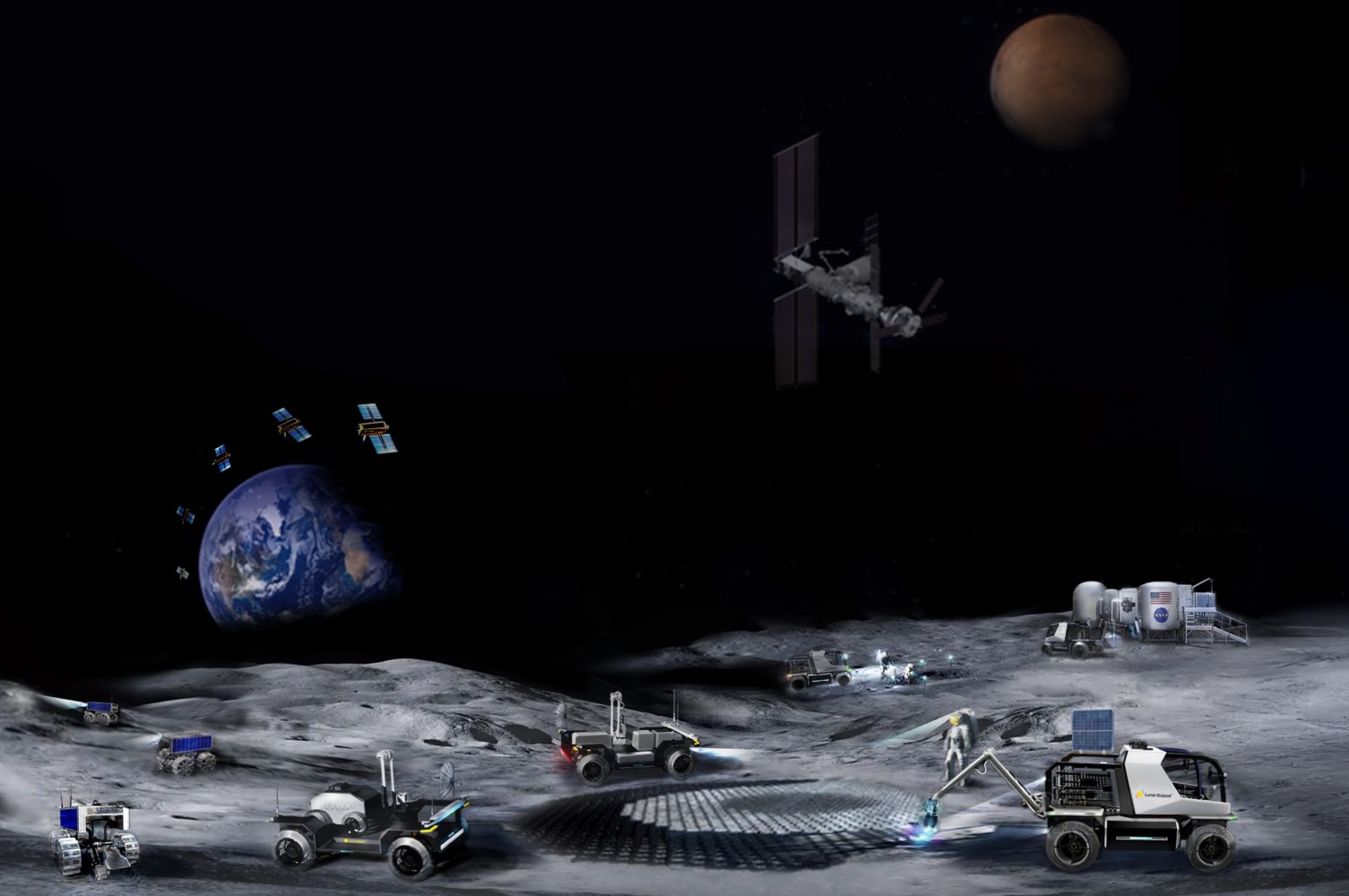
Lunar Outpost has appointed a high-ranking former U.S. military space official to help guide its expanding lunar mobility infrastructure projects.
Expand Expanding Close
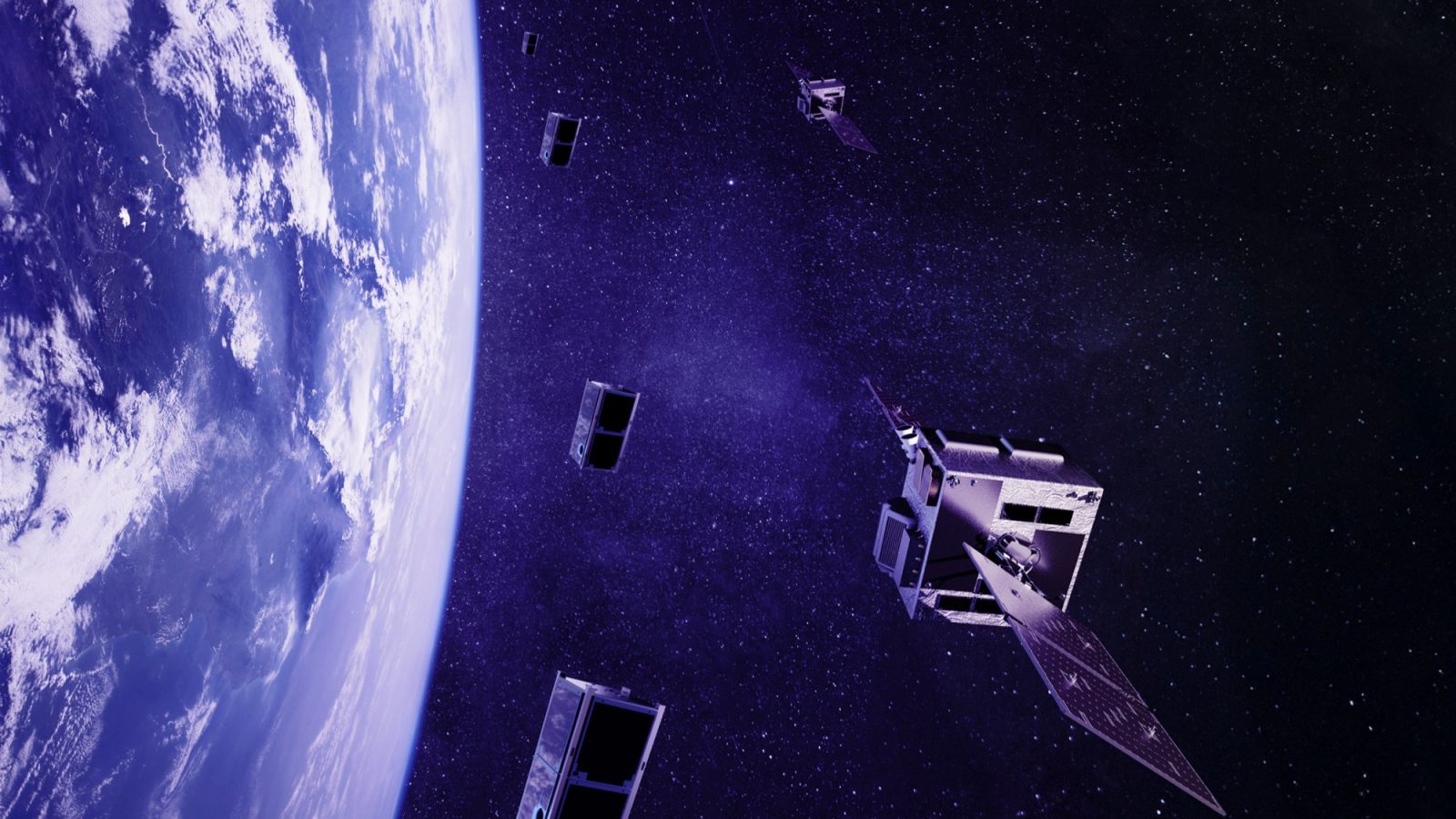
Voyager Technologies has won a U.S. Space Force contract to develop capabilities to allow satellites to communicate directly with other spacecraft in orbit.
Expand Expanding Close
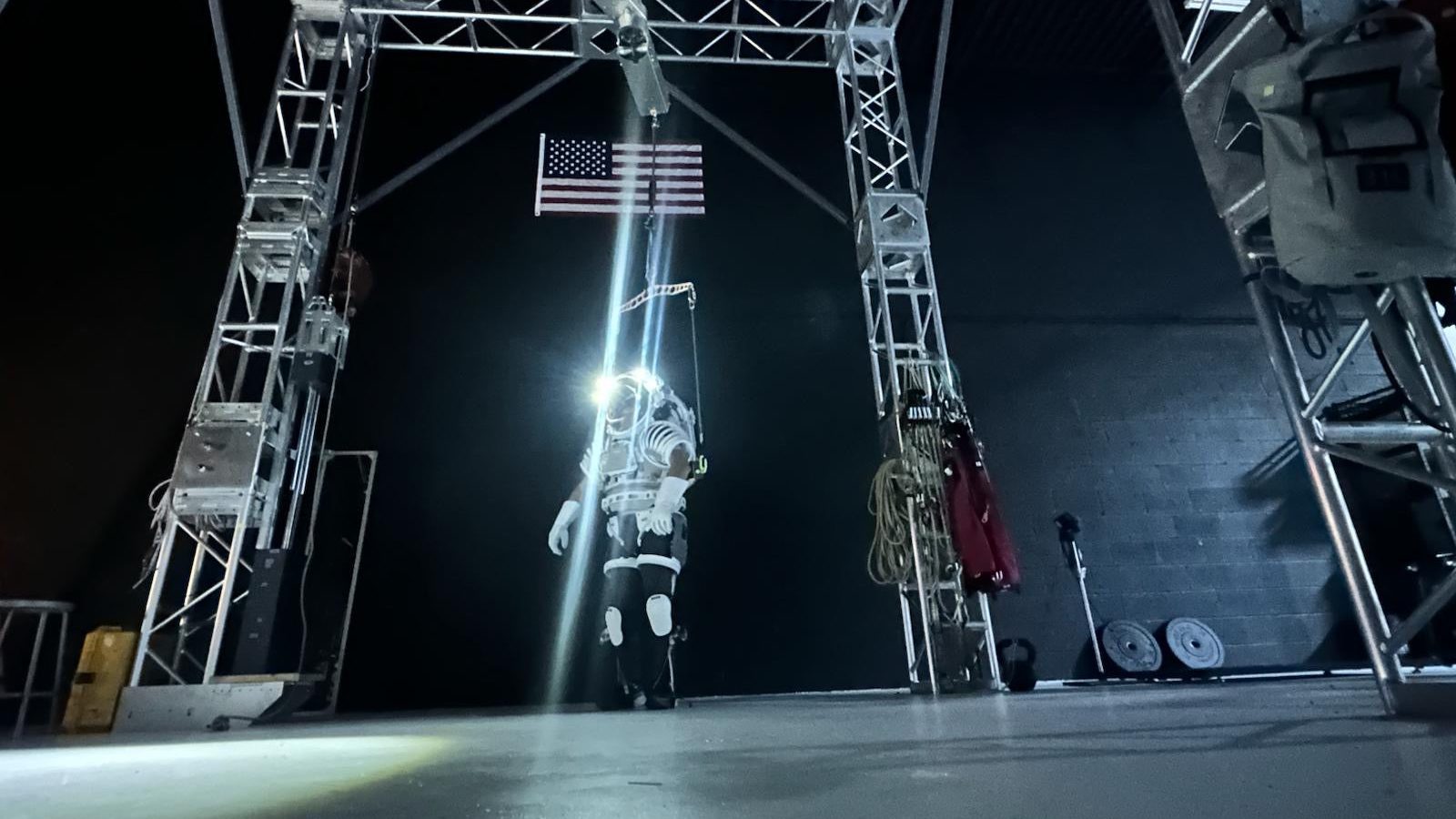
Before astronauts step onto the lunar surface, a Massachusetts engineering firm is using a gravity-defying simulator to ensure they can actually do their jobs once they arrive. By mimicking the Moon’s one-sixth gravity on Earth, Atlas Devices is helping engineers solve the ergonomic challenges that will ultimately dictate the success of crewed lunar exploration.
Expand Expanding Close
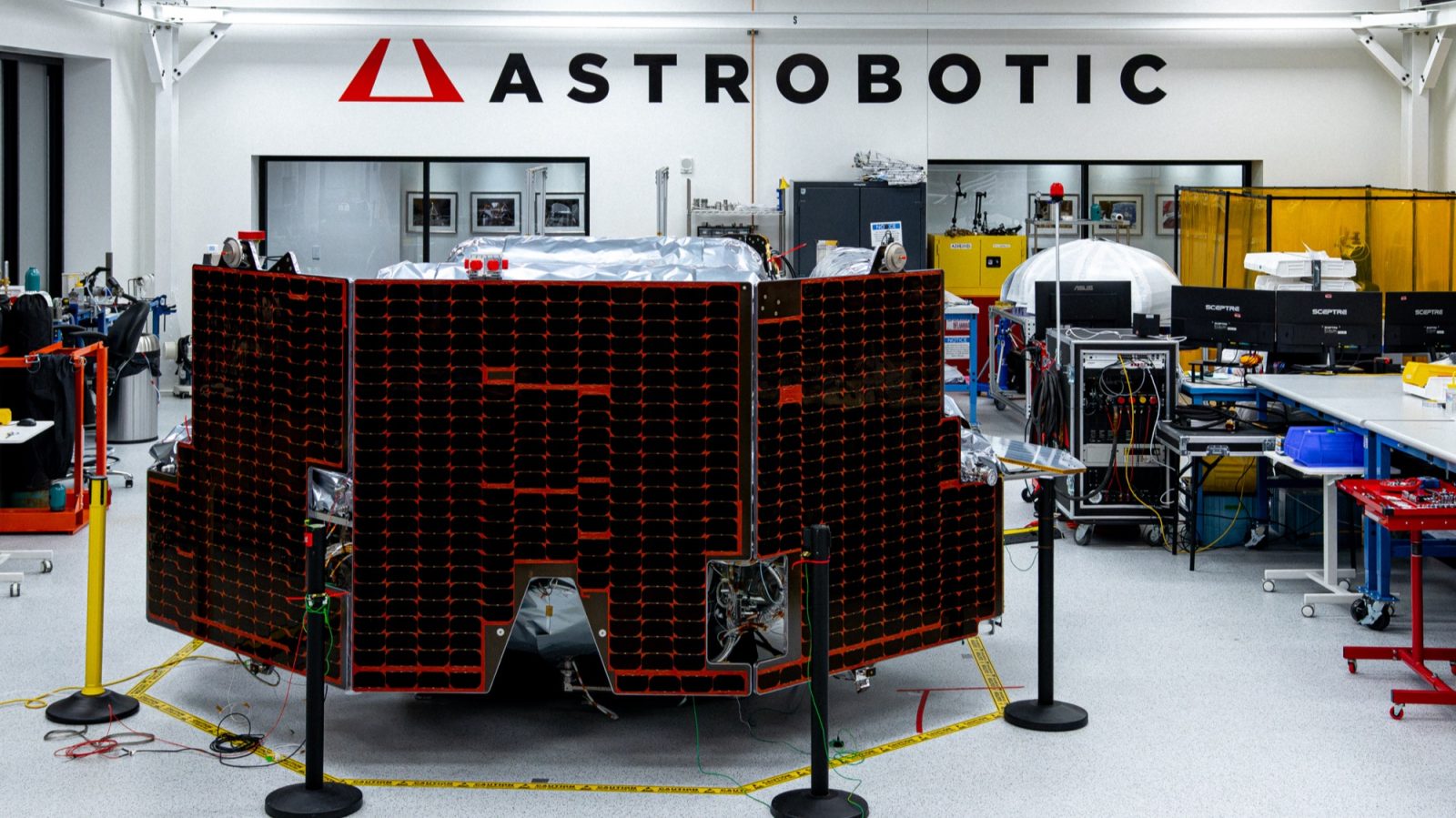
When people think about NASA’s Artemis program, they usually picture astronauts exploring the lunar surface. But before astronauts can live and work on the Moon for weeks at a time, someone has to deliver the equipment they’ll need. Astrobotic’s Griffin lunar lander is designed to do exactly that.
Expand Expanding Close

More than three decades after Voyager 2 became the only spacecraft to fly past Neptune, NASA’s James Webb Space Telescope is revealing that the distant ice giant may have experienced one of the most dramatic events in the solar system’s history.
Expand Expanding Close

Earth’s orbit is getting more crowded by the week, and NASA is no longer just talking about the problem. It’s working with industry to build the infrastructure to manage it. From its support of the Department of Commerce’s satellite tracking system to a growing roster of commercial partners developing technologies to clean up debris and dodge collisions, the agency’s approach to sustainability has moved from strategy into execution.
Expand Expanding Close
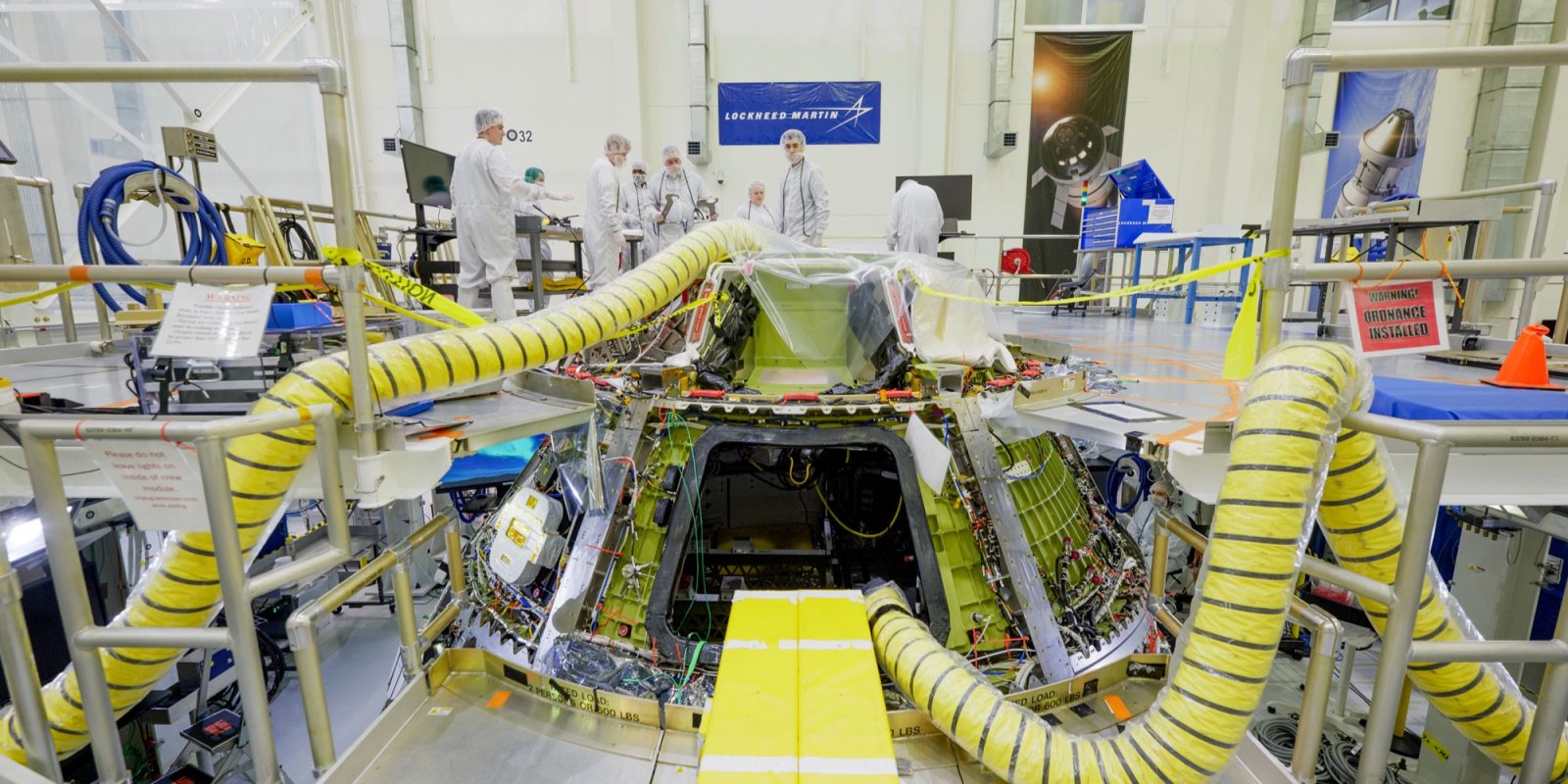
NASA has spent decades accomplishing what many thought was impossible: landing astronauts on the Moon, exploring the outer planets, and building some of the most advanced spacecraft. But today, one of the agency’s biggest challenges isn’t technology – it’s maintaining the workforce behind it.
Expand Expanding Close
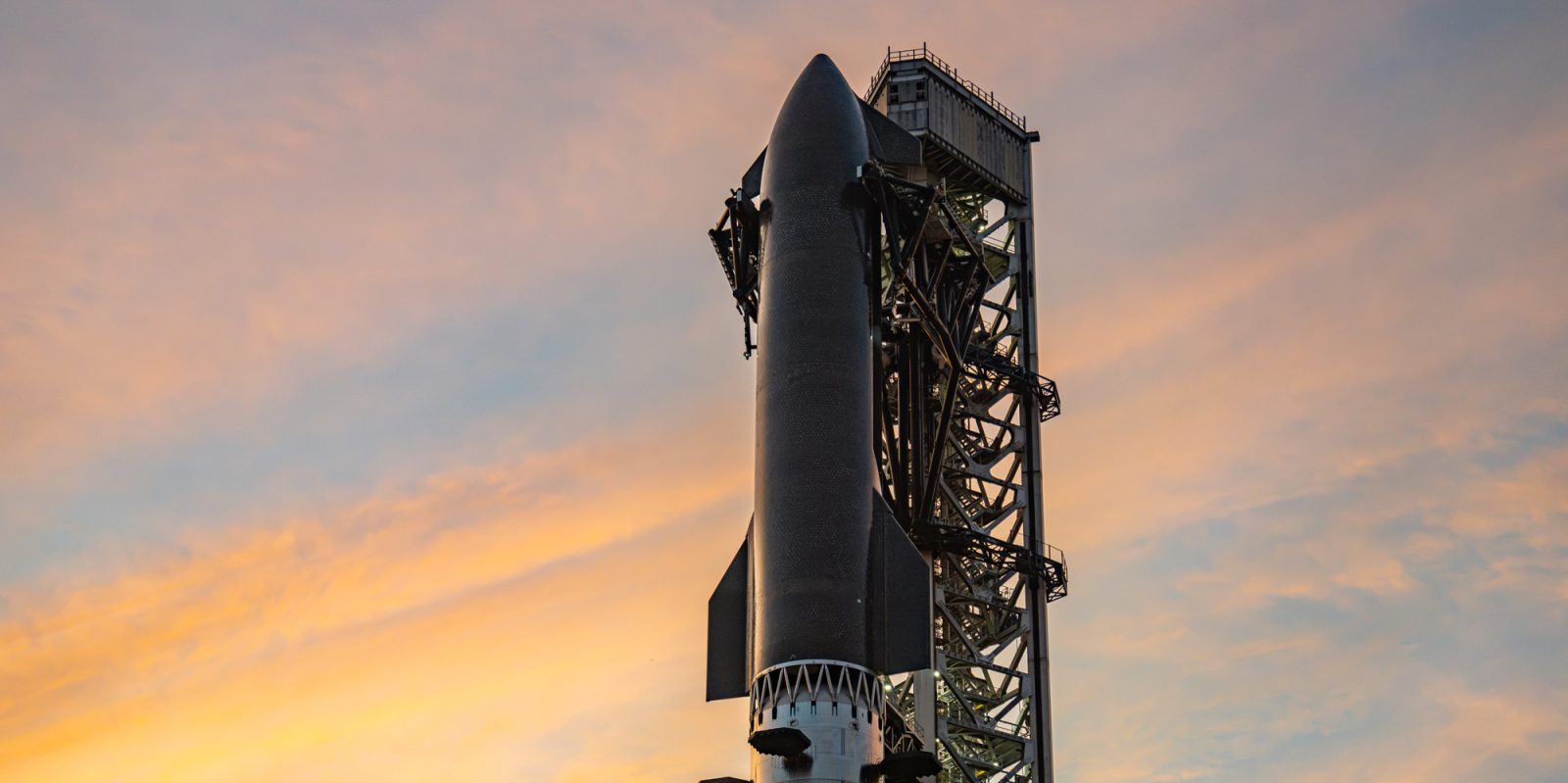
After delaying for weather, SpaceX is back again to launch its Starship Flight 13 mission from Starbase, Texas later this afternoon. If you aren’t able to be there in person, here is how you can watch it from the comfort of your home.
Expand Expanding Close
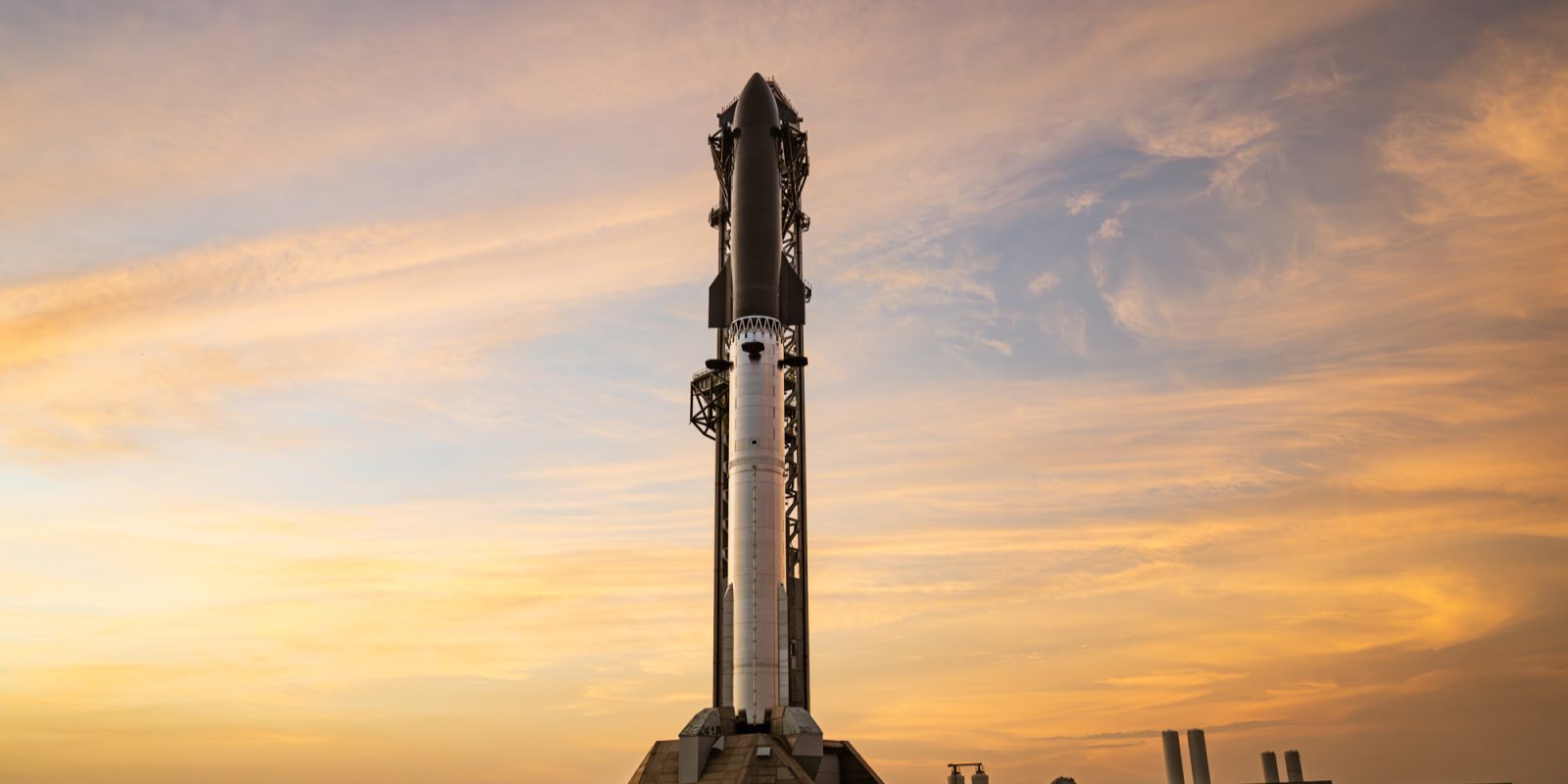
After delaying its launch attempt yesterday due to weather, SpaceX is hoping today is the day for it to finally get its next Starship rocket off the ground.
Expand Expanding Close
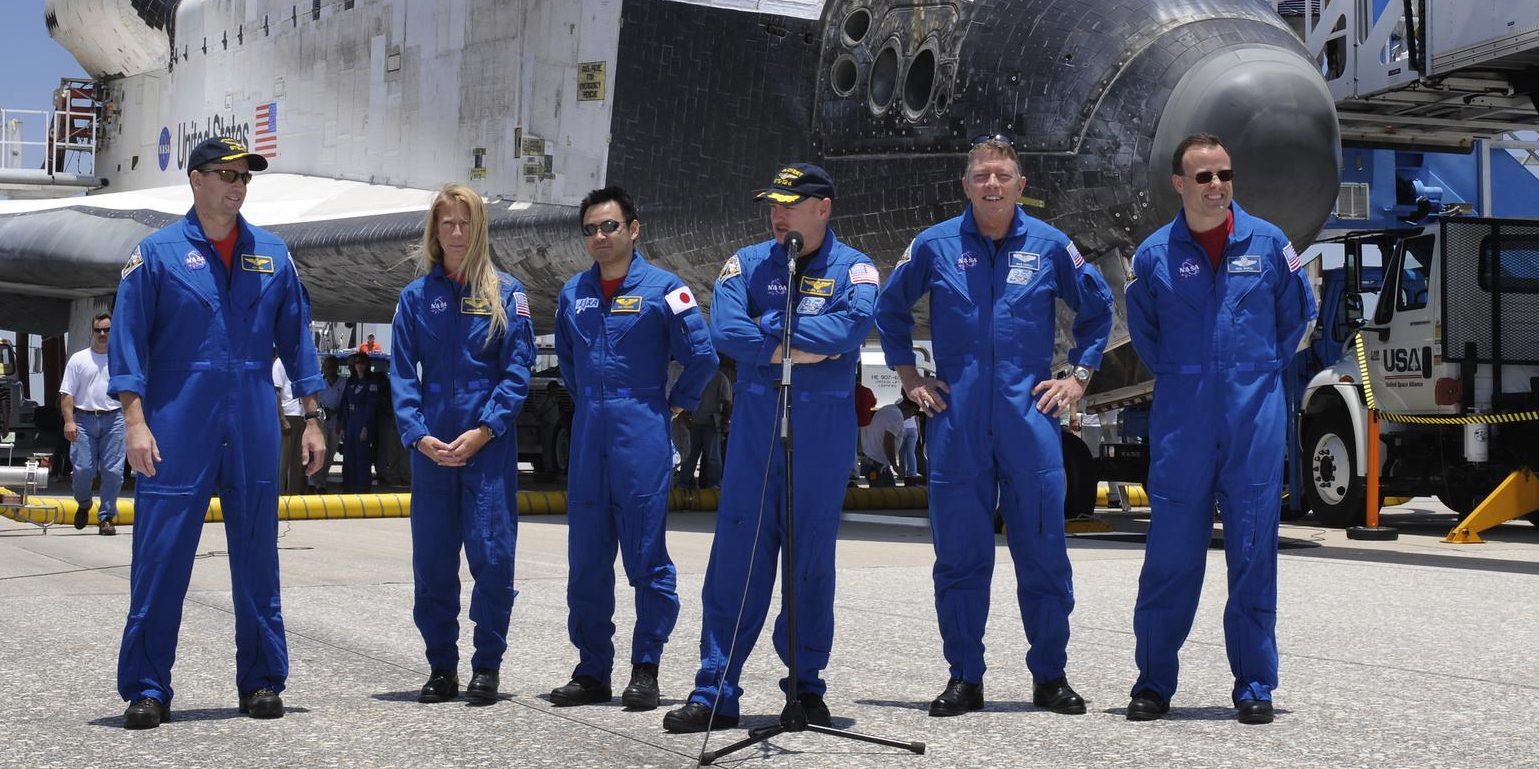
Senator Mark Kelly, former NASA Astronaut and retired Navy Aviator, is being considered as a Presidential candidate for the Democratic Party.
Expand Expanding Close
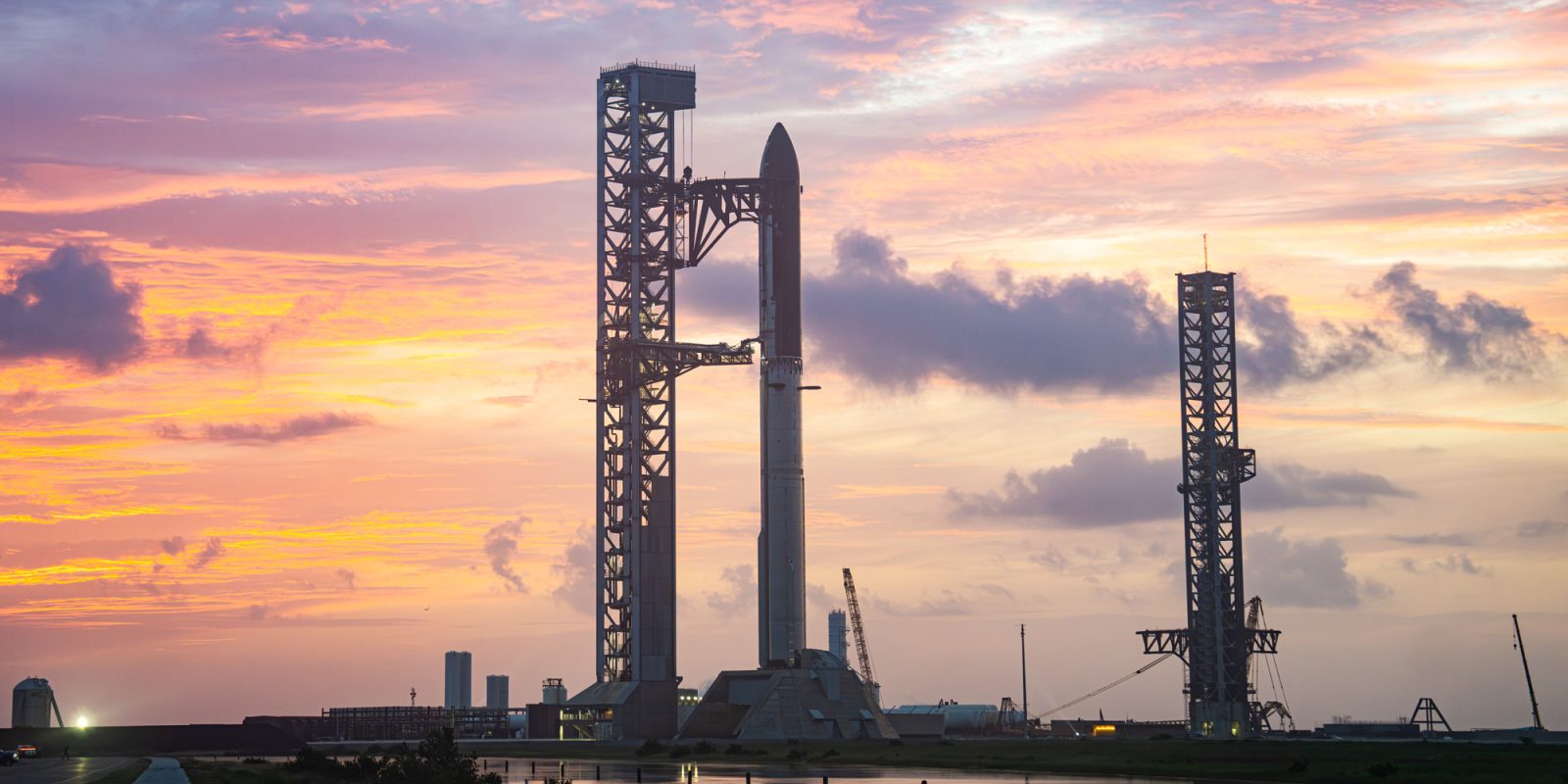
Later today, SpaceX is gearing up for its next attempt at launching its 13th Starship test flight from Starbase, Texas. The previous attempt on July 16 was aborted just before liftoff due to issues with two Raptor engines.
Expand Expanding Close
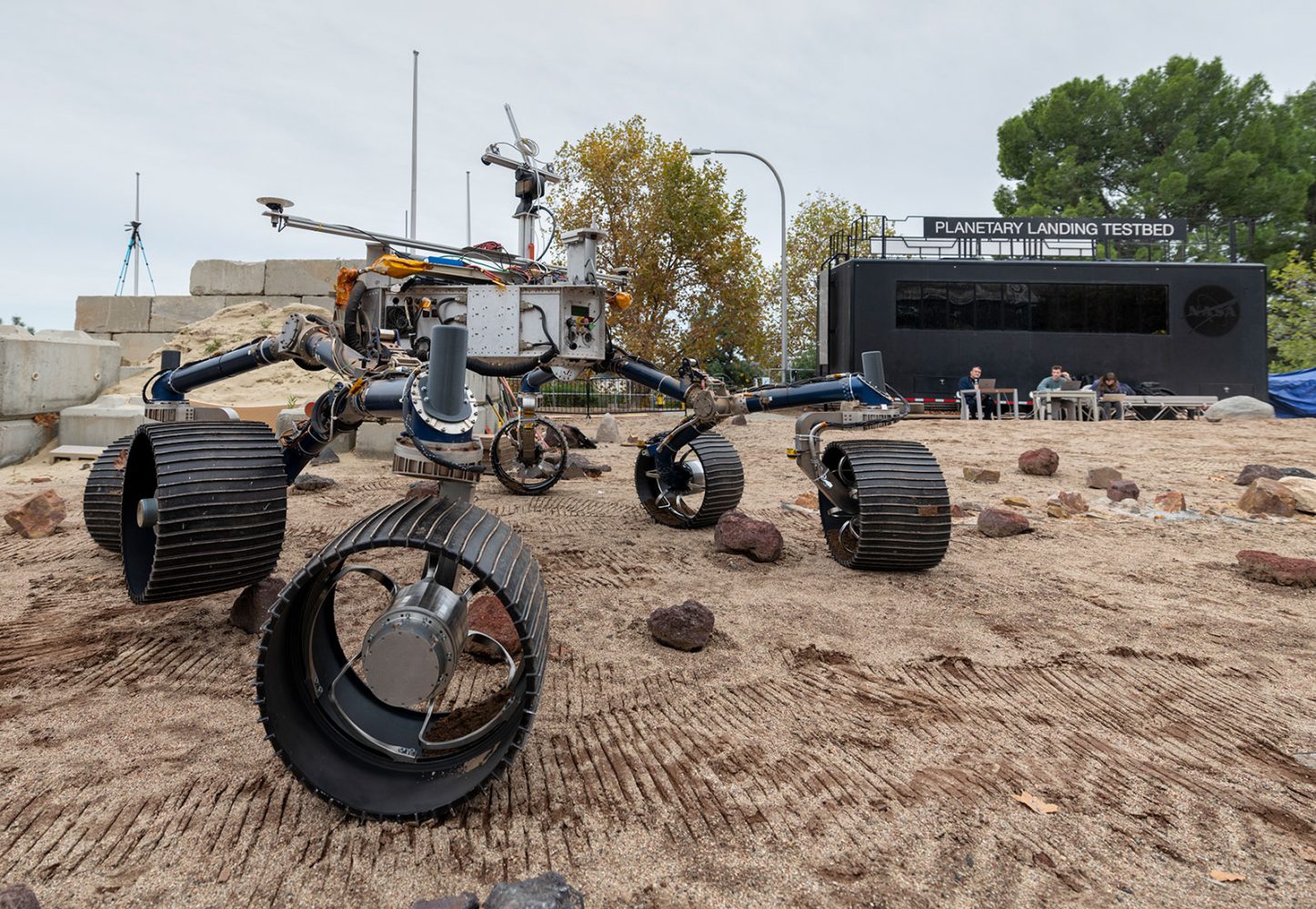
NASA has a new idea for a lunar rover, but the vehicle itself is already familiar. During a June 30 Moon Base update, the agency unveiled PROMISE – the Polar Rover for Observation, Mapping, and In-Situ Exploration. The proposed rover mission began life as an Earth-based engineering testbed at NASA’s Jet Propulsion Laboratory in Southern California, and is being studied to see if it can be modified to survive on the Moon.
Expand Expanding Close
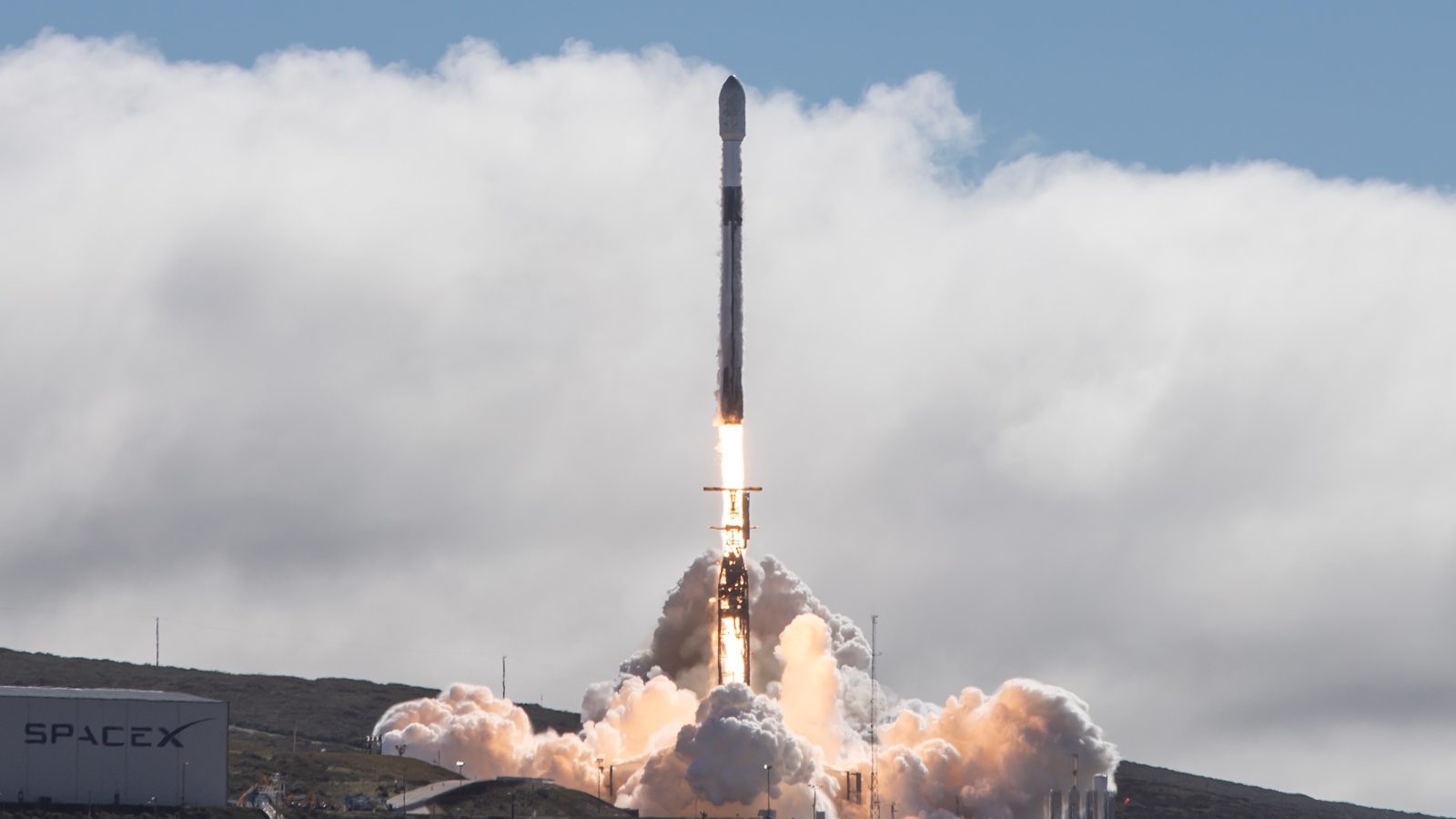
In the last decade, SpaceX has transitioned from just a commercial launch company to a full-scale aerospace contractor for hire. From its early NASA contracts to being the sole supplier of crewed access to space, we are now seeing it take a grasp on the defense market.
Expand Expanding Close
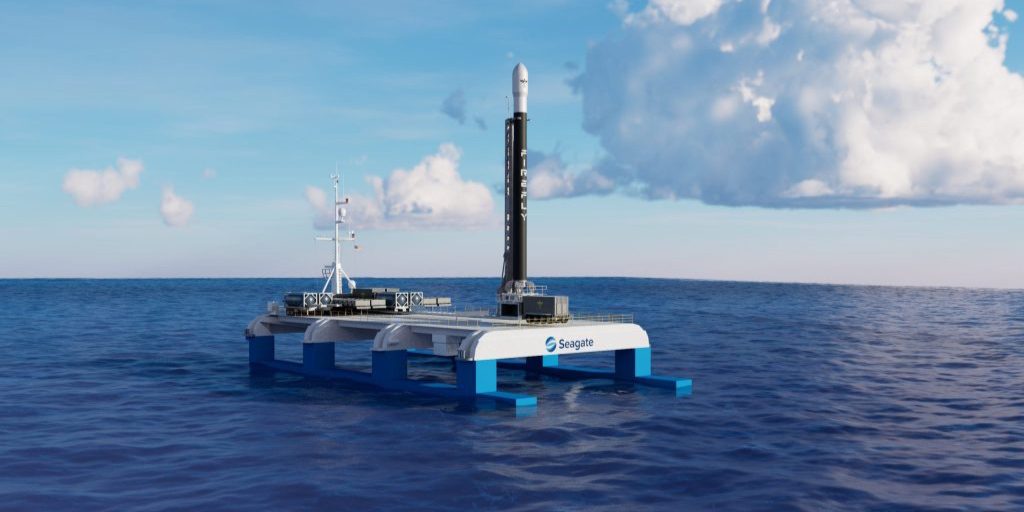
Florida’s aerospace development agency, Space Florida, has approved a strategic investment in Seagate Space, a St. Petersburg startup developing offshore launch infrastructure, signaling growing interest in ocean-based spaceports as launch demand continues to increase.
Expand Expanding Close
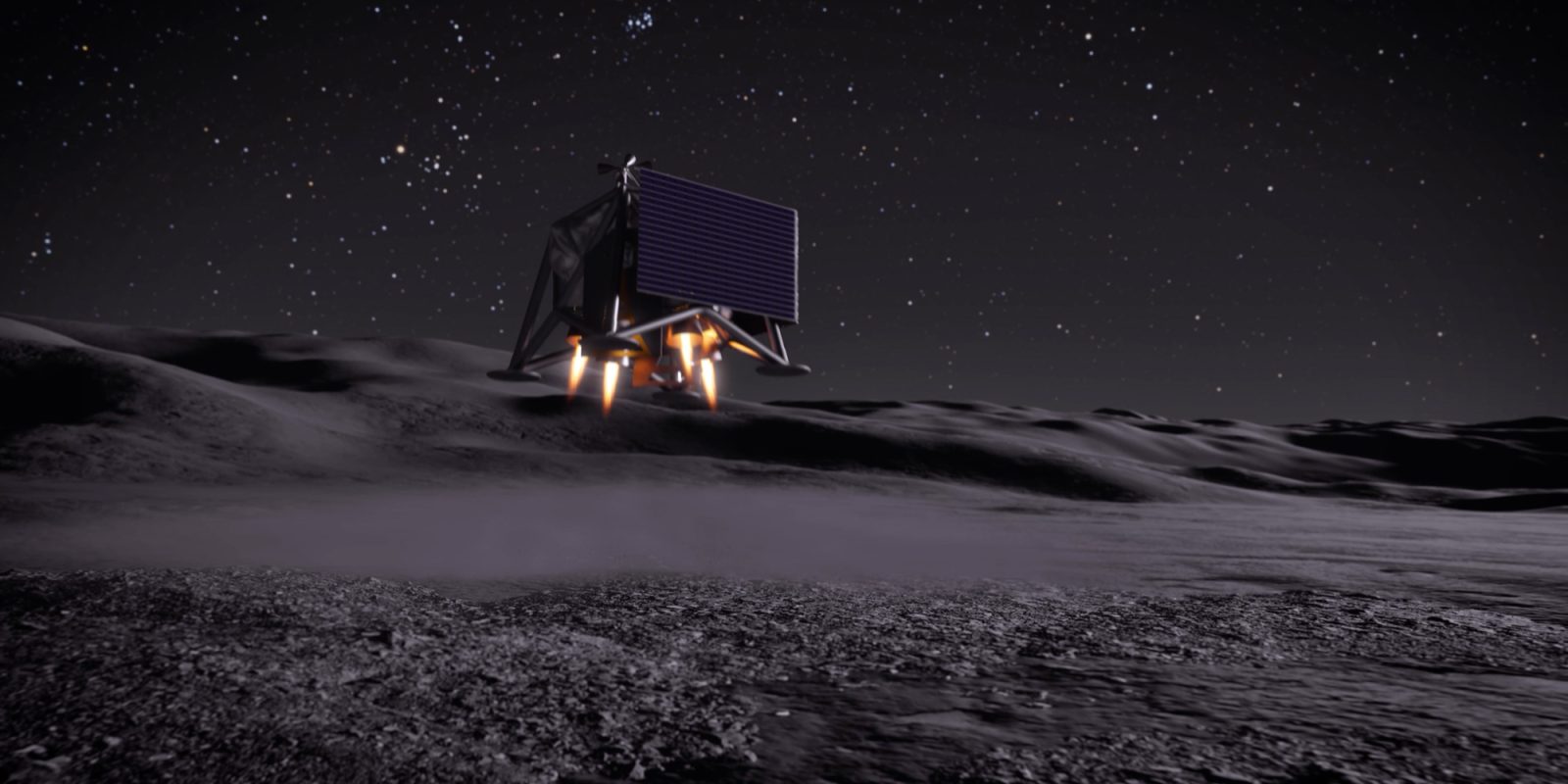
For decades, lunar exploration was defined by astronauts, rovers, and orbiters. But as NASA pushes deeper into the Artemis era, a new class of robotic explorer is quietly emerging, one that could significantly change how humanity navigates the Moon: small autonomous hopping drones.
Expand Expanding Close
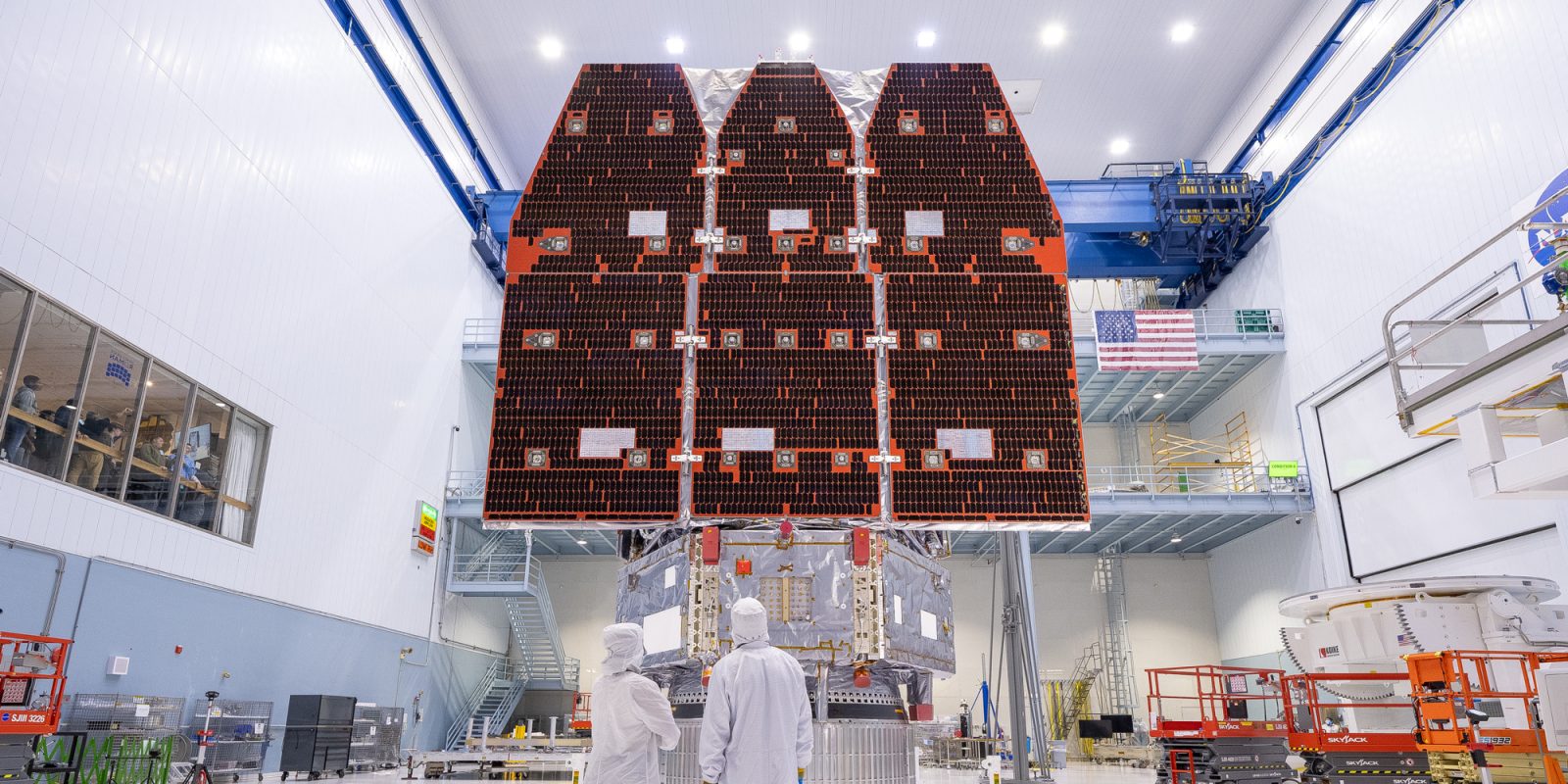
NASA’s next great observatory is no longer a distant concept sitting quietly in development labs. The Nancy Grace Roman Space Telescope is now entering its final stretch toward launch, and across the space community, anticipation around the mission has grown dramatically in recent months.
Expand Expanding Close
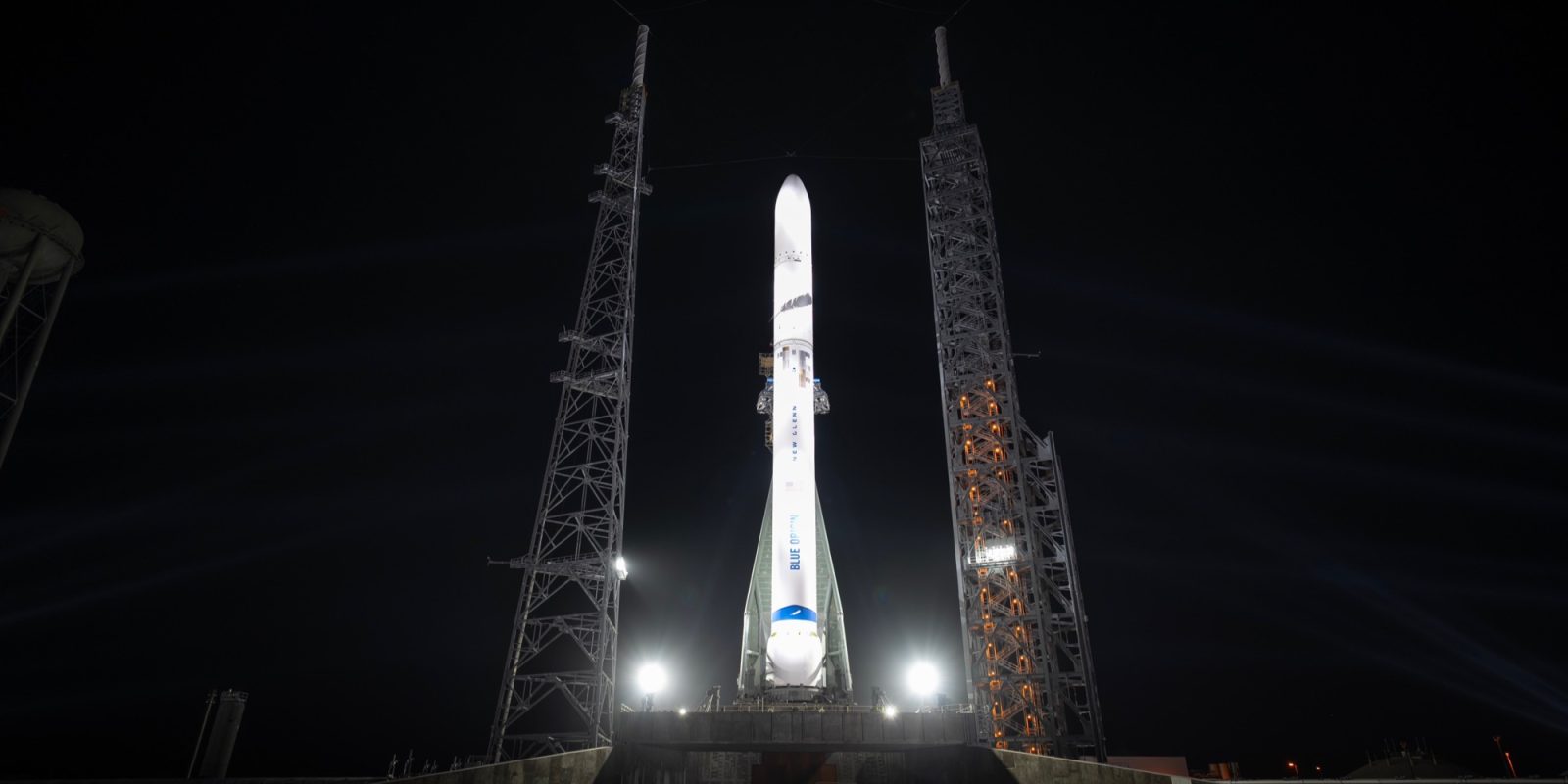
Blue Origin suffered a major blow last month when its New Glenn rocket experienced a catastrophic anomaly during a static fire test at Launch Complex 36 on Florida’s Space Coast. The test was being conducted without its mission payload attached – a batch of Amazon LEO internet satellites that had been scheduled for launch in early June.
Expand Expanding Close
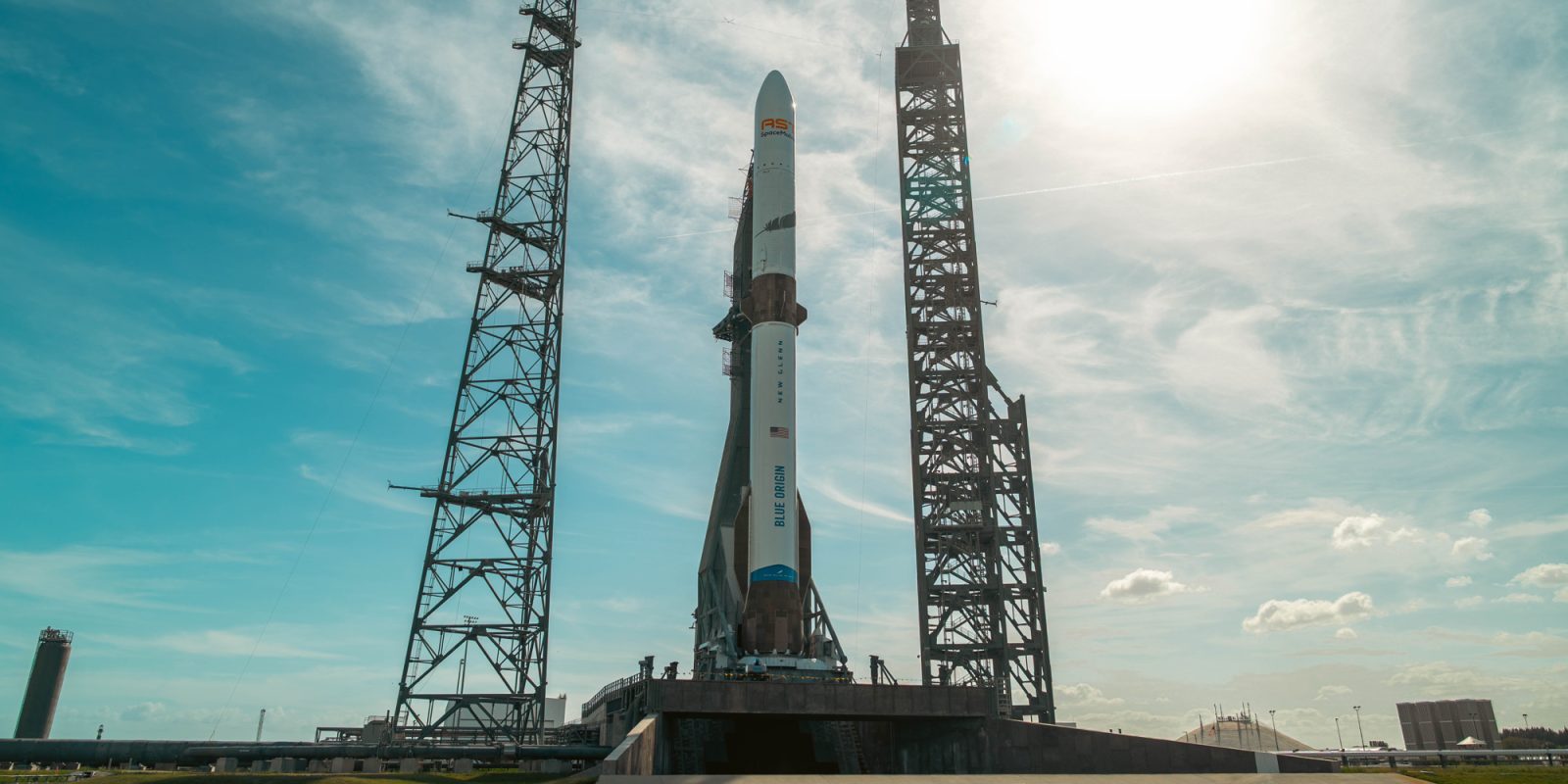
On June 29, a Blue Origin New Glenn exploded during a pre-launch test on SLC-36 at Cape Canaveral Space Force Station. Debris is now expected to wash up on public beaches in the coming days; here is what officials are telling you to do if you find it.
Expand Expanding Close
During a pre-launch static fire, a fully stacked rocket for Blue Origin’s fourth New Glenn rocket suffered a failure, leading to its destruction and damage to the launch pad’s infrastructure.
Expand Expanding Close
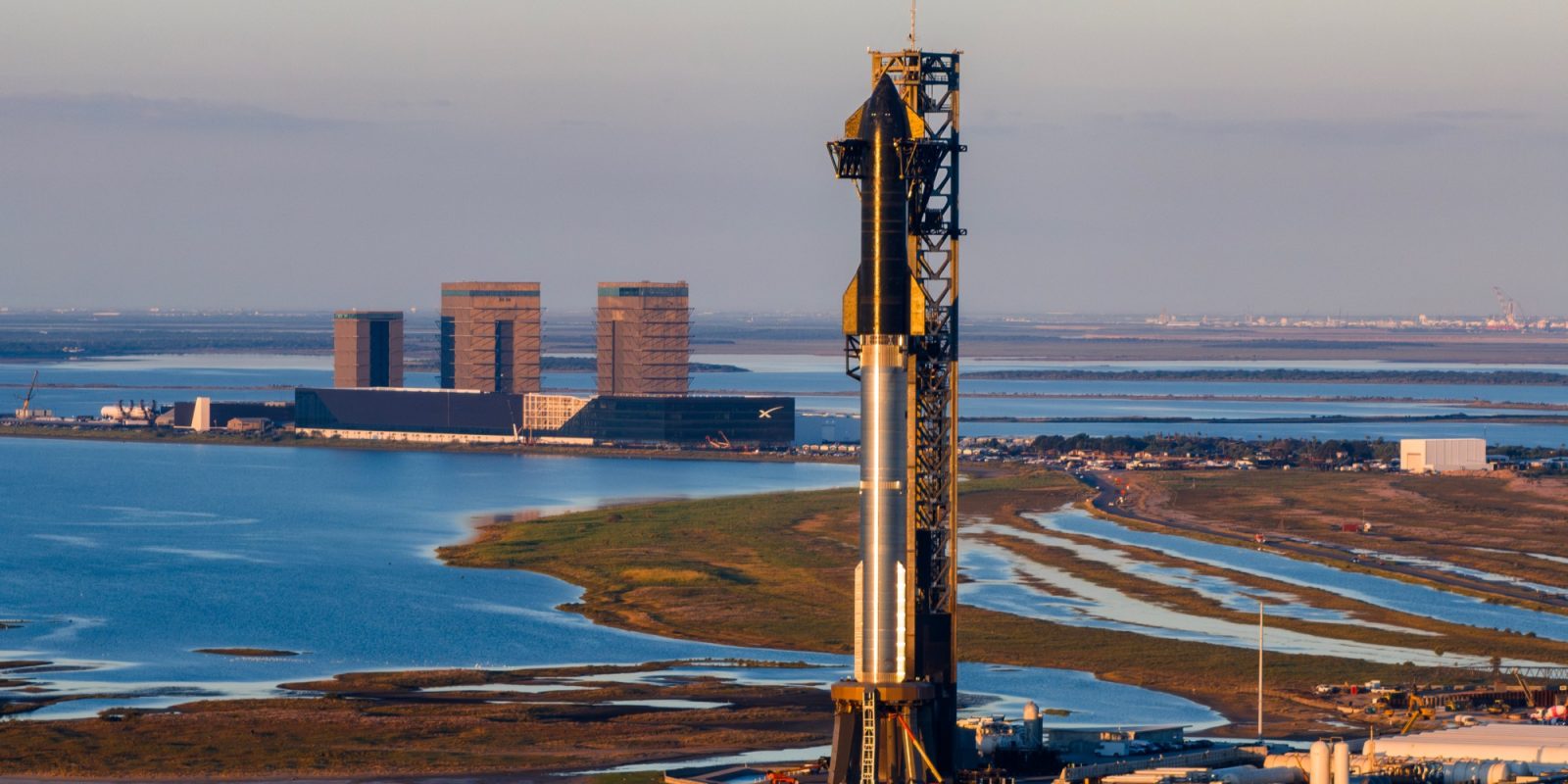
Sometime this year, SpaceX will officially hit the public market as what is the largest IPO in history. The company hopes to raise $75 million through share sales and continue to grow its valuation. But why does SpaceX think it’s worth so much?
Expand Expanding Close
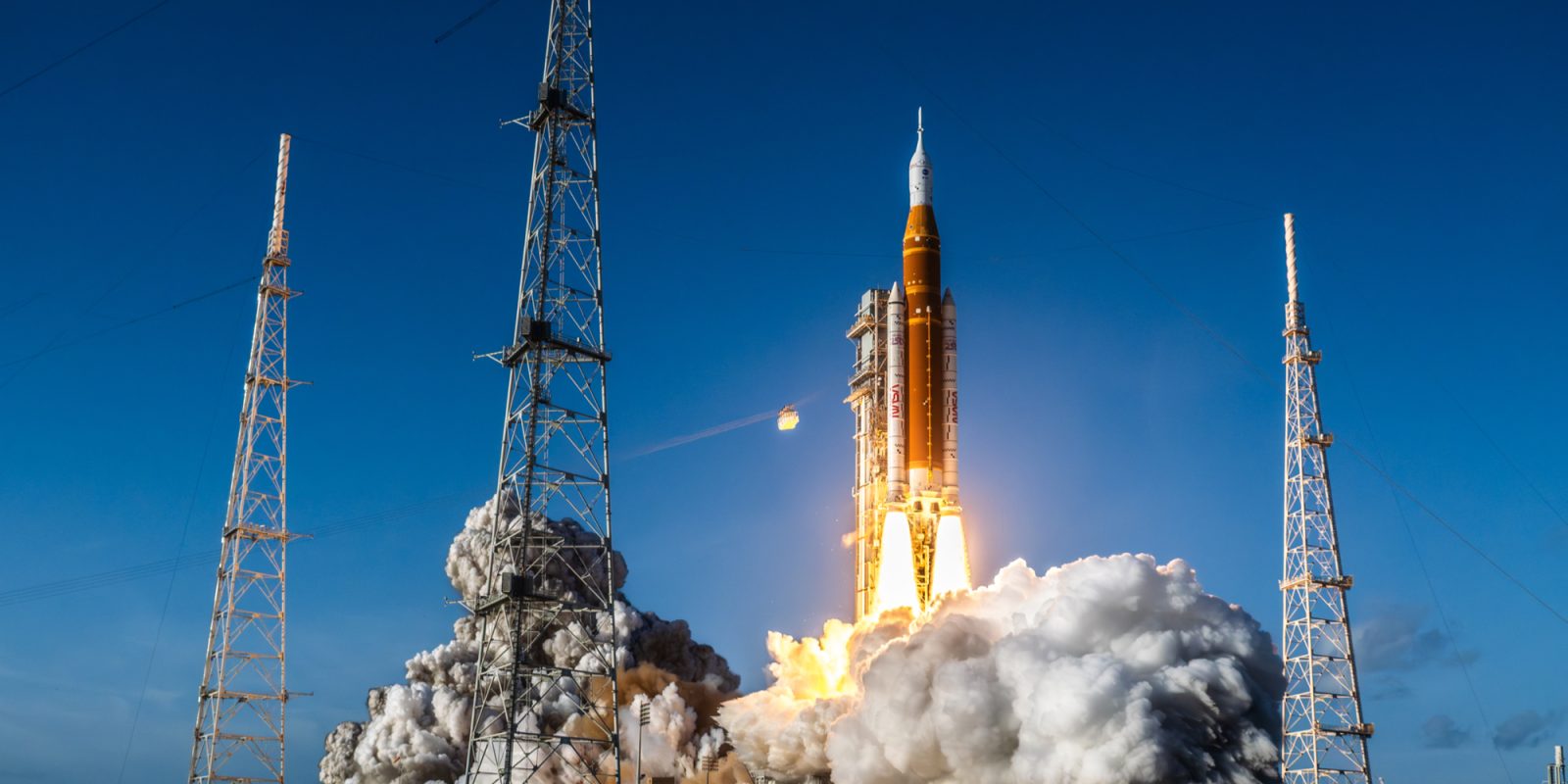
In the month of April, the US launched 18 rockets into space. Nearly all of them were successful. While the vast majority were for SpaceX Falcon 9s launching the company’s Starlink satellites, it was still a diverse set of rockets, including NASA’s Space Launch System, Blue Origin’s New Glenn, SpaceX’s Falcon Heavy, and ULA’s Atlas V.
Expand Expanding Close
Blue Origin is set to launch its third New Glenn rocket tomorrow, April 19, in the early morning hours. The mission will carry with it a satellite for AST SpaceMobile, but it will also fly something that has already flown before: the booster.
Expand Expanding Close
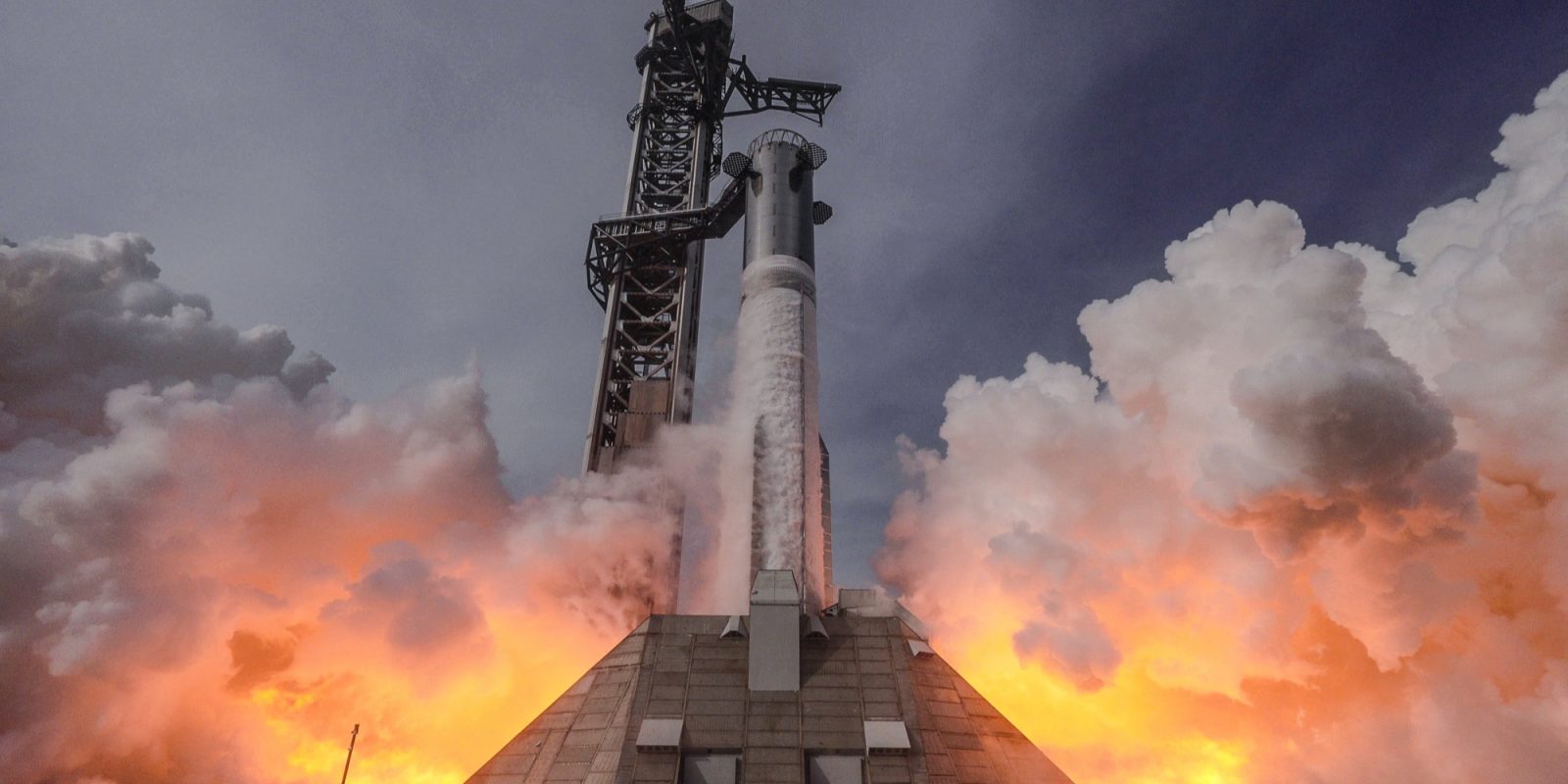
In what is likely the biggest week in Starship development since the last flight of its full rocket, SpaceX completed two static fires of its next-generation Starship rocket down in Starbase, Texas. Both tests are major steps forward in getting both the booster and upper stage, called the ship, ready for Starship flight 12.
Expand Expanding Close


