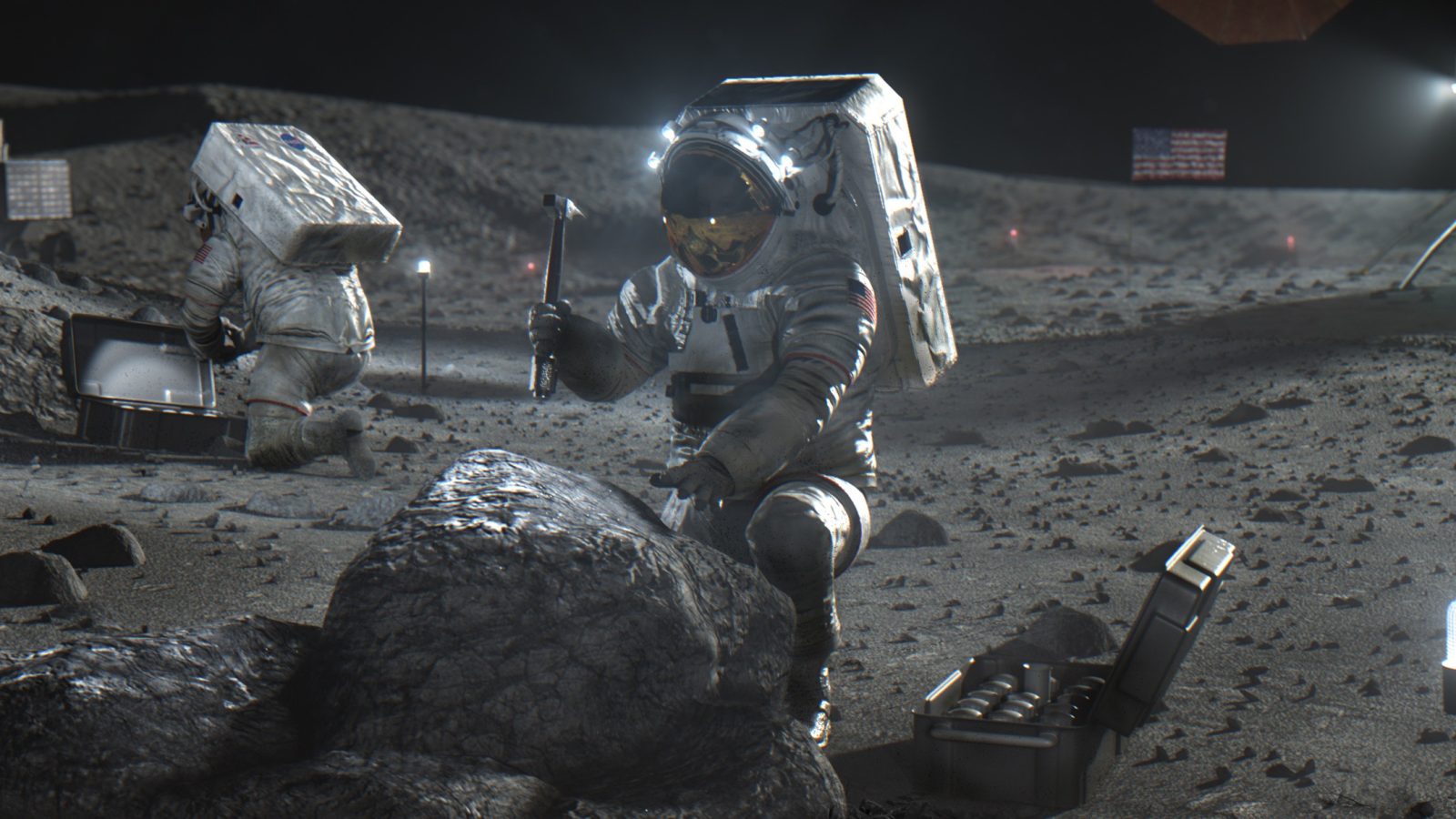
NASA is reportedly moving to simplify Axiom Space’s lunar spacesuit as the agency works toward returning astronauts to the surface of the Moon in 2028.
Expand Expanding CloseNASA and Axiom working on simplified suit for Artemis


Theresa Cross grew up on the Space Coast. It’s only natural that she would develop a passion for anything “Space” and its exploration. During these formative years, she also discovered that she possessed a talent and love for defining the unique quirks and intricacies that exist in mankind, nature, and machines.
Hailing from a family of photographers—including her father and her son, Theresa herself started documenting her world through pictures at a very early age. As an adult, she now exhibits an innate photographic ability to combine what appeals to her heart and her love of technology to deliver a diversified approach to her work and artistic presentations.
Theresa has a background in water chemistry, fluid dynamics, and industrial utility.
NASA is reportedly moving to simplify Axiom Space’s lunar spacesuit as the agency works toward returning astronauts to the surface of the Moon in 2028.
Expand Expanding Close
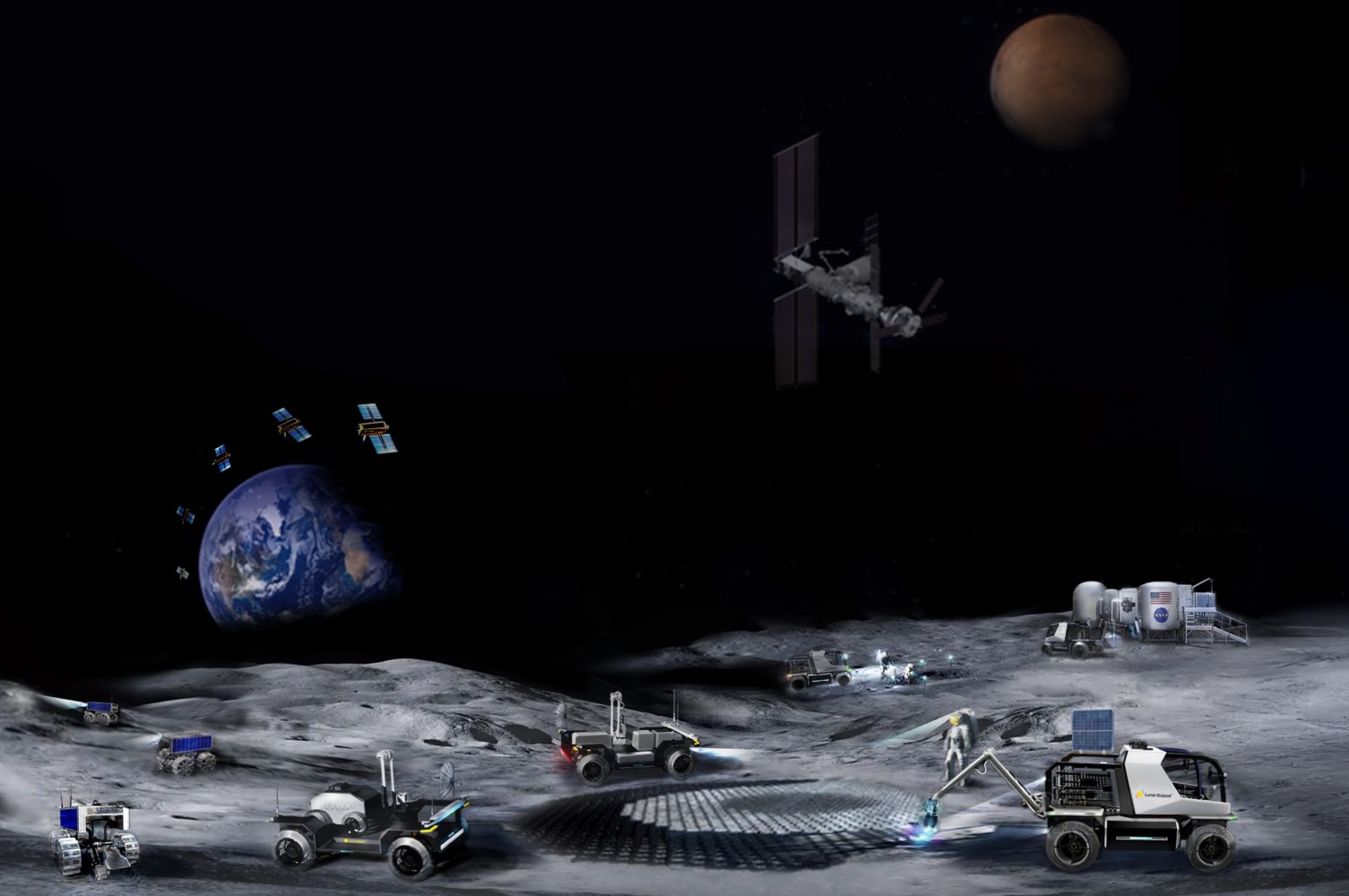
Lunar Outpost has appointed a high-ranking former U.S. military space official to help guide its expanding lunar mobility infrastructure projects.
Expand Expanding Close
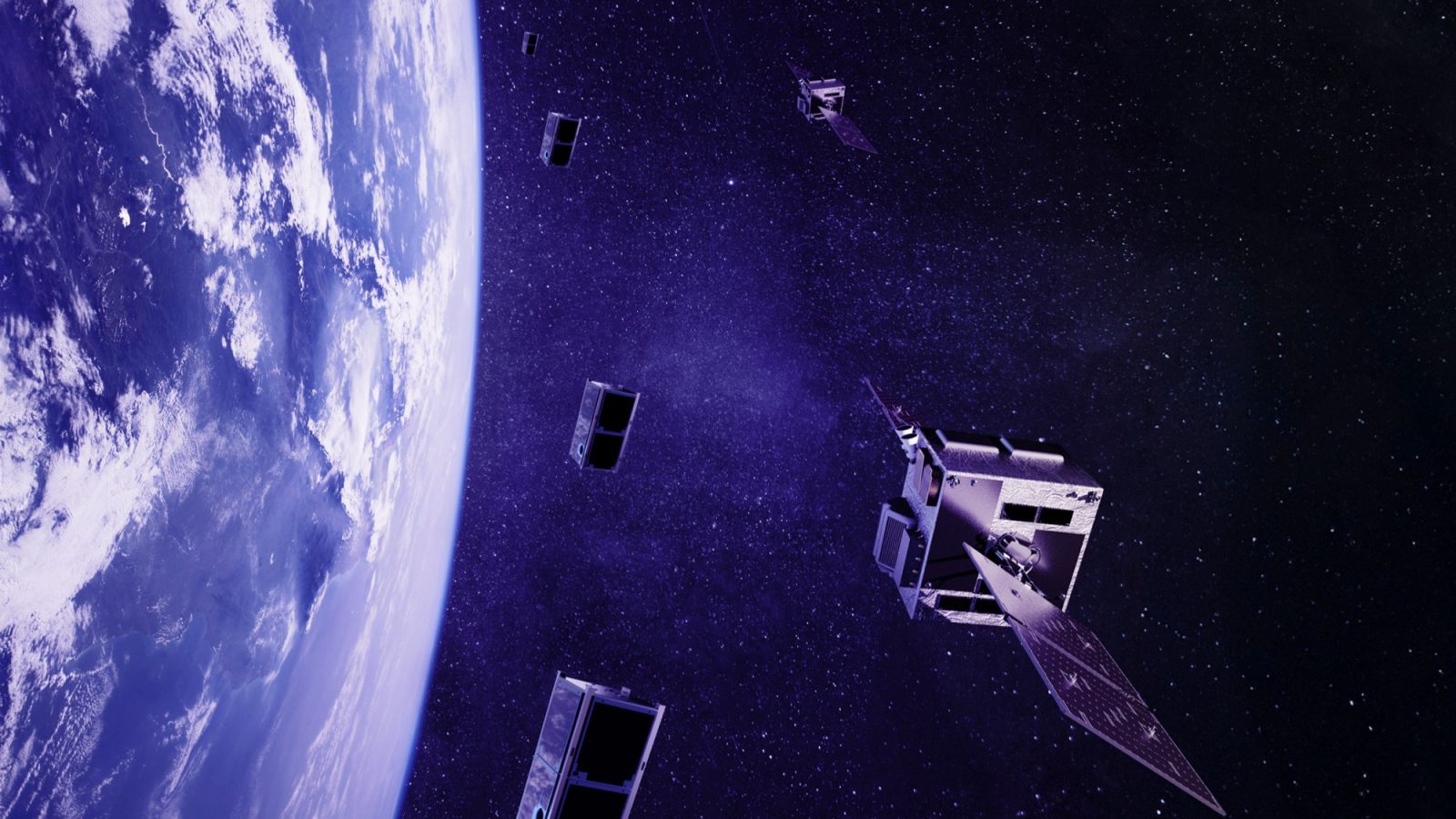
Voyager Technologies has won a U.S. Space Force contract to develop capabilities to allow satellites to communicate directly with other spacecraft in orbit.
Expand Expanding Close
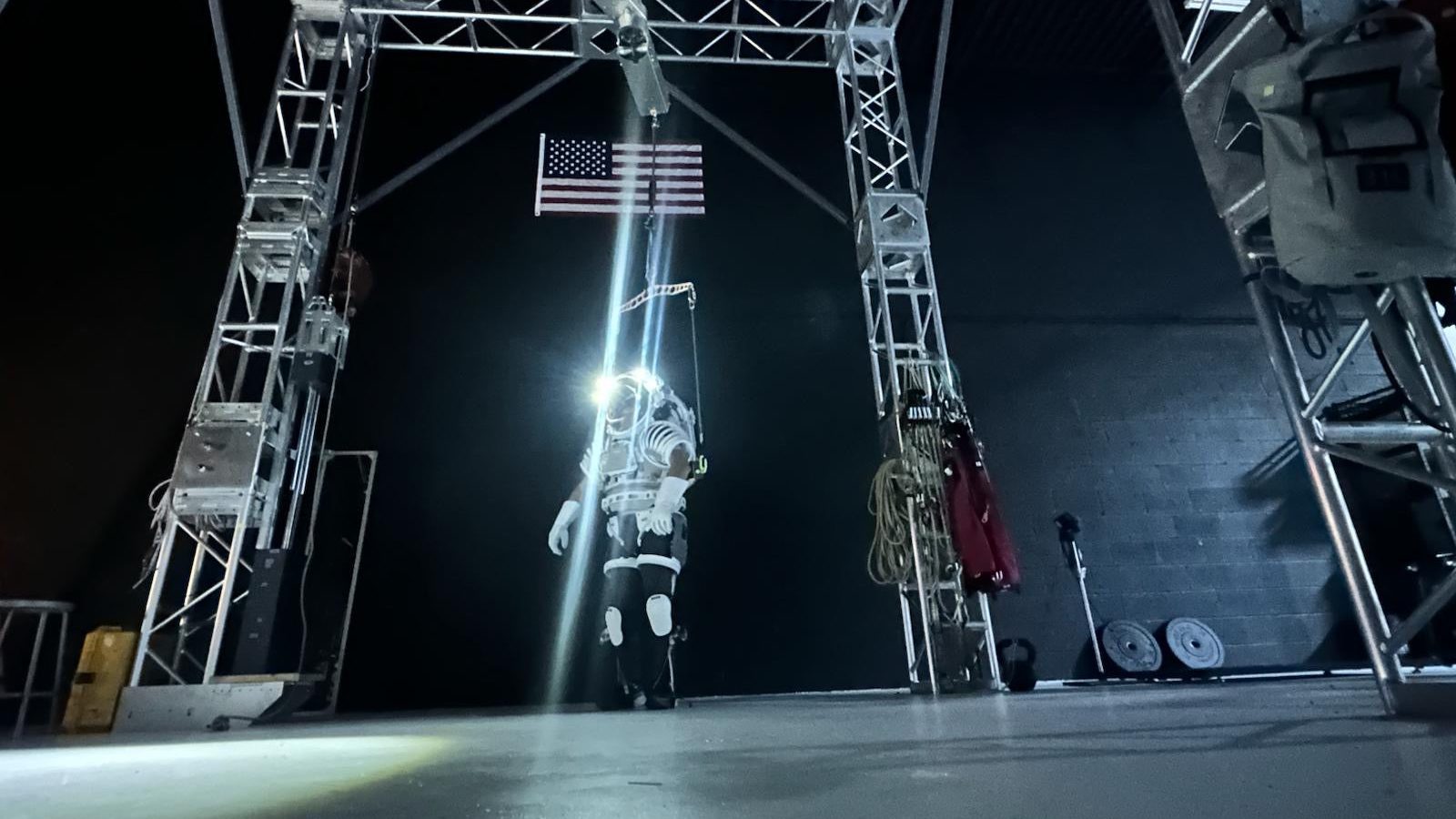
Before astronauts step onto the lunar surface, a Massachusetts engineering firm is using a gravity-defying simulator to ensure they can actually do their jobs once they arrive. By mimicking the Moon’s one-sixth gravity on Earth, Atlas Devices is helping engineers solve the ergonomic challenges that will ultimately dictate the success of crewed lunar exploration.
Expand Expanding Close
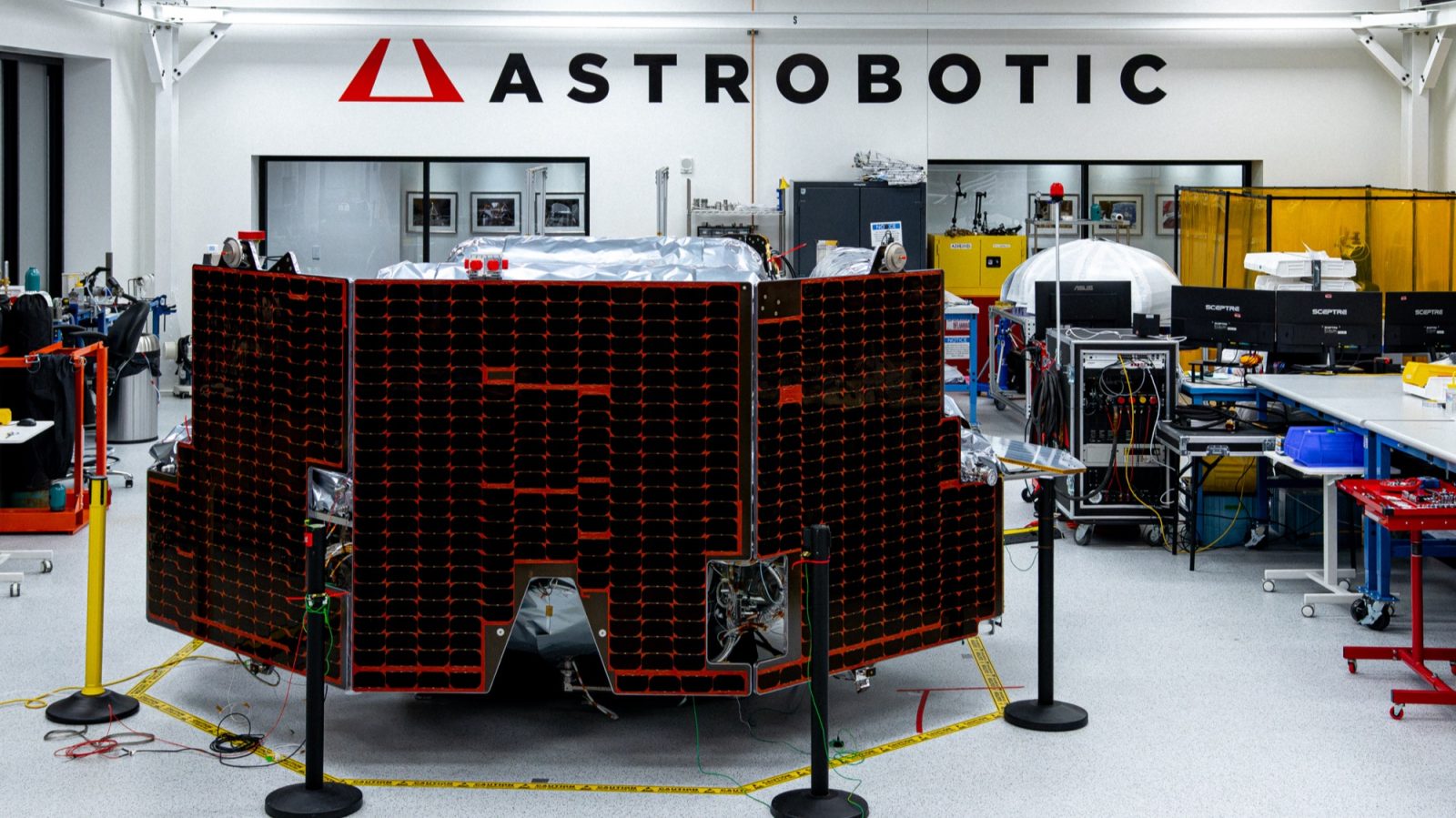
When people think about NASA’s Artemis program, they usually picture astronauts exploring the lunar surface. But before astronauts can live and work on the Moon for weeks at a time, someone has to deliver the equipment they’ll need. Astrobotic’s Griffin lunar lander is designed to do exactly that.
Expand Expanding Close
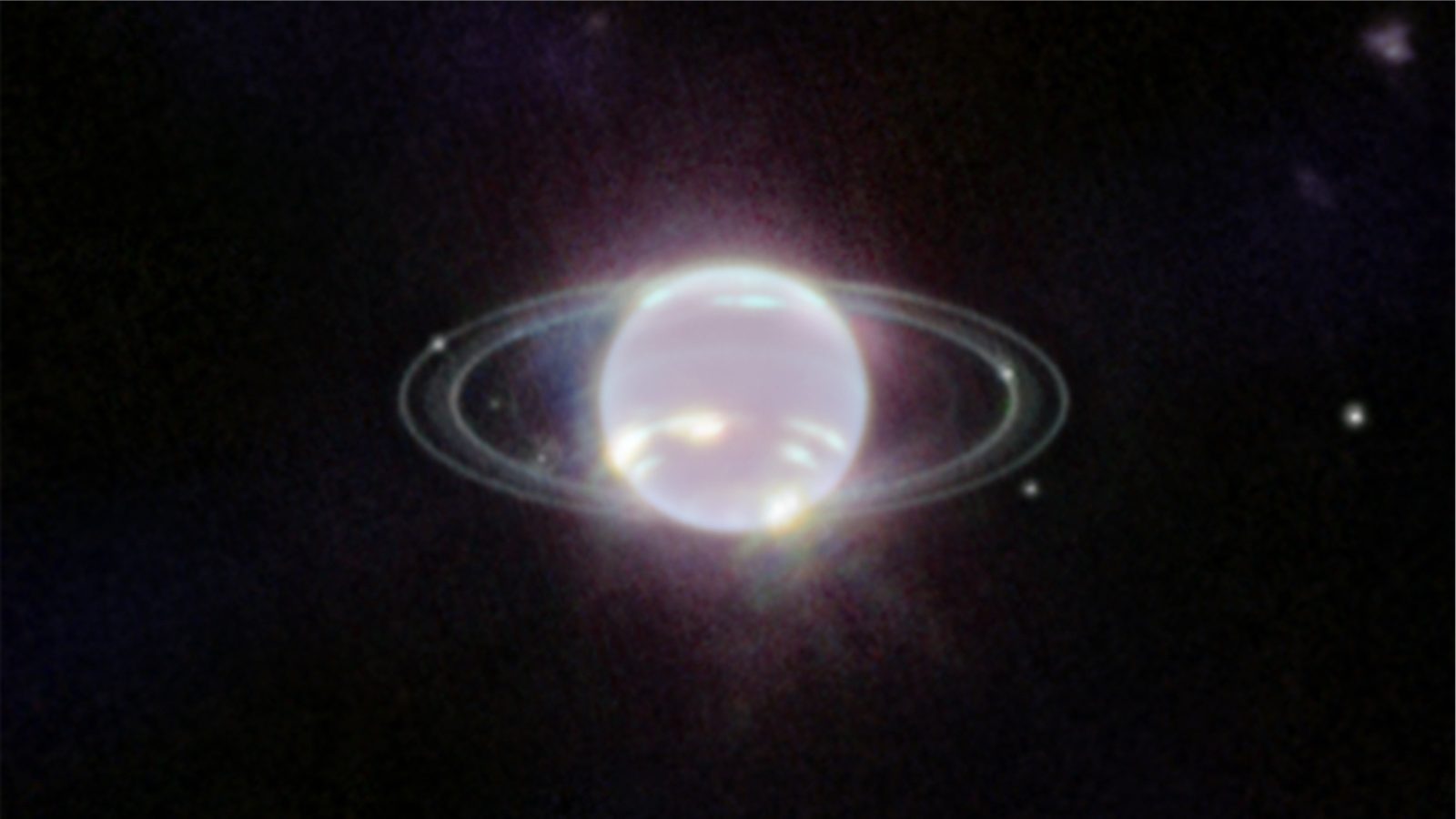
More than three decades after Voyager 2 became the only spacecraft to fly past Neptune, NASA’s James Webb Space Telescope is revealing that the distant ice giant may have experienced one of the most dramatic events in the solar system’s history.
Expand Expanding Close
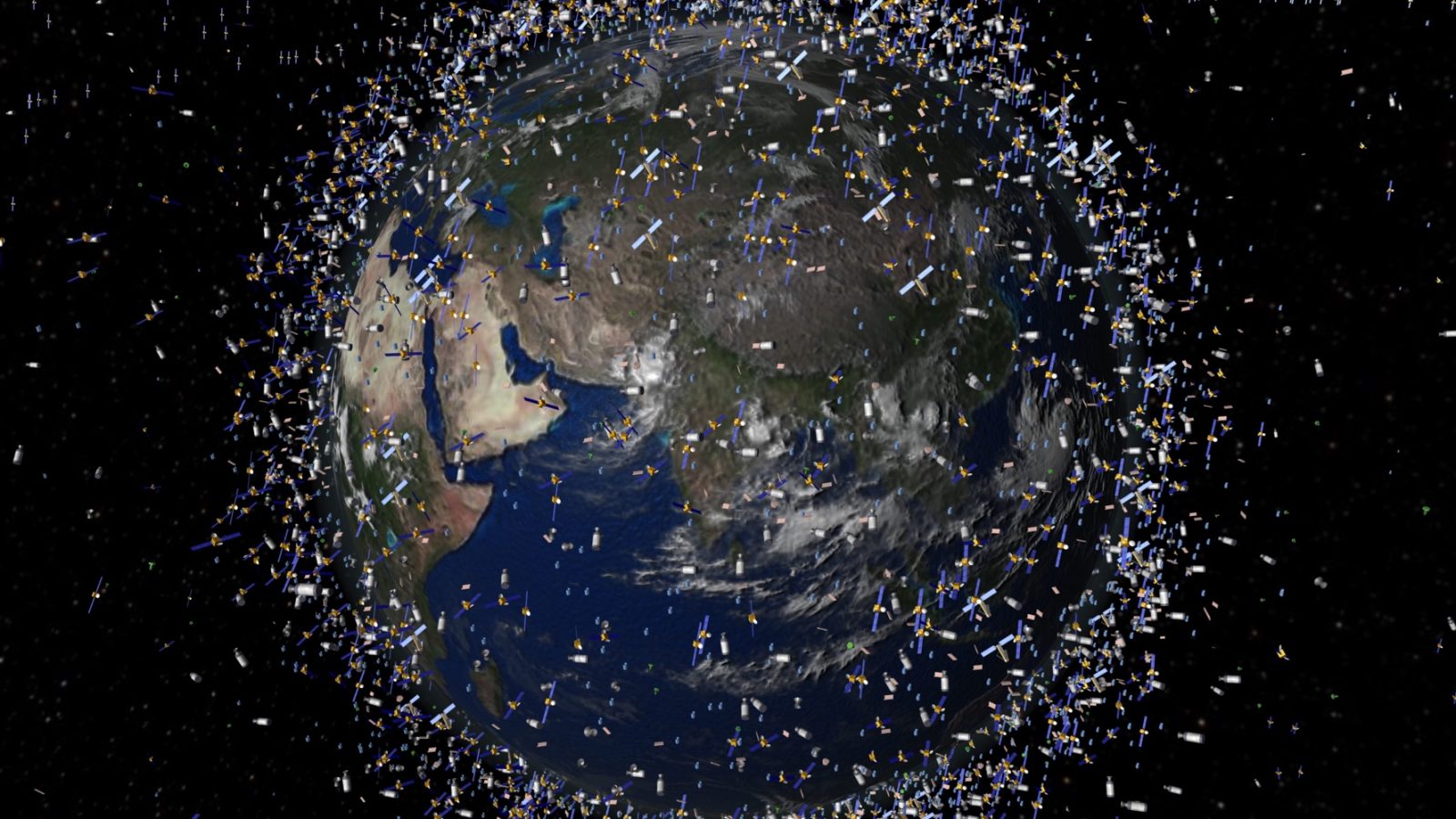
Earth’s orbit is getting more crowded by the week, and NASA is no longer just talking about the problem. It’s working with industry to build the infrastructure to manage it. From its support of the Department of Commerce’s satellite tracking system to a growing roster of commercial partners developing technologies to clean up debris and dodge collisions, the agency’s approach to sustainability has moved from strategy into execution.
Expand Expanding Close
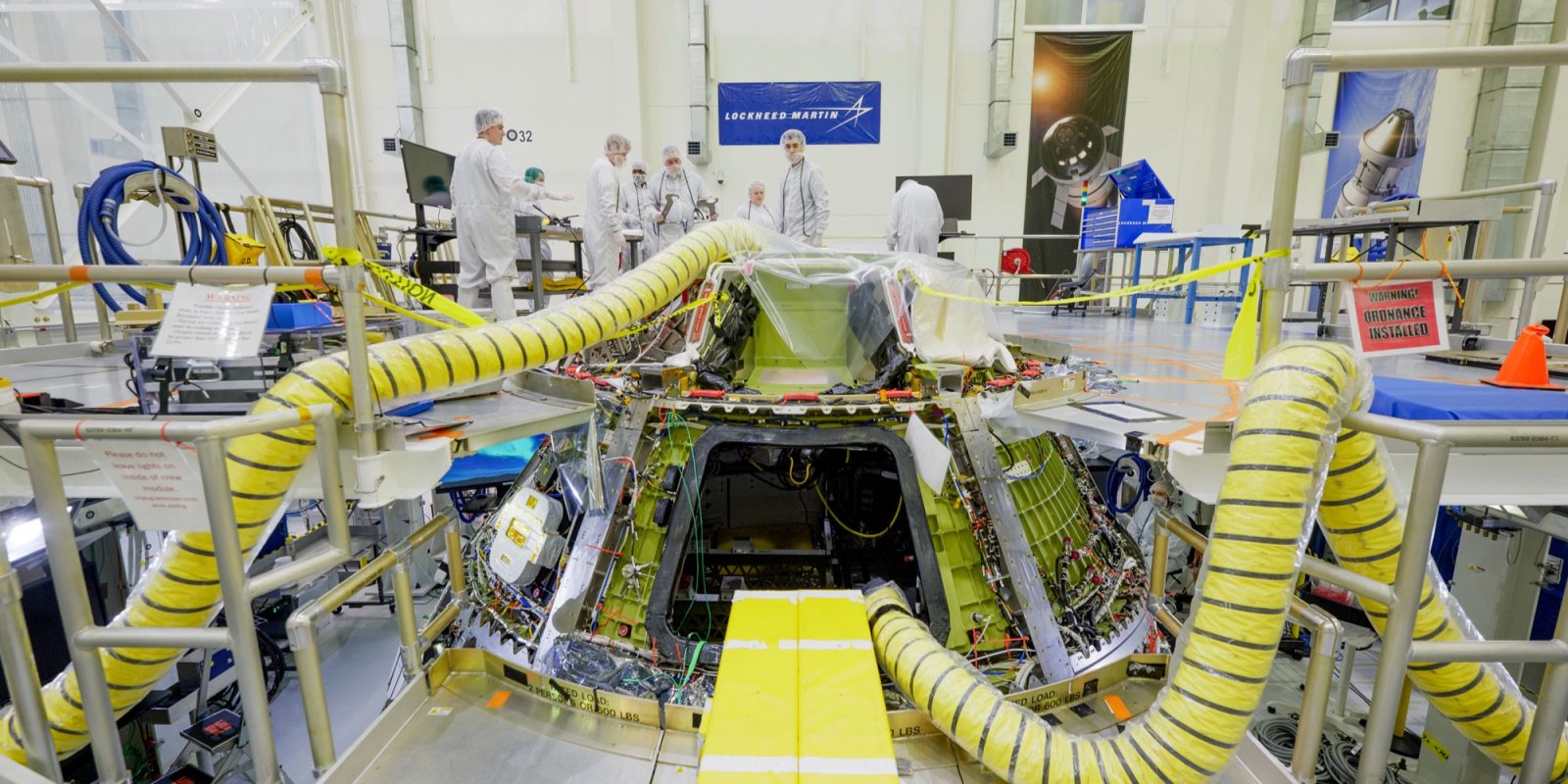
NASA has spent decades accomplishing what many thought was impossible: landing astronauts on the Moon, exploring the outer planets, and building some of the most advanced spacecraft. But today, one of the agency’s biggest challenges isn’t technology – it’s maintaining the workforce behind it.
Expand Expanding Close
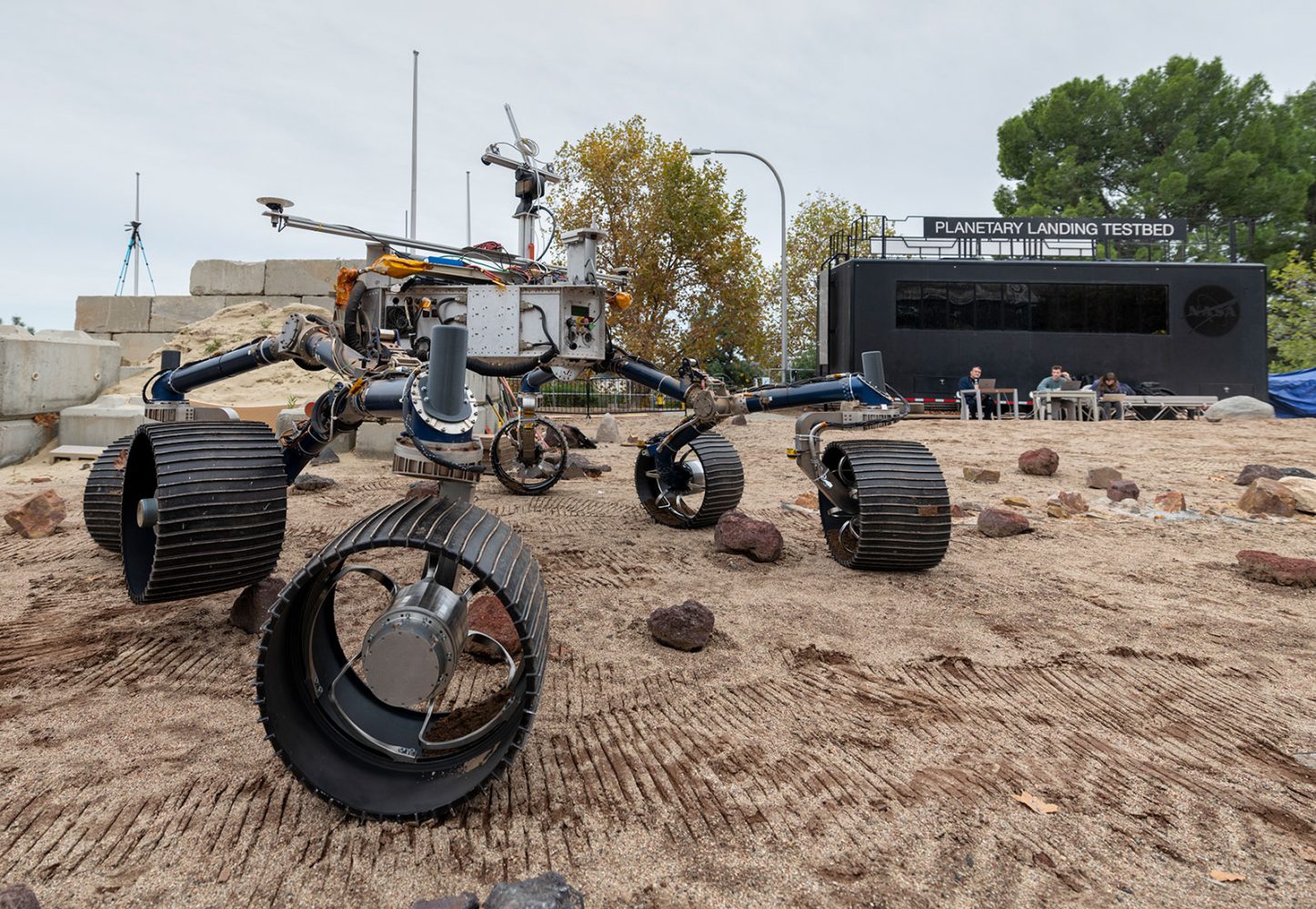
NASA has a new idea for a lunar rover, but the vehicle itself is already familiar. During a June 30 Moon Base update, the agency unveiled PROMISE – the Polar Rover for Observation, Mapping, and In-Situ Exploration. The proposed rover mission began life as an Earth-based engineering testbed at NASA’s Jet Propulsion Laboratory in Southern California, and is being studied to see if it can be modified to survive on the Moon.
Expand Expanding Close
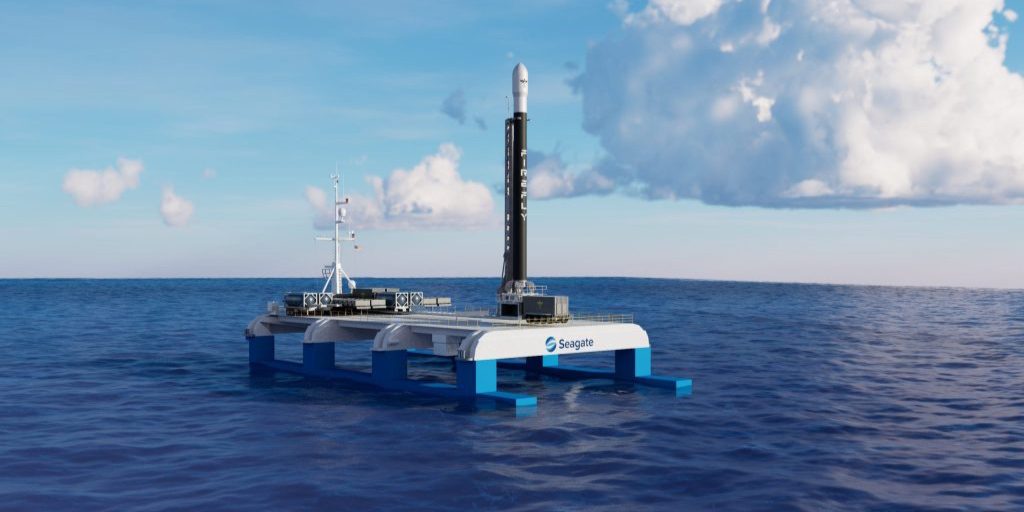
Florida’s aerospace development agency, Space Florida, has approved a strategic investment in Seagate Space, a St. Petersburg startup developing offshore launch infrastructure, signaling growing interest in ocean-based spaceports as launch demand continues to increase.
Expand Expanding Close
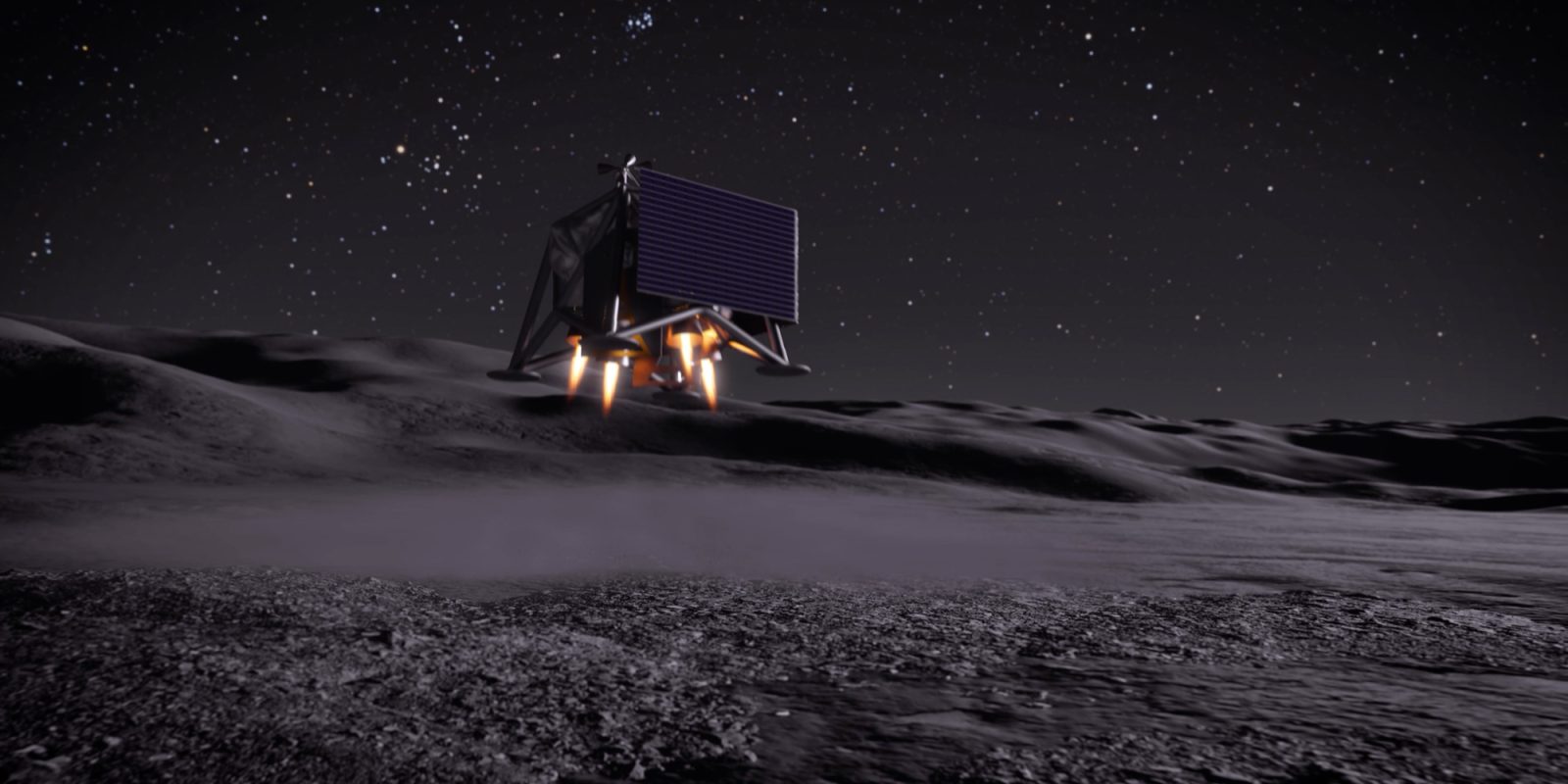
For decades, lunar exploration was defined by astronauts, rovers, and orbiters. But as NASA pushes deeper into the Artemis era, a new class of robotic explorer is quietly emerging, one that could significantly change how humanity navigates the Moon: small autonomous hopping drones.
Expand Expanding Close
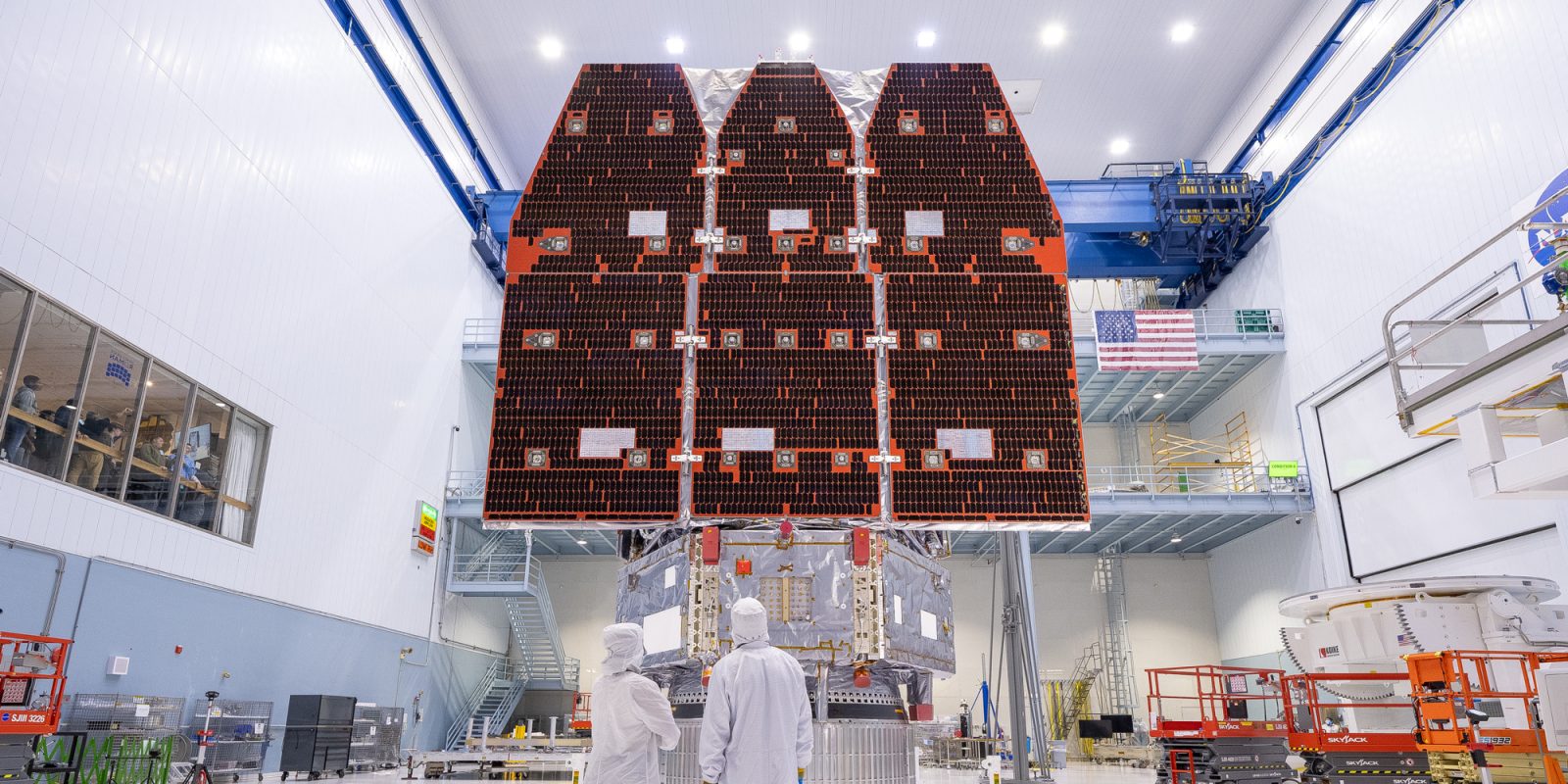
NASA’s next great observatory is no longer a distant concept sitting quietly in development labs. The Nancy Grace Roman Space Telescope is now entering its final stretch toward launch, and across the space community, anticipation around the mission has grown dramatically in recent months.
Expand Expanding Close
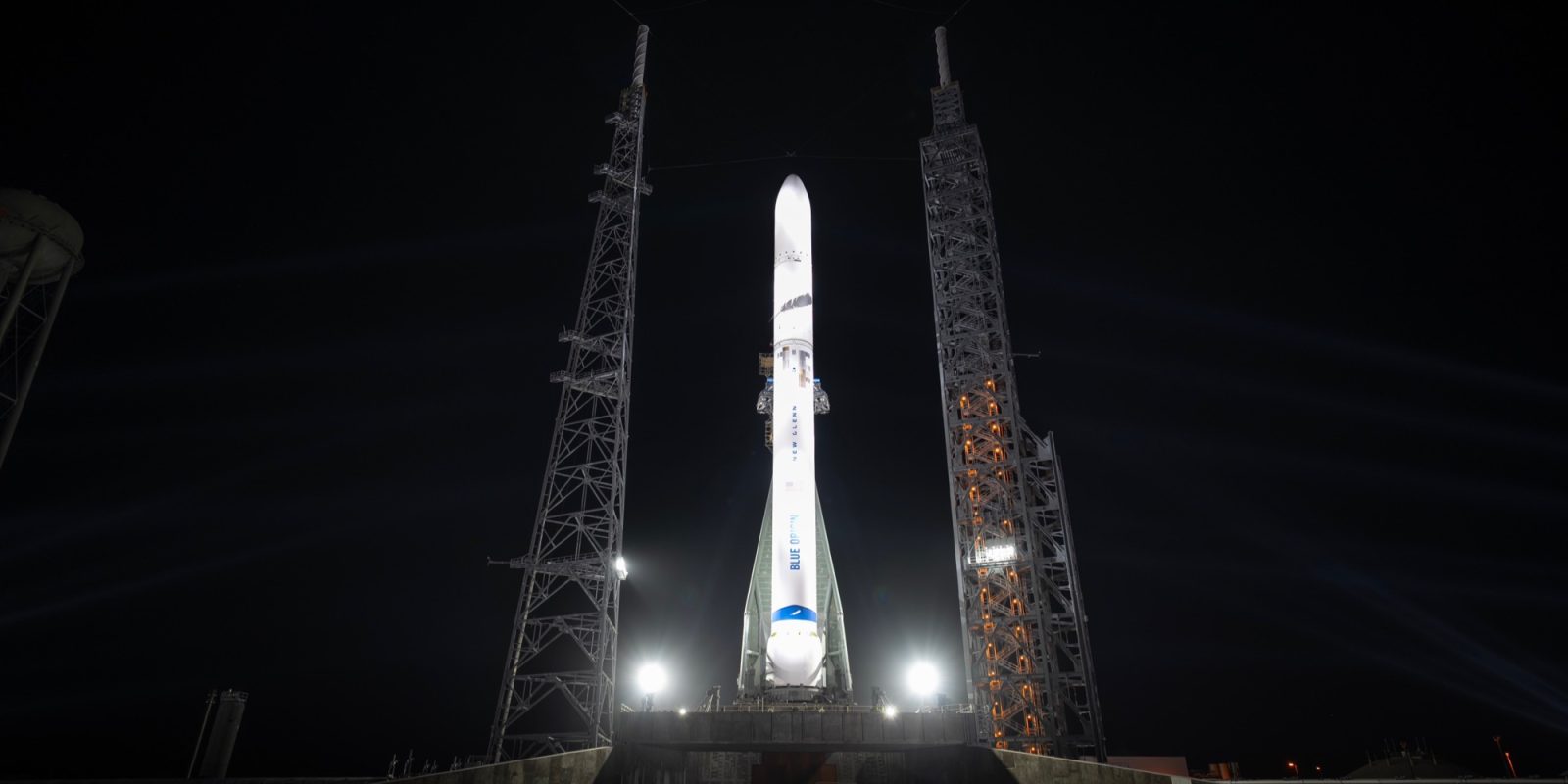
Blue Origin suffered a major blow last month when its New Glenn rocket experienced a catastrophic anomaly during a static fire test at Launch Complex 36 on Florida’s Space Coast. The test was being conducted without its mission payload attached – a batch of Amazon LEO internet satellites that had been scheduled for launch in early June.
Expand Expanding Close
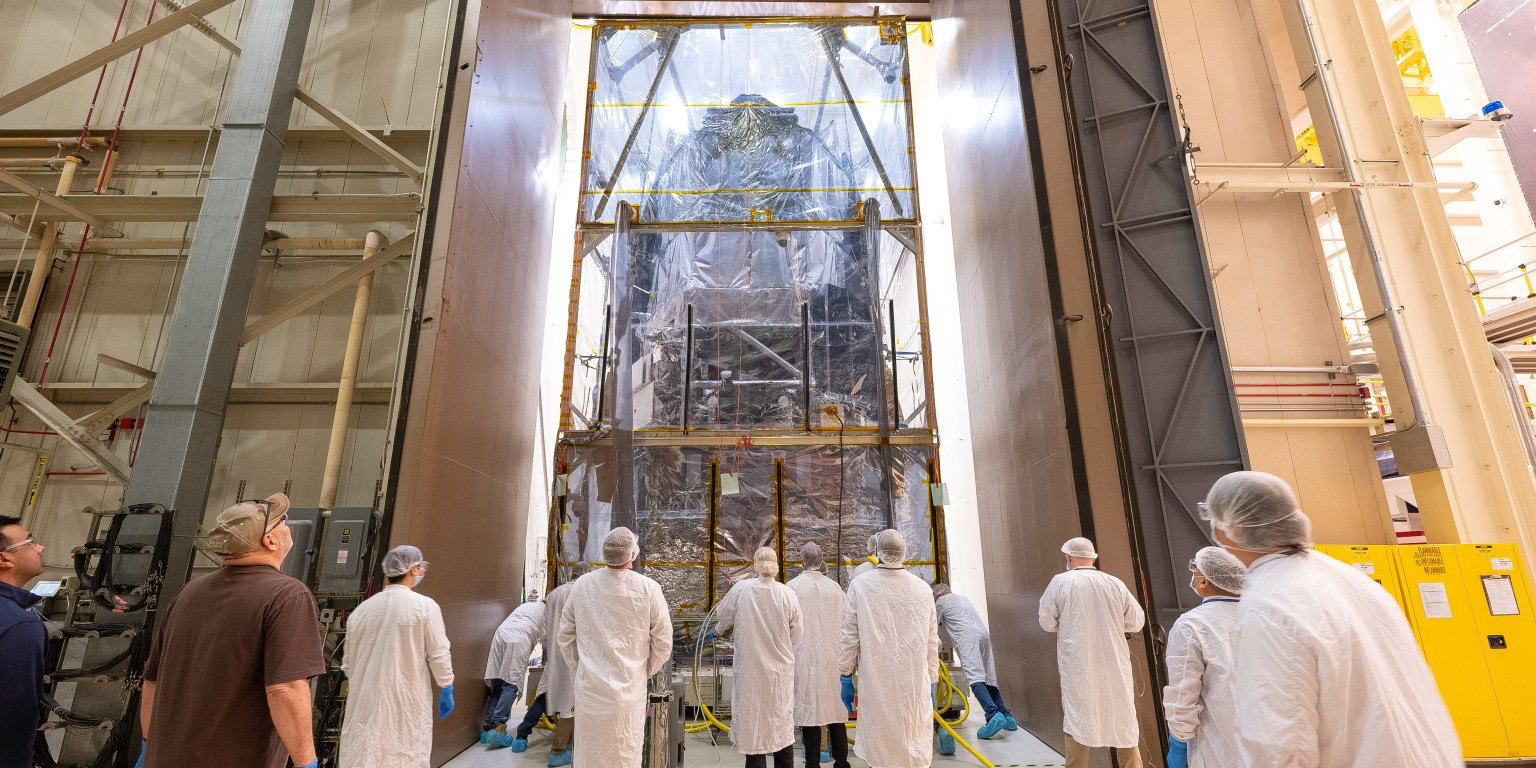
As NASA’s Nancy Grace Roman Space Telescope advances toward launch, the mission is beginning to transition from a completed observatory into an active scientific program. In recent weeks, the agency has opened the first round of community science proposals for the telescope.
Expand Expanding Close
As NASA’s Artemis program moves from planning into early missions, public attention tends to focus on the spacecraft carrying astronauts back to the Moon. Heavy-lift rockets, crew capsules, and lunar landers dominate the conversation around humanity’s return to deep space. Yet beneath those visible systems, another layer of the space economy is beginning to take shape.
Expand Expanding Close

At the edge of the Arctic, buried deep inside a frozen mountain on the Norwegian archipelago of Svalbard, lies one of humanity’s quietest insurance policies. The Svalbard Global Seed Vault stores more than a million seed samples from around the world to form a living archive designed to protect the genetic diversity of Earth’s crops in the event of disaster.
Expand Expanding Close
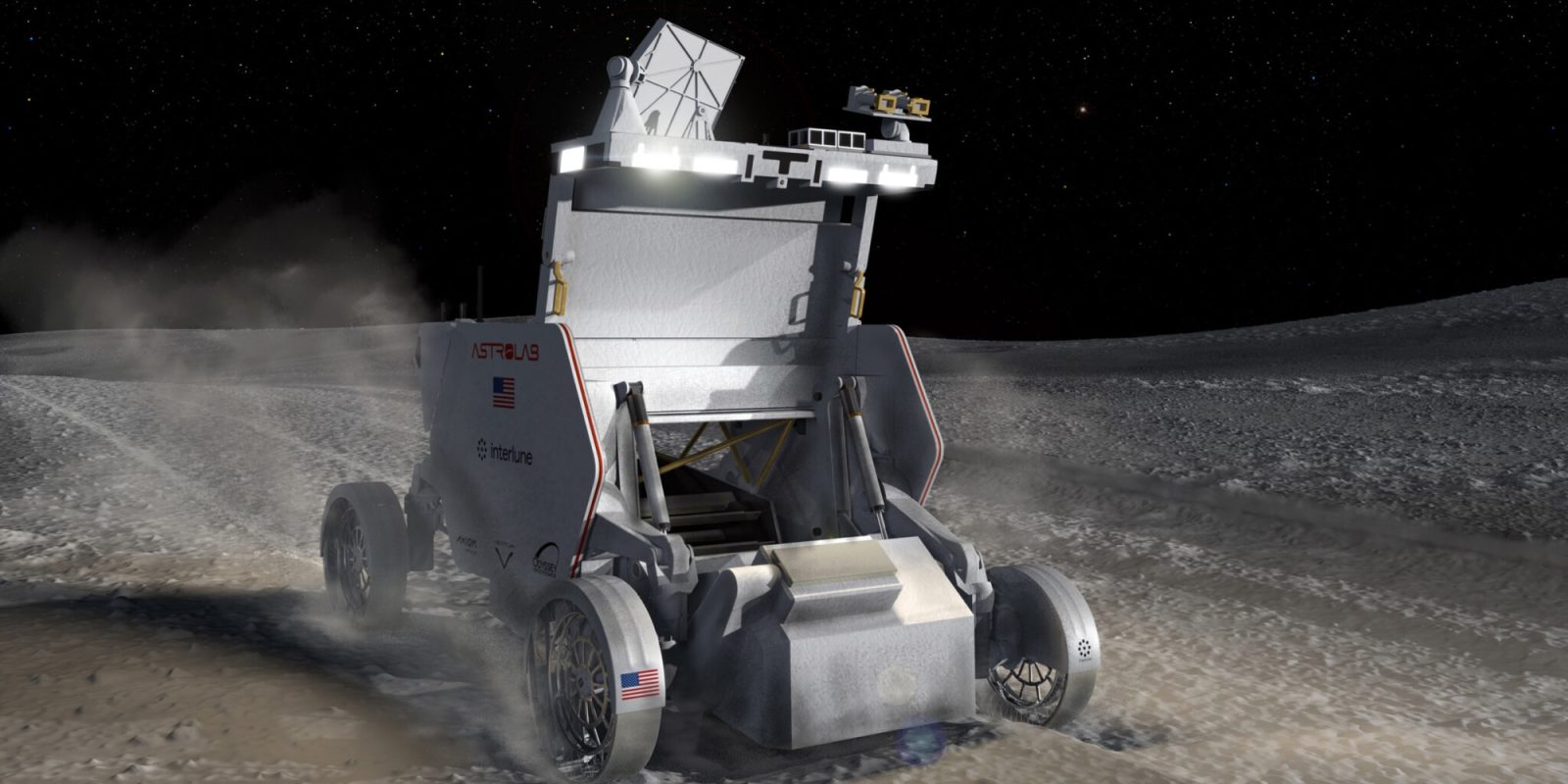
Astrolab and Interlune announced plans to collaborate on integrating excavation technology with Astrolab’s FLEX rover platform. Prototype testing is expected to take place at the Texas A&M University Space Institute, currently under construction near NASA’s Johnson Space Center in Houston.
Expand Expanding Close
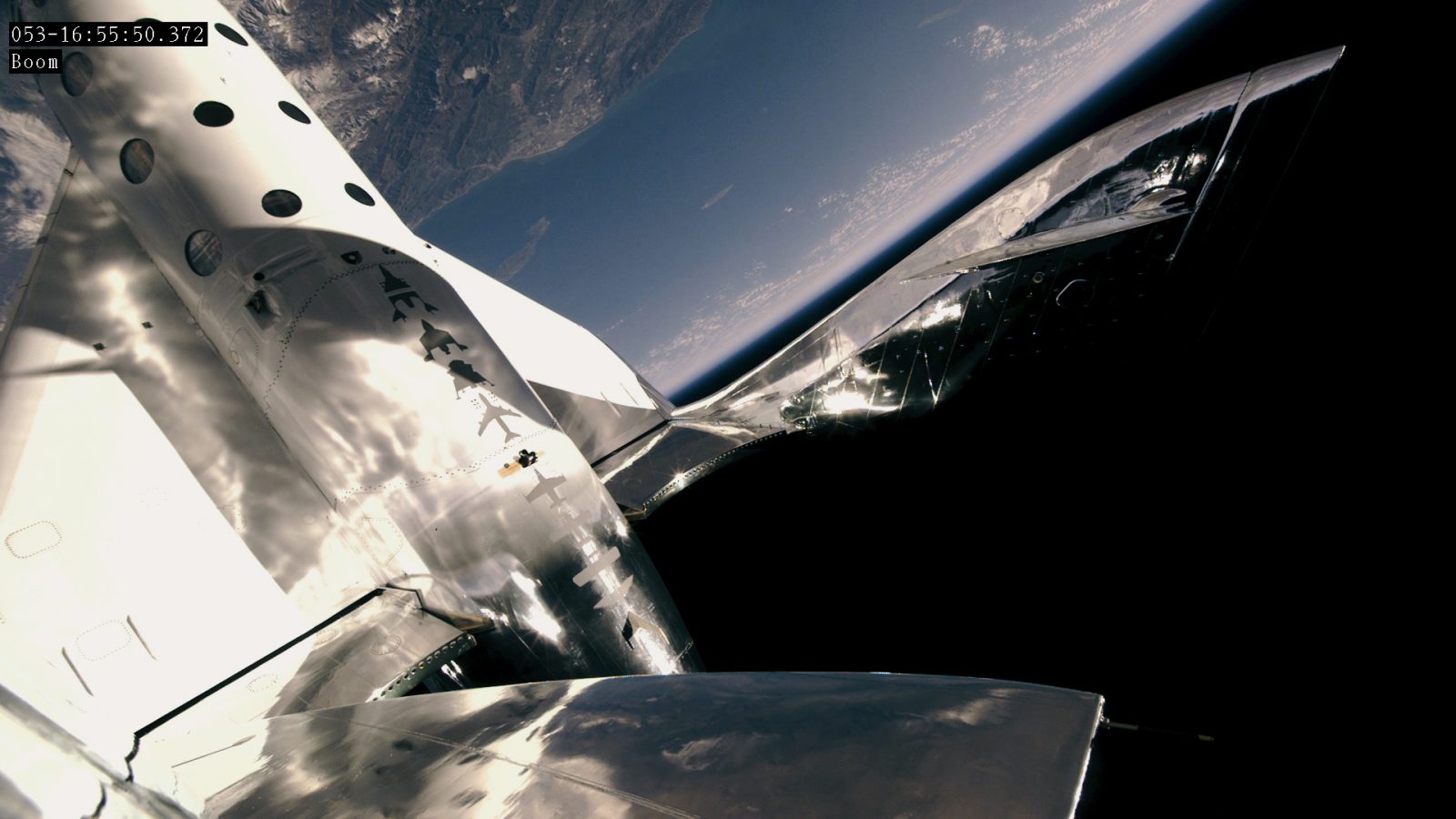
Virgin Galactic has become one of the most intriguing, controversial, and headline-grabbing players in the commercial space industry. Founded in 2004 as part of Richard Branson’s Virgin Group, the company set out to make space tourism a reality by flying paying customers to the edge of space on reusable suborbital spaceplanes. While its journey has been far from smooth, the company is positioning itself for a comeback in 2026 after an extended operational pause.
Expand Expanding Close
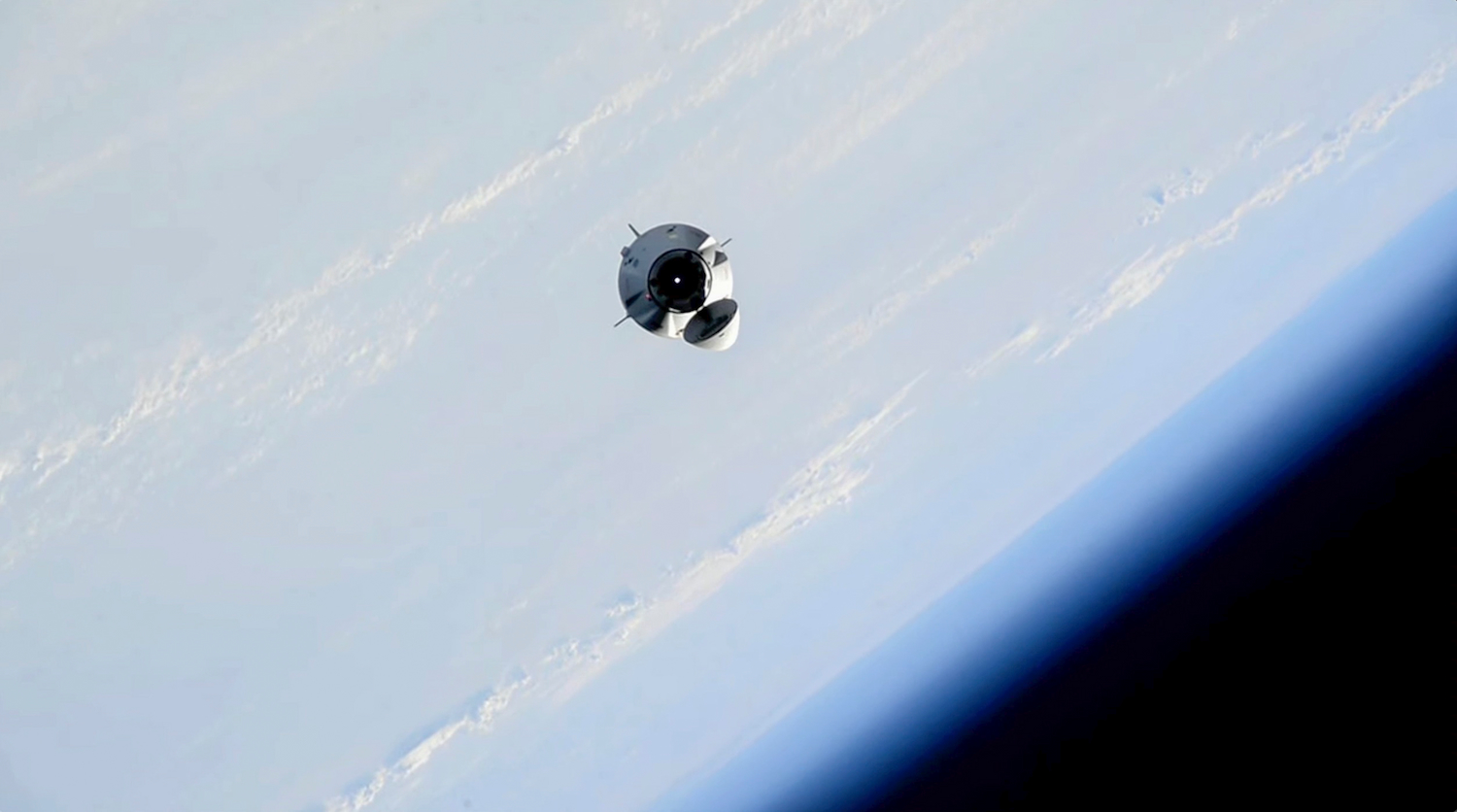
NASA has signed a contract with Vast for the sixth private astronaut mission to the International Space Station, with a launch targeted no earlier than summer 2027. The mission is expected to last up to 14 days in orbit and will fly aboard a SpaceX Falcon 9 rocket and Dragon spacecraft.
Expand Expanding Close
As NASA moves deeper into a new era of space-based astronomy, another flagship observatory is quietly approaching the launch pad. The Nancy Grace Roman Space Telescope, designed to survey the universe at a scale no previous space telescope has achieved, has completed assembly and is undergoing final environmental testing ahead of being shipped to Kennedy Space Center in Florida for a planned liftoff as soon as late 2026.
Expand Expanding Close

As NASA’s Artemis program moves forward, questions occasionally arise about the role of the Lunar Gateway, the planned lunar-orbiting station intended to support long-term exploration. It remains part of NASA’s publicly stated architecture, but it is also reasonable to examine what Artemis could look like if that element were delayed, scaled back, or ultimately not flown.
Expand Expanding Close
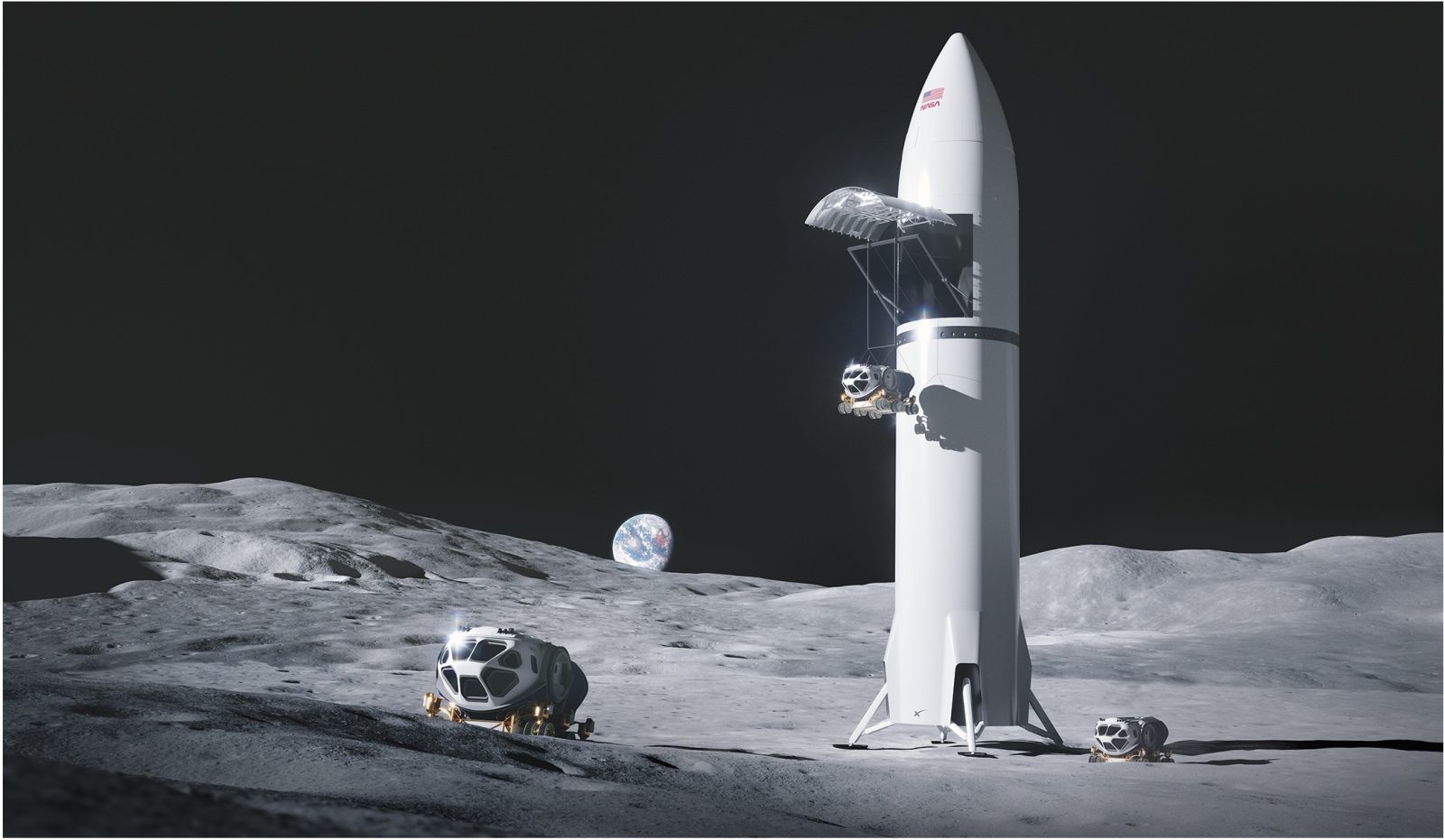
SpaceX is signaling a recalibration of its near-term priorities, placing renewed emphasis on the Moon as the fastest path toward a self-sustaining off-world settlement, while maintaining Mars as a longer-term objective. The shift is being framed not as a retreat from interplanetary ambition, but as a sequencing decision driven by logistics, cadence, and risk reduction.
Expand Expanding Close
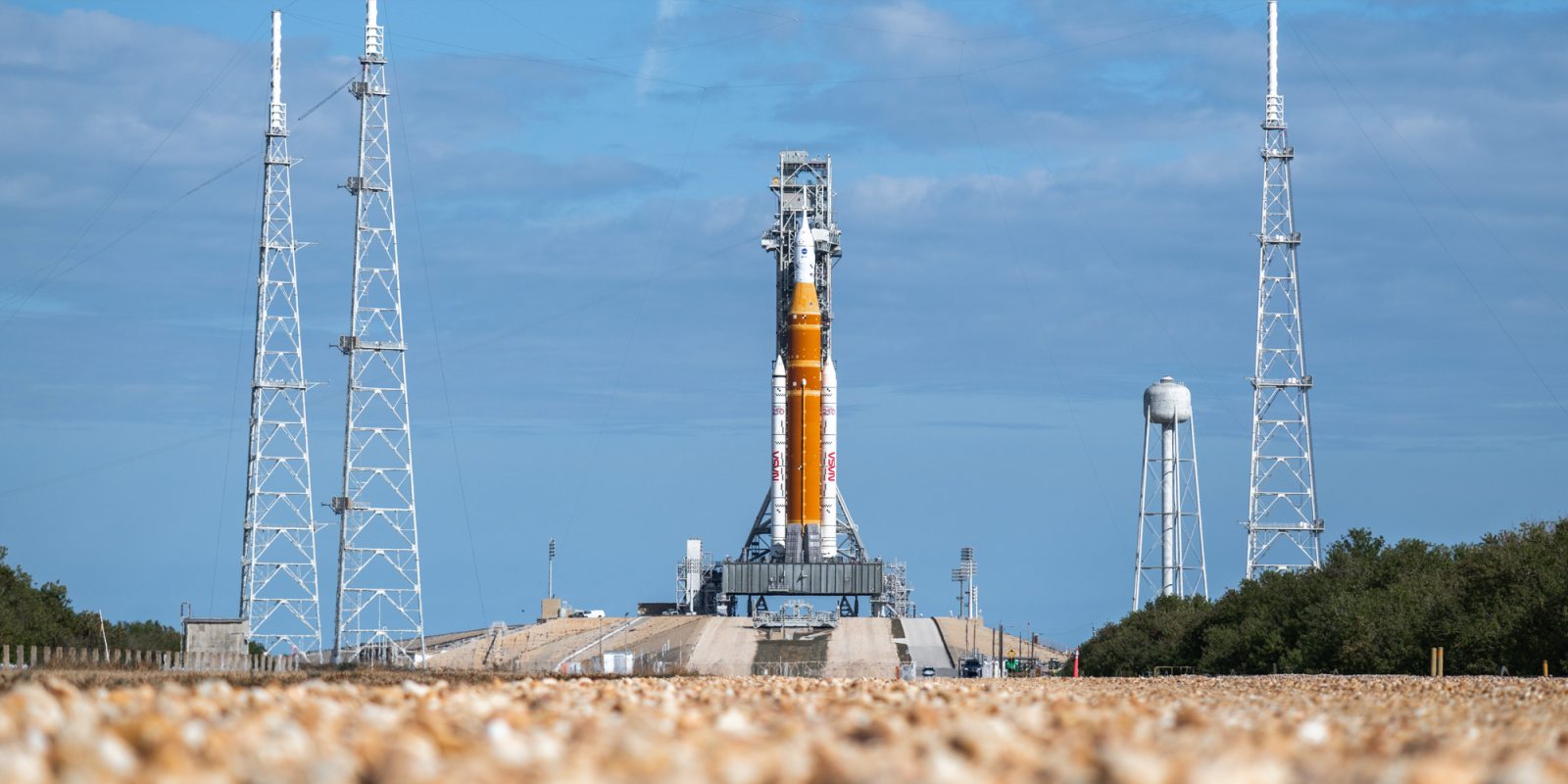
When people picture Artemis 2, the first human flight to the Moon in more than 50 years, they usually visualize Orion’s cone-shaped crew capsule riding atop NASA’s Space Launch System, the American heavy-lift rocket that gets it off the pad in Florida. But once Orion is in space, the mission quickly becomes a story of international systems engineering, with one of the most critical pieces being European-built.
Expand Expanding Close
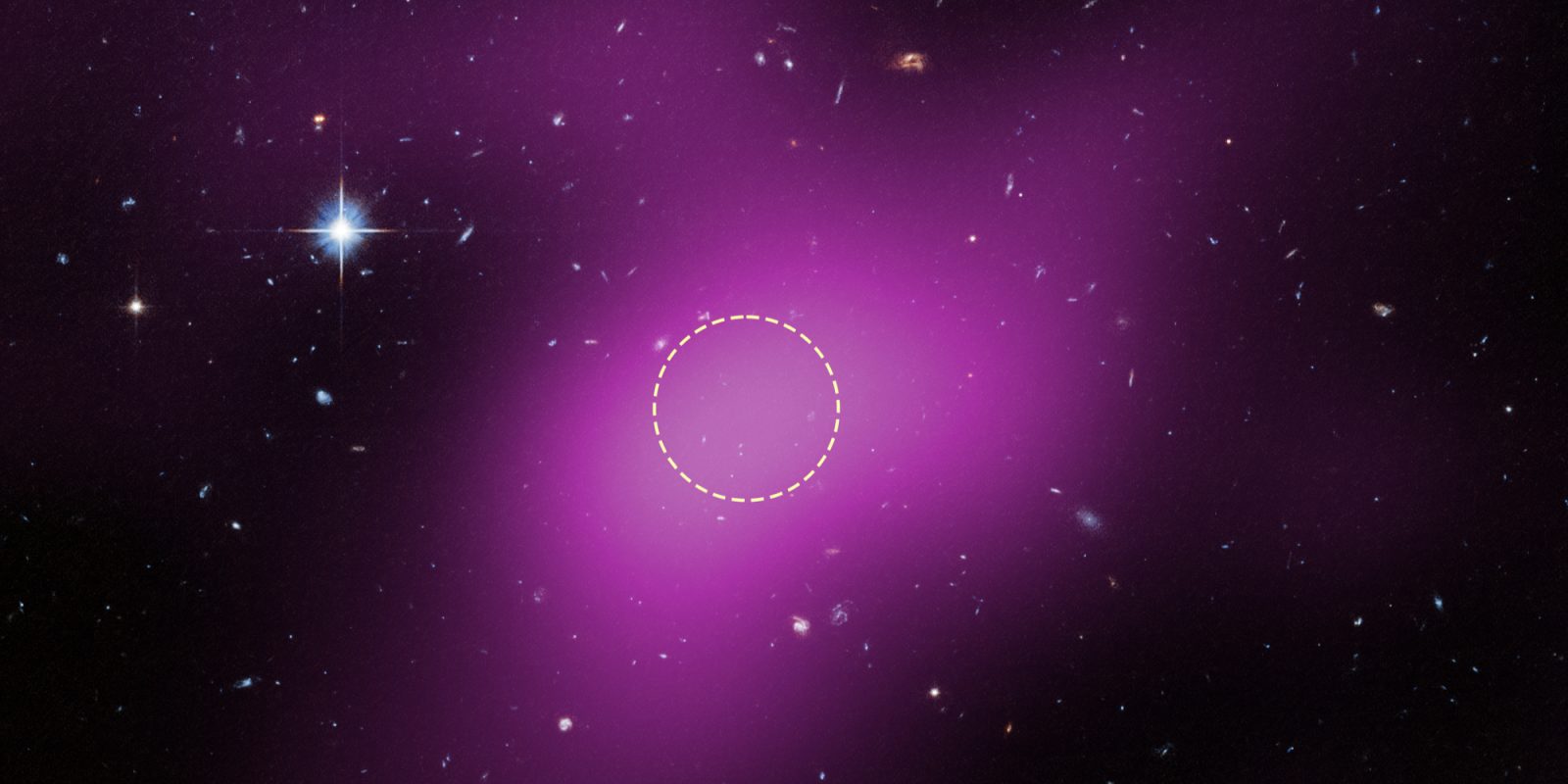
When astronomers talk about the “dark universe,” they’re usually referring to things that can’t be seen directly – dark matter, which makes up most of the universe’s mass, and the earliest stages of galaxy formation. Now, astronomers using NASA’s Hubble Space Telescope have helped confirm the existence of a rare object that connects both ideas: a starless, gas-rich structure dominated by dark matter, known as Cloud-9.
Expand Expanding Close