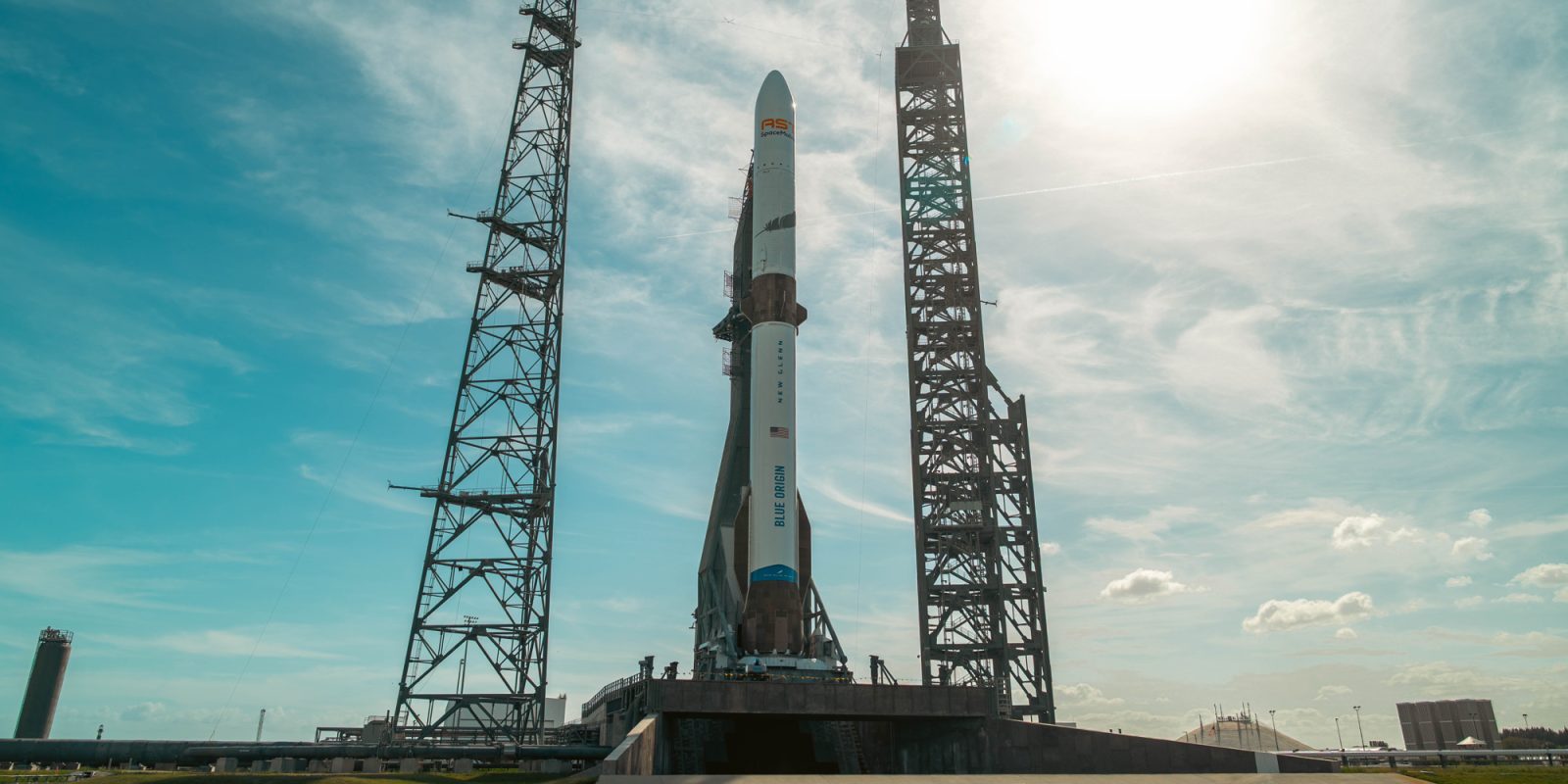
Blue Origin’s New Glenn rocket explodes on pad, topples lightning tower [Update: No injuries]



At the edge of the Arctic, buried deep inside a frozen mountain on the Norwegian archipelago of Svalbard, lies one of humanity’s quietest insurance policies. The Svalbard Global Seed Vault stores more than a million seed samples from around the world to form a living archive designed to protect the genetic diversity of Earth’s crops in the event of disaster.
Expand Expanding Close

NASA estimates that the Milky Way Galaxy is home to at least 100 billion planets. Others believe it could be anywhere from 200-300 billion. Using data from exoplanet-hunting missions such as Kepler, Gaia, and now James Webb, we can identify and confirm their existence. So, how many exoplanets have been discovered?
Expand Expanding Close
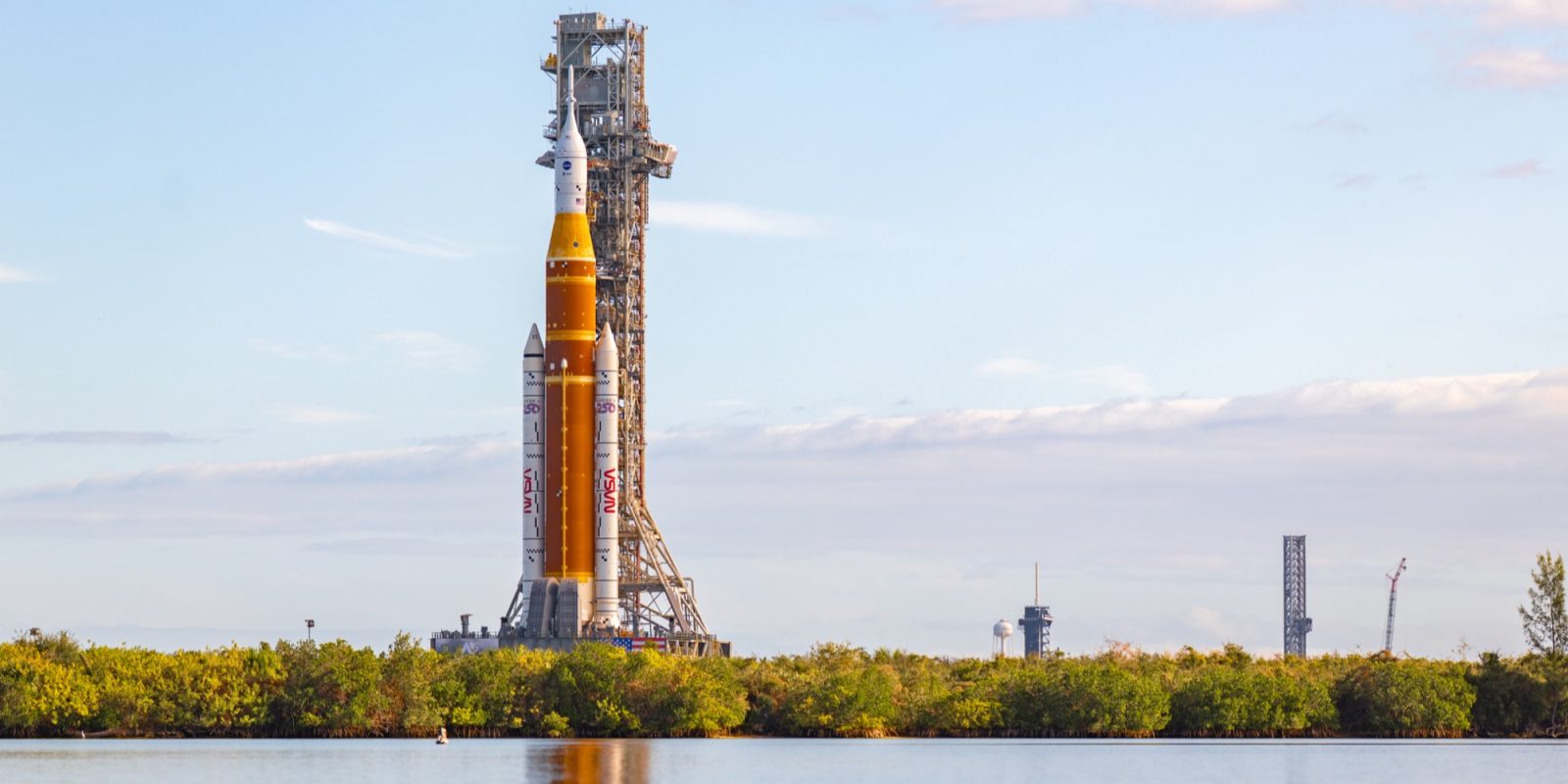
After a four-mile ride, Artemis 2‘s Space Launch System arrived at its launch site ahead of a pre-launch test that will determine when NASA’s return to human flights to the Moon can begin.
Expand Expanding Close

Early Thursday morning, the crew of SpaceX Crew-11 safely splashed down off the coast of California. The crew completed their long-duration mission on the International Space Station but had it cut short by a handful of weeks due to a crew medical concern, warranting an early return.
Expand Expanding Close

NASA shared the launch data available for its Artemis 2 mission to return astronauts to the lunar surface for the first time in over 50 years. There are a lot of stipulations regarding when Artemis 2’s SLS rocket can launch, which also means there are far fewer days than you may think.
Expand Expanding Close

NASA announced on January 8 that it will return its SpaceX Crew-11 mission to evacuate a crew member from the ISS after he suffered a medical concern on January 7.
Expand Expanding Close
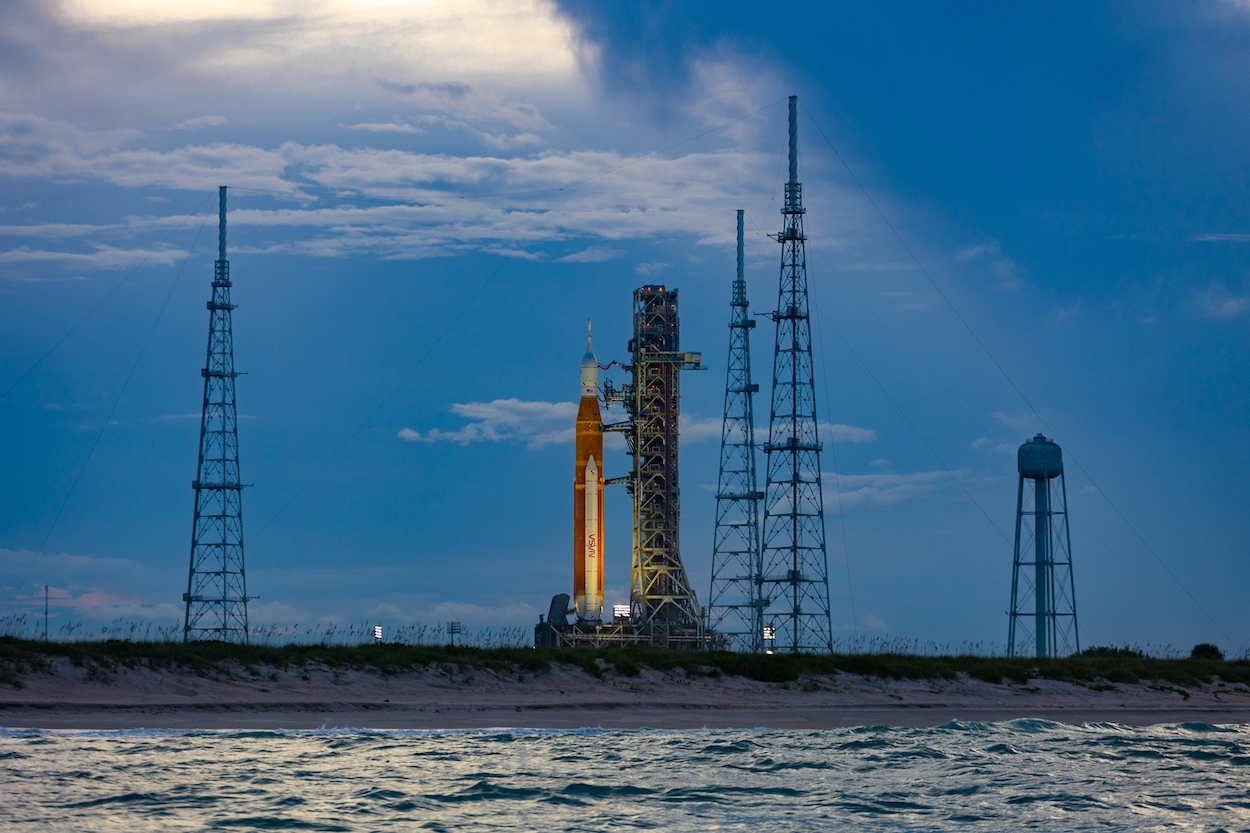
We’re getting closer and closer to the beginning of launch operations for NASA’s Artemis 2 mission around the Moon; the first crewed mission to the Moon since the 1970s. The rocket, NASA’s Space Launch System, will begin its launch readiness with its rollout to Launch Complex 39B in just a few weeks.
Expand Expanding Close
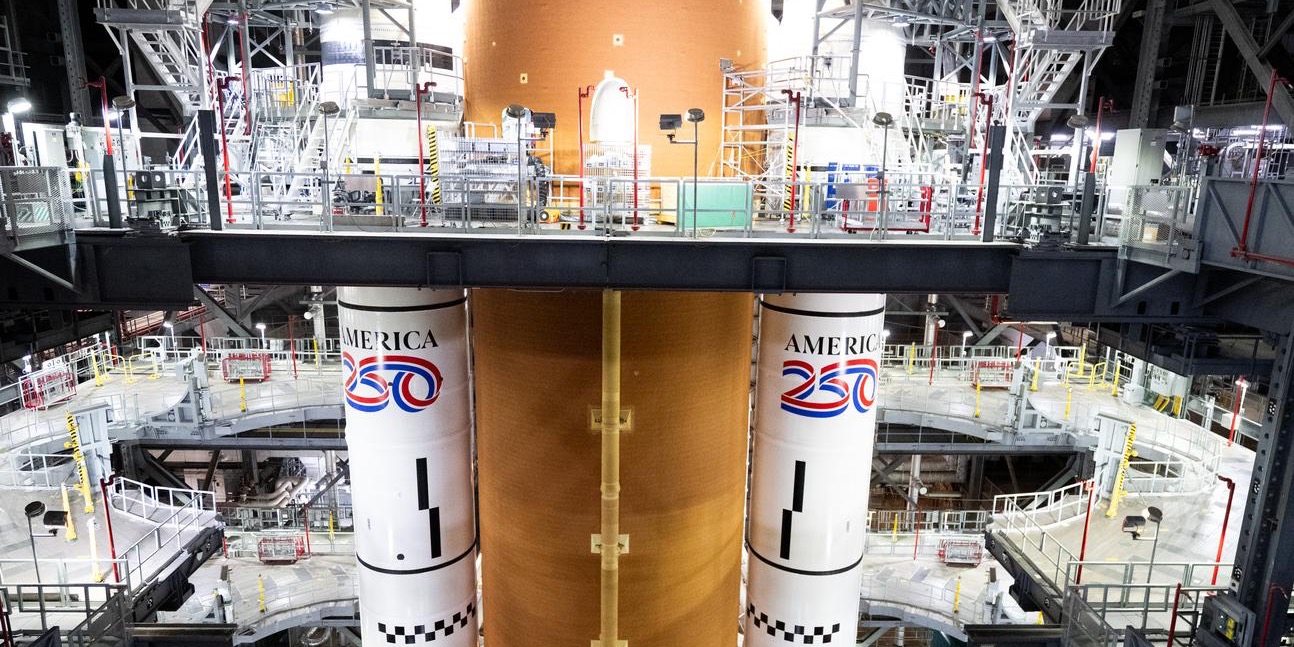
NASA’s Artemis 2 mission is getting closer and closer, being just over a month away, and that means the rocket is getting ready for launch. The Space Launch System received some special decal work for its launch in February; “America 250” can be seen in a recent NASA picture on both the rocket’s boosters.
Expand Expanding Close

In what was supposed to be a charge into the new future of lunar exploration and electric vehicles, NASA’s Artemis program has once again taken a step into the past. TechCrunch reports that the agency, alongside other government agencies, will no longer use Canoo’s EV vans for crew transport of Artemis astronauts.
Expand Expanding Close
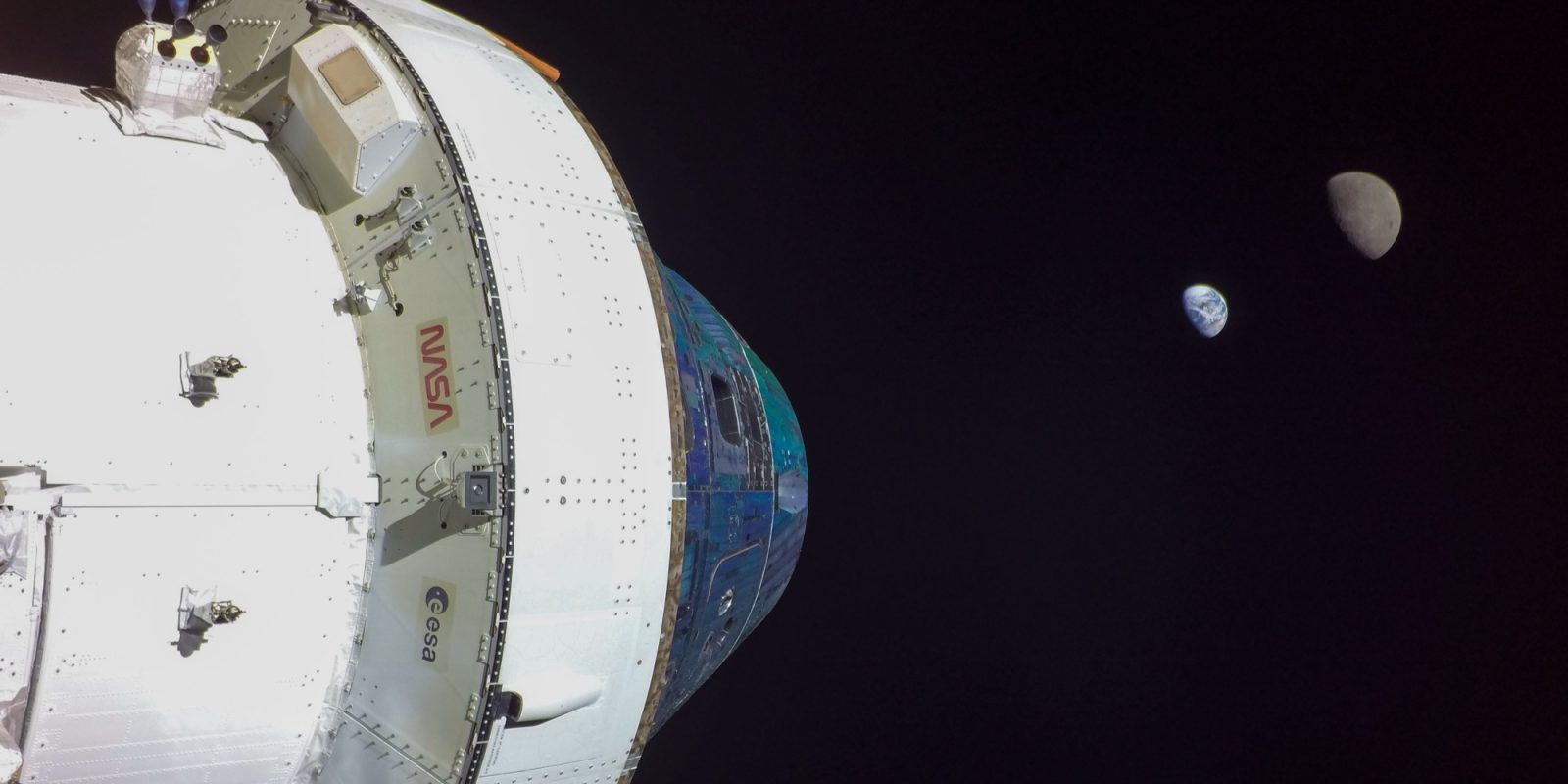
While robotic missions like China’s upcoming Chang’e-7 are expected to map resources and test technologies at the Moon’s south pole, NASA’s Artemis 2 mission represents a different but equally critical pillar of the modern lunar race: the return of humans to deep space beyond low Earth orbit. Scheduled for launch no earlier than February 6, 2026, Artemis 2 will be the first crewed mission of the Artemis program and the first human journey beyond Earth orbit since Apollo 17 in 1972.
Expand Expanding Close

In what was very much a not-normal confirmation process, today marks day one of Jared Isaacman‘s tenure as NASA Administrator. The billionaire and commercial astronaut will now be able to take over the reins and begin managing the largest space agency in the world.
Expand Expanding Close
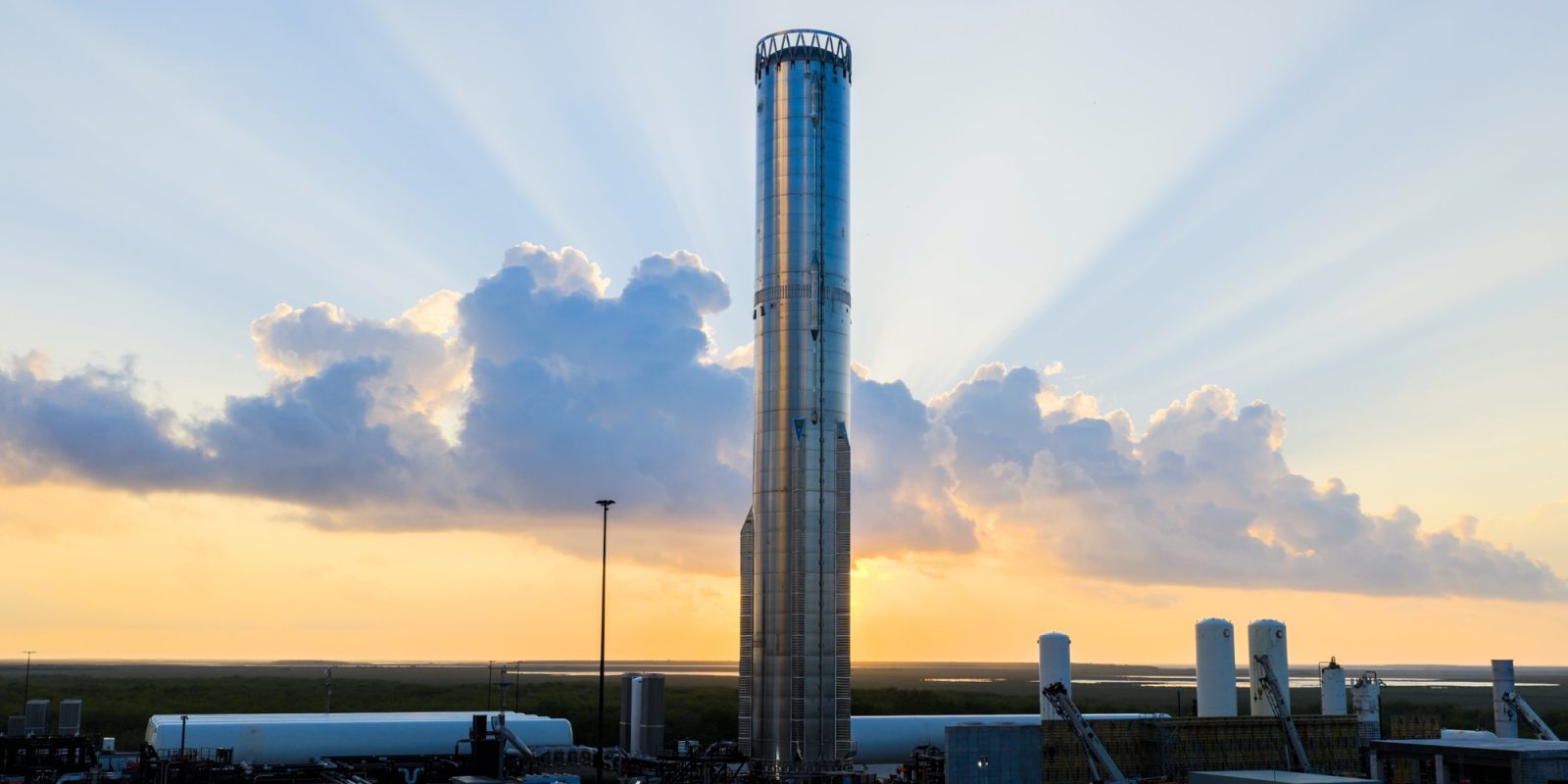
SpaceX is once again facing a setback in getting its Starship rocket closer to being operational. Meanwhile, Blue Origin is taking slow but steady steps toward having a capable Mark 1 lunar lander. Would NASA be silly not to switch providers for Artemis 3’s lander?
Expand Expanding Close
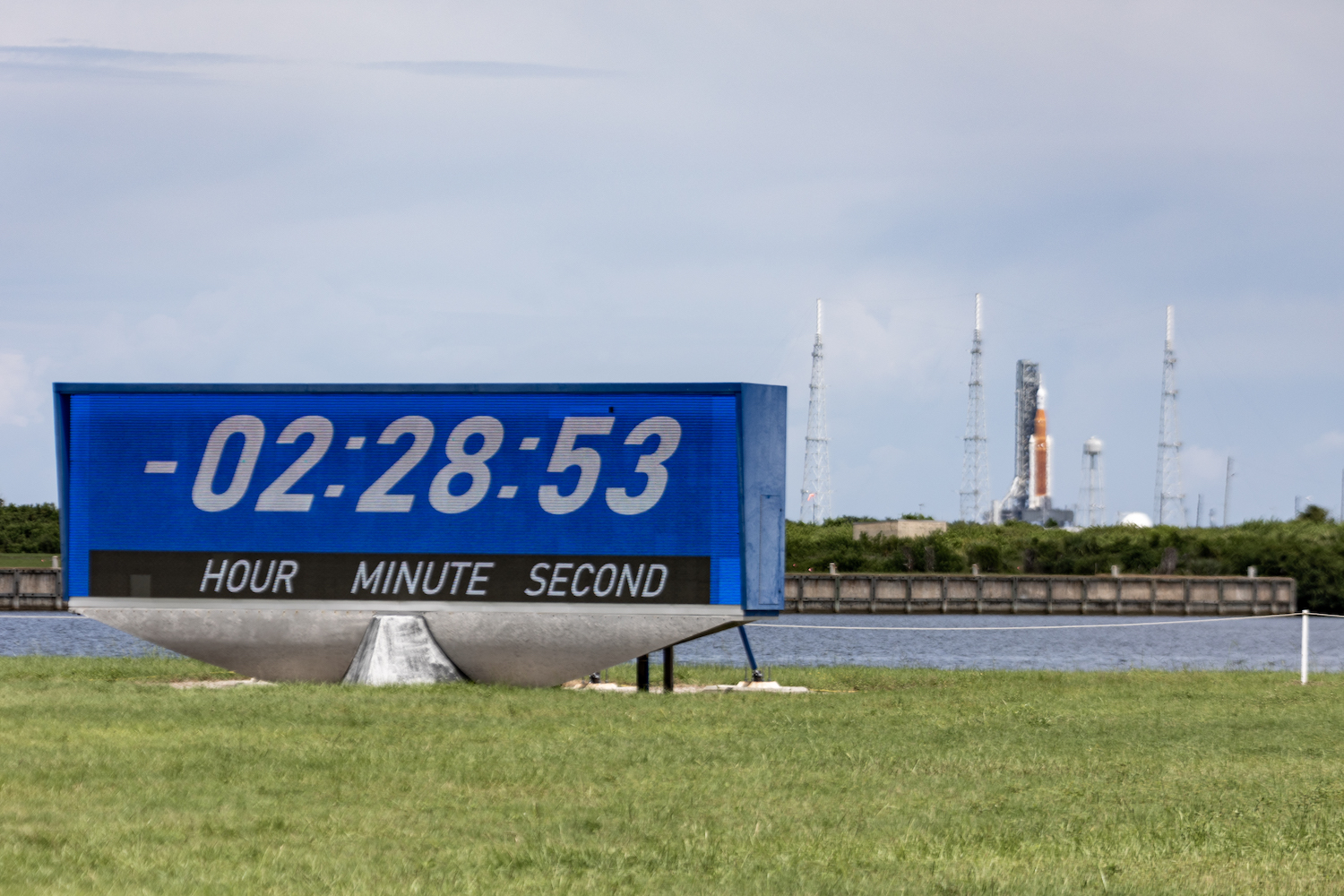
For all their power, rockets remain at the mercy of the sky. A launch vehicle can withstand hundreds of tons of thrust, heat that rivals the Sun’s surface, and the vibrations comparable to a small earthquake – but a shift in wind or a charged cloud layer can still stop everything on the pad.
Expand Expanding Close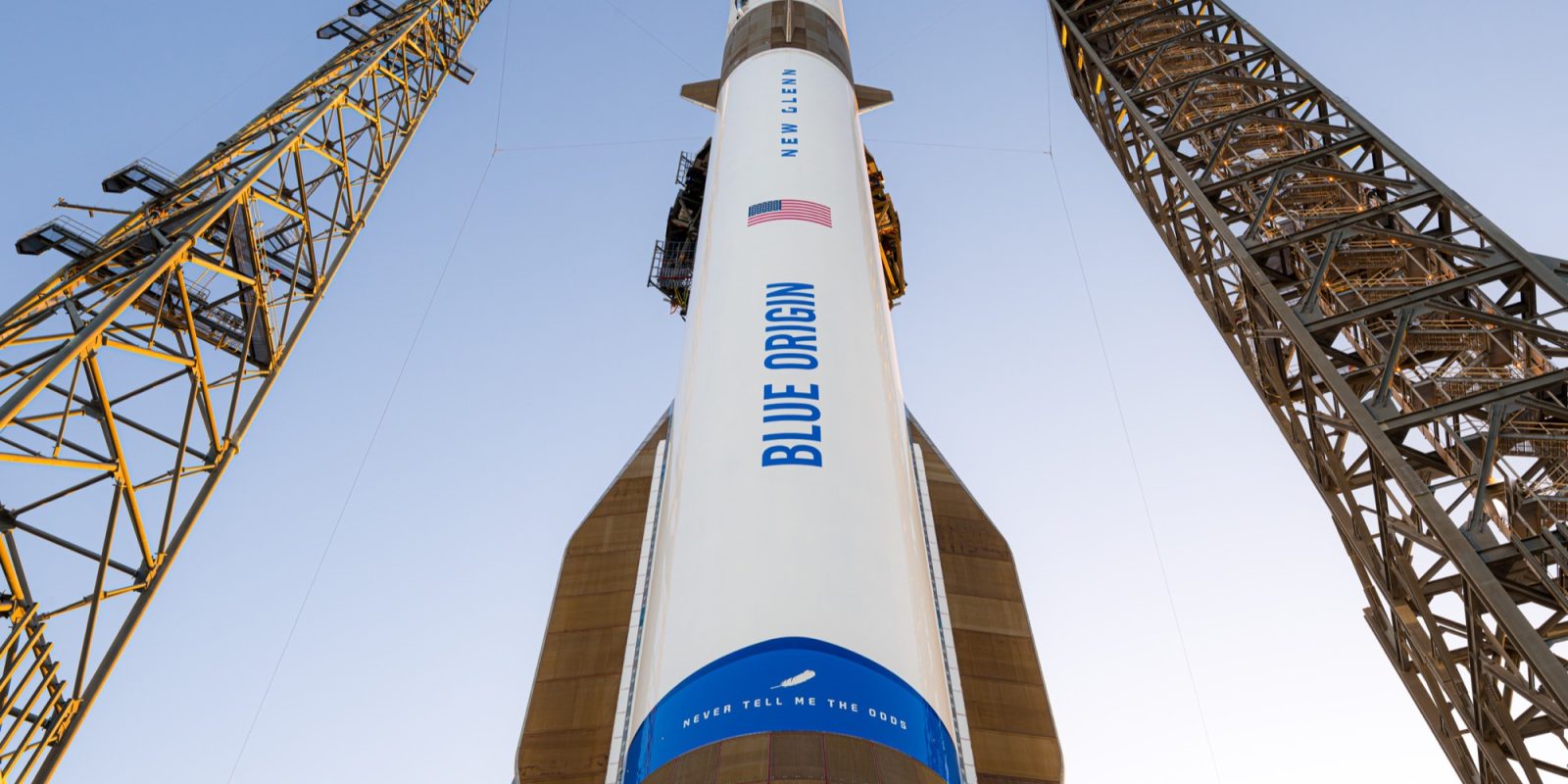
Blue Origin is attempting to launch its second New Glenn rocket from LC-36 at Cape Canaveral Space Force Station. The mission will carry NASA’s ESCAPADE payload to Mars for a tech demonstration of low-cost interplanetary exploration.
Expand Expanding Close
After an hour and a half attempt, Blue Origin scrubbed its New Glenn NG-2 mission due to weather concerns. It wasn’t the only issue the company ran into during the countdown, but why did weather specifically cause the delay? And when will it launch again?
Expand Expanding Close

President Trump has renominated private astronaut and tech billionaire Jared Isaacman as NASA Administrator. This comes as both a surprise and is not at all, beating out Acting Administrator Sean Duffy for the job.
Expand Expanding Close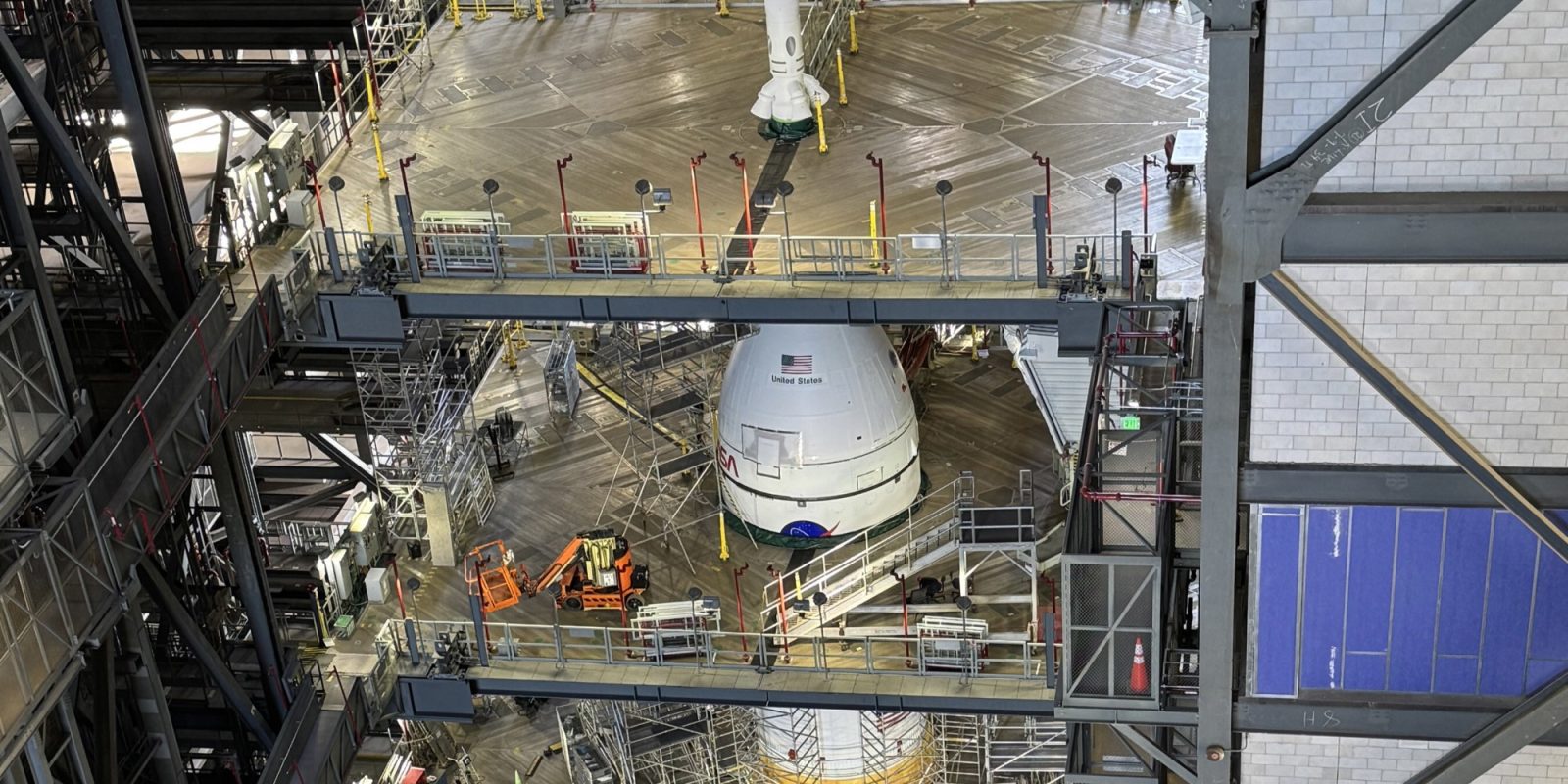
While the majority of federal employees are furloughed, awaiting a funding bill to be passed by Congress, NASA teams and contractors are still working towards getting Artemis 2 ready to launch next year. However, that can’t last forever, and an industry official just shared that some parts may begin to grind to a halt.
Expand Expanding Close

It’s been nine months into President Trump’s second term, and the government’s most popular and beloved agency is still without proper leadership. Some rumbles have made it sound like that could change soon, but we’re still awaiting official word.
Expand Expanding Close

Blue Origin may just have a shot at taking away SpaceX’s prized Artemis 3 crewed lunar landing, as the company has fallen behind its goals to get an HLS Starship variant ready for a 2027 attempt. Now NASA is looking at new options that may be able to get a lander ready faster.
Expand Expanding Close

Astronomers using the ATLAS telescope in Chile detected a faint, fast-moving object on July 1 that was later confirmed to be traveling on a hyperbolic path through the solar system. The object, now designated 3I/ATLAS, is the third known interstellar body ever discovered, following ‘Oumuamua in 2017 and Borisov in 2019.
Expand Expanding Close
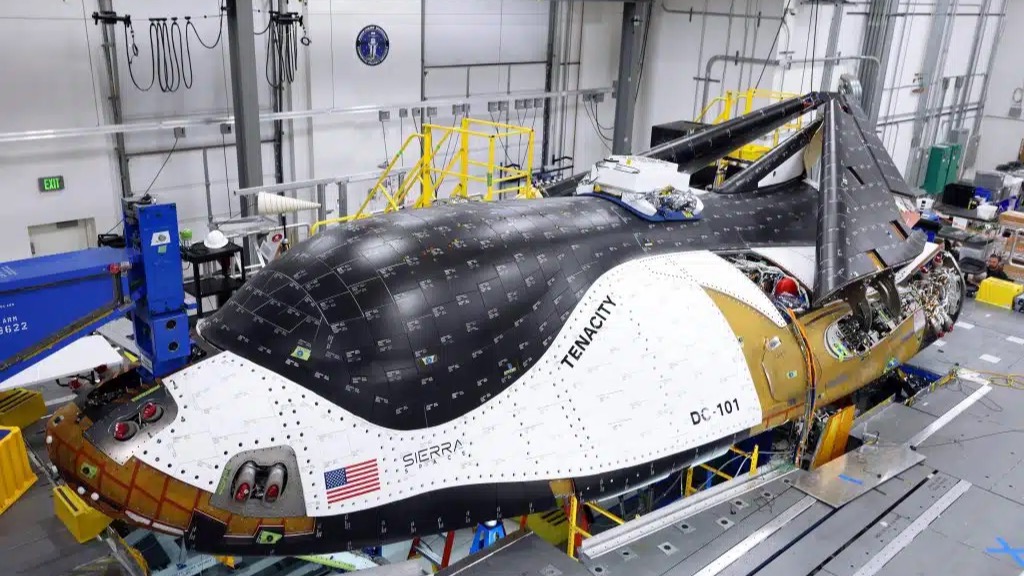
The Dreamchaser spaceplane has long been under development by Sierra Space and its parent company, Sierra Nevada Corporation. While intended to serve as the third option of NASA’s Commercial Resupply Services 2 contract, a change in its development timeline has removed that as an obligation.
Expand Expanding Close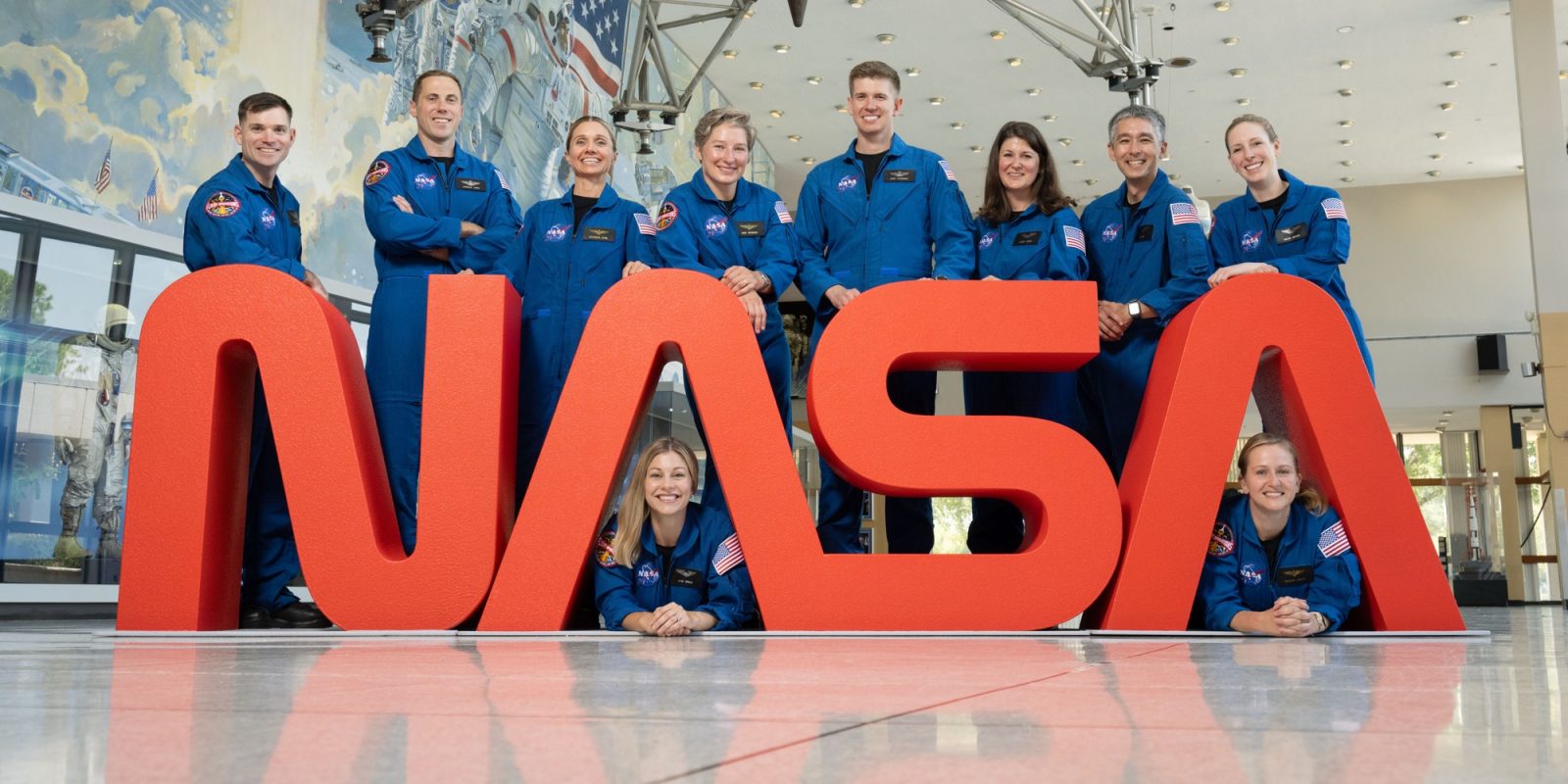
Anne Menon, a mission specialist on the recent Polaris Dawn mission, was announced as an astronaut candidate by NASA today in Houston. She joins a growing list of former SpaceX employees who have joined the ranks of NASA’s astronaut corps.
Expand Expanding Close
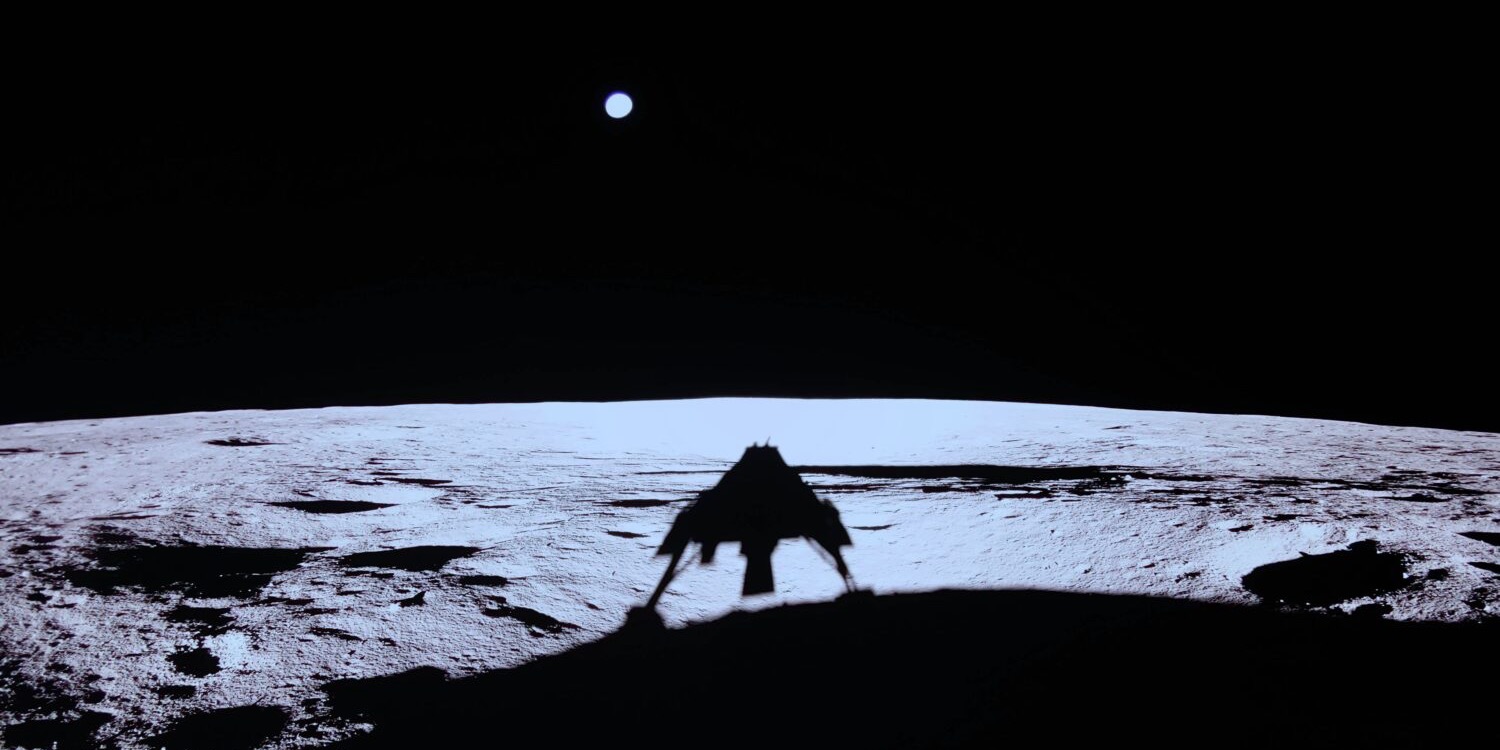
The race to return humans to the Moon is not just about planting a flag. At stake is something less visible but far more consequential: who sets the rules, builds the infrastructure, and defines the operating playbook for the next era of space exploration. And the answer could ripple far beyond the Moon, shaping how – and how soon – humans reach Mars.
Expand Expanding Close
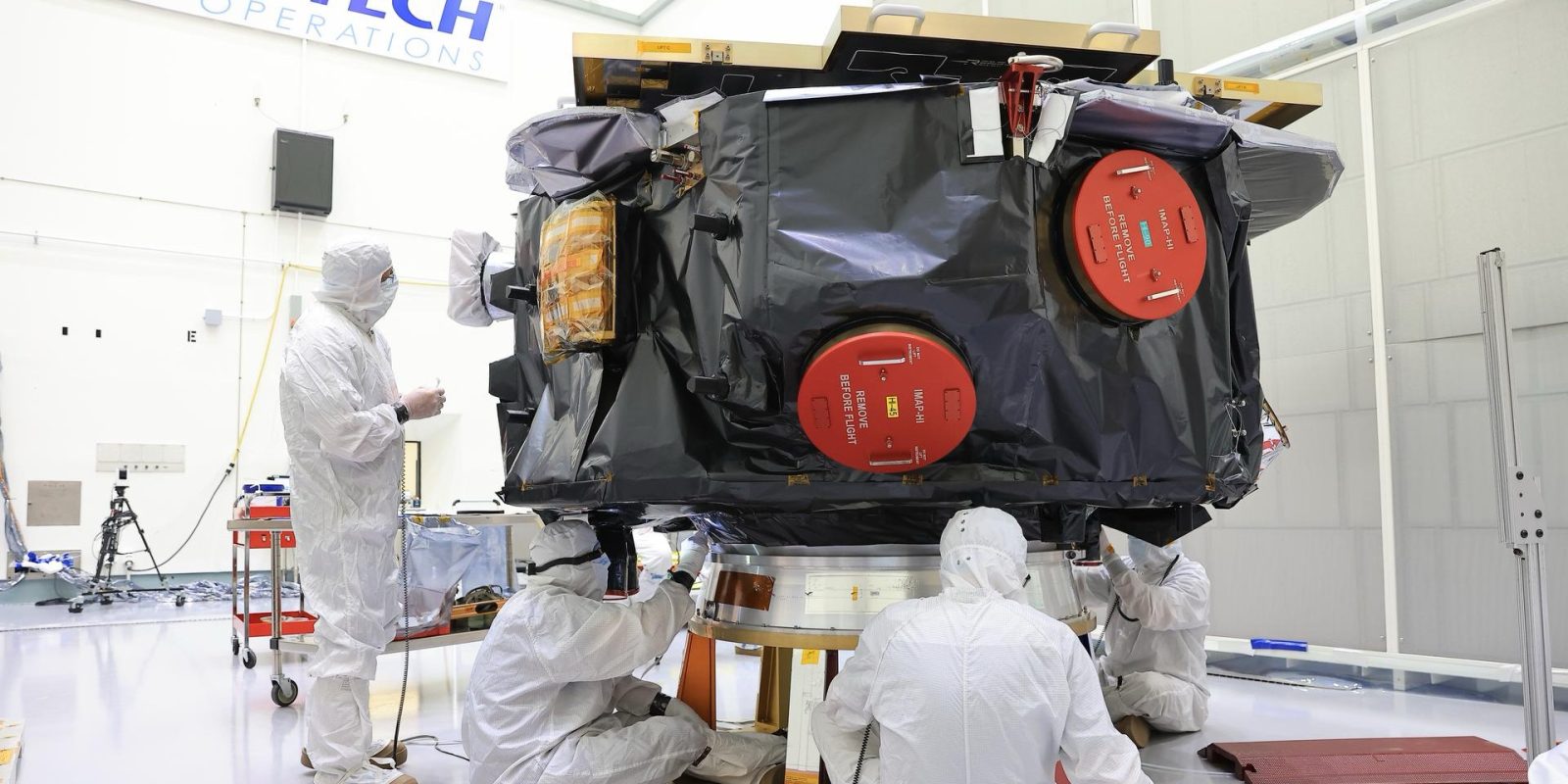
NASA is gearing up for a landmark late-September launch featuring three pivotal spacecraft: the Interstellar Mapping and Acceleration Probe (IMAP), the Carruthers Geocorona Observatory, and NOAA’s Space Weather Follow-On (SWFO-L1). The missions are being prepared at Astrotech Space Operations, a Lockheed Martin subsidiary in Titusville that has become one of the nation’s premier spacecraft processing hubs.
Expand Expanding Close


