Artemis program

See All Stories

NASA's Artemis program is an attempt to land humans on the moon for the first time in almost 50 years.
NASA’s 21st century plan to return to the moon

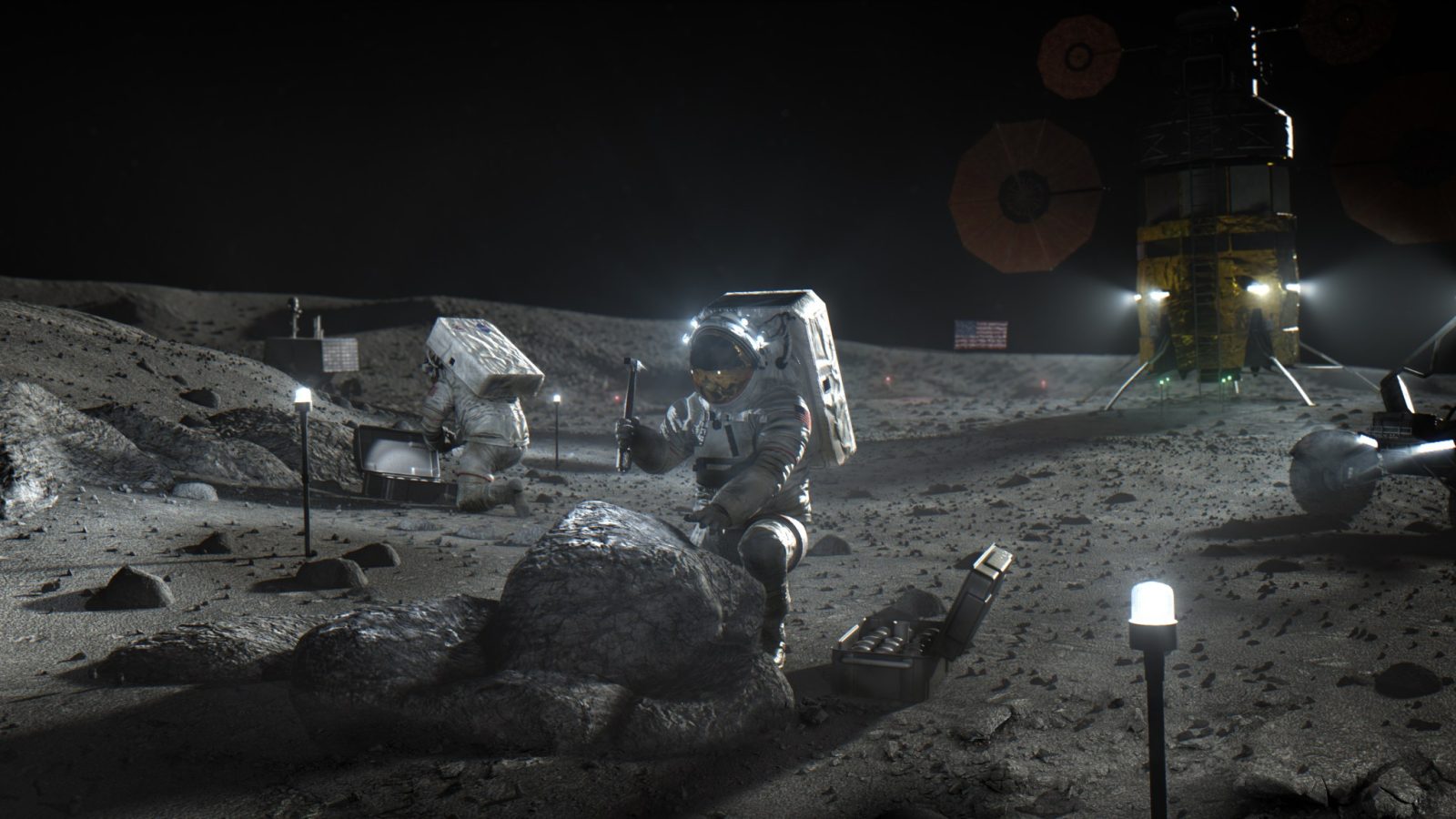
NASA’s Artemis program is an attempt to land humans on the moon for the first time in almost 50 years. The program is largely the result of Space Policy Directive 1, which tasked NASA with focusing more time on getting back to the Moon.

Named after the Greek goddess of the moon, the Artemis program’s goal is to return humans back to the surface of the Moon sustainably and for good. NASA is doing this through public-private partnerships with companies like SpaceX and Blue Origin, and with international cooperation through the Gateway lunar space station.

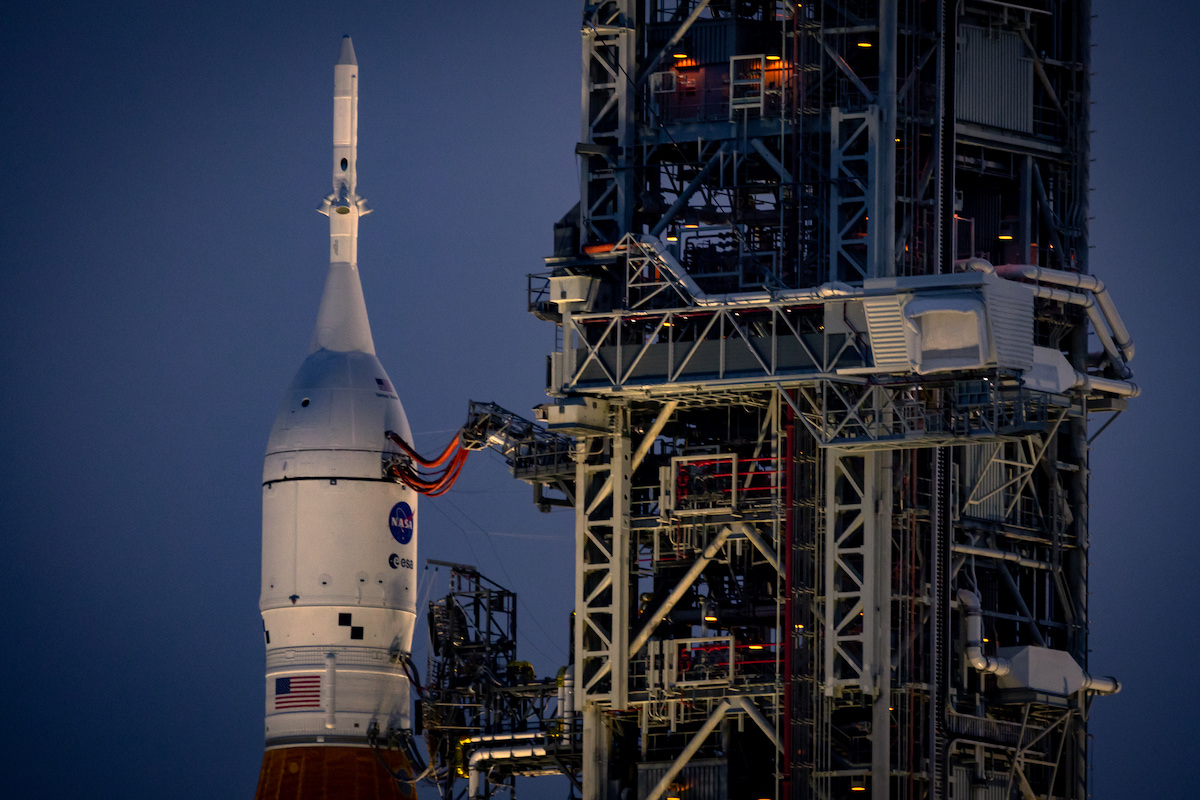
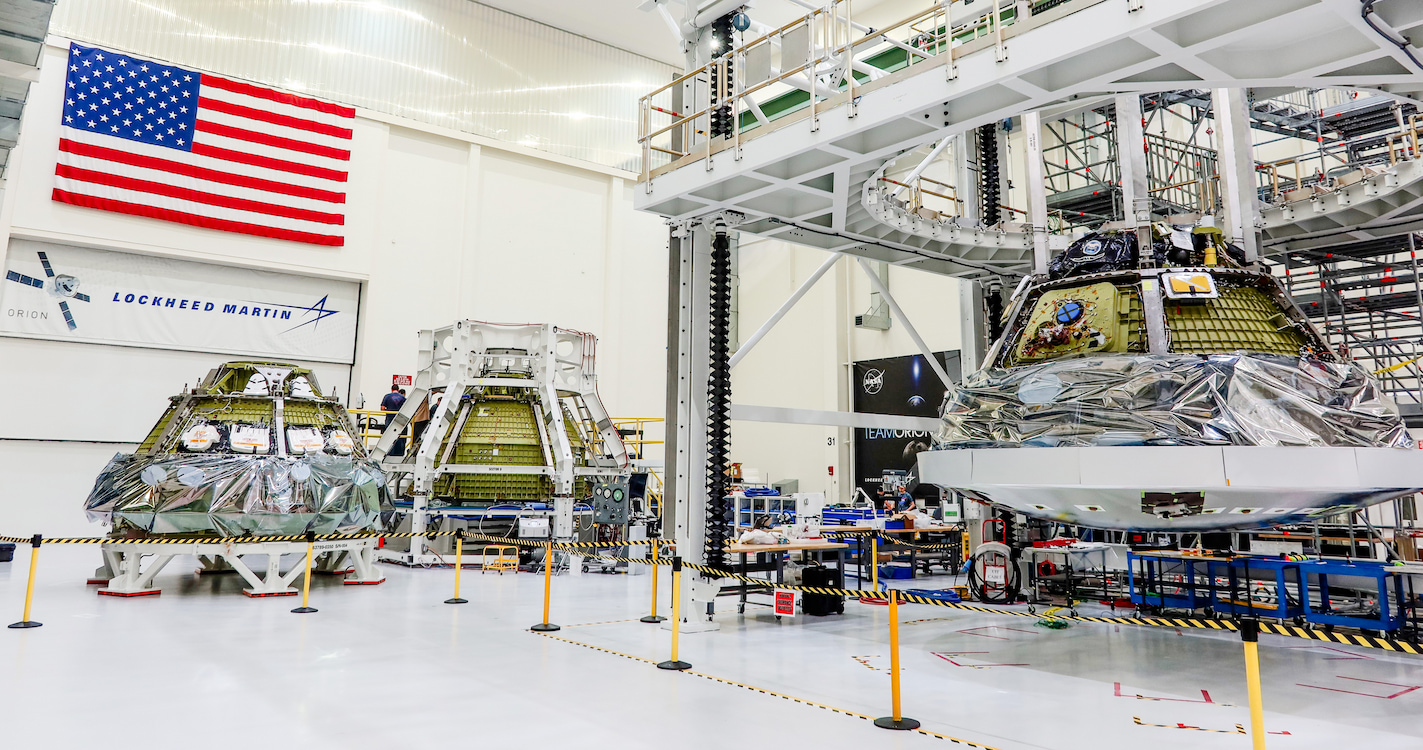
The backbone of the Artemis Program is the agency’s Space Launch System. A two-stage rocket derived from Space Shuttle technology that can place NASA’s Orion spacecraft in an orbit around the Moon. The Space Launch System (or SLS) is under the contract of Boeing for management and assembly, while Orion is managed by Lockheed Martin. These two programs represent the leading costs of the Artemis program, along with the bulk of its delays. Being one of the few remaining cost-plus contracts, discussions of canceling the two or just SLS have been held over the years but have never made it past Congress.

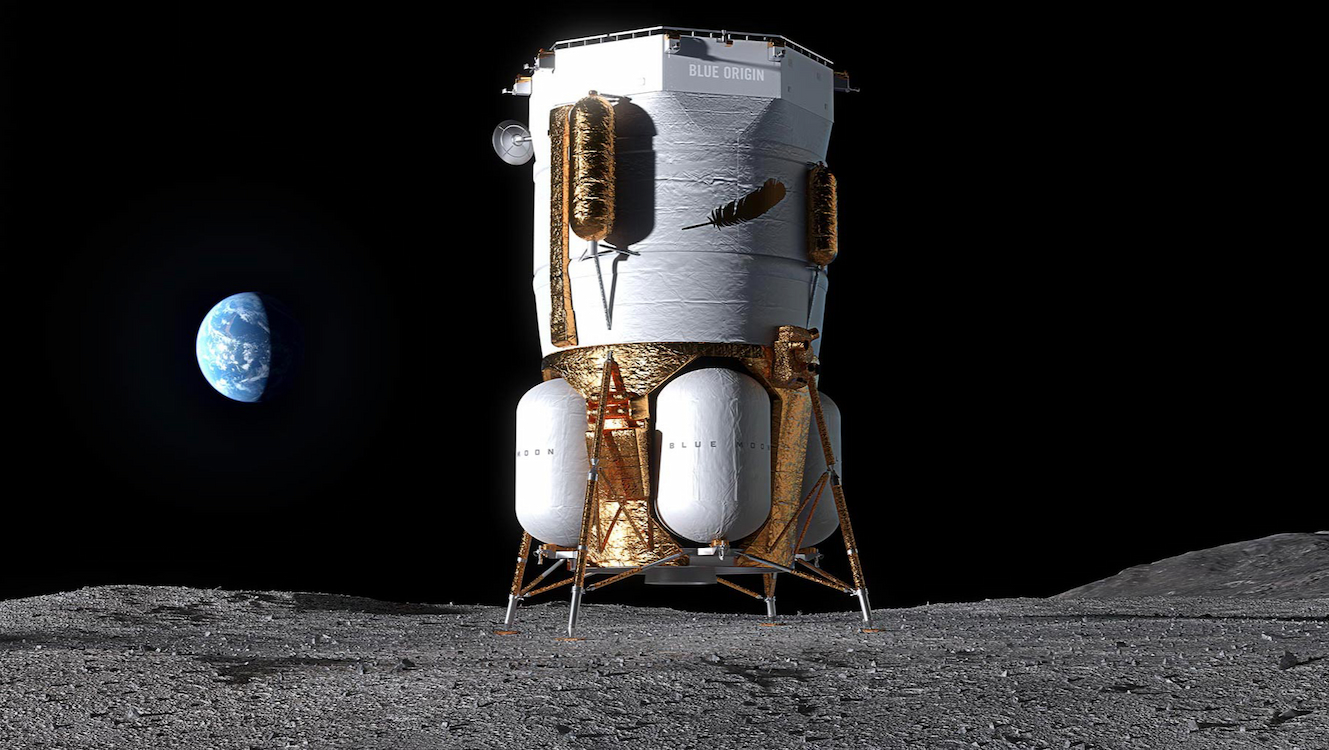
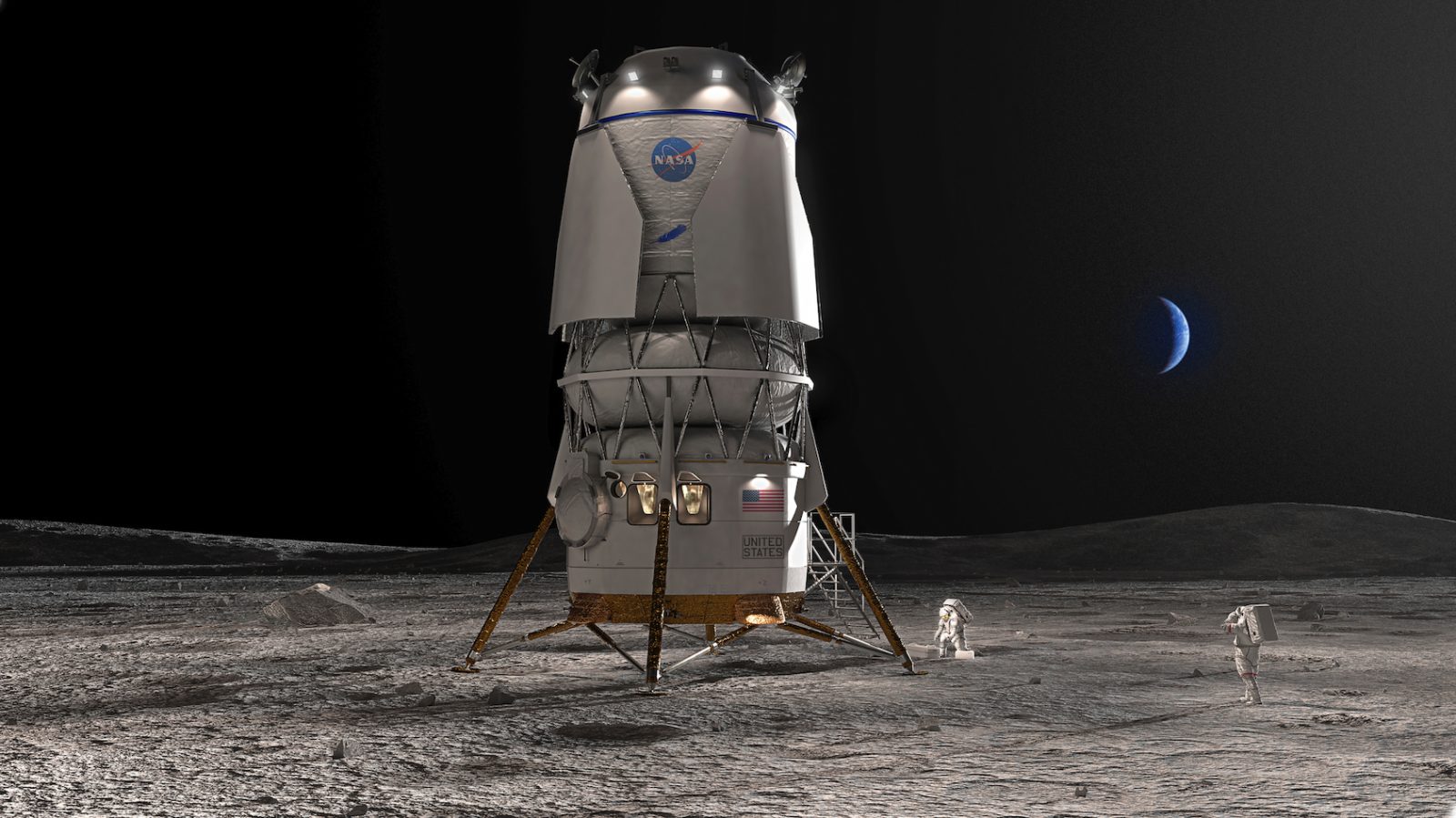
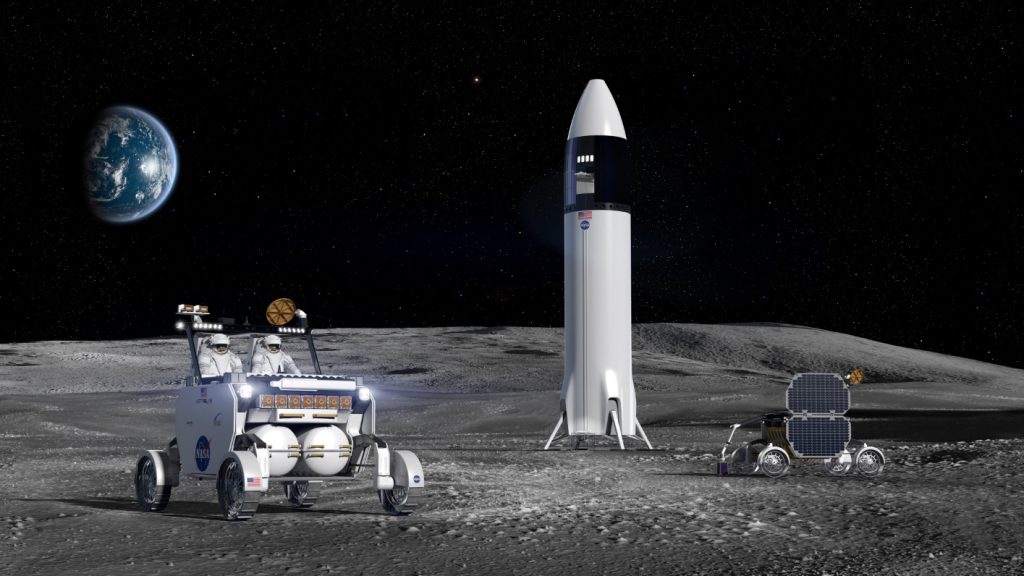
NASA has also built multiple agreements and contracts with private industry to provide services to the agency when they arrive on the Moon with its astronauts. Most notably, there has been SpaceX’s contract for a lunar lander alongside Blue Origin. Axiom Space will be providing the AxEVA spacesuit for lunar excursions. Intuitive Machines, Lunar Outpost, and Venturi Astrolab have all begun work on the lunar terrain vehicle.

The Artemis Program has also expanded to attempt to foster a cis-lunar economy with the Commercial Lunar Payload Services program. Buying rides to the surface of the Moon just like it does with crewed flights to the ISS, CLPS has already started to fund new companies in building viable lunar landers, capable of delivering cargo to the surface.

NASA plans on using what they learn from visiting the moon to help take the next giant leap that is visiting Mars.

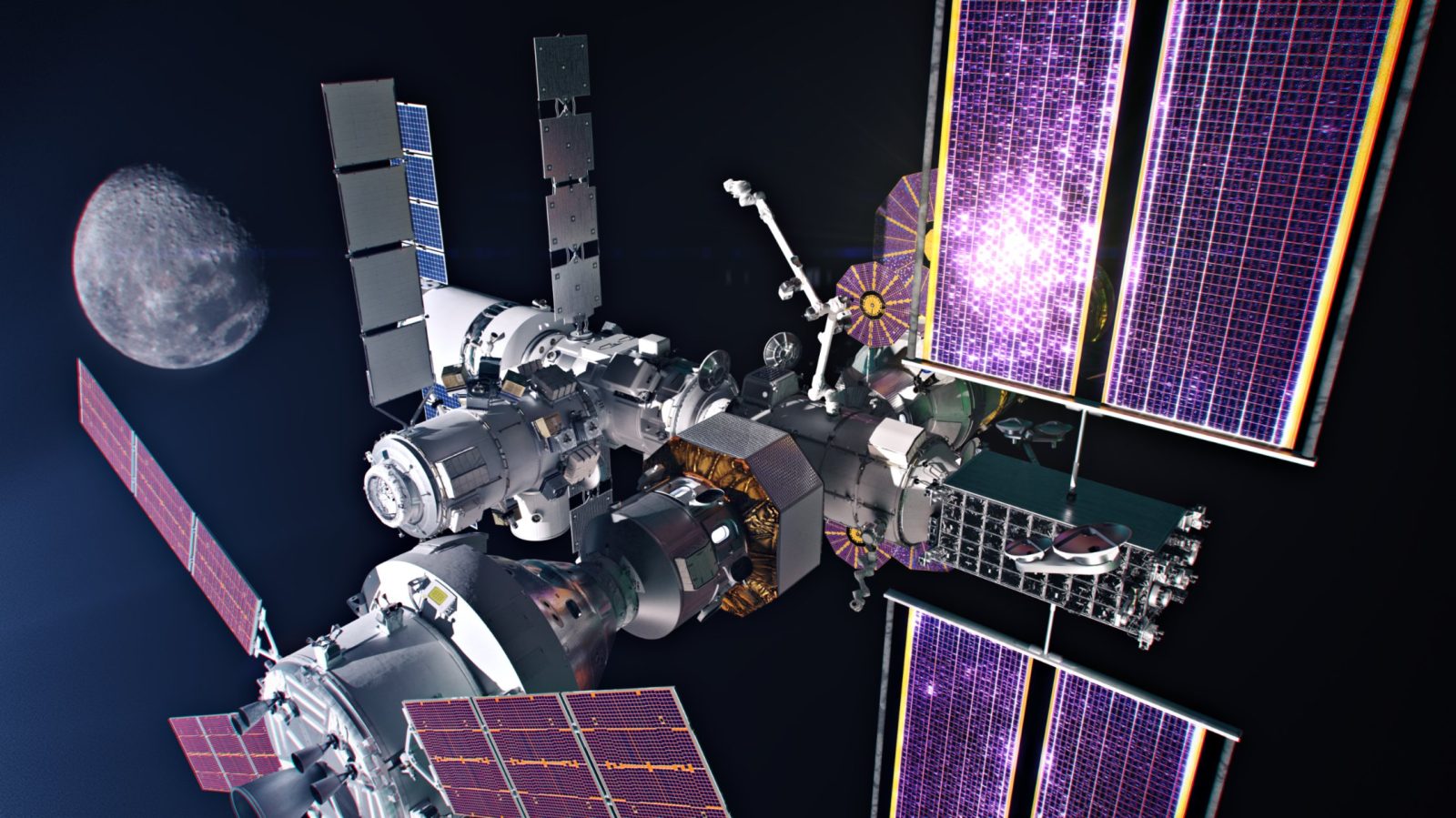
The global alliance pioneering NASA’s Lunar Gateway

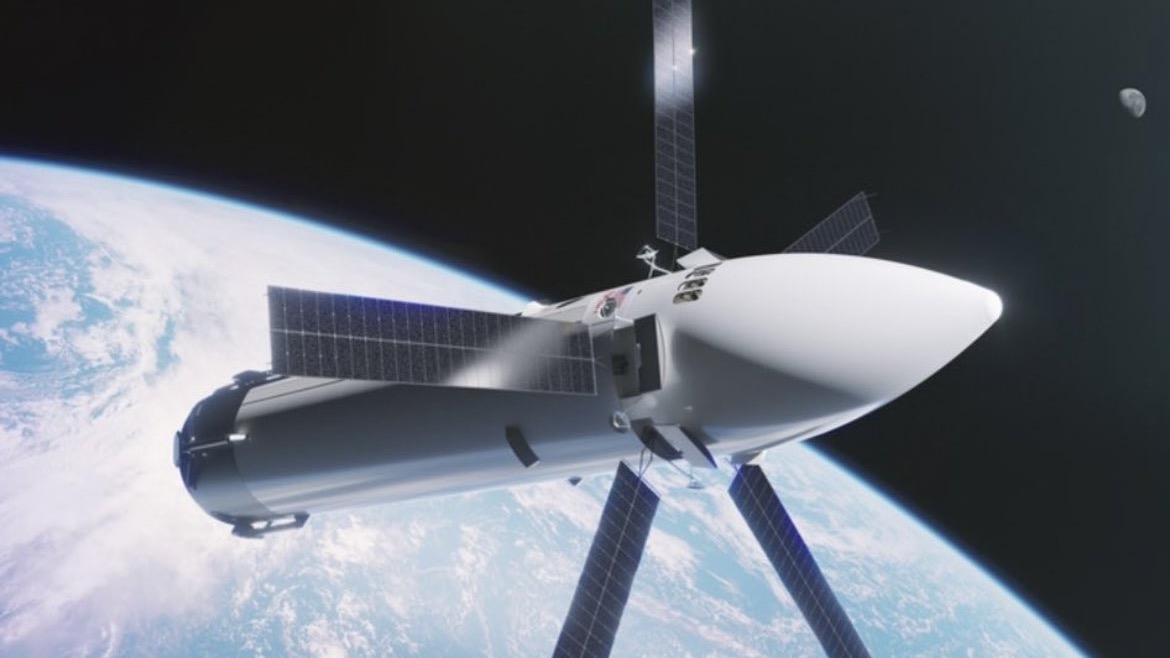
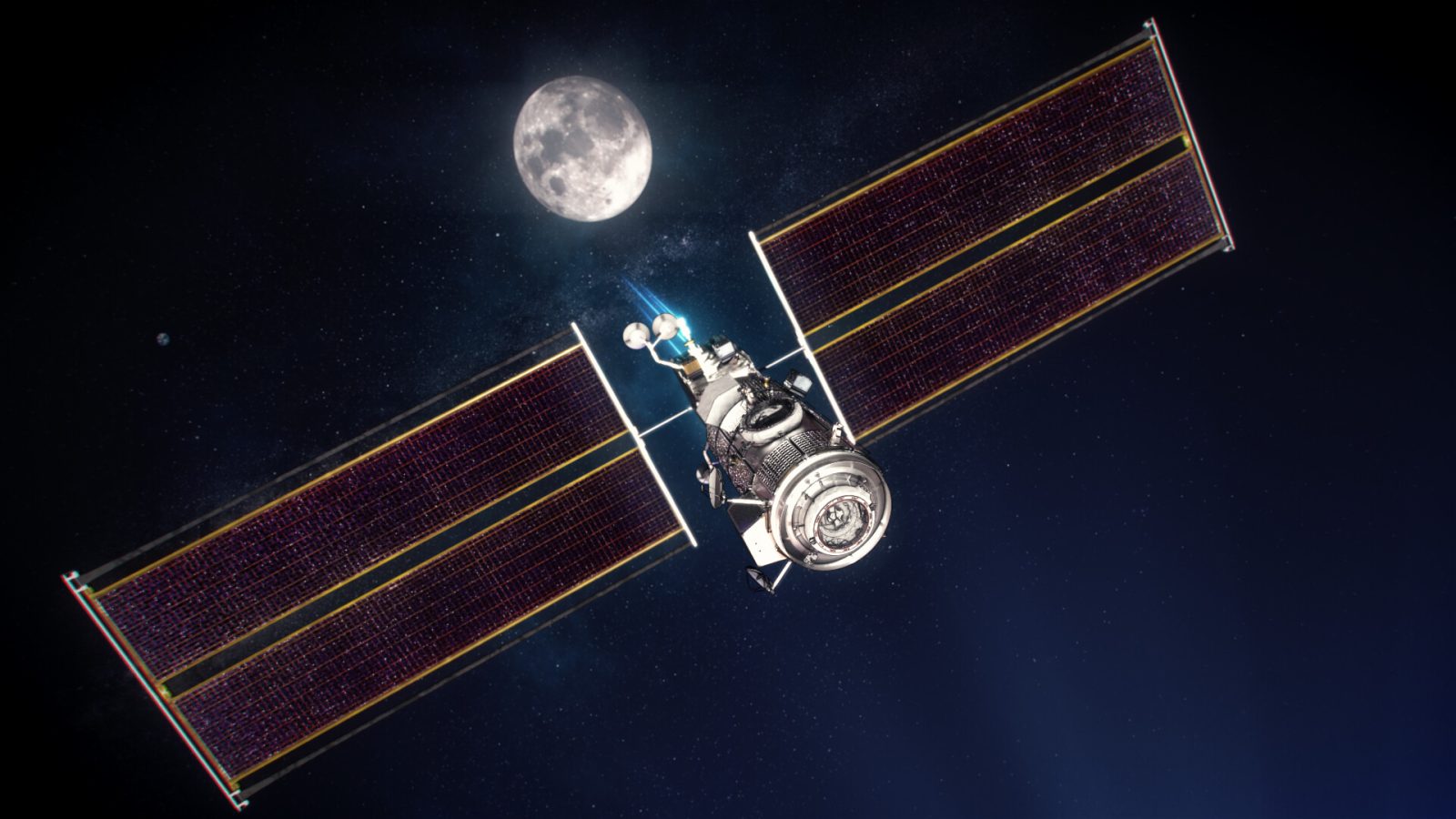
NASA’s Lunar Gateway program represents a pivotal initiative under the agency’s leadership, aimed at facilitating sustainable human and robotic exploration of the Moon and Mars. This program is characterized by its emphasis on international and commercial partnerships, establishing a strategic outpost orbiting Earth’s nearest celestial neighbor to support scientific research, lunar surface expeditions, and deeper space ventures.

Expand Expanding Close

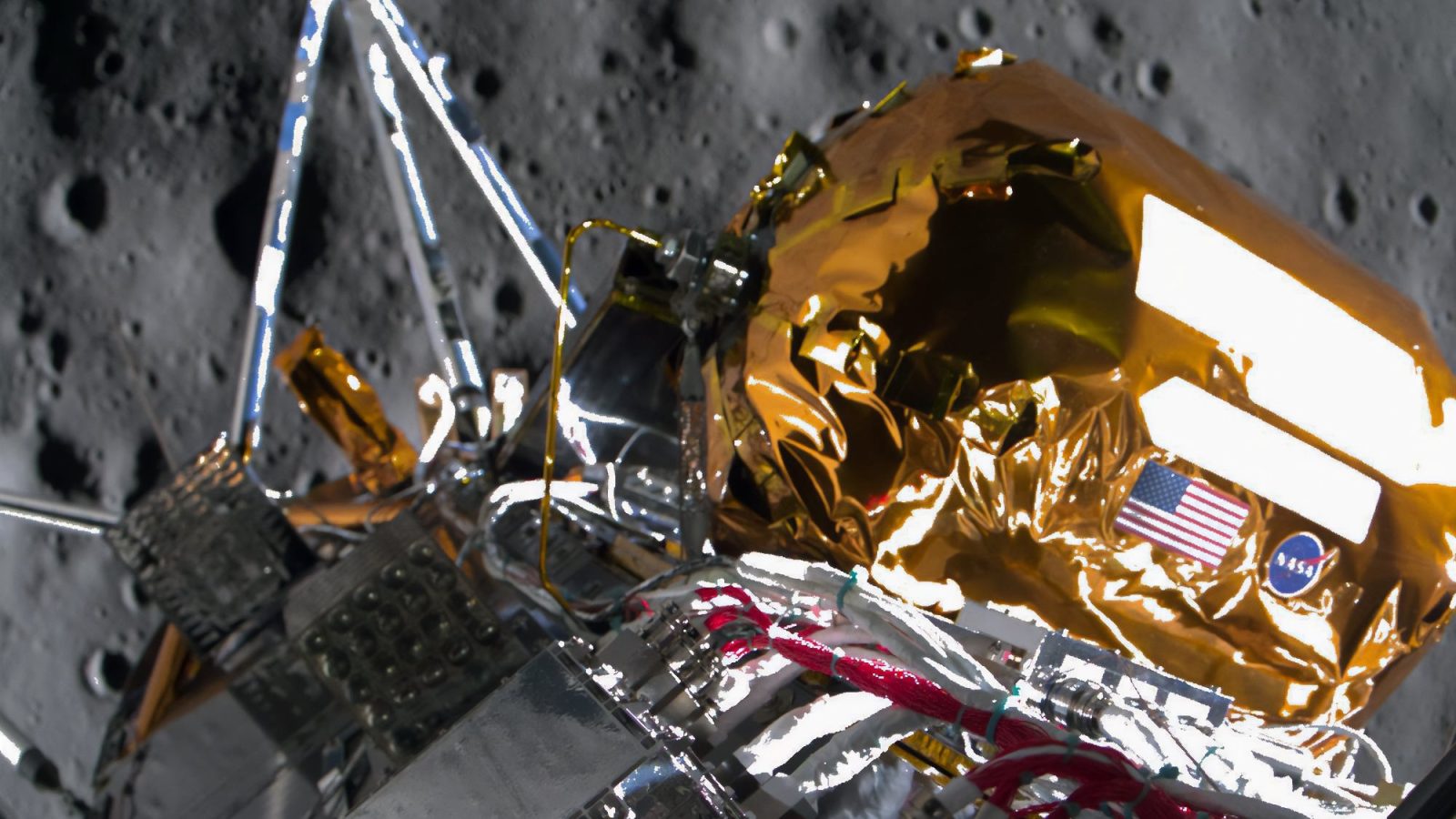
The story of Odysseus: America’s first lunar landing since Apollo

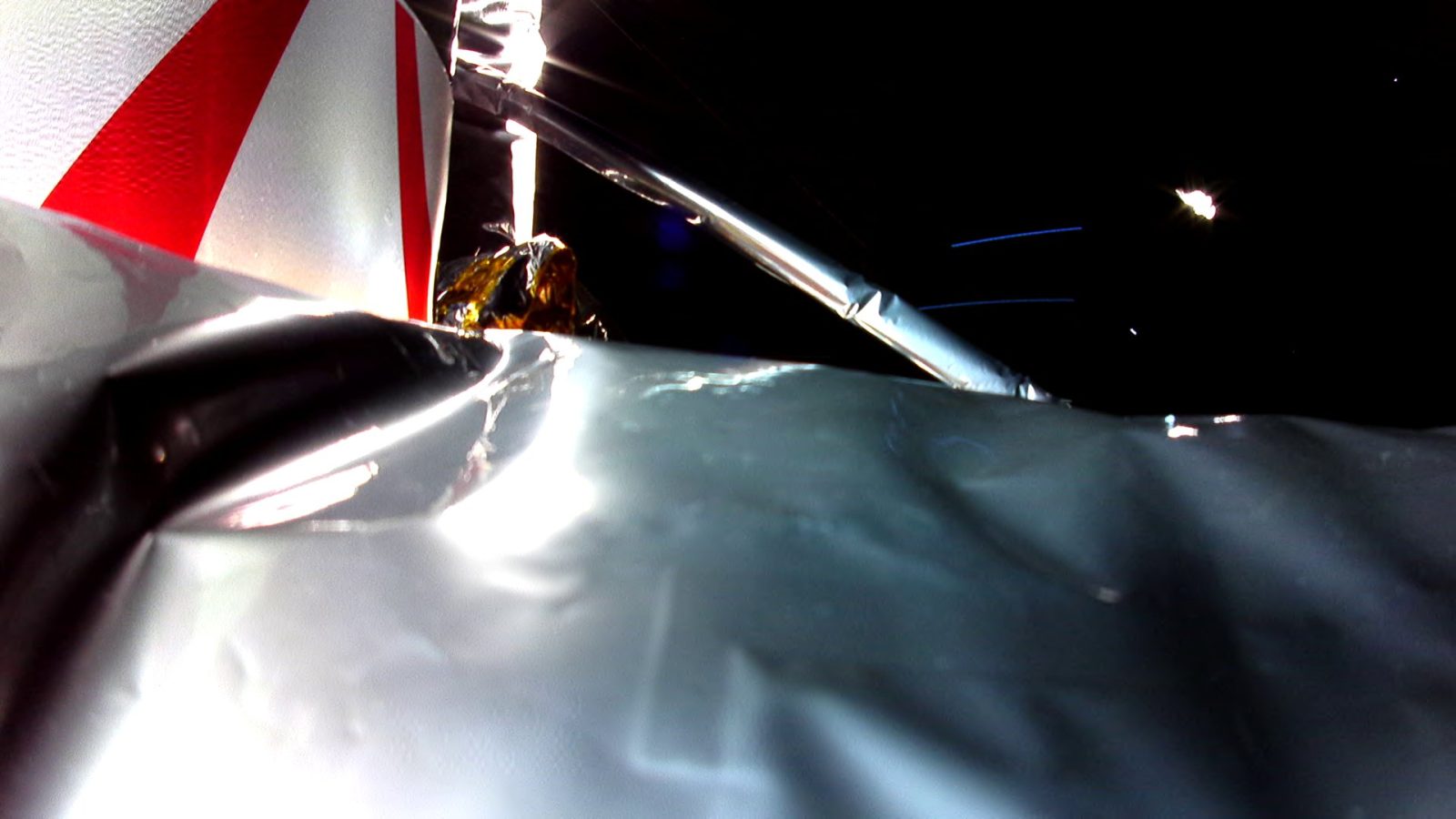
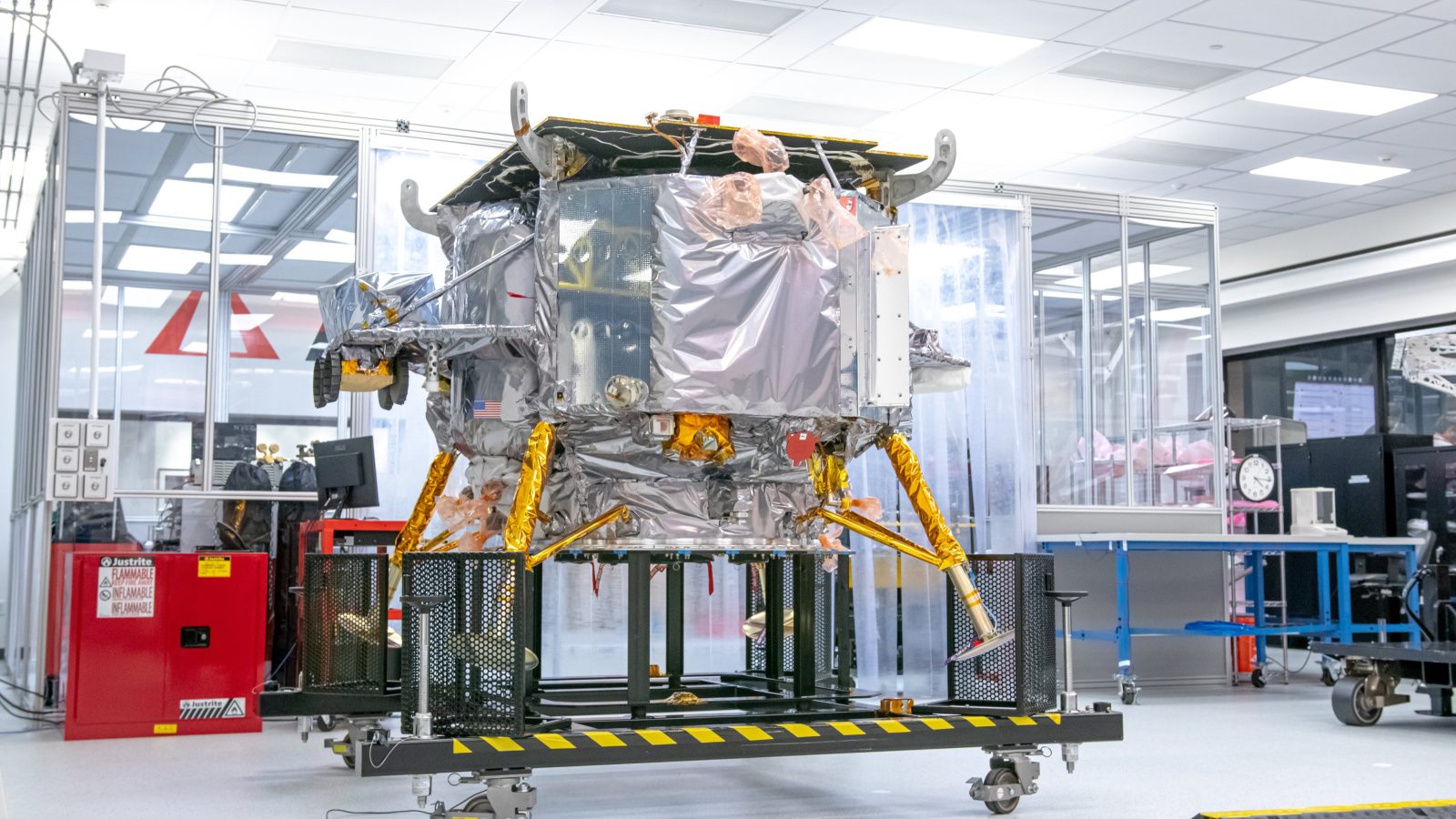
Over the last few weeks we’ve been following the travels of Intuitive Machine‘s IM-1 mission. The first of its kind lander made several firsts, the biggest being bringing the commercial market to the lunar surface for the first time. While the mission has ended for now, there’s a lot to talk about good old Odysseus.

Expand Expanding Close

Artemis 2 gets a 10 month delay over Orion safety concerns

NASA announced in a stacked press conference that the agency is delaying its much anticipated Artemis 2 mission over safety concerns with the Lockheed Martin Orion spacecraft. Now slated for a September 2025 launch date, the delay also extends to Artemis 3 which is planned to liftoff one year after Artemis 2.

Expand Expanding Close

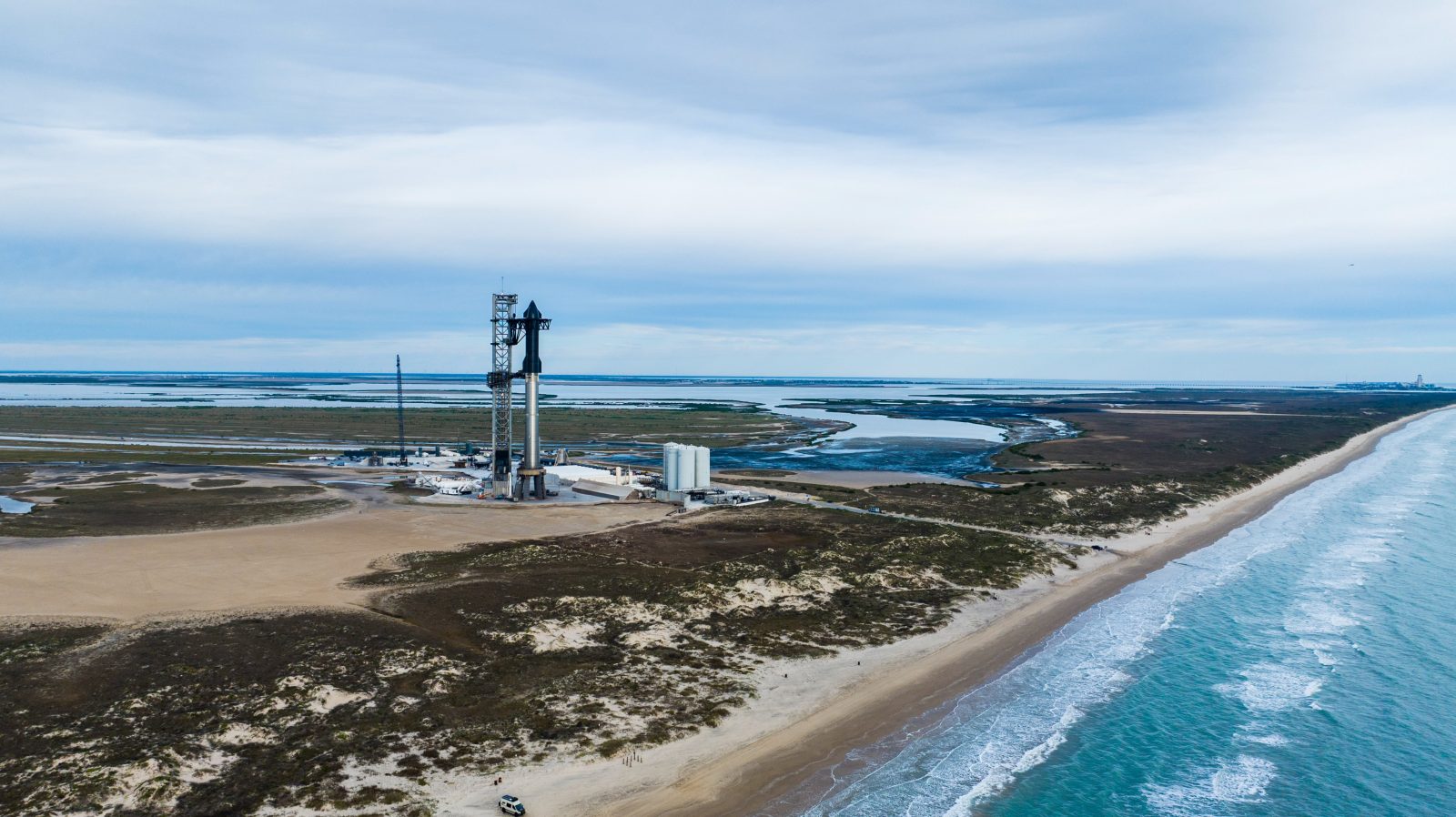
Starship Flight 3 could include an important test for Artemis success

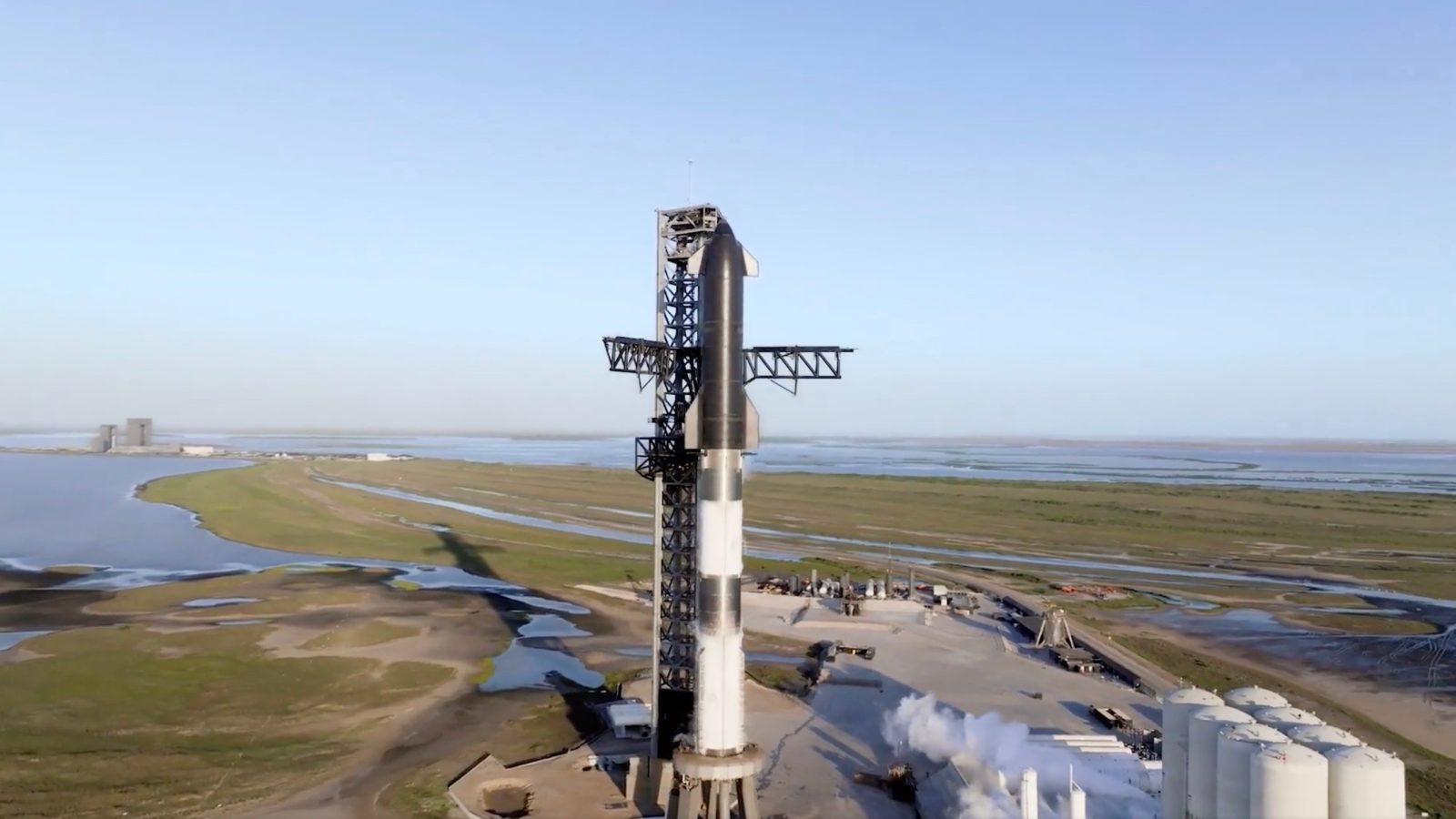
According to NASA, Starship‘s third flight test will feature a major demonstration needed for the overall success of landing humans on the Moon with the Artemis program. In a meeting, slides showed Starship Flight 3 being the first mission to demonstrate in-orbit propellent transfer. However, the schedule is still up in the air.

Expand Expanding Close

NASA’s Deep Space Network can’t keep up with demand

Between the increasing need and decreasing budgets, NASA’s Deep Space Network is running into constraints during big missions like Artemis 1. DSN’s director is concerned the lack of funding to expand deep space communications and the continued requirement to drop everything for these missions will harm NASA’s other science missions.

Expand Expanding Close

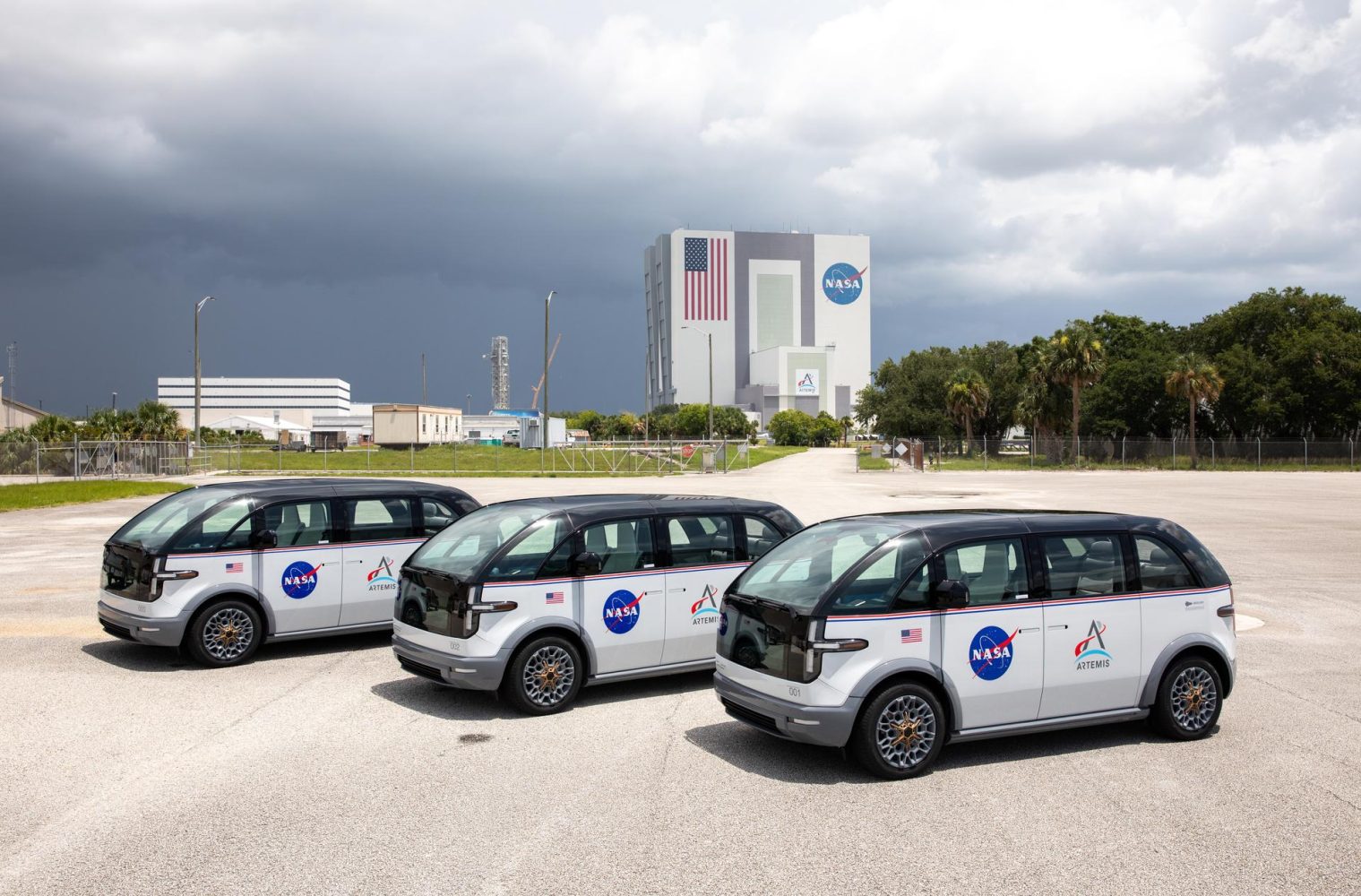
Canoo’s Artemis crew vehicles arrive at Kennedy Space Center

NASA Artemis crew vans

NASA’s Artemis program and the preparations for the Artemis 2 mission are in full swing. Flight hardware is arriving at NASA’s Kennedy Space Center to construct the giant SLS rocket, and crewed hardware is also being delivered. The Artemis astronauts’ first ride on launch day is now in procession of Canoo’s fully electric crew transport vehicles.

Expand Expanding Close
space explored podcast

Space Explored Podcast 59: How a Starship delay could ruin NASA’s Artemis plans

This week Seth and Jared discuss the week’s top stories and dig into the biggest one around the lawsuit against the FAA for letting Starship launch. We discuss what this could mean for SpaceX and more importantly NASA if there are any delays because of this.

Subscribe

Expand Expanding Close

Here’s how to make NASA’s Artemis 2 digital posters into epic iPhone wallpapers

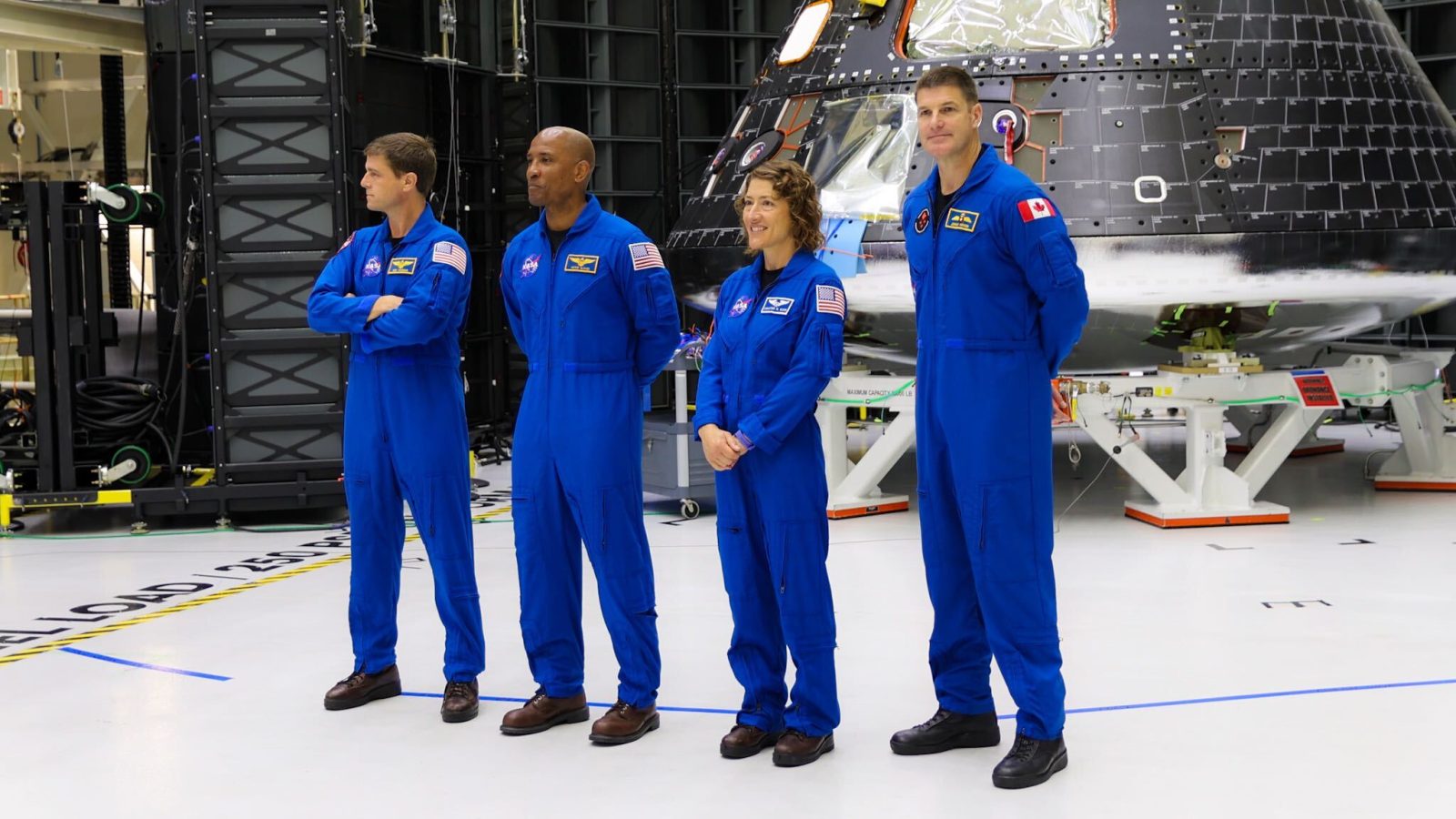
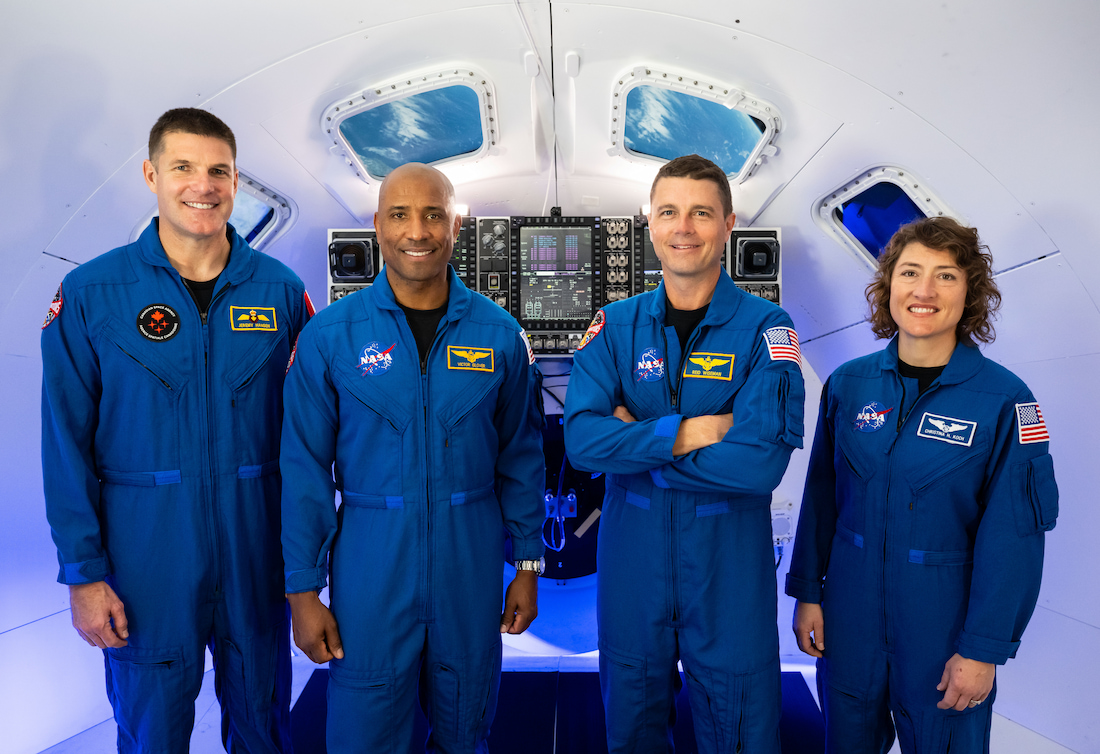
On Monday, NASA announced the first crew of astronauts to fly to the Moon since the completion of the Apollo Program. The agency is now in full Artemis mode, with the astronauts making the rounds on talk shows and schools, but NASA also released some cool Artemis 2 digital posters. Here’s how to turn them into sick Artemis 2 iPhone wallpapers using the new (ish) lockscreen system on iOS 16.

Expand Expanding Close

NASA’s moon-rocket moving crawler-transporter carries new world record

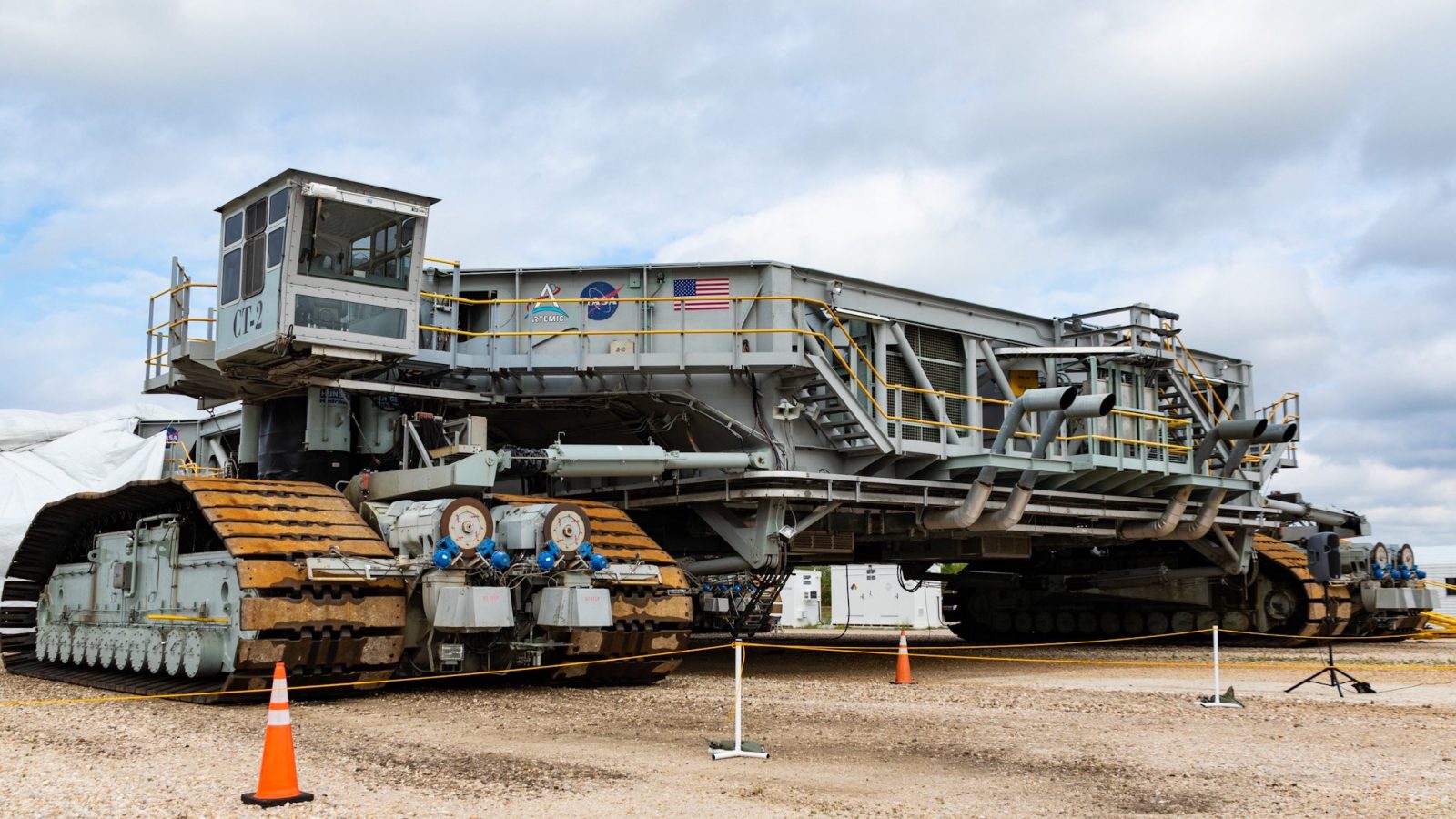
NASA’s crawler-transporter has been certified as the heaviest self-powered vehicle on Earth by Guinness World Records.

The agency’s Exploration Ground Systems was presented the certificate on March 29, at Kennedy Space Center in Florida. Crawler-transporter 2, CT-2, is more than 6.6 million pounds and has the ability to transport up to 18 million pounds. It has technically held this record since 2016, after the completion of modifications it received to support the Artemis program and the Space Launch System rocket and its mobile launcher tower.

Expand Expanding Close