
SpaceX is back for Starship Flight 13 – Day 3



After roughly six months aboard the International Space Station, the Crew-4 astronauts have returned to Earth, splashing down off the coast of Jacksonville, Florida on Friday, October 14.
Expand Expanding Close
It’s already been about a month since Astra’s closing price on NASDAQ went below the $1 limit, which triggers some issues with the powers that be in New York. Since then, the stock price has continued to decrease in value as failed launches have led the company to shift to a new rocket design.
Expand Expanding Close
During select rocket launches, when the sun has just set below the horizon or has yet to rise, a unique phenomenon can occur – known by space fans as a jellyfish. This occurs when the exhaust in the high atmosphere is illuminated by the sun, but viewed from darkness.
Expand Expanding Close
SpaceX is still a long way away from putting crew on their Starship rocket and launching it into space, but the company just announced the first two people who will be joining the company’s second spaceflight around the Moon.
Expand Expanding Close
Arianespace is making great strides in the push to launch the Ariane 6. In a recent blog post, they shared a video of a test firing of the second stage.
Expand Expanding Close
This week Seth and Jared dive into Astra Space receiving a delisting warning from the NASDAQ and what that means if you own shares of the company. Also, they catch you up on all the rockets that launched last (eight in seven days!!!), Elon Musk’s peace idea for Ukraine and Taiwan, oh and what’s the deal with that Crew-5 Meatball?
“‘Twas a dark and very stormy night, November 14-15, 1994…” is how the legal brief begins its description of events that led to the largest maritime salvage operation at the time. Space shuttle external tank 70 (ET-70) was aboard the barge Poseidon when Tropical Storm Gordon decided to make this trip from New Orleans to Cape Canaveral anything but ordinary.
Expand Expanding Close
Rocket Lab just completed its 8th successful launch of the year. “It Argos Up From Here” saw their Electron rocket put ARGOS-4 into orbit for the NOAA.
Expand Expanding Close
On Wednesday October 5, SpaceX and NASA launched another operational Crew mission to the International Space Station. This mission was particularly notable for being SpaceX’s first Crew Dragon mission to carry a Russian Cosmonaut.
Expand Expanding Close
In a recent blog post, NASA Stennis announced the arrival of a new component for testing. The interstage test article will be used when it comes time for the Exploration Upper Stage (EUS) to undergo its own green run test, just like the Space Launch System’s Core Stage did last year
Expand Expanding Close
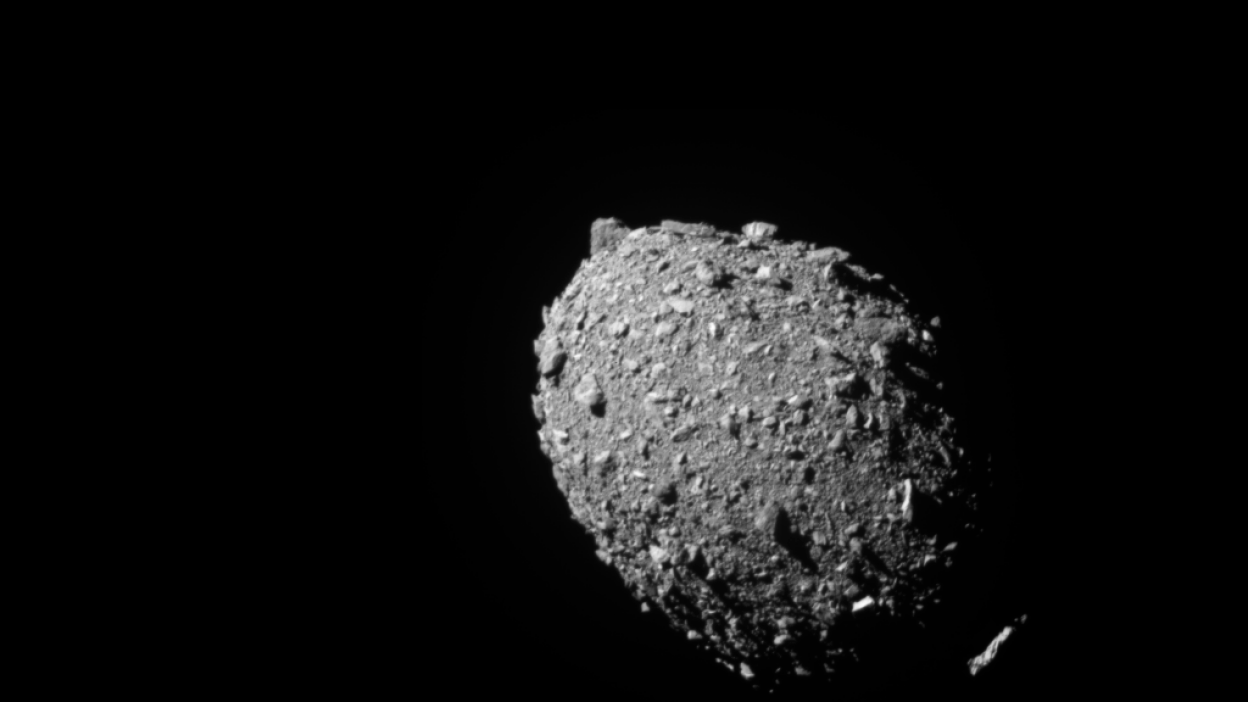
After about 15 days since DART deliberately crashed into an asteroid, NASA is now gearing up to hold a press conference to brief the public on the mission and its success in redirecting.
Expand Expanding Close
The remainder of Expedition 68 has arrived at the International Space Station. SpaceX Crew Dragon Endurance lifted off from LC-39A in Florida on October 5th.
Expand Expanding Close
On October 5, SpaceX launched its fifth operational flight of its Crewed Dragon for NASA. Launching four astronauts to the station for a six month stay on the station. Here or photos from our team of the launch of SpaceX Crew-5.
Expand Expanding Close
Uneventful is the best way to describe it, and that’s what we’ve come to expect from SpaceX missions. Under beautiful skies and wonderful temperatures, SpaceX launched the Crew 5 mission to the International Space Station. Aboard the capsule Endurance, the crew includes Commander Nicole Mann and Josh Cassada of NASA, Koichi Wakata of JAXA (Japan Aerospace Exploration Agency) and Anna Kikina of Roscosmos, the only female cosmonaut and the first Russian to fly from the US in a renewed seat exchange program.
Expand Expanding Close
This week Seth and Jared discuss SpaceX’s study to save Hubble, of course our update on the Artemis 1 mission (that we swear will end someday) and some surprisingly nice comments by Russia’s new space chief. The hot takes this week are about Tesla’s AI robot and the FCC taking on space debris.
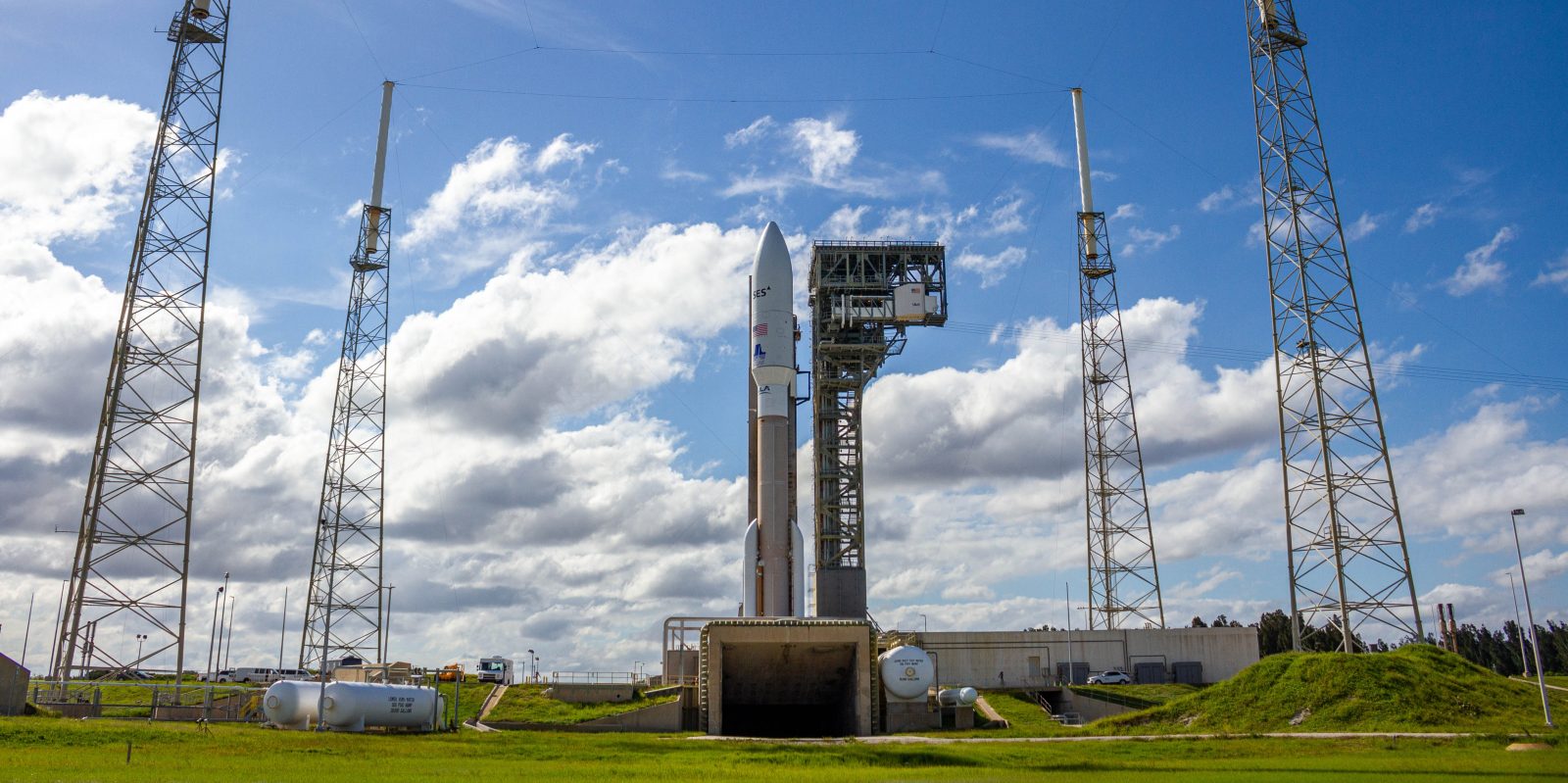

A United Launch Alliance Atlas V 531 is set to launch the SES 20 and 21 satellites at 5:36 p.m. EDT on October 4, 2022. These two satellites will be operated by SES of Luxembourg and provide TV broadcasting service across the continental United States.
Expand Expanding Close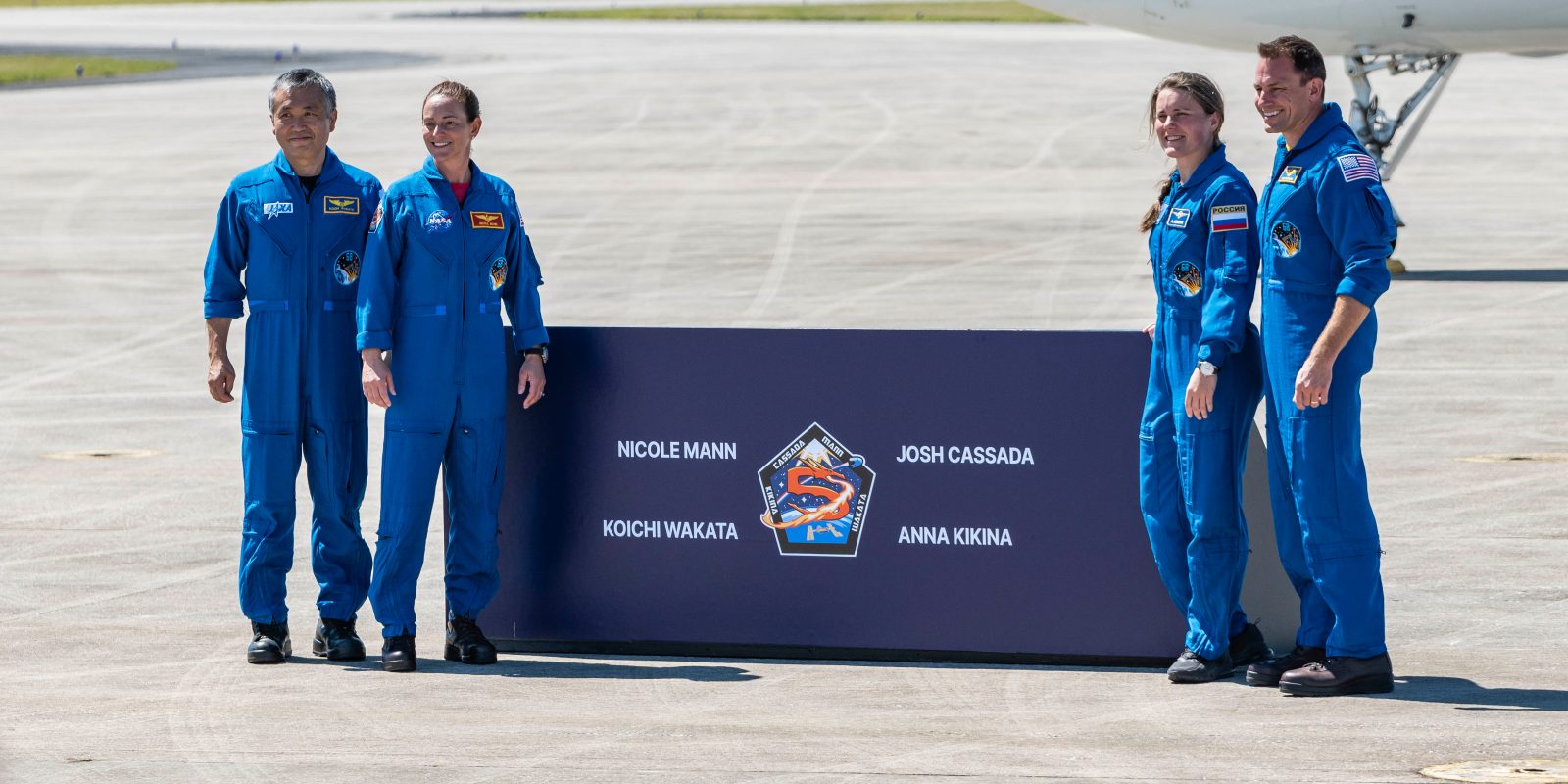
SpaceX is set to launch a Falcon 9 from LC-39A at Kennedy Space Center in Florida on October 5, 2022, at 12:00 p.m. EDT. This launch will carry four astronauts, two NASA, one JAXA, and one Roscosmos to the International Space Station for Expedition 69.
Expand Expanding Close
For any given Mars rover, there are three major and newsworthy events in its life: launch, landing, and discovery. Aside from those times, hardly anyone is paying attention to the myriad of images being sent back on a non-stop basis. Only the most hardcore Mars nerds or those who operate the rovers will see them. Or, anyone who follows a Twitter bot that automatically tweets the pictures. It’s thanks to this bot that word is getting out about Curiosity’s cracked wheels.
Expand Expanding Close
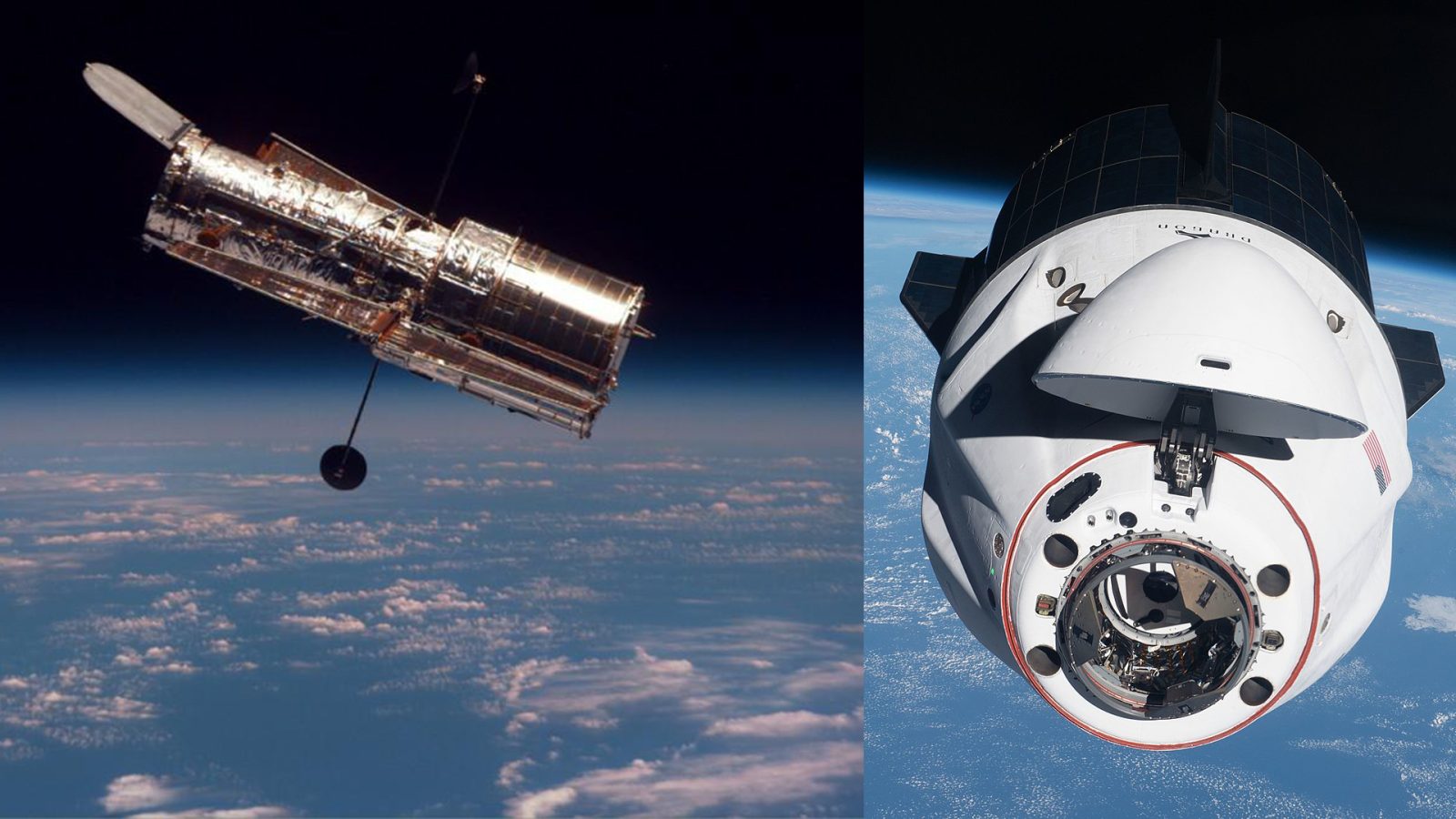
In a press conference Thursday, NASA announced it is looking into the possibility of partnering with SpaceX to boost the legendary Hubble Space Telescope into a more stable orbit – something many people joked about but didn’t think would ever be real.
Expand Expanding Close
At their Far Out event, Apple announced that satellite connectivity will be available on the iPhone 14 lineup. But a few weeks earlier, SpaceX and T-Mobile made an announcement that they will be bringing satellite-based connectivity to basically any 5G phone. So, how do these two services compare, is one better than the other, and should it affect your decision on which phone to go with?
Read More
This week Seth and Jared discuss NASA’s “Hollywood moment,” by crashing a spacecraft into an asteroid all in the name of science! Also, Artemis 1 is still on the pad, with weather predictions worsening for NASA.

Monday evening, NASA’s DART mission finished its goal by smacking full speed into a little asteroid moonlet called Dimorphos. This mission has one goal: prepare humanity incase a killer asteroid is found.
Expand Expanding Close

The latest easter egg in Google Search has a bit of fun with NASA’s recent “DART” experiment by having a spacecraft collide with your search results.
Read More
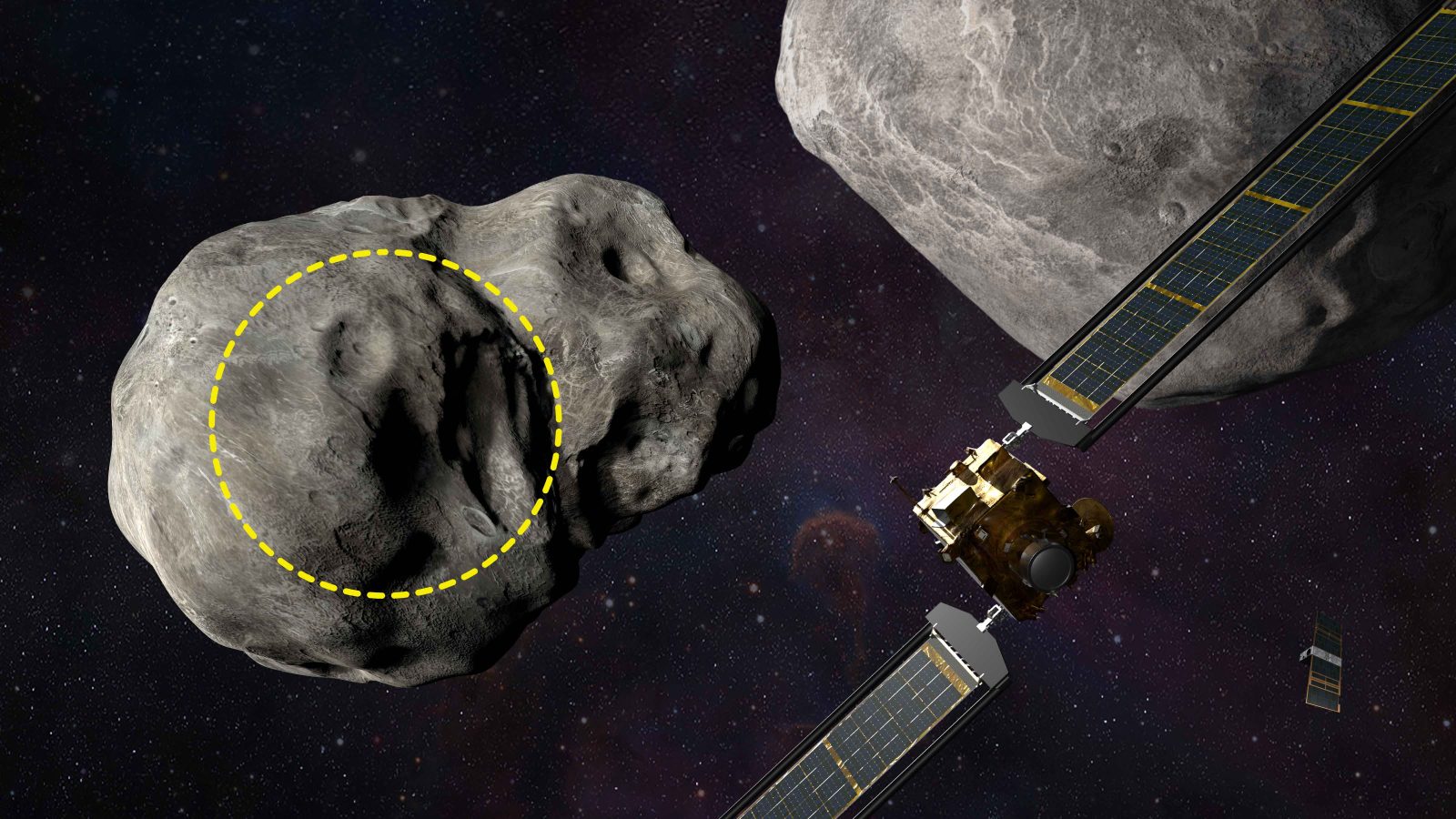
Today, NASA will deliberately crash a spacecraft into a near-Earth asteroid to try and change its motion and direction through space. A first-of-its-kind maneuver. Here’s how you can watch it live.
Expand Expanding Close


