On August 29, NASA worked its way through the countdown for the first launch attempt of the SLS rocket with the Artemis 1 mission. A few issues delayed the count, and ultimately led to the teams scrubbing the launch. So when will NASA attempt to launch their most powerful rocket?
While the hype was real for today’s historic launch attempt of Artemis 1, today was just not the day. Unfortunately, we don’t yet know the severity of the issues that eventually put the nail in the coffin for today’s launch, but we should hopefully know soon.
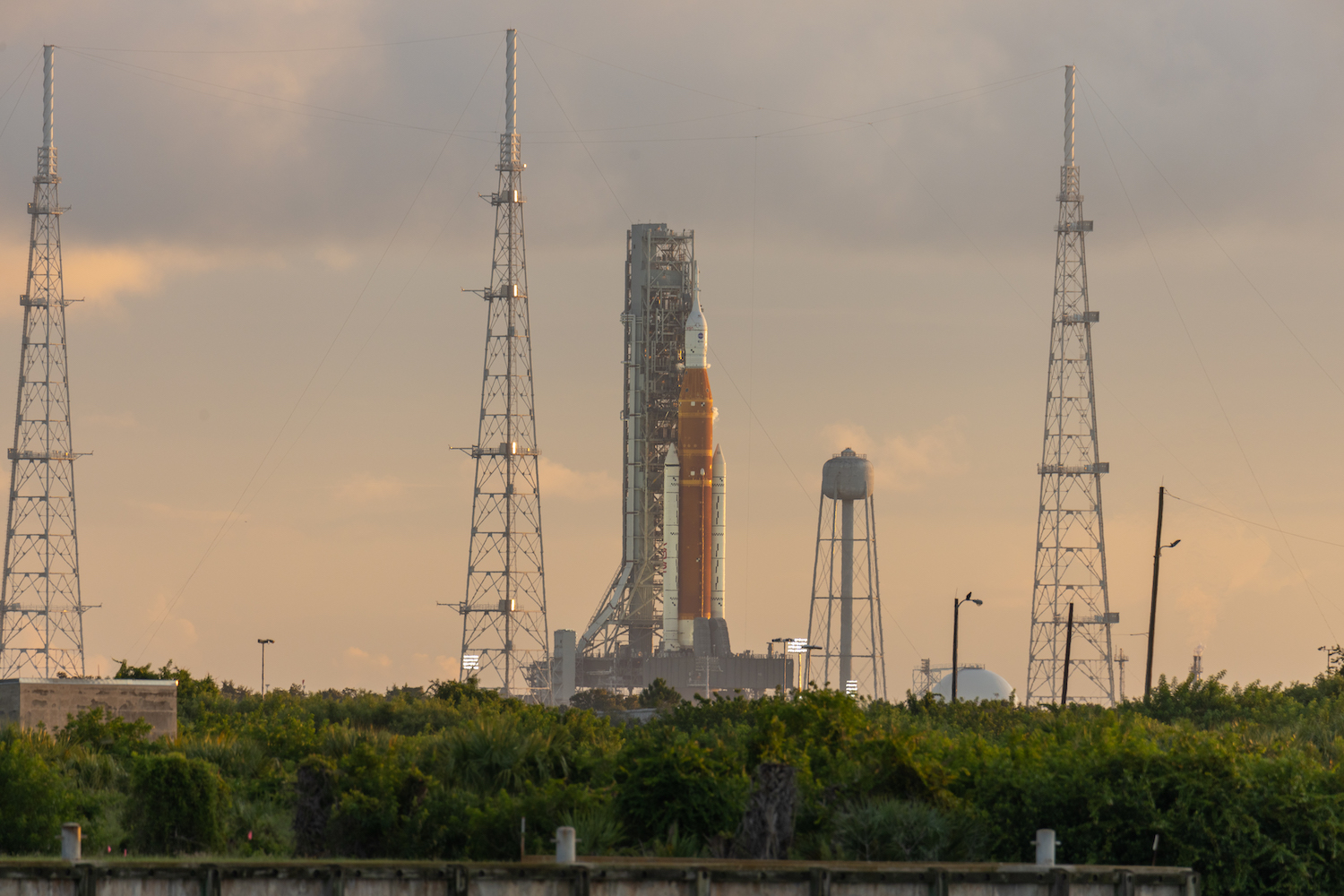
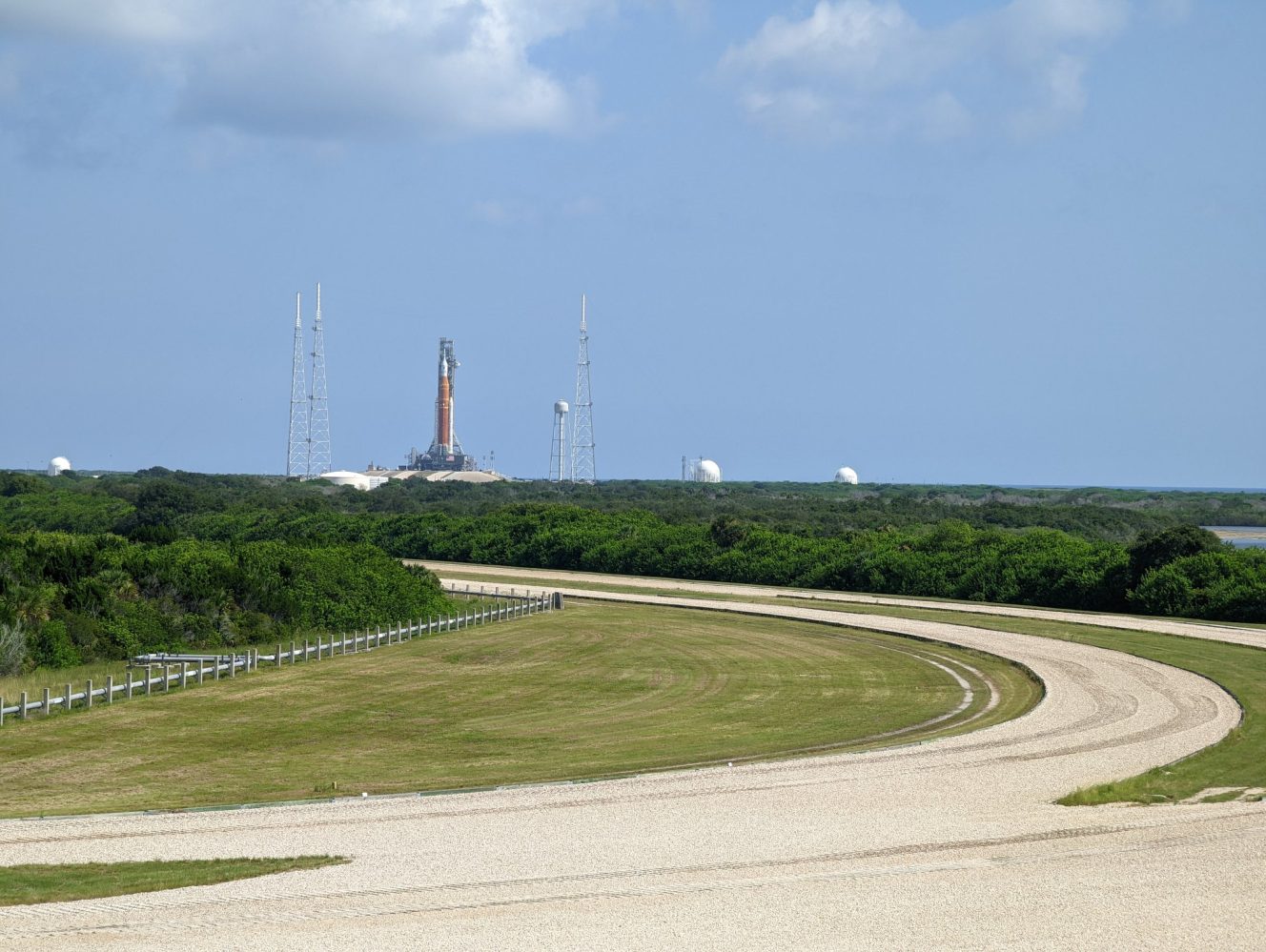
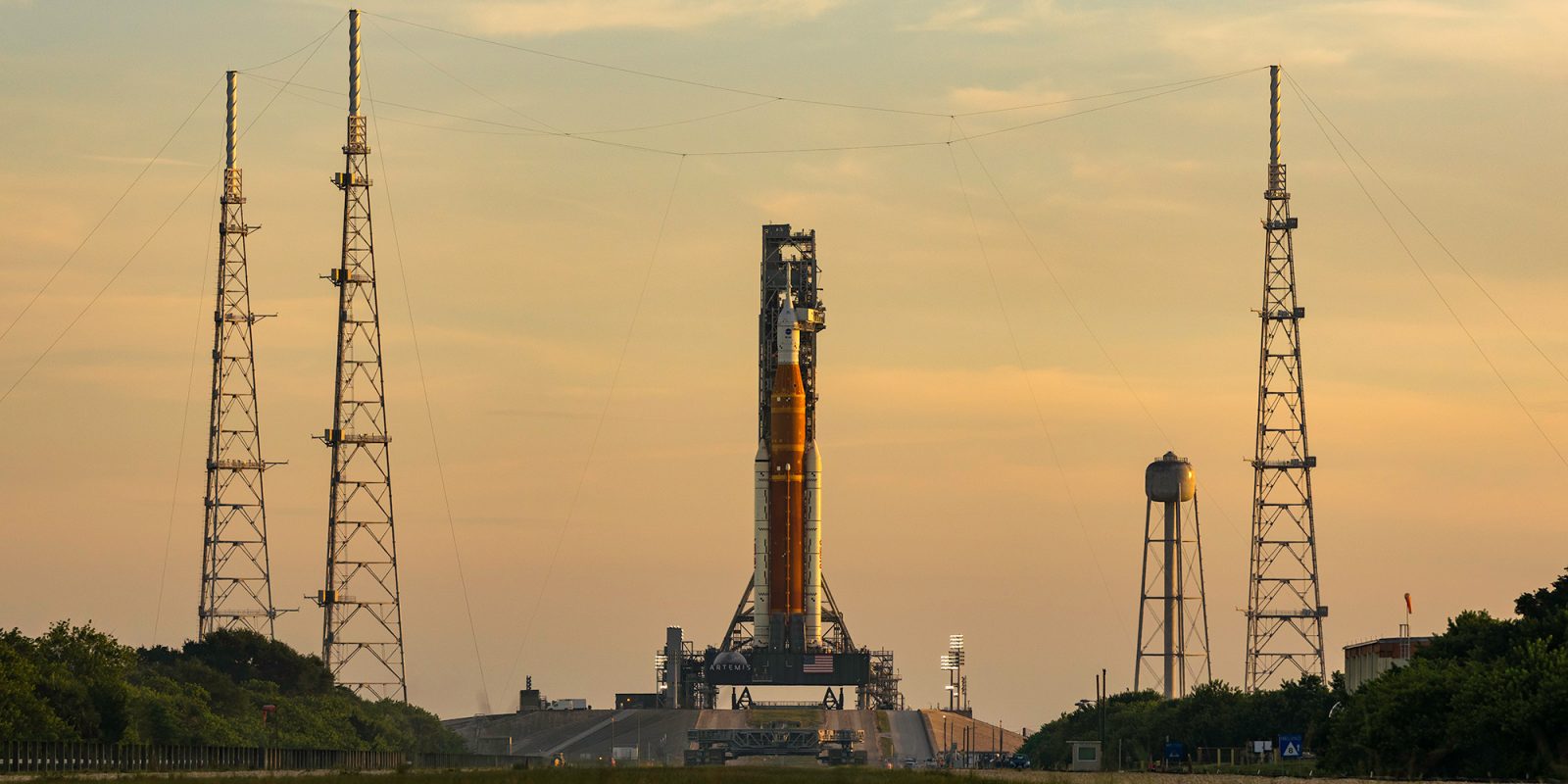
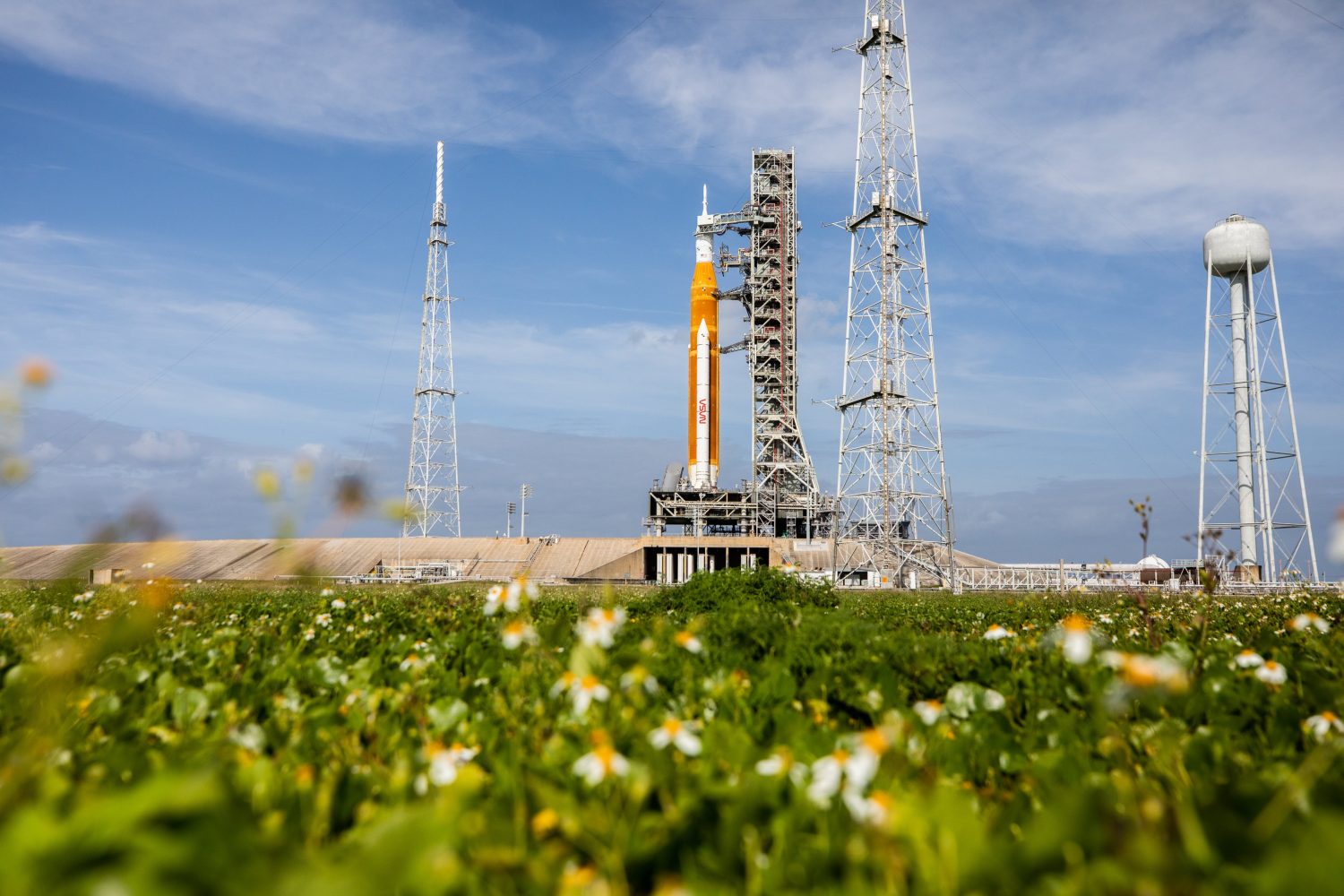
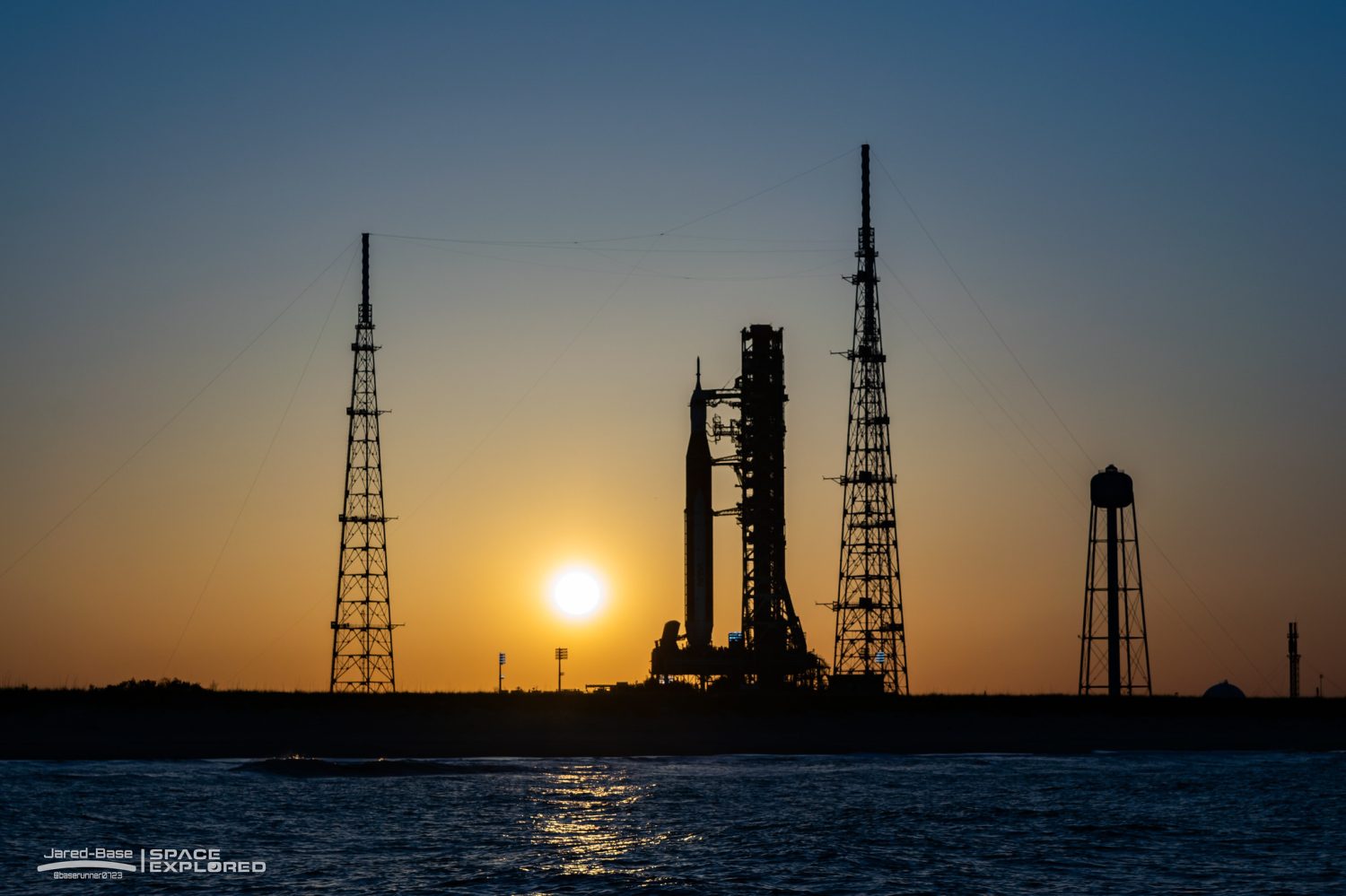
After years of work, SLS sits on LC-39B ahead of its maiden flight on Artemis 1. The launch, set for the morning of August 29, will certainly be beautiful, but the rocket has already provided some brilliant views on its journey to the launch pad.
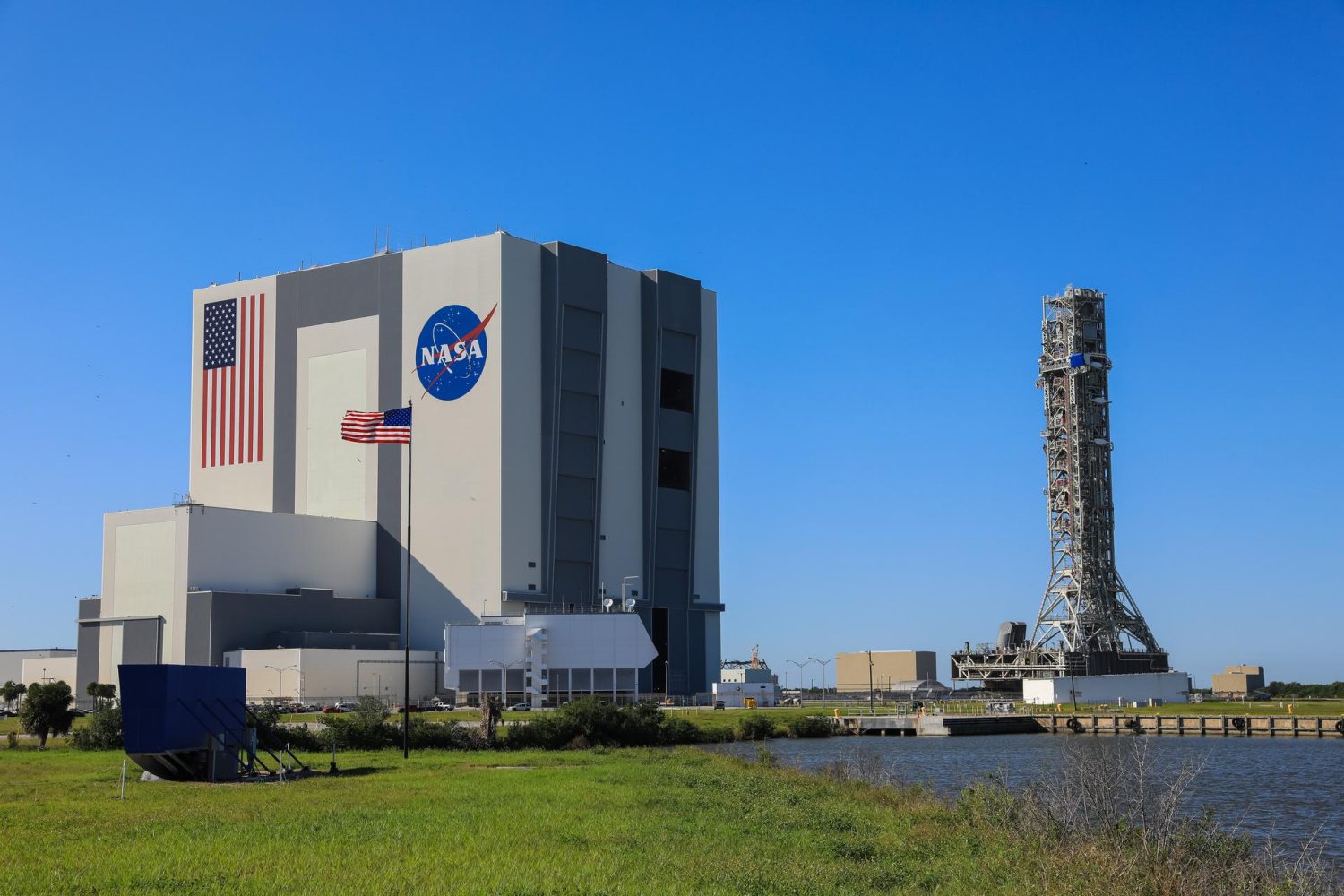
Isn’t that a nice headline to finally write? Artemis I (knock on wood) took its final rollout from the Vehicle Assembly Building to Launch Complex 39B. With less than two weeks until the launch date, the feeling is real that it might happen.
NASA is set to launch the Space Launch System (SLS) rocket for the first time from LC-39B at Kennedy Space Center in Florida on August 29, 2022, with the two-hour launch window opening at 8:33 a.m. EDT. This launch will carry the Orion capsule on the Artemis 1 mission to a distant retrograde orbit around the Moon for a full, uncrewed test.
Today, NASA’s latest Moon rocket, SLS, will be rolling to the launchpad. After the sun sets, the crawler will begin to carry the rocket over out to LC-39B, and the rocket is scheduled to launch for the Artemis I on the morning of August 29 for an uncrewed flight around the Moon.
The launch of Artemis I has been a long-anticipated (and delayed) event. At last, the rocket is nearing its launch. With barely more than two weeks until the planned launch, the rocket is now set to head for the launchpad on Tuesday evening.
Update: As of July 20, NASA says it is holding three placeholder dates for possible launch targets: August 29 between 8:33 a.m. and 10:33 a.m. ET, September 2 between 12:48 p.m. and 2:48 p.m. ET, and September 5 between 5:12 p.m. and 6:42 p.m. ET. Mission duration would be 42 days, 39 days, and 42 days, respectively.
NASA conducted its fourth wet dress rehearsal attempt for its Space Launch System rocket this week, completing a critical trial run at fueling the rocket mostly without issue. Officials were uncertain one day after the test if the Moon rocket would require another round of fueling. The agency has since communicated that it intends to launch SLS as early as last August without a fifth go at working out the kinks during fueling.
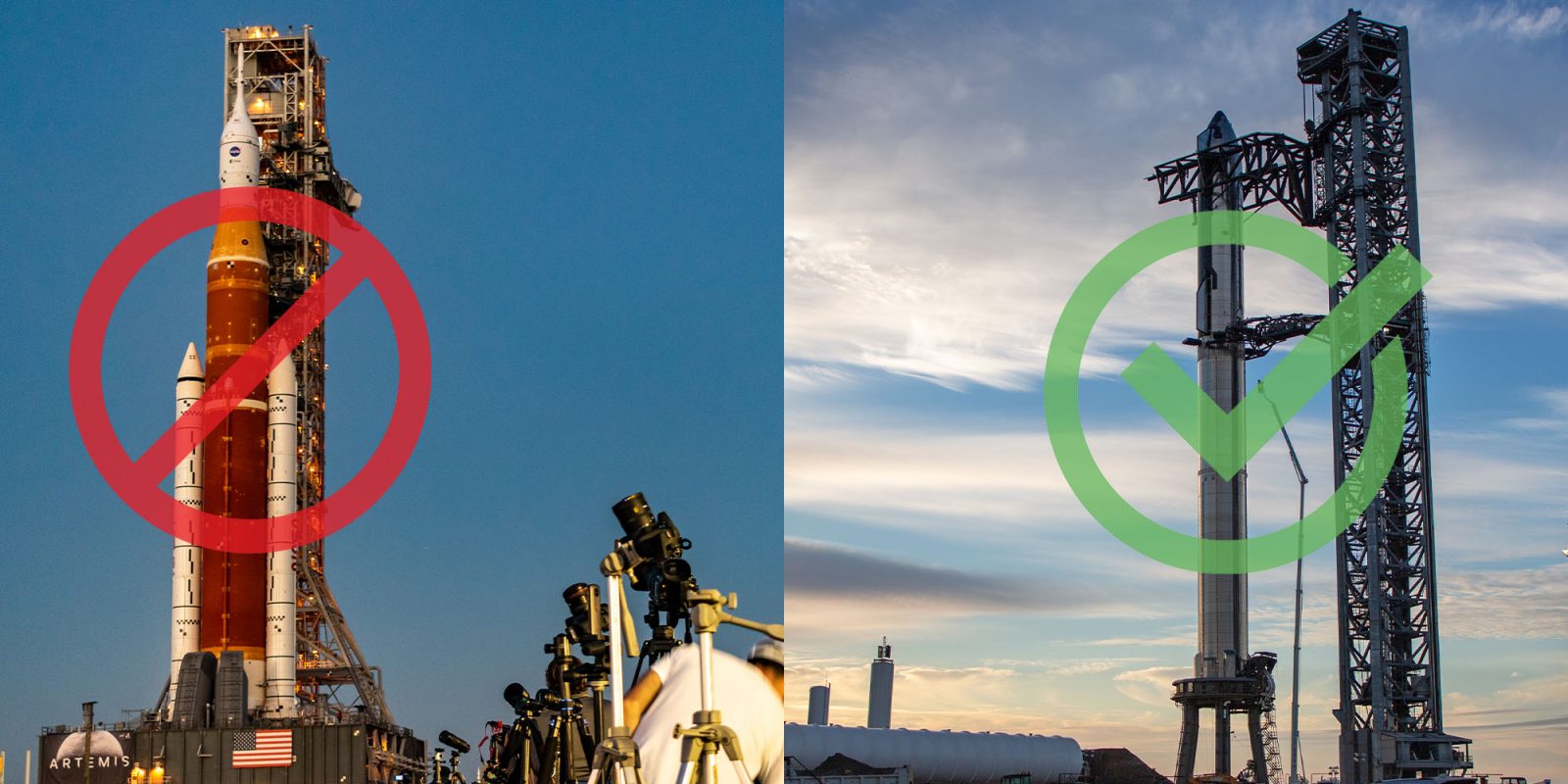
In an interview with the German publication Der Spiegel, NASA Administrator Bill Nelson discussed the question many have been asking for a while. Why doesn’t NASA ditch SLS and replace it with SpaceX’s cheaper and more capable Starship rocket?
NASA completed the wet dress rehearsal of its Space Launch System rocket Monday from start to (almost) finish for the first time. It wasn’t without some hiccups, but this is a major milestone to fuel up all four tanks on the rocket before launch.
In a media briefing Friday, NASA announced that they will attempt its next wet dress rehearsal for the Space Launch System (SLS) in just over two weeks. All of this will begin when the massive rocket begins its rollout as soon as June 6.
After a month of sitting out on LC-39B, NASA’s first Space Launch System Moon rocket will be rolled back to the Vehicle Assembly Building after failing to finish its Wet Dress Rehearsal three times. NASA will fix the faulty equipment and roll the rocket back out for another attempt.
The first launch of SLS, on Artemis I, has been a long time coming. With the SLS that will launch for Artemis I at the pad for its wet dress rehearsal, teams have resumed the test that was cut short last week due to valve issues.
Over the next 24 hours, NASA teams will begin to move the agency’s fully stacked Space Launch System rocket to LC-39B for the very first time. After decades of redesigns and delays, the rocket has finally been assembled and will be at its launch site in a final testing stage before its inaugural launch. Follow below with our rollout tracker of SLS’s progress across NASA’s Crawlerway as it makes the slow journey.
After years of delays and cost overruns, the much-anticipated Space Launch System rocket and Orion spacecraft are set to roll out to Launch Complex 39B on Thursday, March 17 at the Kennedy Space Center.
Update: Stream time changed to 5:45 p.m. EDT (delayed 45 minutes)
Today NASA confirmed that it is prepared to support the rollout of the Space Launch System rocket from the Vehicle Assembly Building to Launch Complex 39B on March 17 at 5 p.m. EDT. The roll is expected to take around 11 hours from start to hard down at the pad. After years of waiting and delays, we are about to see this beast of a vehicle roll for the first time.
NASA is on track to conduct its first mission of the new Artemis lunar exploration program sometime in spring 2022. It’s been a long time coming for the space agency’s Space Launch System (SLS) rocket and Orion spacecraft. It appears the historic first flight of SLS will have to wait a little longer, however, as NASA buys more time to complete prep work before liftoff.
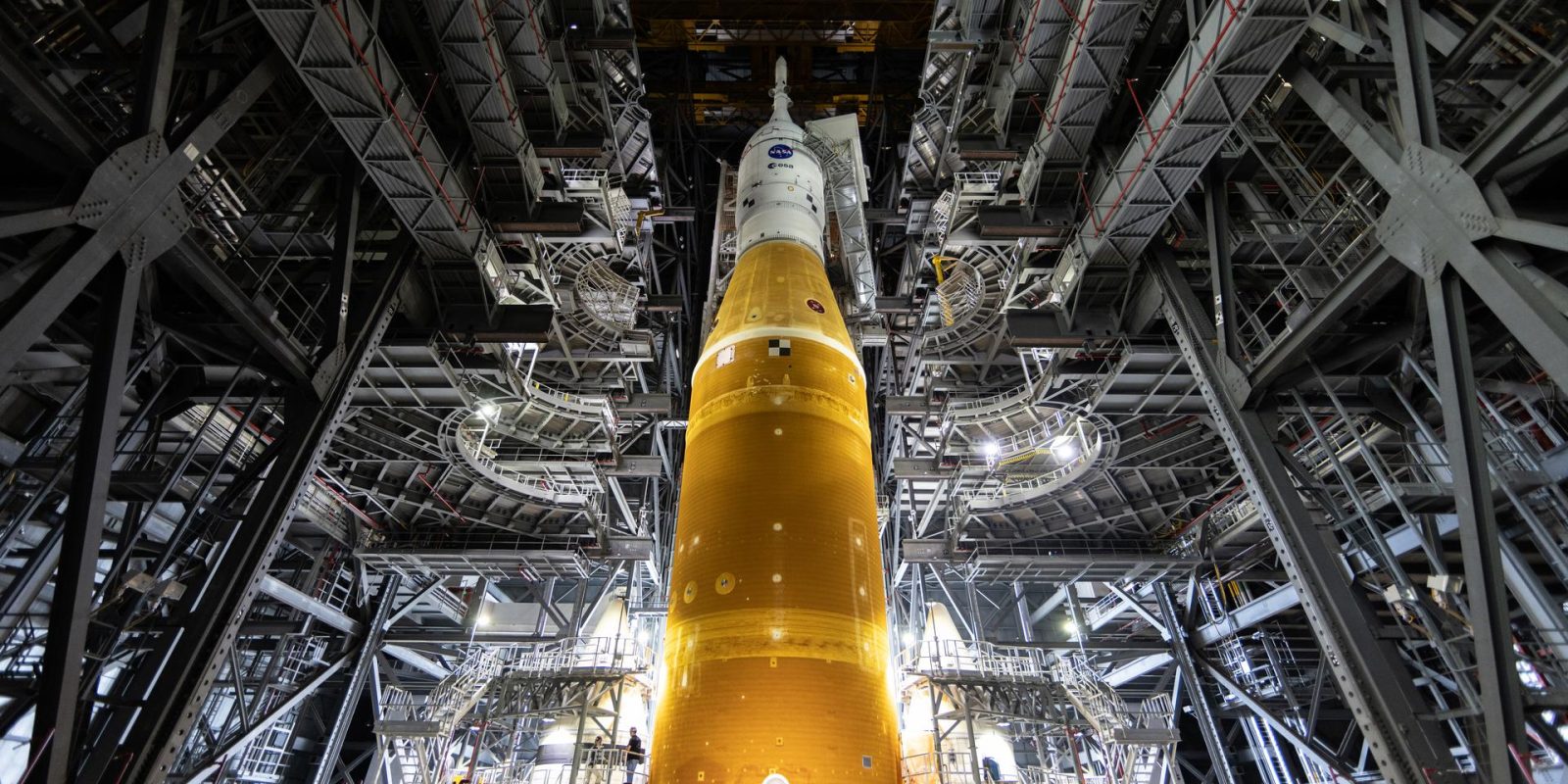
We are inching closer and closer to the long-awaited launch of NASA’s Space Launch System rocket. Engineers just completed another milestone test working towards seeing SLS roll out from the VAB for the first time.
If the schedule holds, NASA is gearing up to launch its first Artemis mission as soon as February 2022. The “Orange Rocket,” as it is sometimes called, pulls a lot of old hardware and launch sequences from the iconic Space Shuttle.
On Monday, NASA’s Office of Inspector General released a report detailing their finding during an audit of the Agency’s Artemis missions. The results are full of information on Starship and predicted timelines for Artemis I through III.
NASA representatives released launch windows for the agency’s Artemis I mission, launching on the newly stacked Space Launch System, in a call with the media.