Reusability

See All Stories

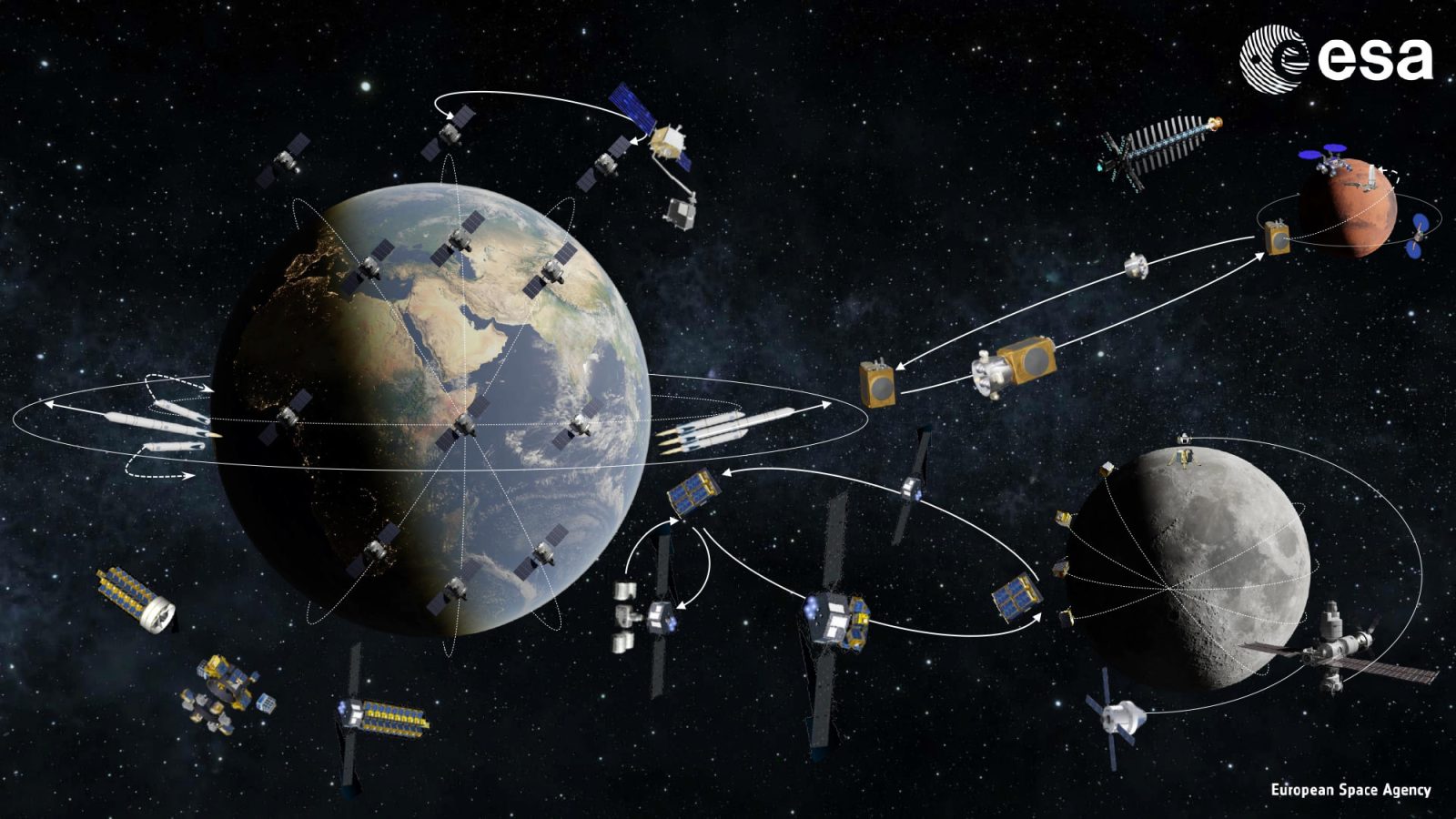
How spacecraft and rockets return from space

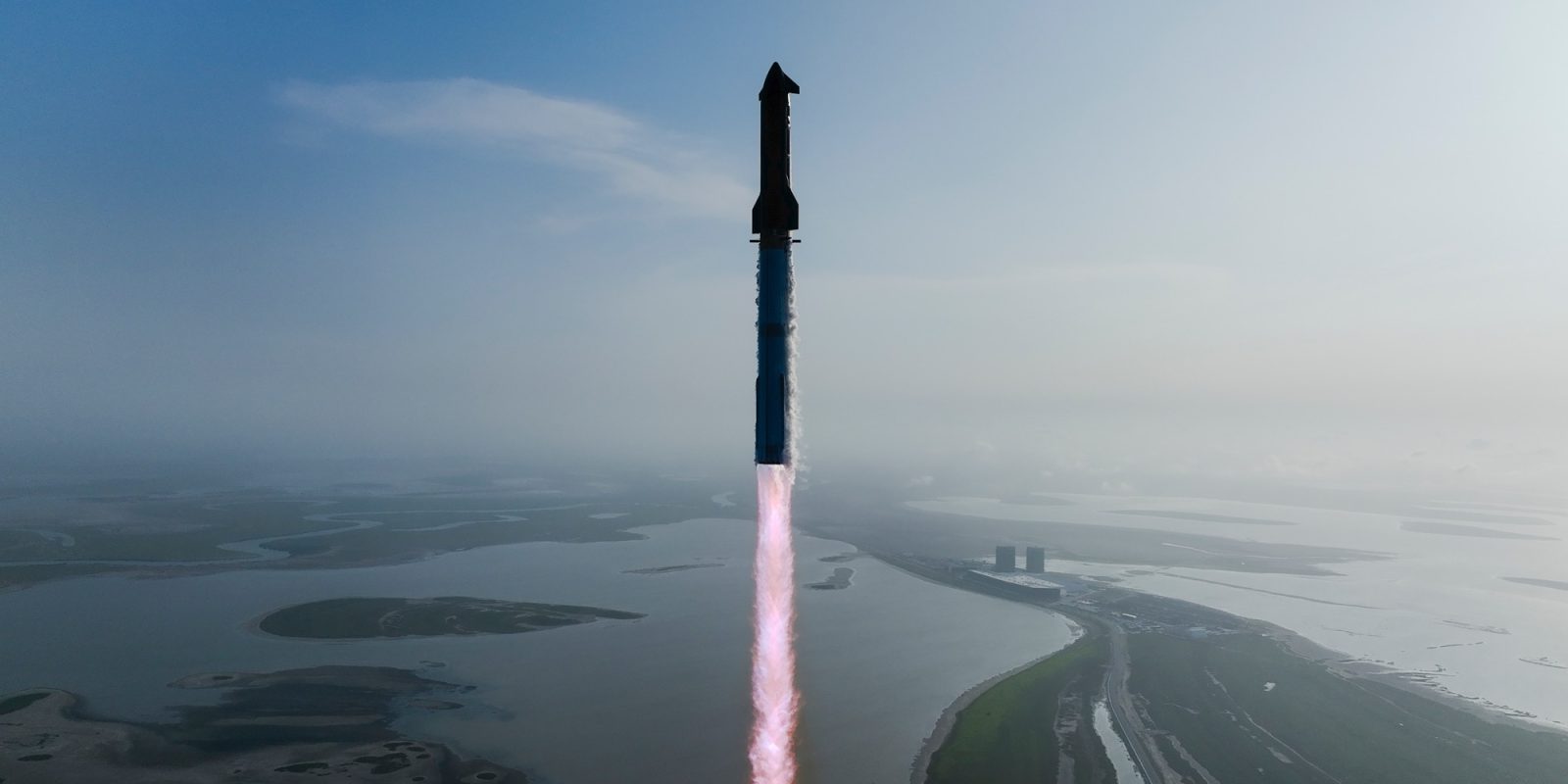
No spacecraft returns from orbit the way a commercial airplane descends: all spacecraft returning from orbit must endure a fiery atmospheric reentry, where the atmosphere behaves less like air and more like a blazing barrier of compressed plasma. Spacecraft must meet it with blunt shapes, heat-resistant materials, and aerodynamics designed not for elegance, but for survival during their unpowered descent.

Expand Expanding Close

Starship Flight 9 to see first reused booster

SpaceX announced that its Starship Flight 9 mission will see the rocket’s first taste of reusability with the booster from Flight 7. The company also announced that a vast majority of the Raptor engines that flew on the booster will return for flight as well.

Read more: Starship Flight 9: SpaceX shows off Ship 35 heading for testing

Expand Expanding Close

Terminal Count: Artemis 2 delayed to 2026 while SpaceX continues to break records

Liftoff of SLS for the Artemis 1 mission

It will be a quiet launch week with only two days seeing orbital launches from China, Japan, and of course, SpaceX. The biggest story of the last week was with NASA; it received a nomination for the next NASA Administrator, then the outgoing Administrator announced the delay of the Artemis 2 and 3 missions.

Expand Expanding Close
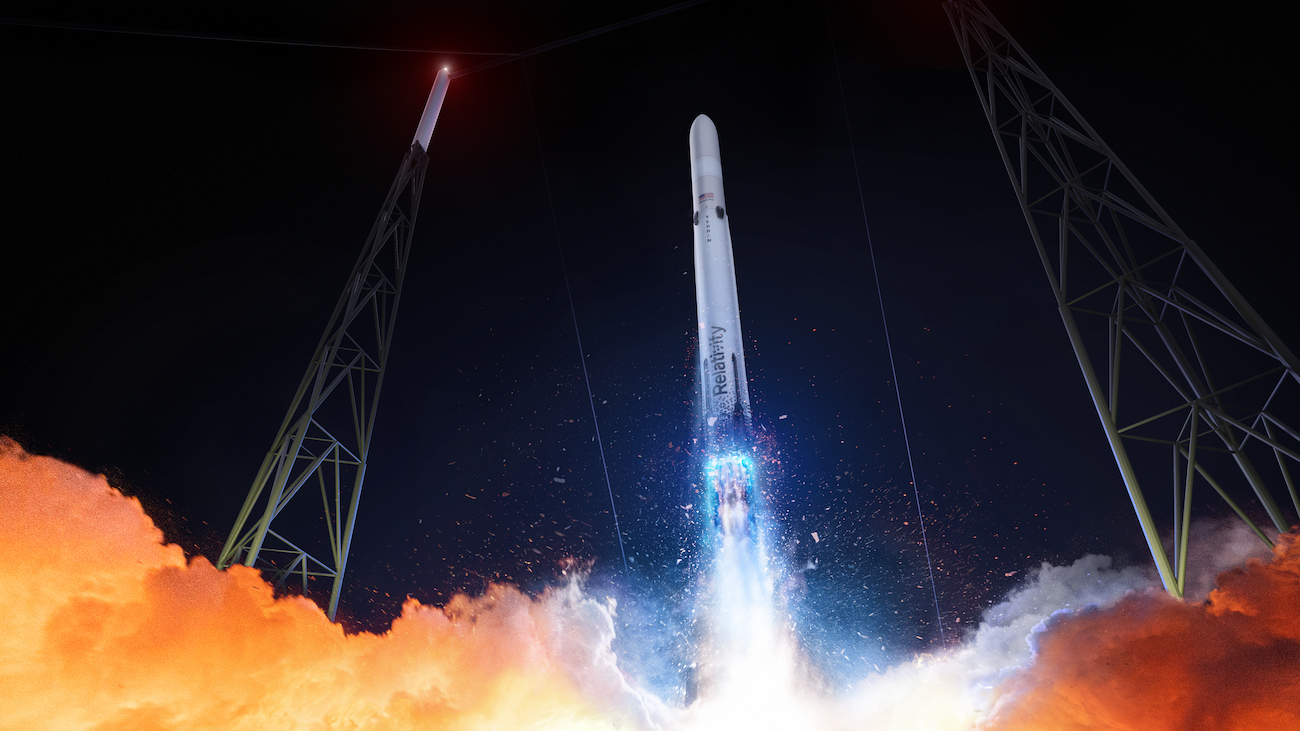
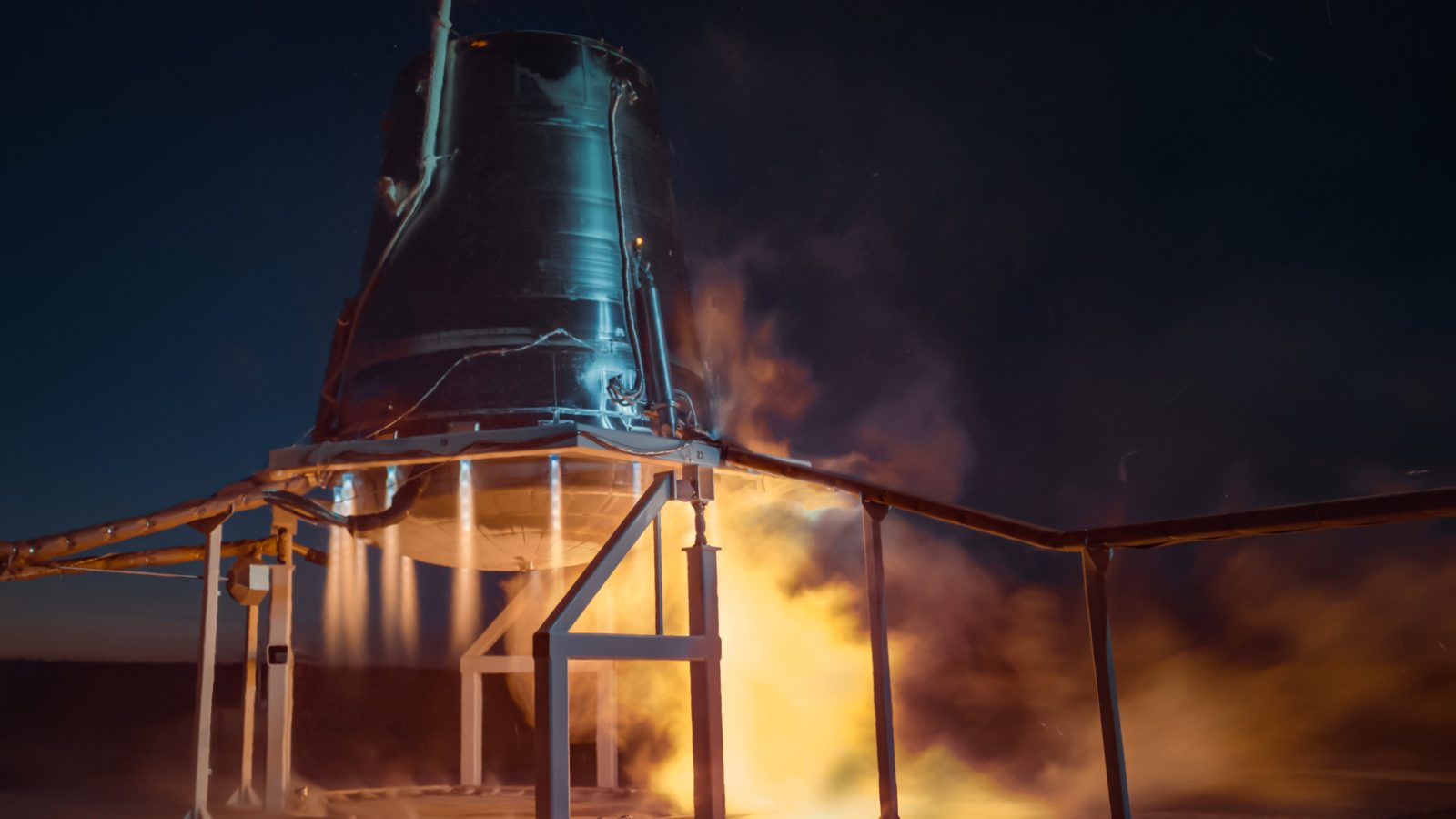
Stoke Space performs a static fire on its Hopper2 test vehicle

In a journey marked by innovation and determination, Kent, Washington-based Stoke Space has been making strides in the field of space technology and exploration since 2019. The company recently transported its reusable second-stage prototype, known as the Hopper Test Vehicle, to its testing facility in Moses Lake, Washington. 

Expand Expanding Close
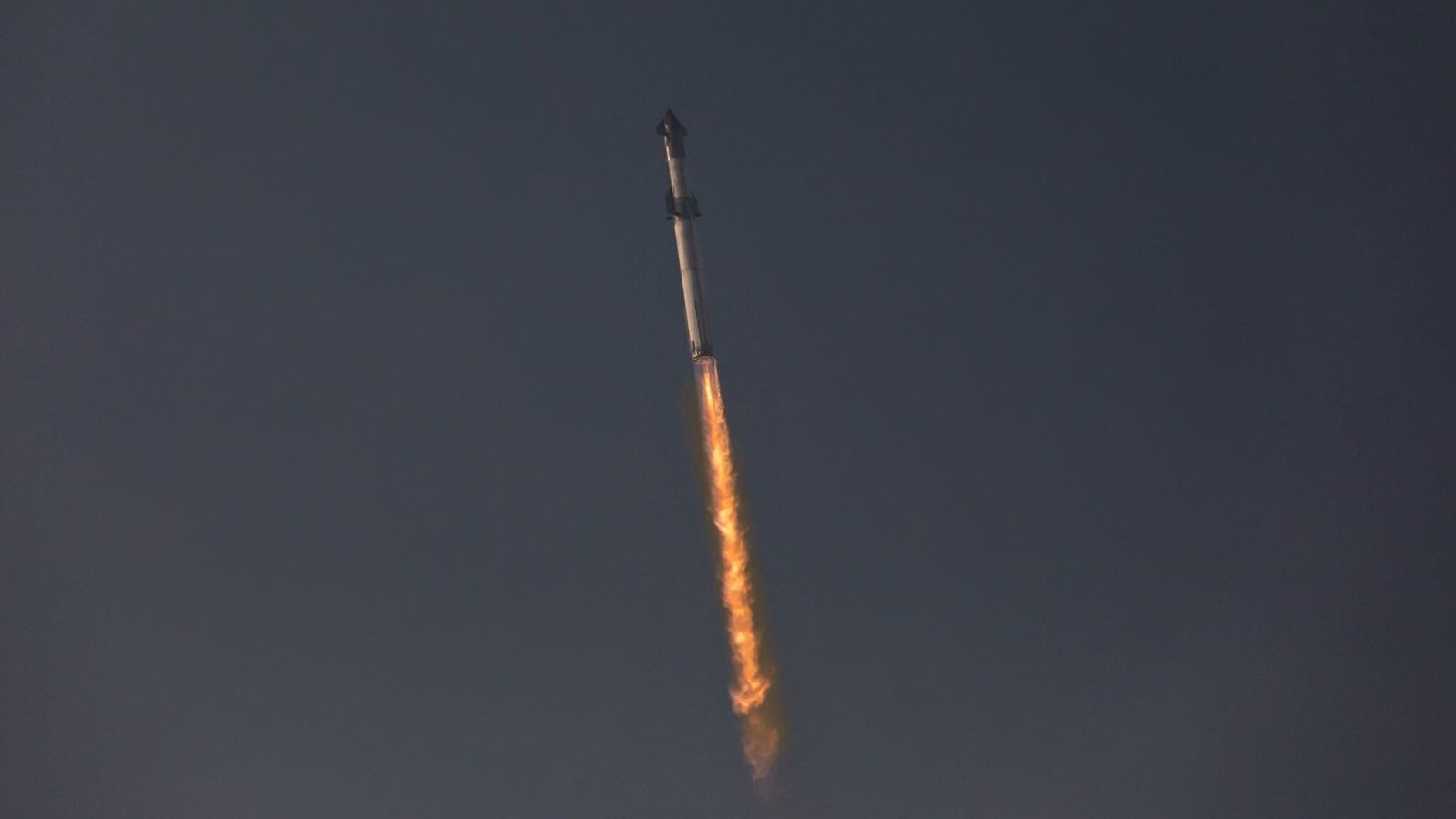
SpaceX’s Starship takes flight, bringing us closer to a new spaceflight era

In a moment of shock and awe, SpaceX’s Starship launch vehicle lifted off from what was just a few years ago a small beach village at the southernmost point of Texas, now referred to as Starbase. While it didn’t make it to Hawaii, it did bring us closer to a new era of spaceflight – one whose launch market will most likely remain dominated by SpaceX’s innovation.

Expand Expanding Close

Vulcan inflatable heat shield test launching on Atlas V in early November

ULA Vulcan inflatable heat shield test

When spacecraft reenter, they need a heat shield to protect them from the immense friction and heat of speeding through the atmosphere. Usually, these are rigid structures, but ULA plans to use an inflatable heat shield to protect the engines of their Vulcan rocket and recover them for reuse. They’ll be testing out that type of heat shield next month.

Expand Expanding Close

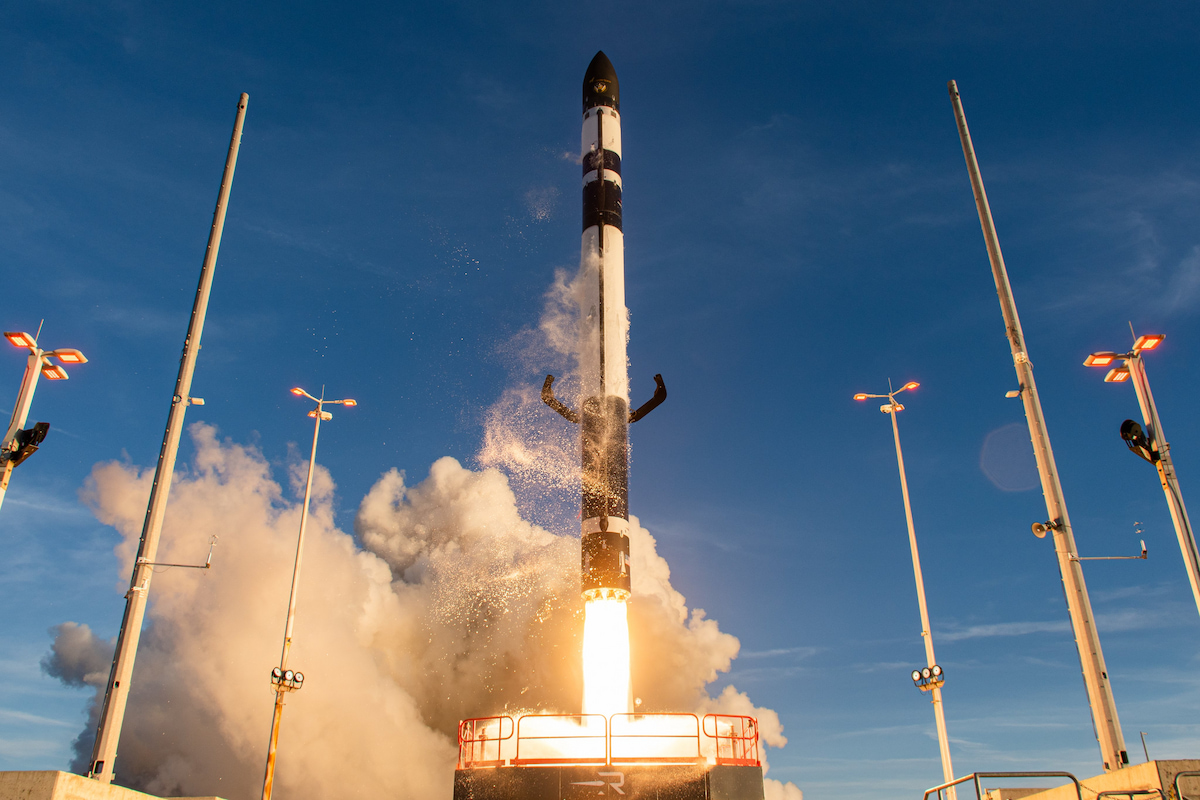
Rocket Lab drops first caught Electron booster, but it’s not a failure

Earlier today, Rocket Lab launched its ‘There and Back Again’ mission. This was the first Electron launch to feature an air-based recovery, using a helicopter to catch the first stage that was descending under parachute. While the catch seemed good, and Rocket Lab confirmed success, groans heard from mission control made it clear that all was not quite as expected.

Expand Expanding Close