While Cape Canaveral is no stranger to a high launch cadence, last week the Cape saw something it hasn’t seen in decades – two launches on the same day. On the early morning of August 4, ULA launched SBIRS GEO-6, then in the evening, SpaceX launched KPLO.
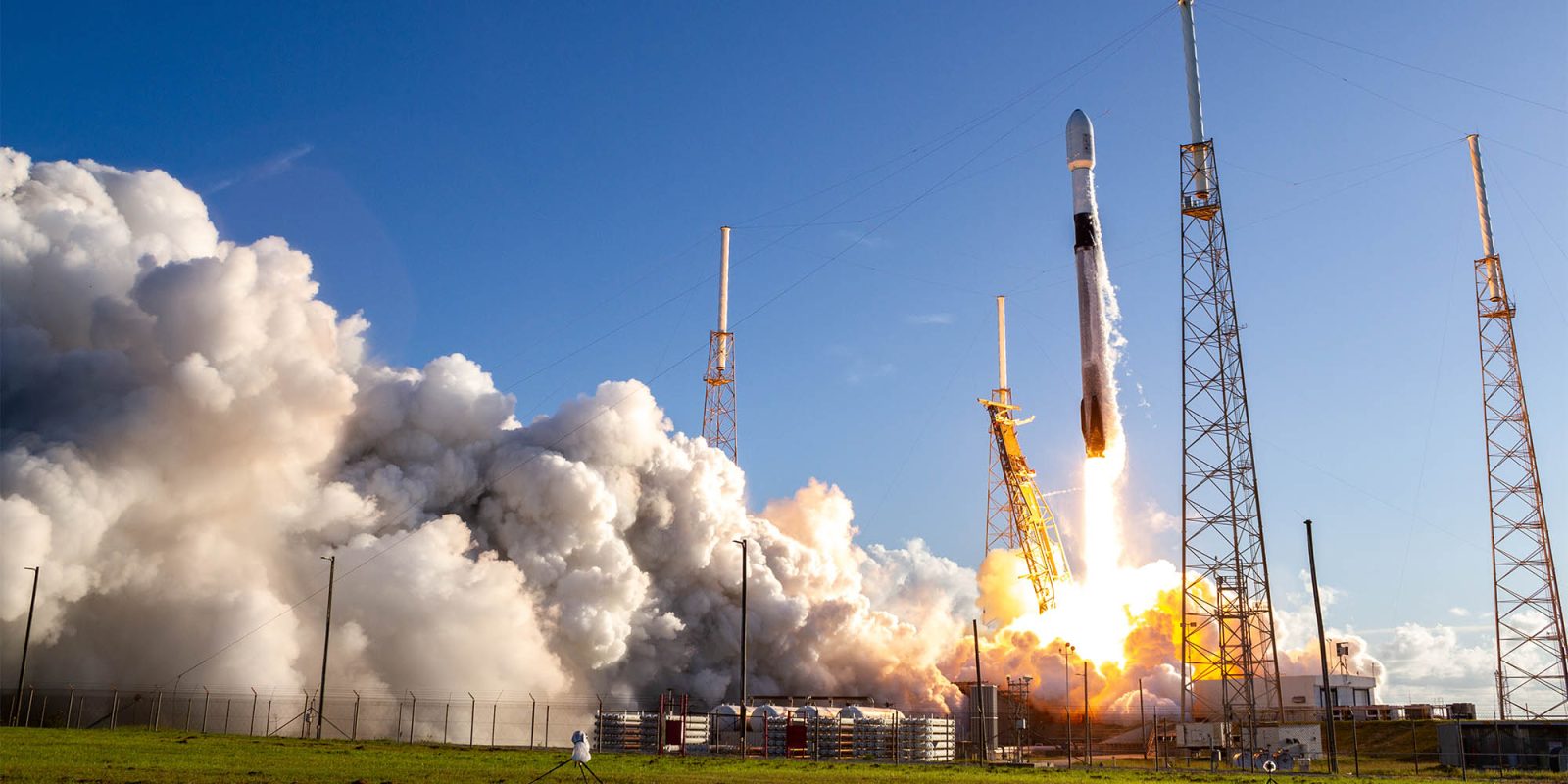
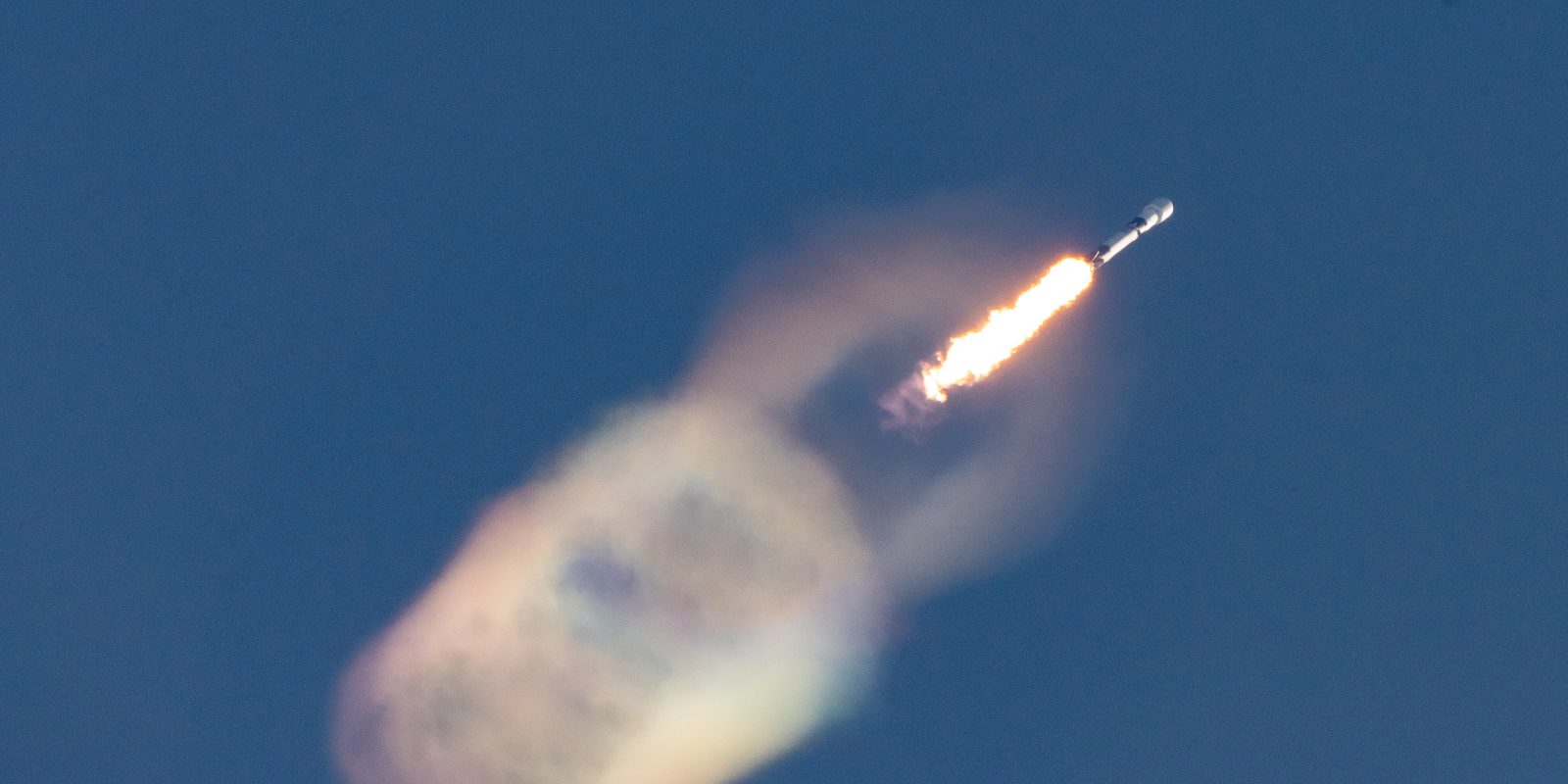
SpaceX is set to launch a Falcon 9 from SLC-40 from Cape Canaveral Space Force Station in Florida on August 4, 2022, at 7:08 p.m. EDT. This launch will carry the Korea Pathfinder Lunar Orbiter (KPLO), which is officially named Danuri, to a 100km Polar Lunar Orbit.
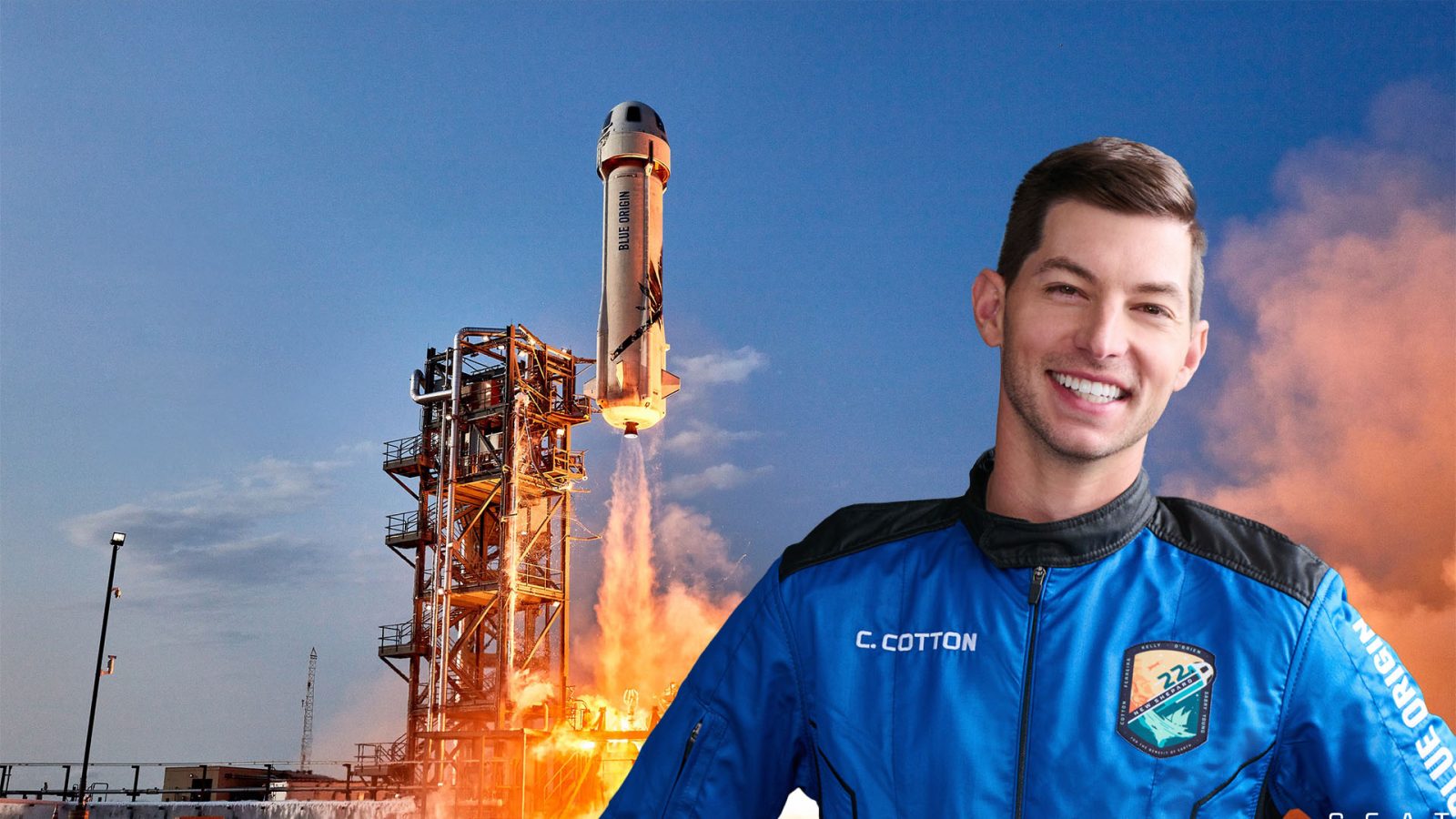
Coby Cotton, one of the five members of Dude Perfect, launched on Blue Origin’s New Shepard rocket early Thursday morning. Cotton’s participation is part of a partnership between the trick shooting YouTubers and a crypto company called MoonDAO.
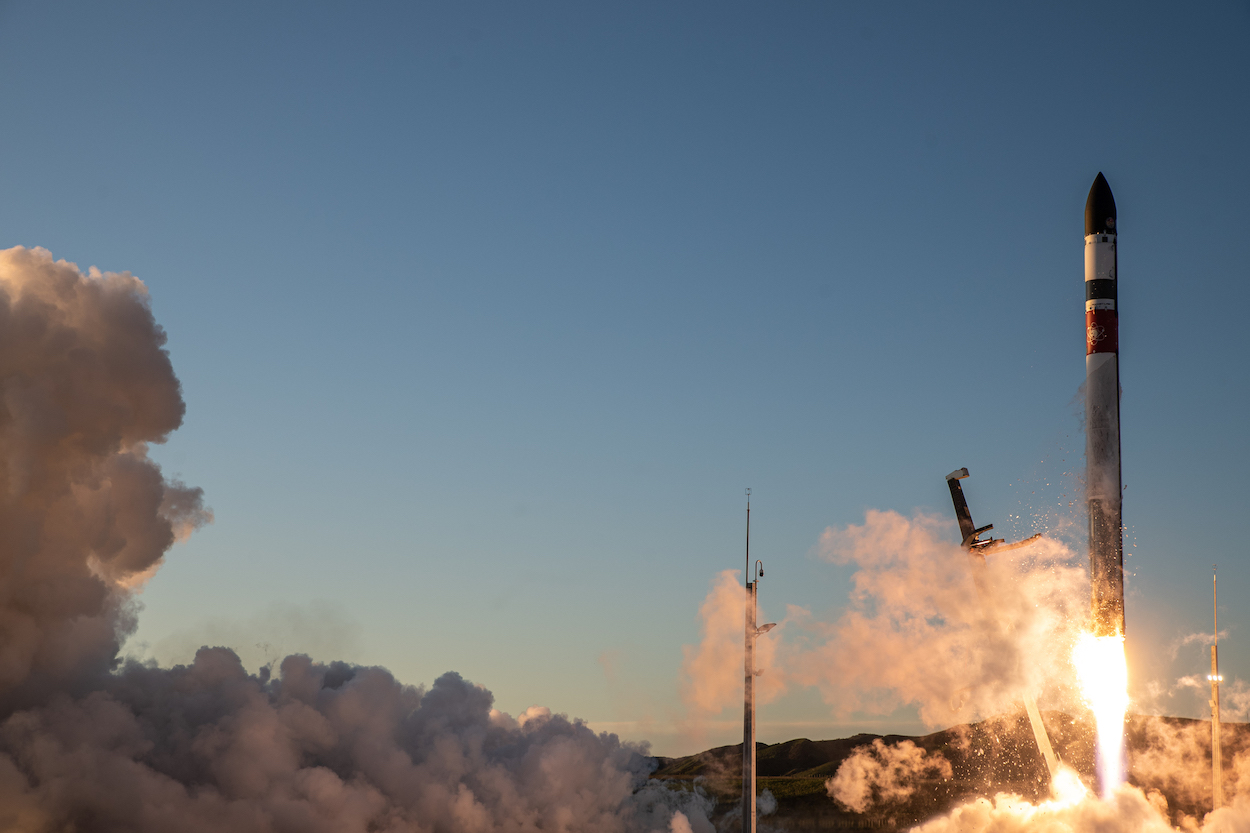
Rocket Lab, the leader of the SmallSat launch market, has completed its “Back to Back” launch campaign for the National Reconnaissance Office. This marks a major cadence milestone for the company working to become the SpaceX of SmallSat launches.
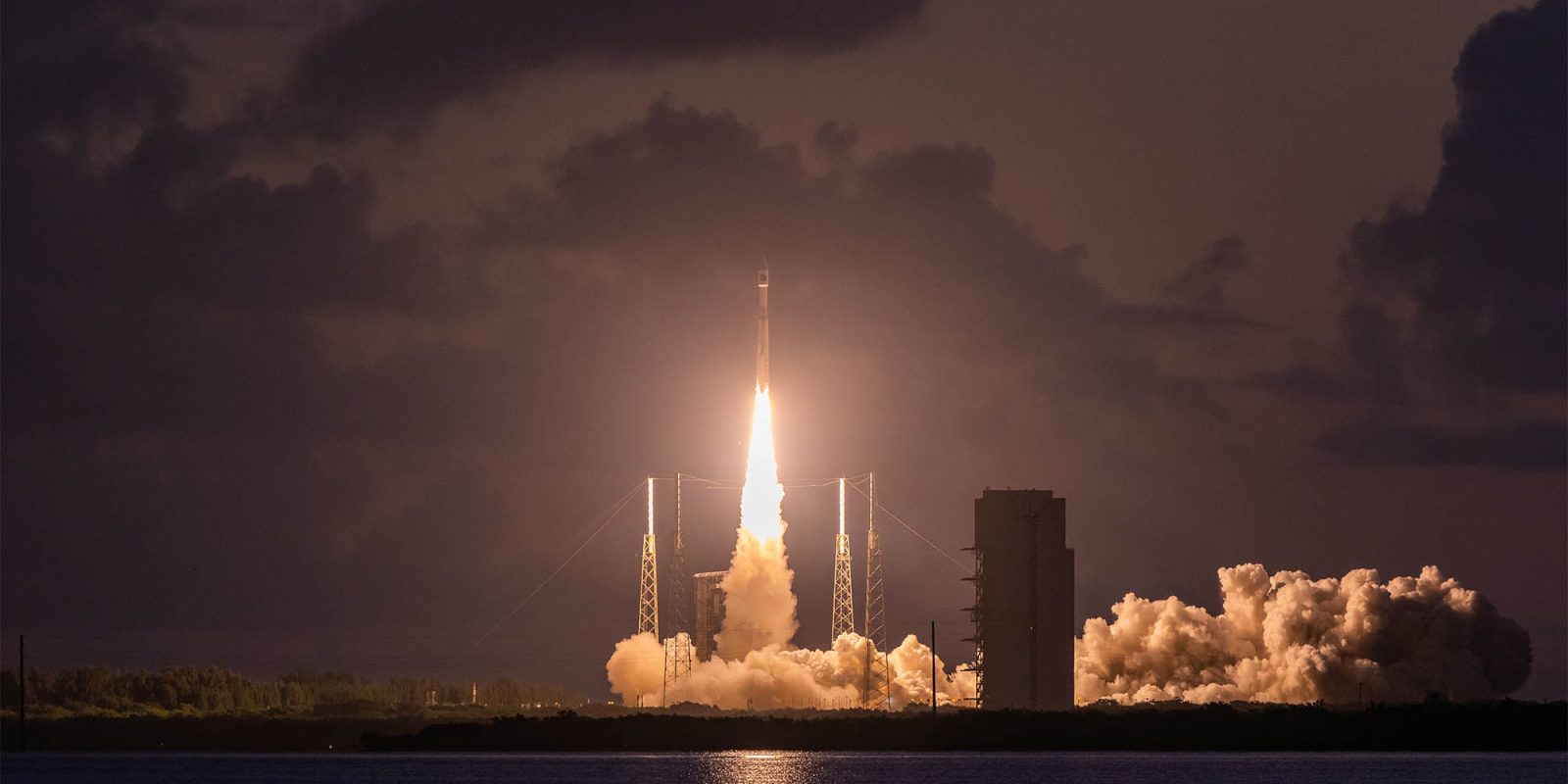
A United Launch Alliance Atlas V 421 rocket will launch the sixth Space Based Infrared System Geosynchronous Earth Orbit (SBIRS GEO-6) mission for the United States Space Force’s Space Systems Command to a Geosynchronous Transfer Orbit. The target liftoff time is no earlier than 6:29 a.m. EDT on August 4, 2022, from SLC-41 at Cape Canaveral Space Force Station in Florida.
Back when Tesla still had its vehicle referral program, one of the perks was the ability to launch a photo to space with another one of Elon Musk’s company’s – SpaceX. Now, for many of the Tesla owners who have waited years, that time has actually come. Tomorrow, as SpaceX launches a Moon-bound South Korean satellite, many Tesla customers will have their photos tag along. Here’s everything you should know about the launch.
Surprising probably no one, the timeframe SpaceX CEO Elon Musk has given for a successful orbital Starship mission is anywhere from next month to next year.
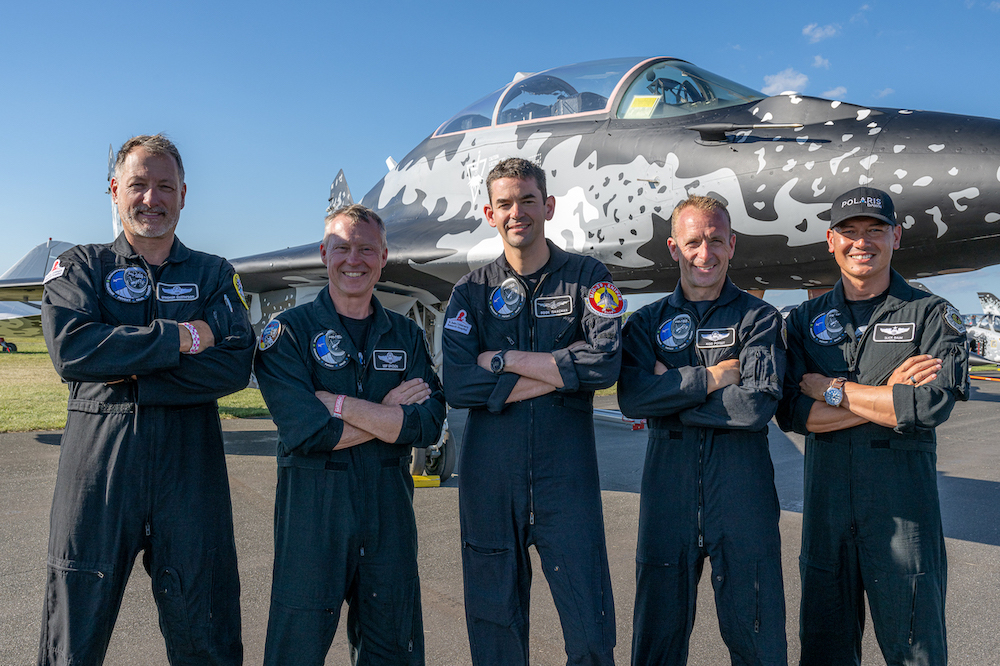
Announced in February, Jared Issacman’s Polaris Program crew has been training for a flight on SpaceX’s Crew Dragon spacecraft this year. At EAA’s AirVenture airshow this weekend, Issacman announced that the launch date for Polaris Dawn could be as soon as the end of this year.
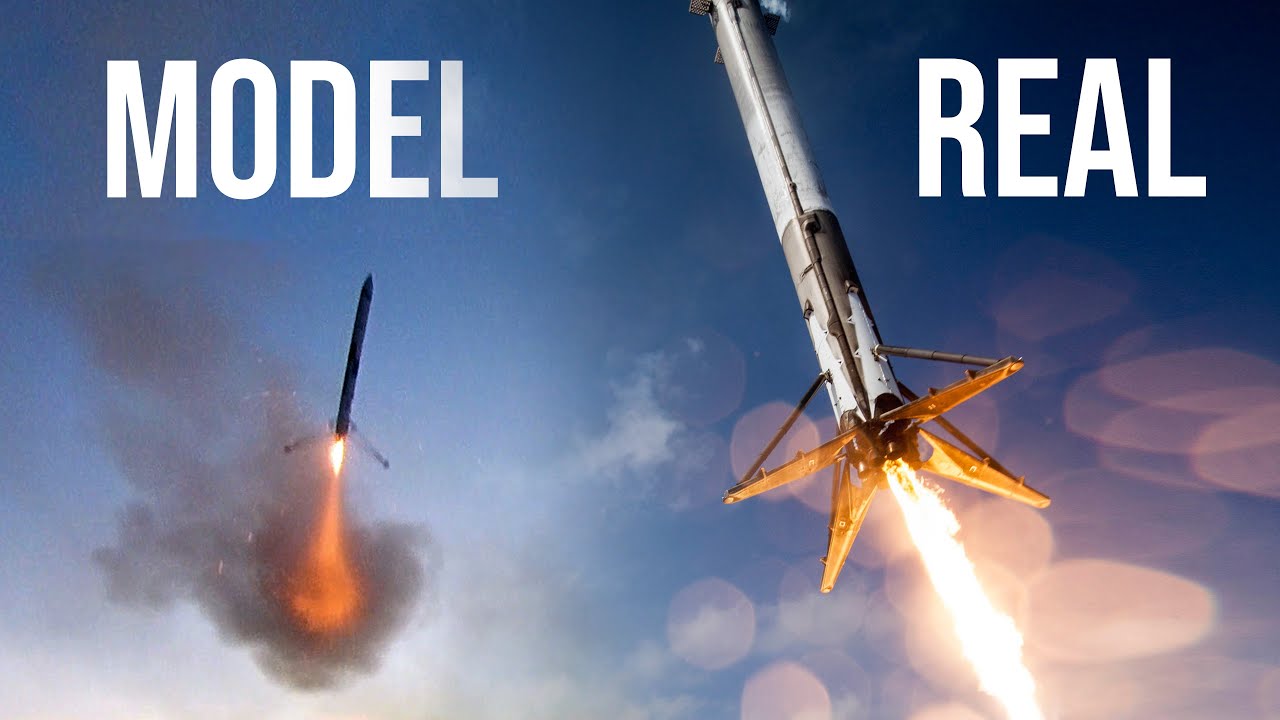
Barnard Propulsion Systems (BPS) has been working towards landing a model rocket like SpaceX lands its Falcon 9 boosters, but this presents a challenge. Unlike the Falcon 9 with its liquid rocket engines, model rockets typically use solid propellant motors that have essentially no throttle control. Joe Barnard of BPS has spent the past seven years working towards this goal, and it has finally been achieved.
SpaceX just released a new paper detailing how the company is reducing the brightness of its Starlink Gen 2 satellites. As a part of their effort to protect the night sky, they will also be offering the reflective film they developed to other satellite manufacturers at cost.
A farmer in New South Wales, Australia, made an unusual discovery on his sheep farm after two large pieces of space debris and several smaller ones crashed down the Earth. The debris seems to have come from the trunk of Crew-1’s Dragon Capsule.
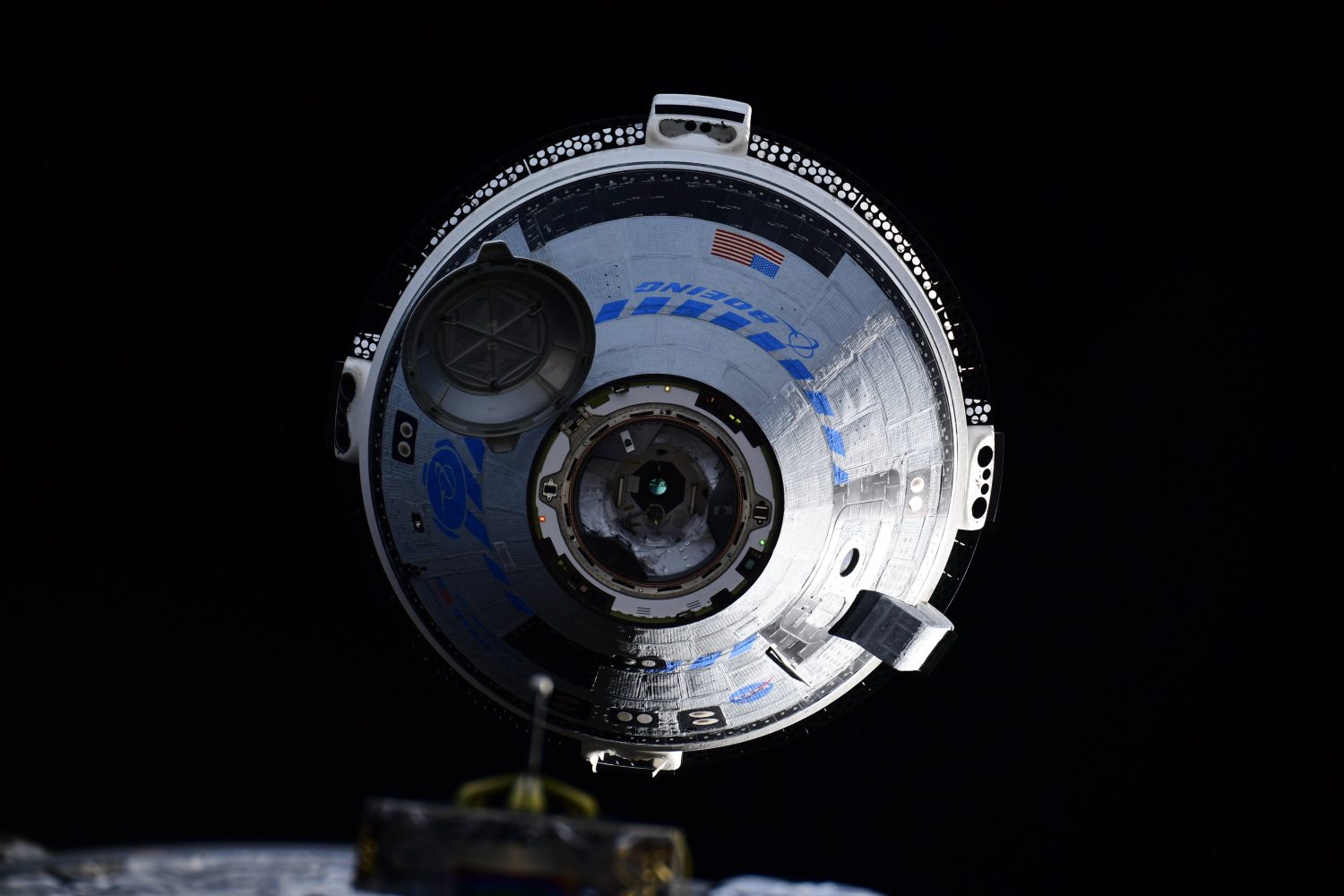
In the company’s second quarterly earnings report, Boeing has absorbed a $96 million charge in relation to its Starliner spacecraft program. This brings Boeing’s Starliner cost overrun tally to $688 million due to numerous problems.
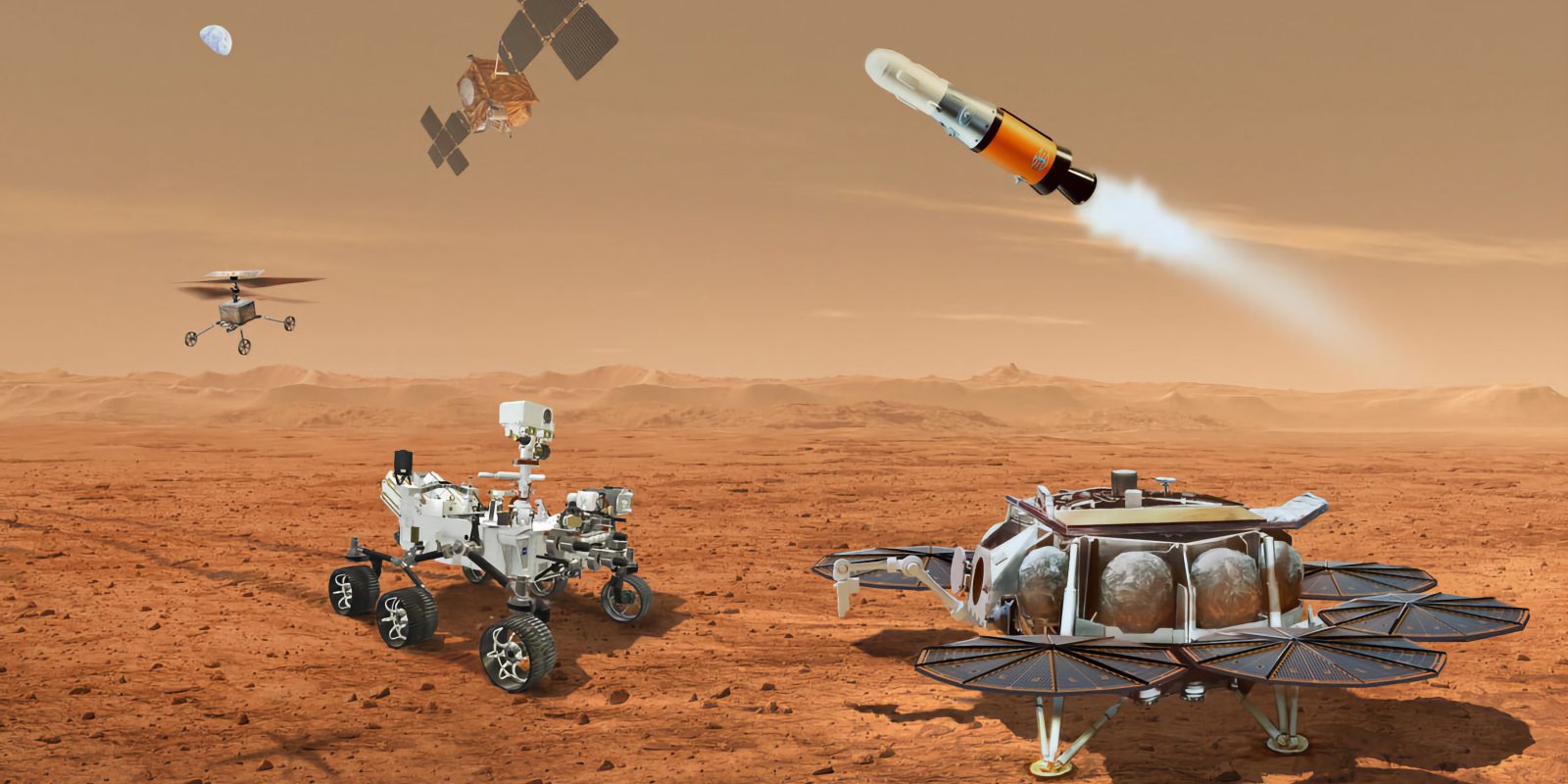
NASA and the European Space Agency are on track to bring the first-ever Mars soil and atmosphere samples back to Earth. Today both space agencies shared an update on exactly how they plan to do that thanks to the Mars helicopter Ingenuity.
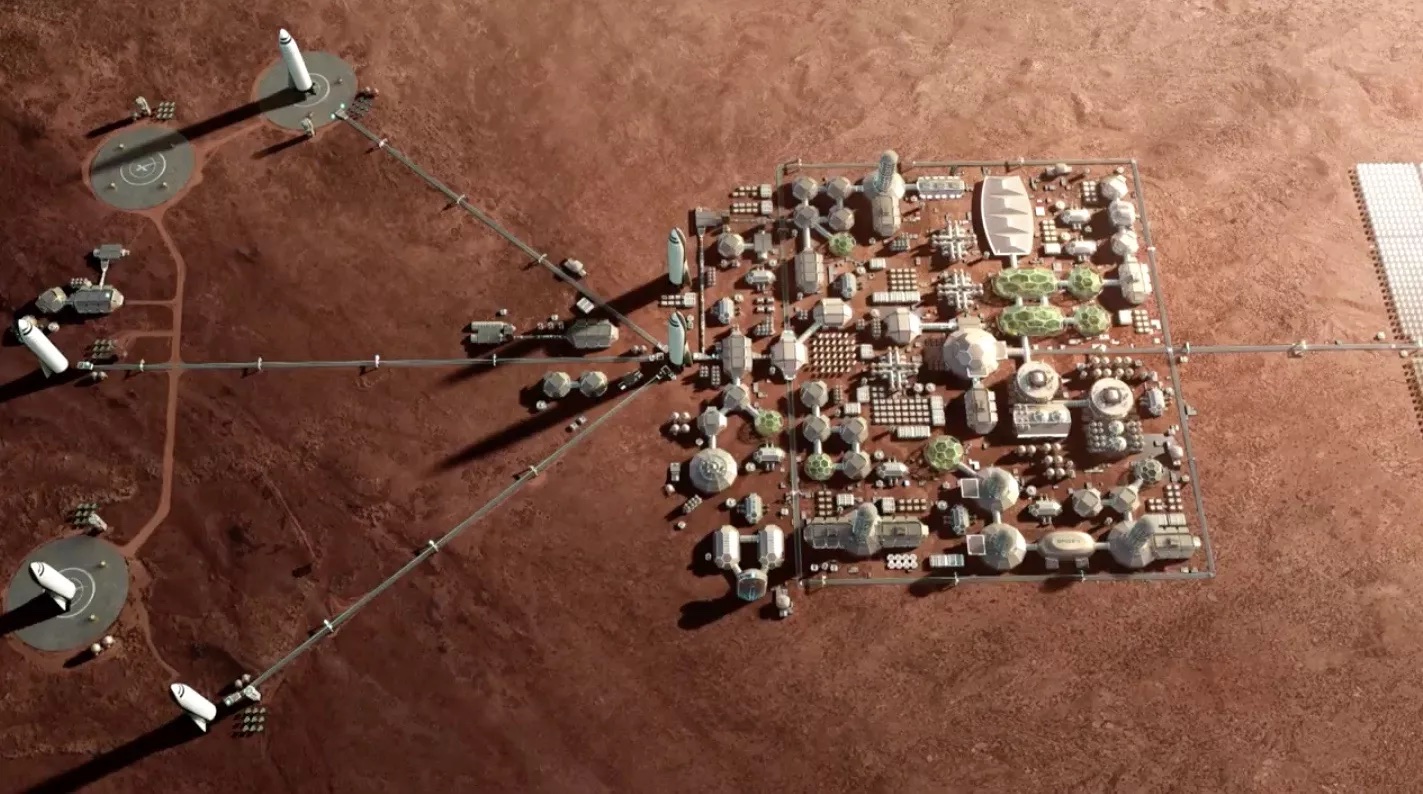
The race to developing a presence on Mars is long, but several players are already competing. From those who wish to explore and colonize the planet, Mars is a major focus more than ever right now. There are a few races happening to reach Mars with new technologies happening simultaneously. Which will be first is the question…
Back in April, NASA chose Canoo to build the electric vehicles that will bring astronauts to the launchpad for the Artemis program. Since then, Canoo and NASA have brought the vehicles around Kennedy Space Center, from the Neil Armstrong Operations and Checkout building to the launchpad that will return astronauts to the Moon.
Want to collect a piece of James Webb Space Telescope history? Later this year, the U.S. Postal Service will release a special stamp collection celebrating the new deep space telescope. JWST launched last Christmas and delivered the most detailed views of deep space earlier this month.
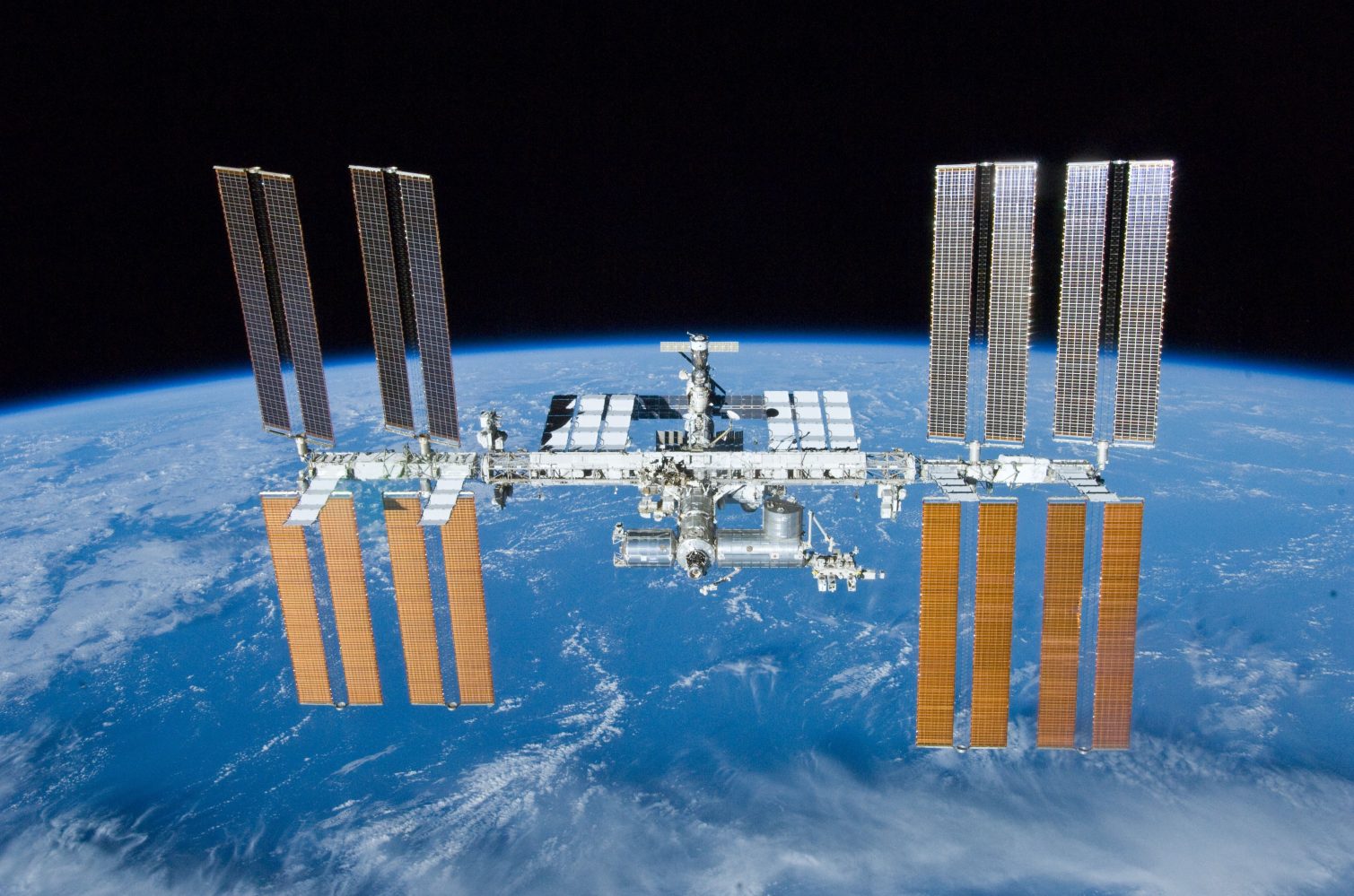
Just after becoming the chief of Roscosmos, Yuri Borisov said on Tuesday that the country has decided to withdraw from the International Space Station after 2024.
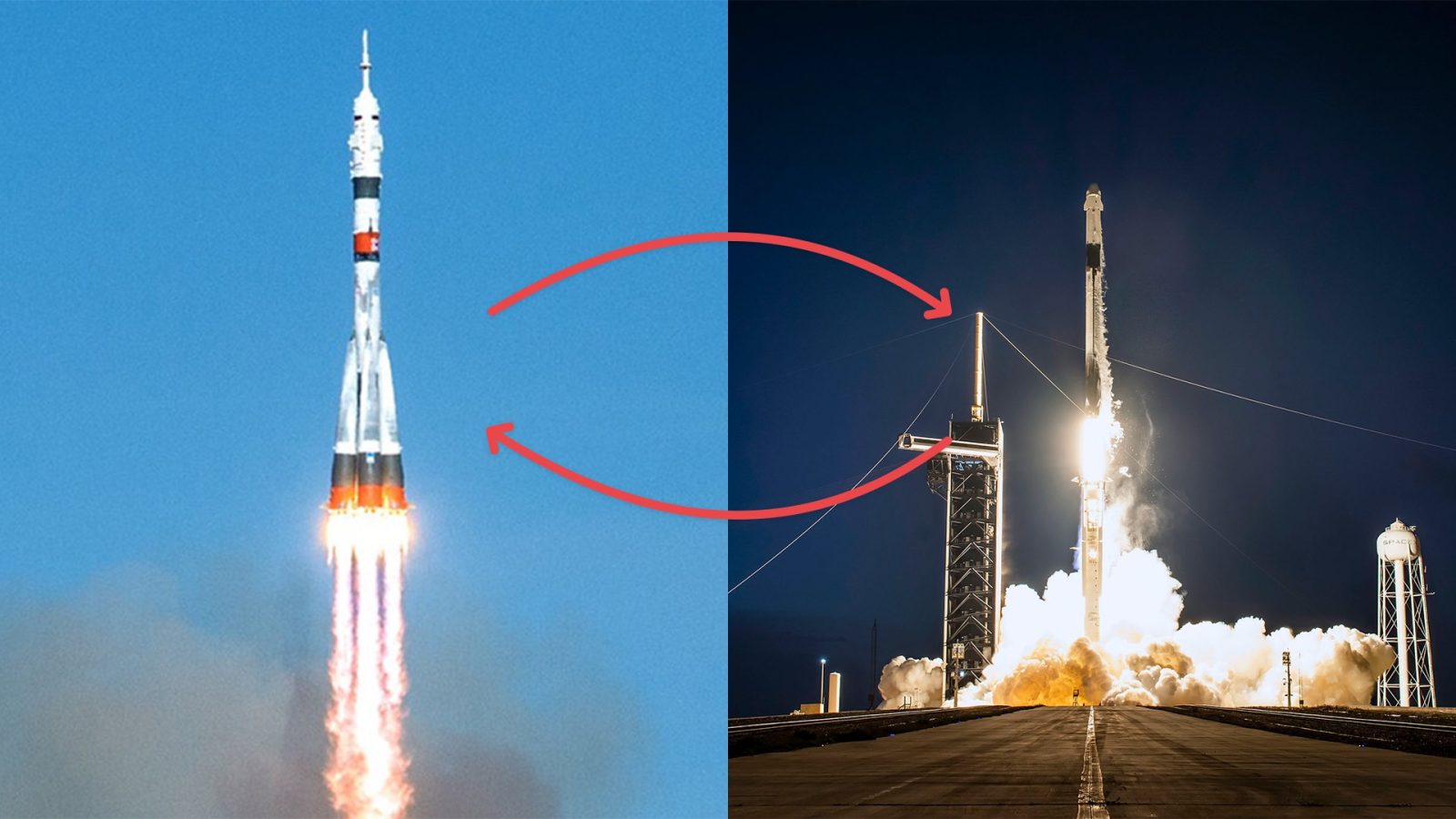
The controversial head of Roscosmos, Dmitry Rogozin, is officially out, with no official word about what lies ahead for him. This command change came around when NASA and Roscosmos finally announced a deal to trade seats on Russia’s Soyuz and SpaceX’s Dragon spacecraft.
Update: As of July 20, NASA says it is holding three placeholder dates for possible launch targets: August 29 between 8:33 a.m. and 10:33 a.m. ET, September 2 between 12:48 p.m. and 2:48 p.m. ET, and September 5 between 5:12 p.m. and 6:42 p.m. ET. Mission duration would be 42 days, 39 days, and 42 days, respectively.
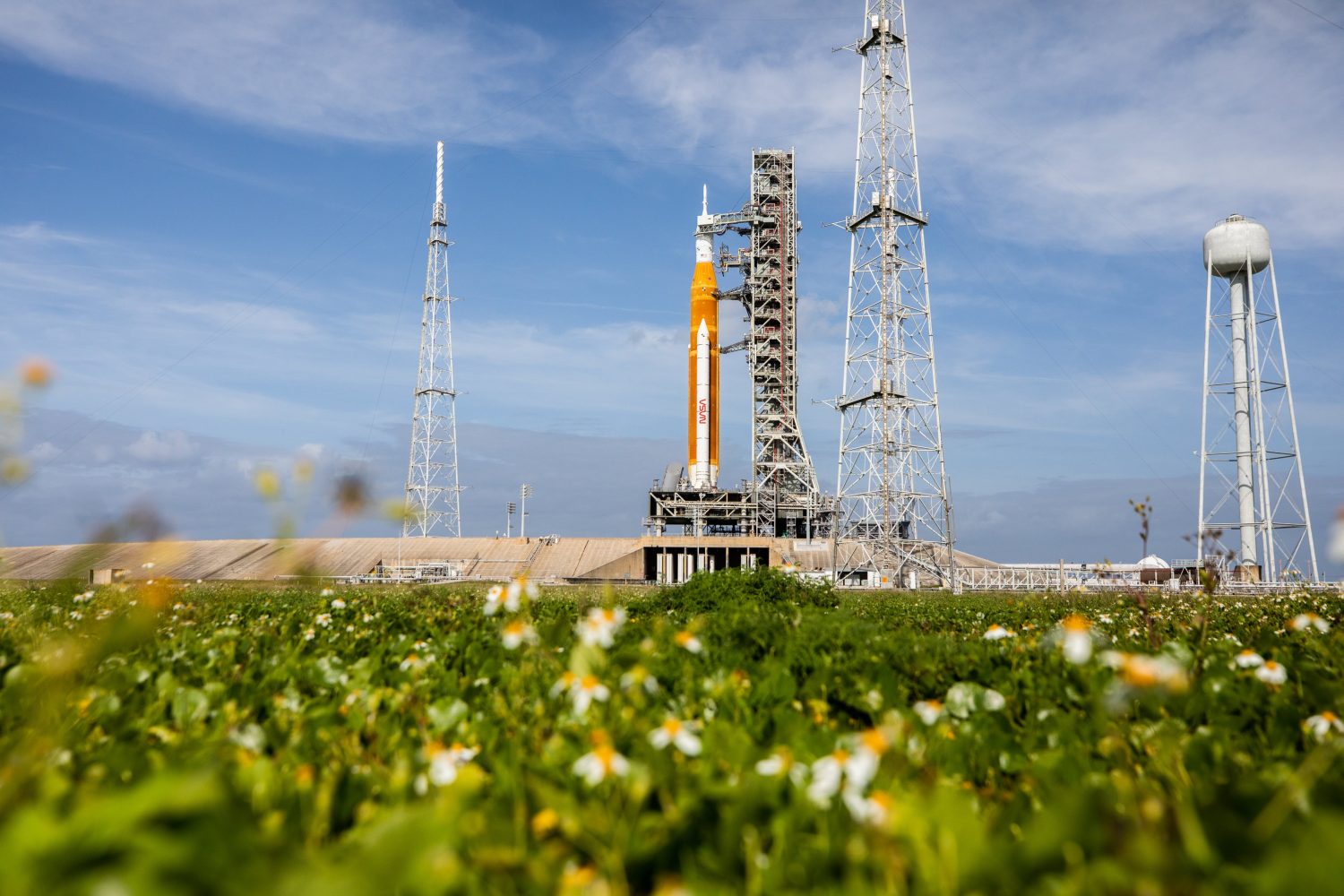
NASA conducted its fourth wet dress rehearsal attempt for its Space Launch System rocket this week, completing a critical trial run at fueling the rocket mostly without issue. Officials were uncertain one day after the test if the Moon rocket would require another round of fueling. The agency has since communicated that it intends to launch SLS as early as last August without a fifth go at working out the kinks during fueling.
While the world was focused on the first James Webb Space Telescope color images released by NASA, SpaceX was busy testing its Super Heavy booster 7 down in Starbase. What was believed to be just a fueling test turned into an unexpected explosion underneath the Starship booster stage, thankfully not producing any significant damage that we can see to Booster 7 or the surrounding pad.
SpaceX is set to launch a Falcon 9 from LC-39A at Kennedy Space Center in Florida on July 14, 2022, at 8:44 p.m. EDT. This launch will carry a Cargo Dragon spacecraft to the International Space Station carrying food, science, and other supplies for the Commercial Resupply Services 25 (CRS-25) mission.
It’s that time of year again (I feel like it is always that time of year) when drafts of NASA’s next fiscal year budget start to form. During this process, we gain insight into how Congress wants that money spent, which could include changes to existing programs. For example, this year, it looks like Congress was so impressed with Ingenuity’s success that it wants more helicopters (air spacecraft?) for NASA’s Mars Sample Return mission.
SpaceX is set to launch a Falcon 9 from SLC-40 at Cape Canaveral Space Force Station in Florida on July 7, 2022, no earlier than 9:01 a.m. EDT. This launch will carry a new batch of Starlink satellites (Starlink Group 4-21) to a 53.2° inclination orbit.
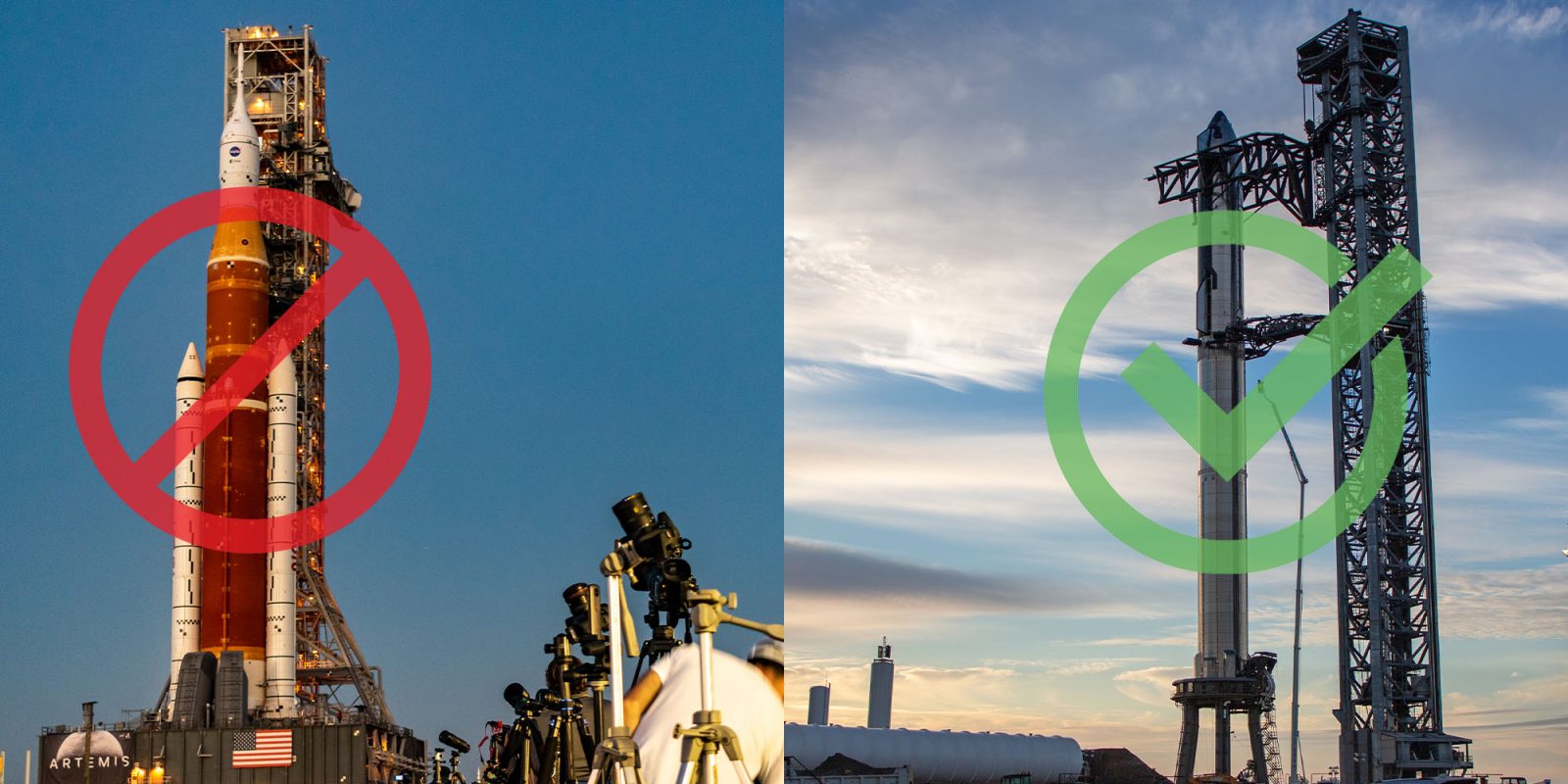
In an interview with the German publication Der Spiegel, NASA Administrator Bill Nelson discussed the question many have been asking for a while. Why doesn’t NASA ditch SLS and replace it with SpaceX’s cheaper and more capable Starship rocket?