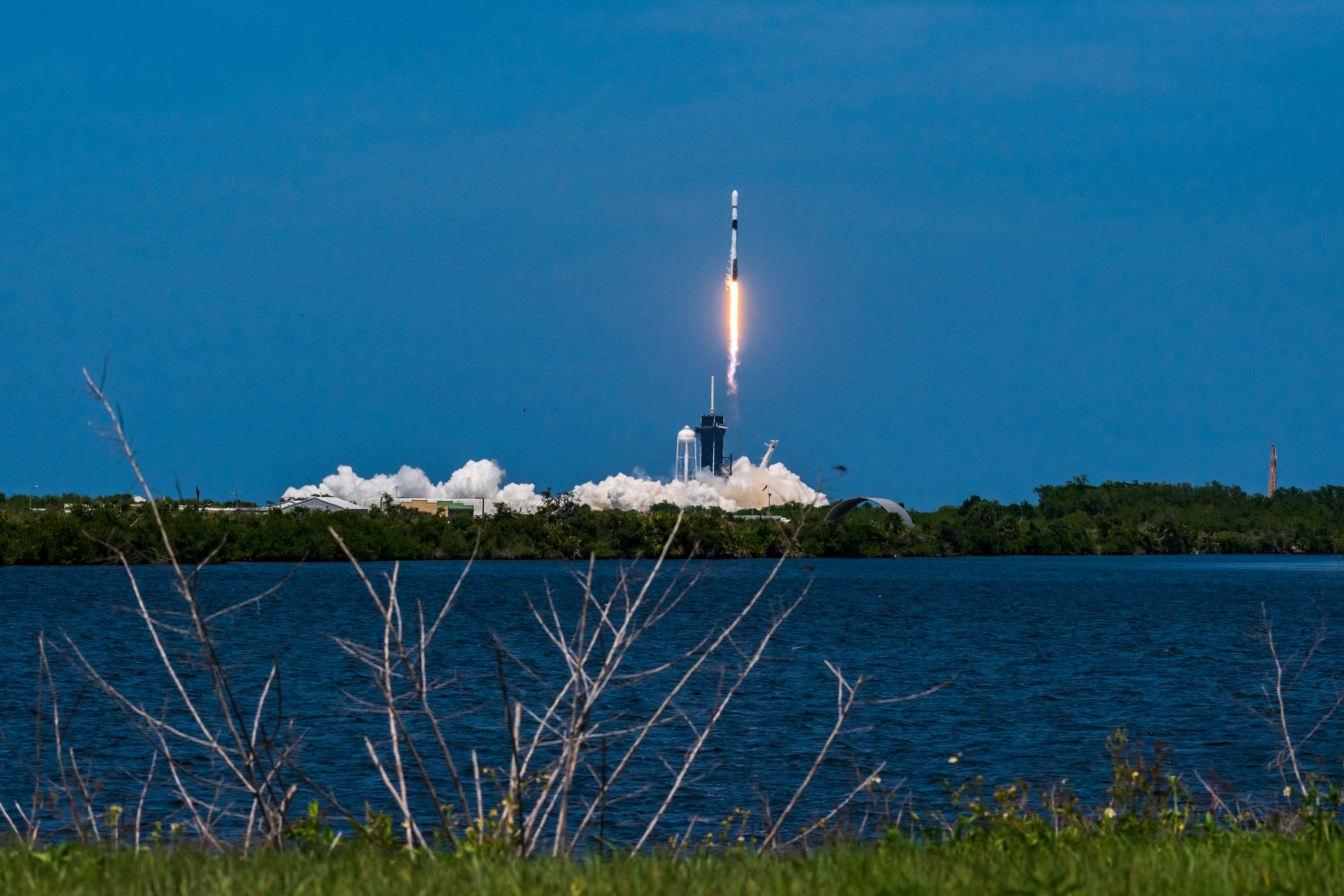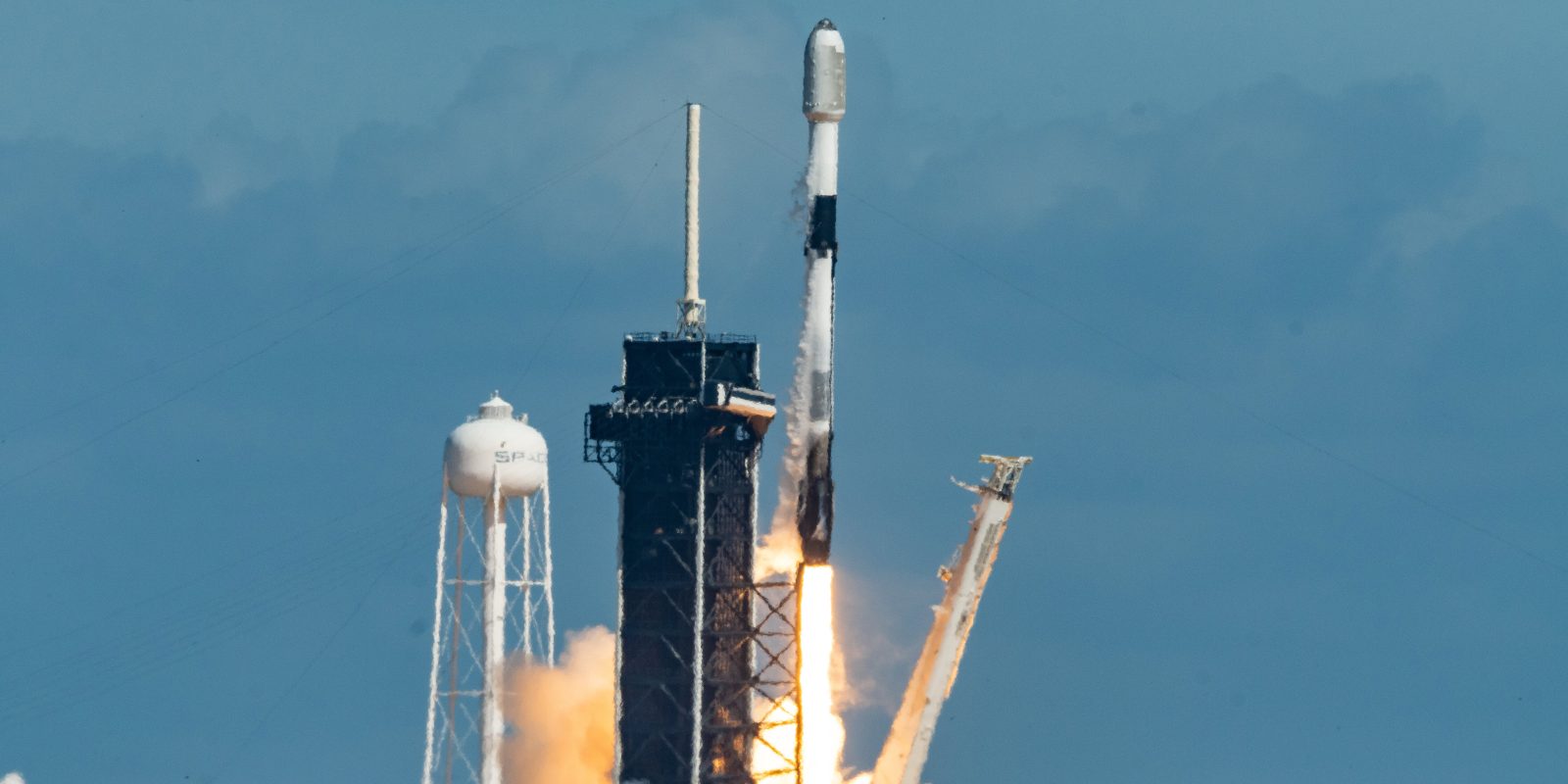
On December 21, SpaceX launched CRS-24, a cargo resupply mission to the International Space Station. Now, the Dragon capsule that supported that mission has splashed down off the coast of Florida.
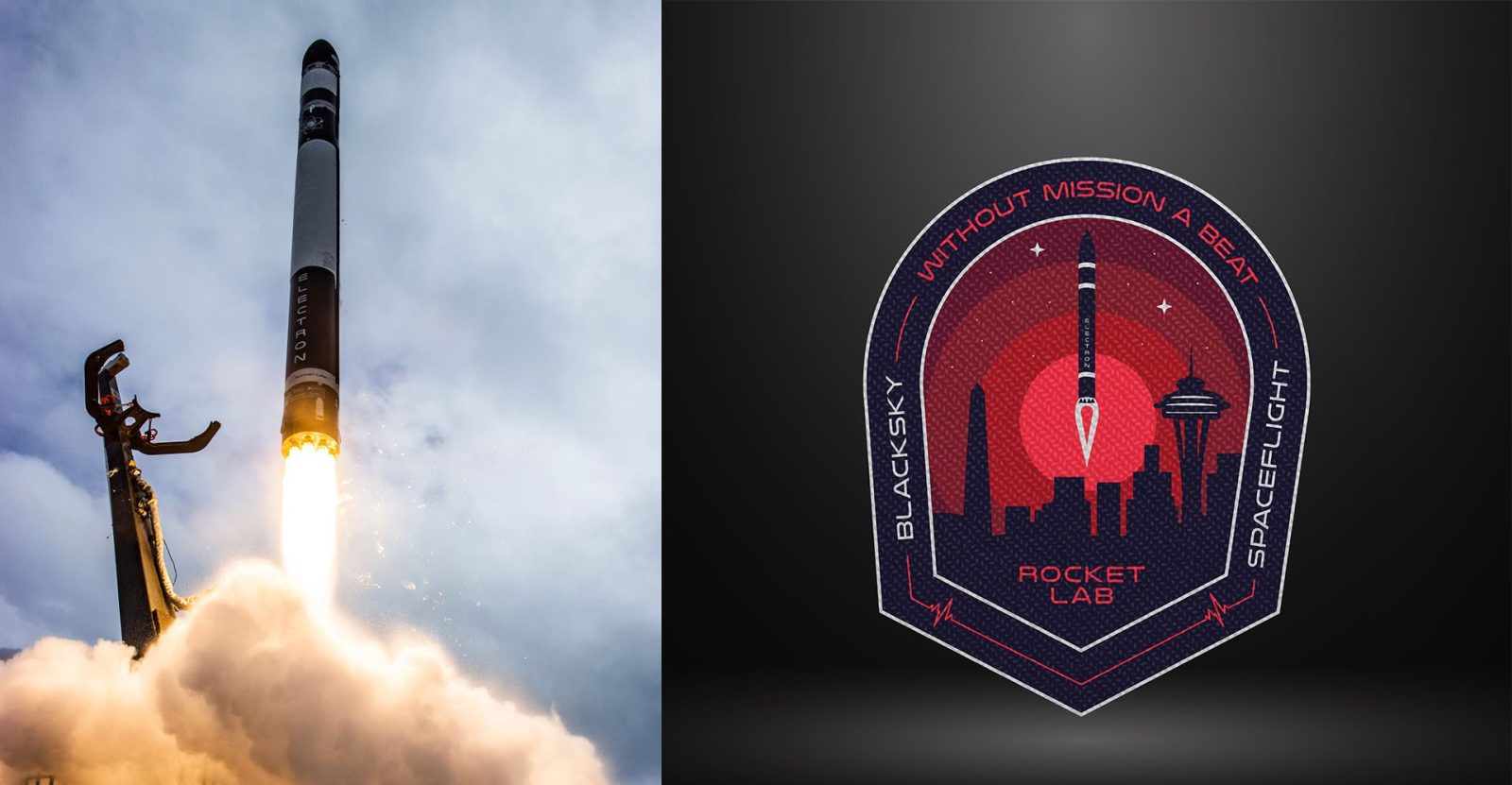
Reusability in spaceflight is increasing. While SpaceX has been able to reuse the first stage of its Falcon 9 rocket by landing them, Rocket Lab is taking a different sort of approach with its Electron rocket: deploying a parachute and using a helicopter to scoop them out of the air.
It’s certainly a different approach than landing, but Rocket Lab teams are hard at work making this reusability a reality.
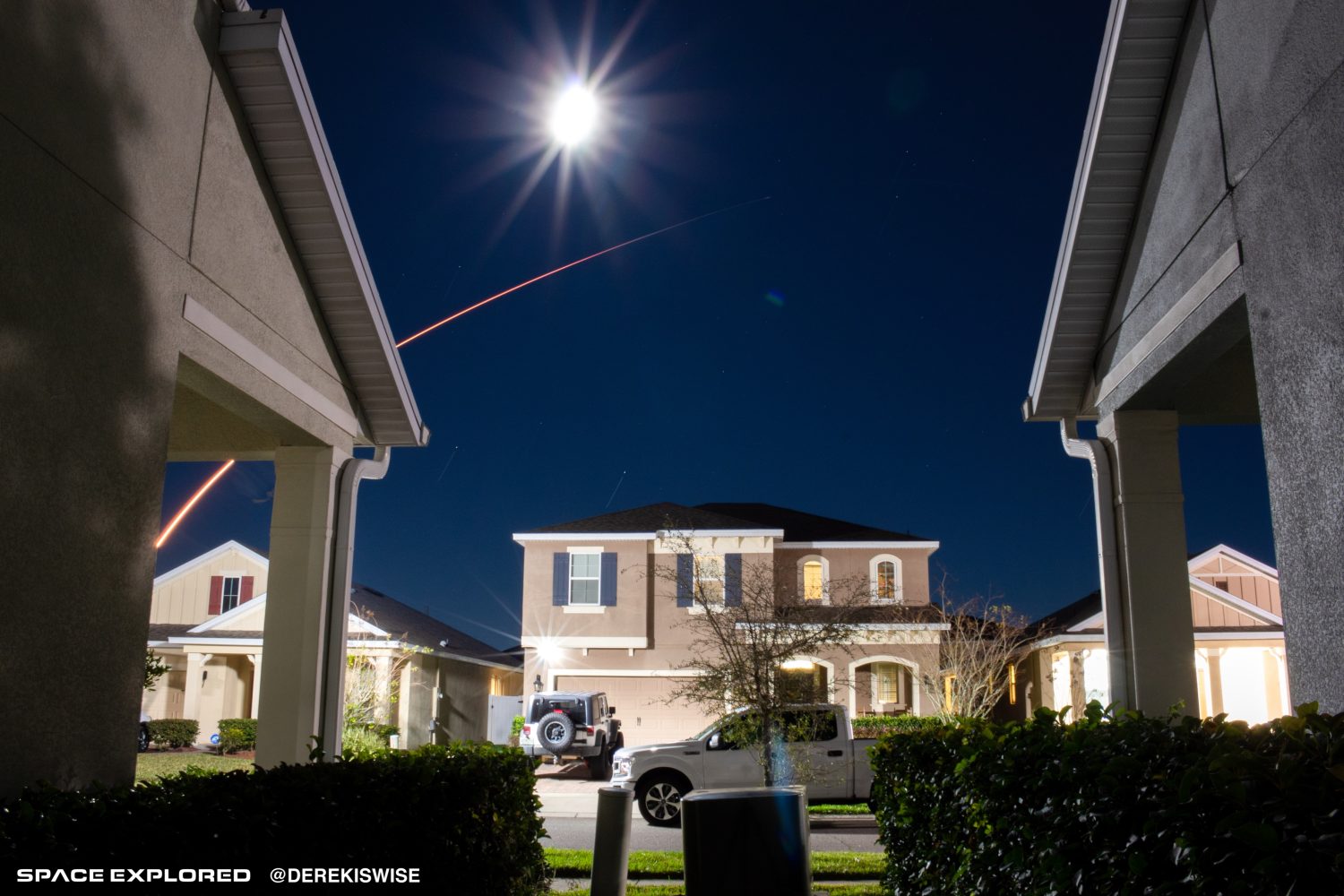
Seven years ago, SpaceX launched its first mission out of Earth orbit for NOAA, and since then, its upper stage has stuck around. But, according to a community of observers, it will meet an end crashing into the Moon soon.
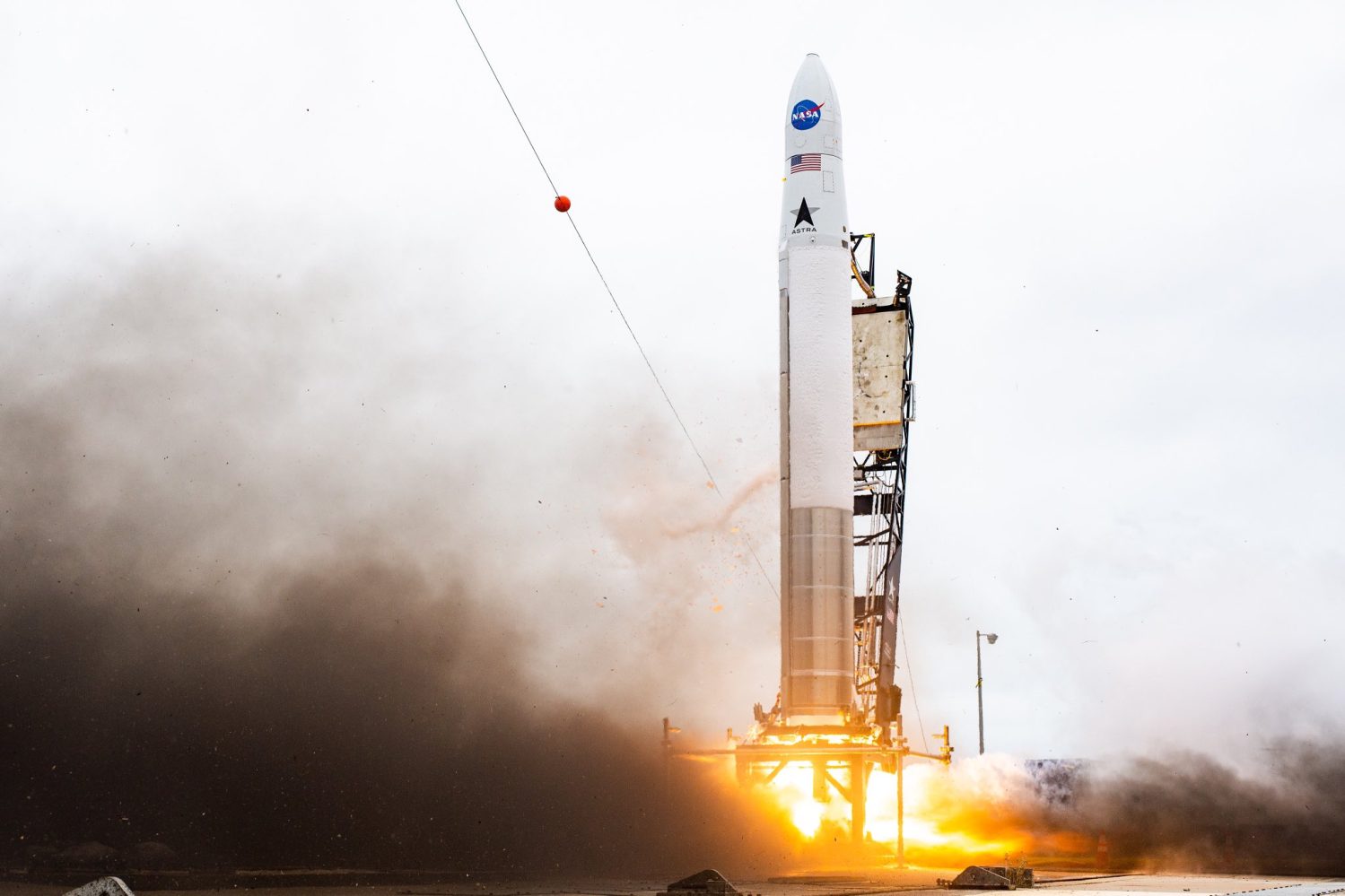
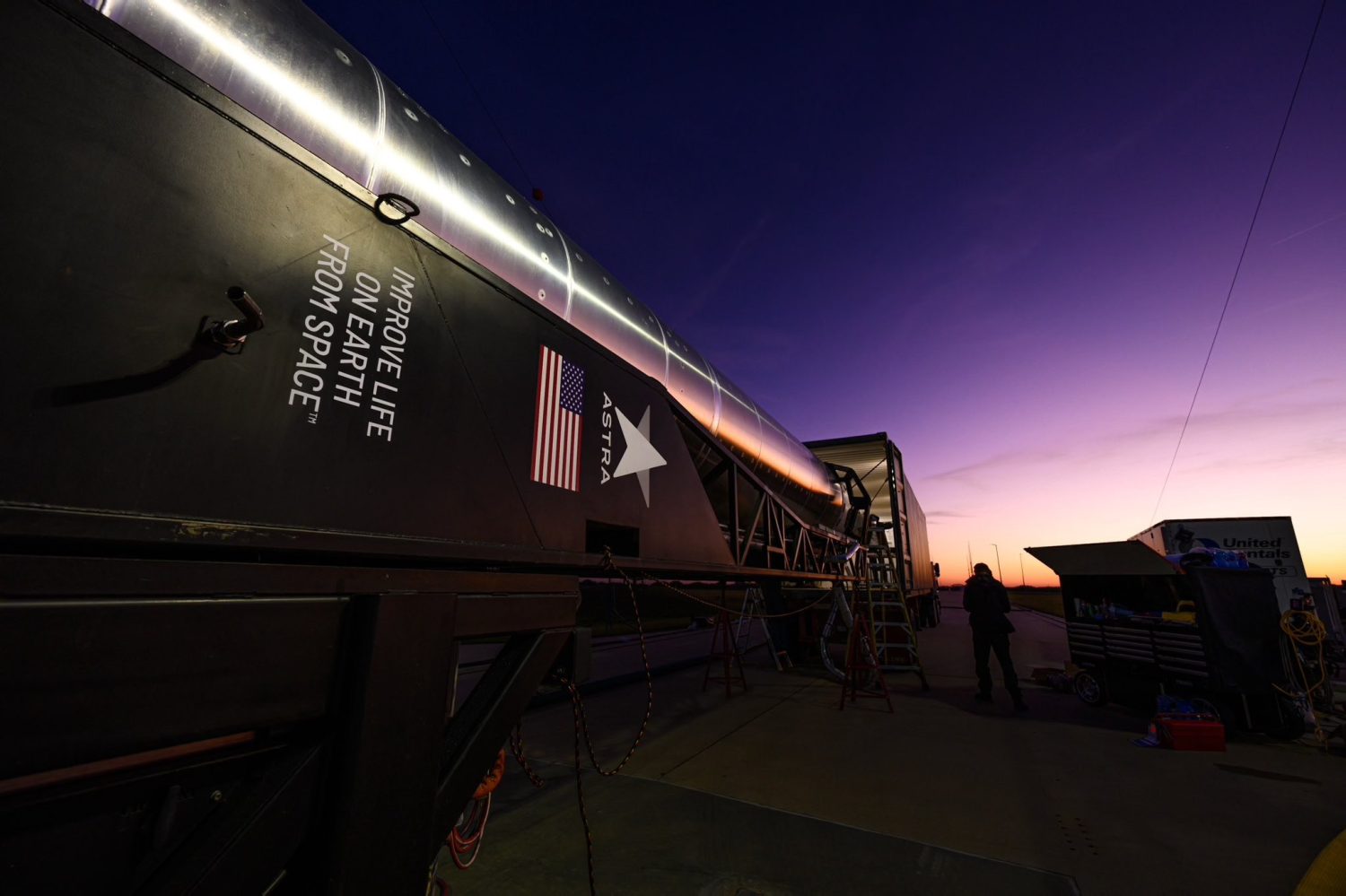
Astra’s Rocket 3.3 vehicle came to life on January 22 ahead of the company’s first launch from Florida. The launch date is pending the FAA issuing the launch license.
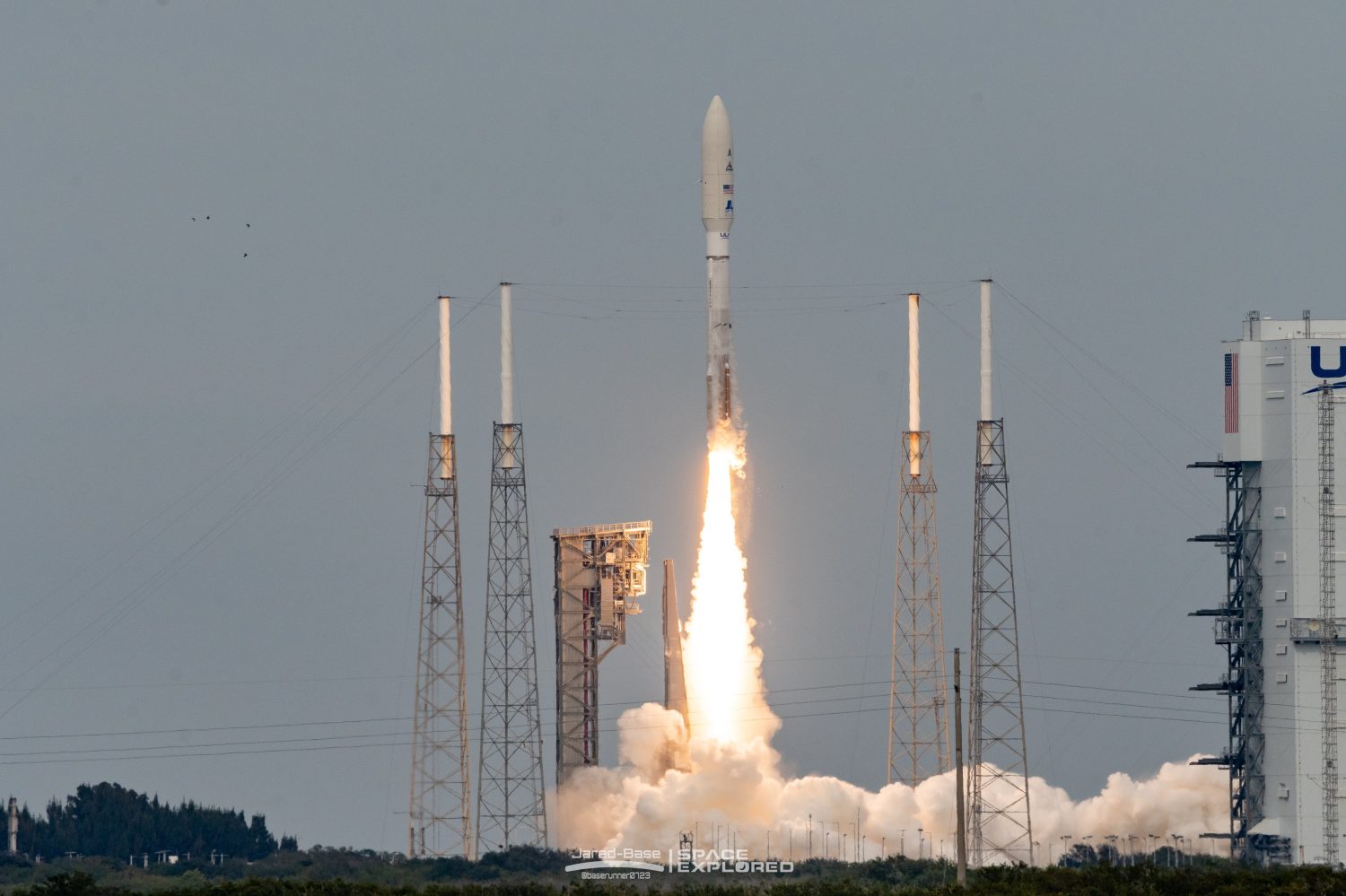
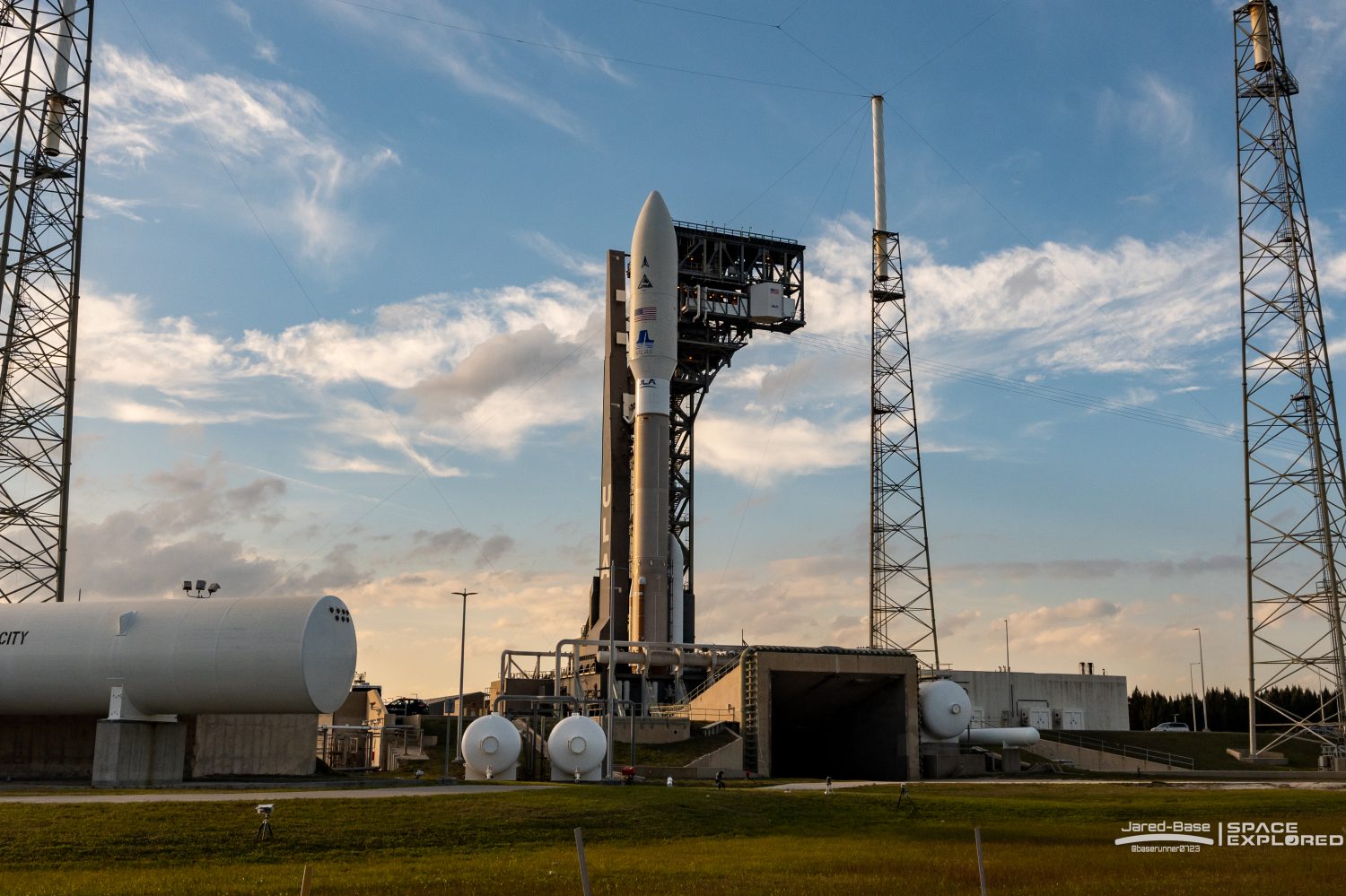
Today United Launch Alliance launched its first mission of 2022, and the final unflown configuration of the Atlas V rocket. Onboard were two space surveillance satellites for the US Space Force.
At the Mojave Air and Space Port, the second stage of a launch vehicle being developed by ABL Space Systems was destroyed during a test anomaly on January 19.
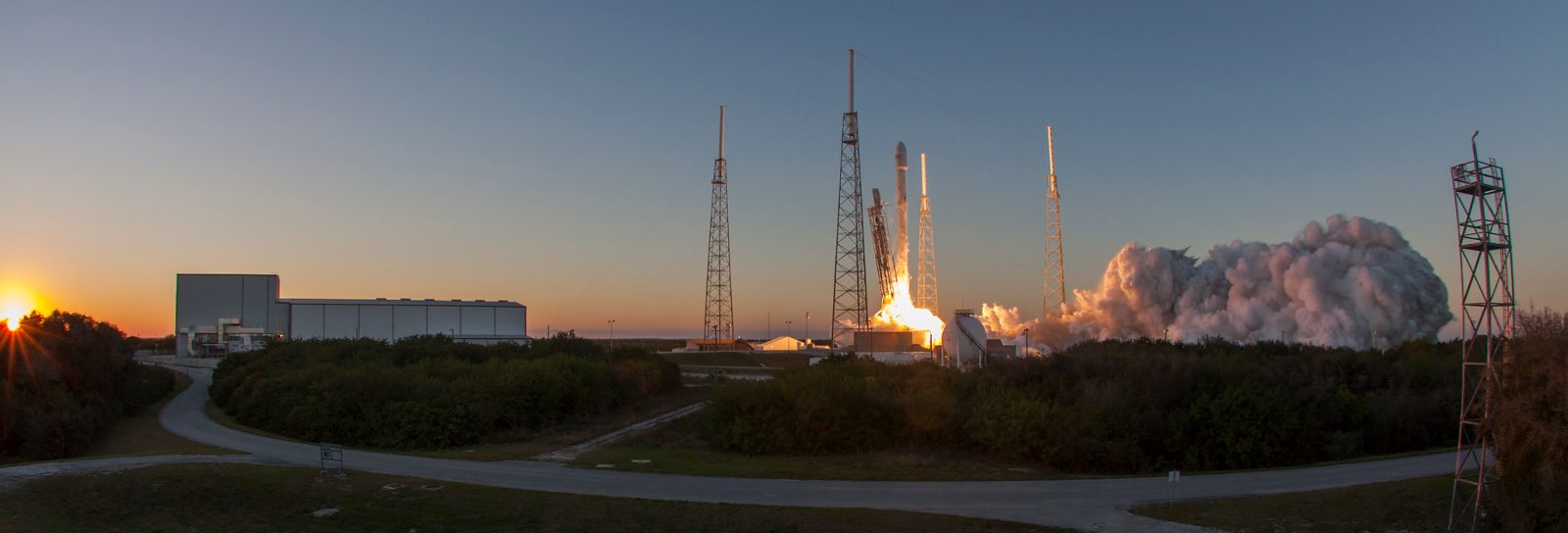
So far in January, SpaceX has launched three Falcon 9 rockets, two of which broke the 10 flight milestone. Both of these milestone-breaking missions took place just in the last week.
Friday afternoon United Launch Alliance is preparing to launch two satellites directly to geosynchronous orbit for the U.S. Space Force. The USSF-8 mission will be the only Atlas V to fly the 511 configuration and is ULA’s first flight of 2022.
Rocket Lab, everyone’s favorite US / New Zealand-based smallsat launcher, announced the first launch of its Electron rocket for the year, and yes, it’s going to be BlackSky satellites.
The newest smallsat launcher to come online is preparing to launch its first mission from Florida’s Space Coast, but it will need to wait for a license from the FAA.
Monday evening SpaceX is preparing to launch another batch of Starlink satellites. This will take off from Launch Complex-39A at Kennedy Space Center in Florida.
This morning, SpaceX plans to launch their Transporter 3 mission, carrying a payload of dozens of nanosatellites and microsatellites to space. Here’s how to watch the Falcon 9 rocket lift off from the Kennedy Space Centers’s Space Launch Complex 40.
Virgin Orbit is back at it again with their one-of-a-kind LauncherOne rocket. Wednesday, the rocket will launch mid-air from Virgin Orbit’s custom Boeing 747 with several customer satellites onboard. Here’s everything we know and how you can watch it live.
After becoming a publically traded company last week, Richard Branson’s commercial launch provider, Virgin Orbit, is preparing for its first launch of 2022. Onboard will be four payloads from both civil and commercial entities. Continuing on with fun names Virgin Orbit has given its mission, this one is called “Above the Clouds.”
Launch Date: Wednesday, January 12, ~5:00 p.m. EST (Takeoff: ~4:00 p.m. EST)
The Biden Administration has committed to supporting the International Space Station until the end of this decade. This gives commercial companies more time to develop and bring their stations online before the ISS is retired.
Thursday morning SpaceX is preparing to launch another Transporter rideshare mission. This will take off from Space Launch Complex 40 at Cape Canaveral Space Force Station in Florida. This mission will feature a booster landing at Landing Zone 1, also located at Cape Canaveral Space Force Station.
Astra is set to launch its next mission from Florida’s Space Coast rather than Alaska, where the company conducted its previous launches. Today we saw the first signs of Astra’s launch readiness with a vertical rocket on its launch site.
The Consumer Electronics Show in Las Vegas has officially begun today, and alongside the electric snowmobiles and smart home gadgets is a display product that is unlikely to enter your home any time soon.
Sierra Space is at CES 2022 showing off the company’s Dream Chaser space plane and LIFE habitat, which will both be vital to the company’s Orbital Reef space station.
Thursday evening SpaceX is preparing to launch another batch of Starlink satellites. This will take off from Launch Complex-39A at Kennedy Space Center in Florida, marking the first SpaceX mission of 2022.
Currently, more than 35,000 miles away, the James Webb Space Telescope (JWST) is cruising through space on the way to its 1 million mile parking spot above the Earth. It will take the space telescope almost a month to complete orbital insertion. Here’s how you can track its way there.
FINAL UPDATE (1/31): James Webb is now fully deployed and orbiting in L2. The space telescope will spend the next few months commissioning and testing before taking its first photograph. Last week, NASA announced that Webb will point at HD 84406, a sun-like star 241 light-years away, to focus and align its mirrors in preparation for the moment we’ve been waiting for. Don’t hold your breath though, the mirror alignment process is very slow and tedious. We don’t expect James Webbs to take its first shot of the cosmos until around May 2022.
Early tomorrow morning, while those who celebrate Christmas will be busy opening gifts, NASA and Arianespace will be launching the most powerful space telescope ever built. Check before for updates on this once-in-a-generation launch.
The Rosen Law Firm has opened an investigation into Astra Space, Inc. [NASDAQ: ASTR] due to allegations that Astra presented misleading material to the public. Astra’s stock price plummeted following the report by market analyst Kerrisdale Capital, a short seller of Astra Space.
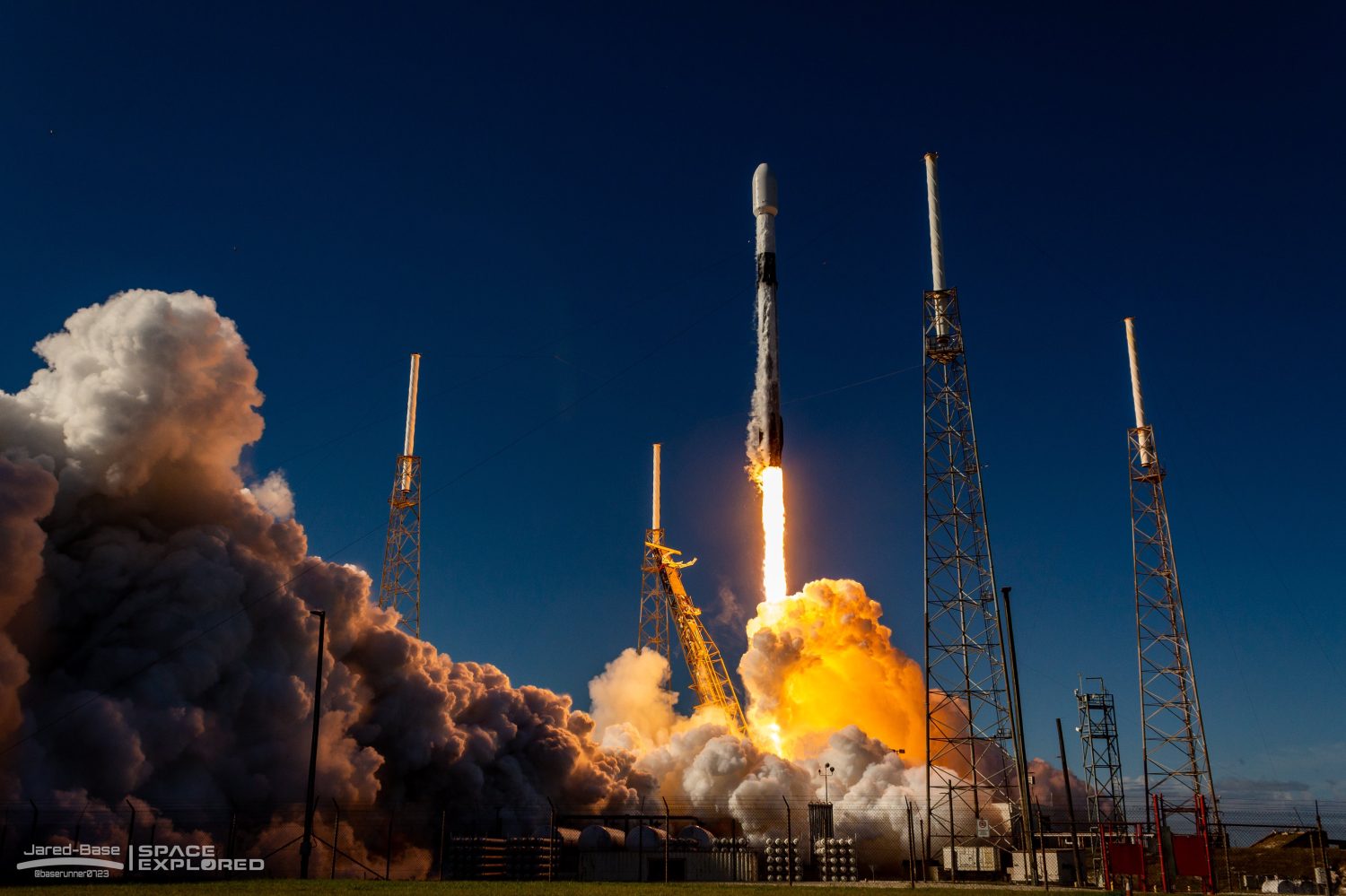
SpaceX’s CRS-24 mission seemingly went off without a hitch. The company launched a cargo Dragon Capsule to the International Space Station for NASA, and the new booster, B1069, landed on Just Read the Instructions out in the Atlantic Ocean for the 100th successful landing of an orbital rocket booster. The booster sitting on JRTI seemed as if it took a slightly heavier-than-normal landing, but otherwise, all seemed well. It was known that the ocean weather wasn’t ideal, with a moderate rating, but there were still no major signs of issues… yet.