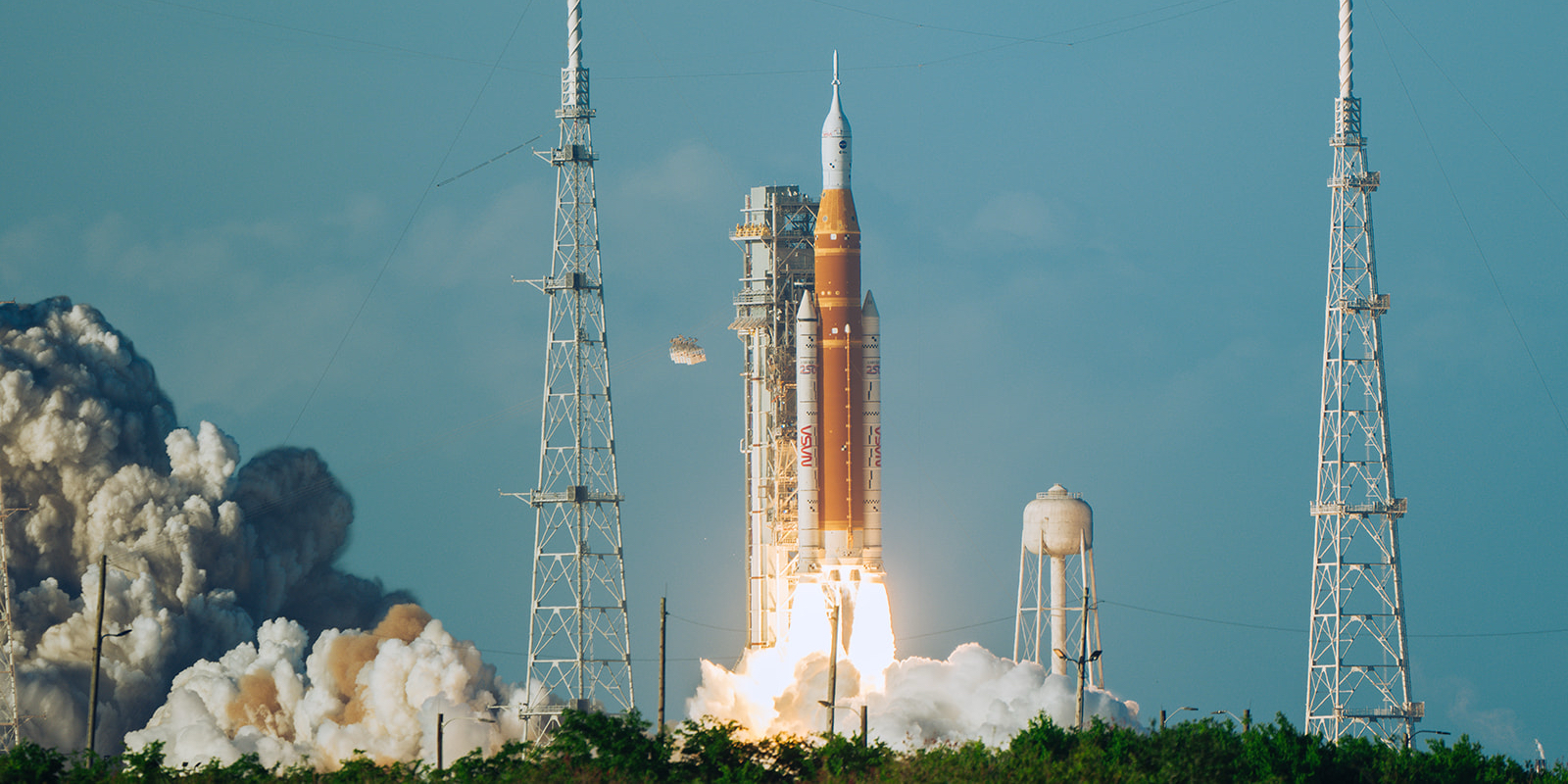
For the first time in over 50 years, humans are on their way to the Moon



Using the James Webb Space Telescope (JWST), astronomers believe to have found a galaxy that was a near identical image to the Milky Way 13 billion years ago. What it can tell us about our own galaxy could be groundbreaking.
Expand Expanding Close
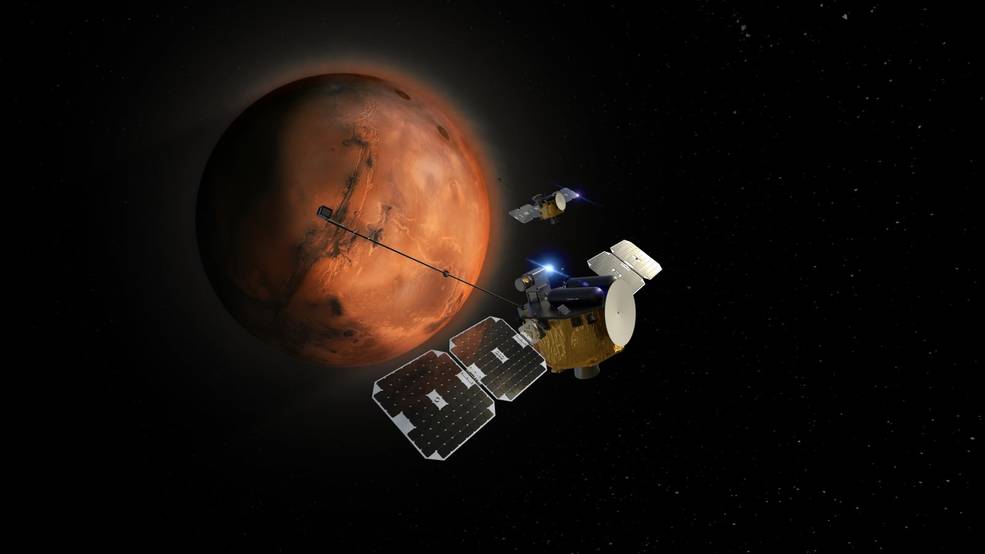
After years of trying, Blue Origin has finally been able to secure a launch task order through NASA for its New Glenn rocket, and it’s going to Mars!
Expand Expanding Close
This week Seth and Jared recap Starship’s lead up to a potential static fire, other top stories from the week, and ponder the question if we are launching too many rockets.
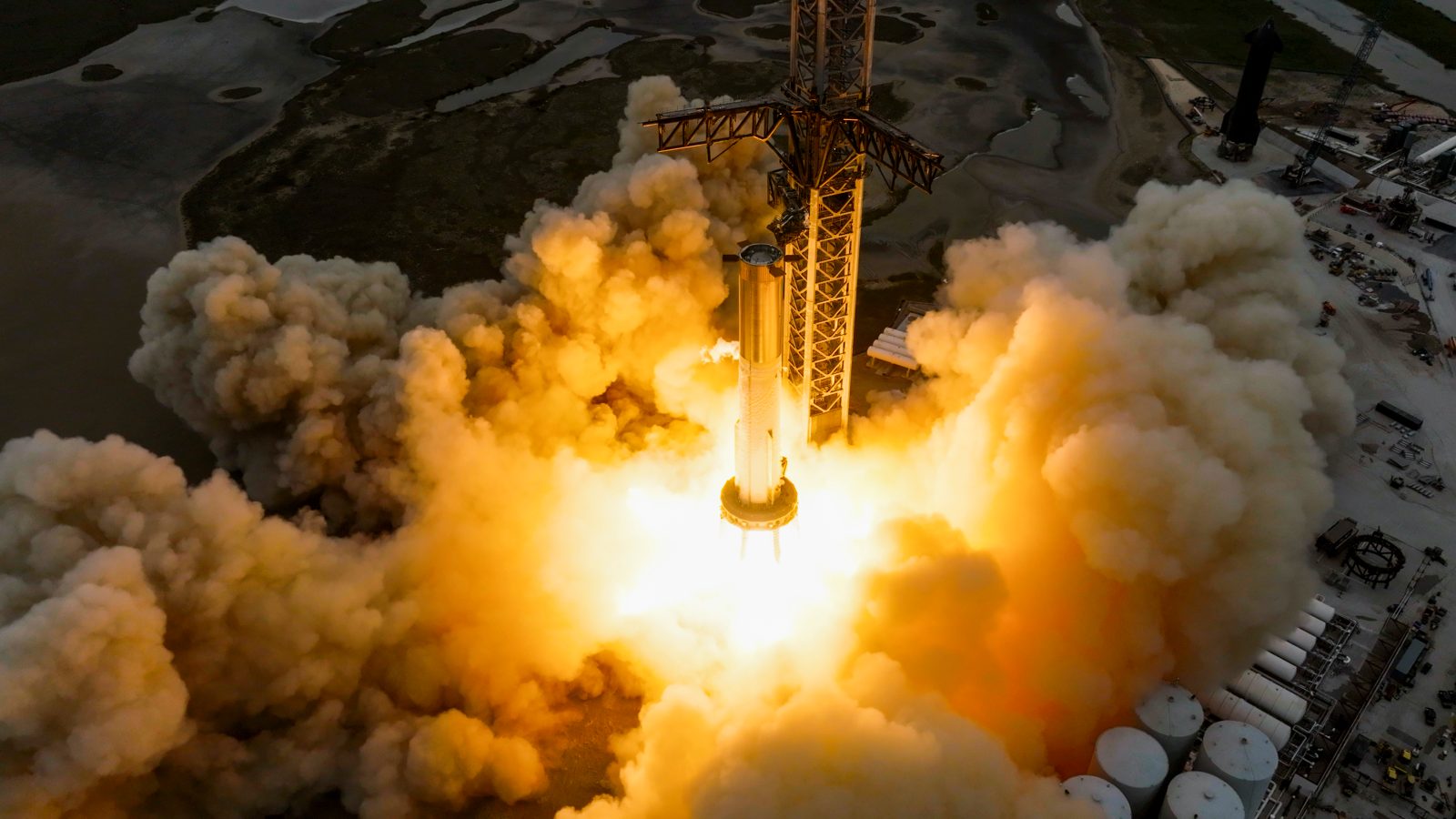
After over three years of development in South Texas, SpaceX finally reached its final milestone before launching a complete Starship rocket to orbit, the 33-engine static fire. While only 31 Raptor engines successfully ignited, this is still a major milestone for the company as it hopes to start flying this rocket to finally gain an ROI on its investment.
Expand Expanding Close

NASA’s first fully electric plane, the X-57 Maxwell, is gearing up for flight after its cruise motor controllers successfully passed critical testing.
Read More
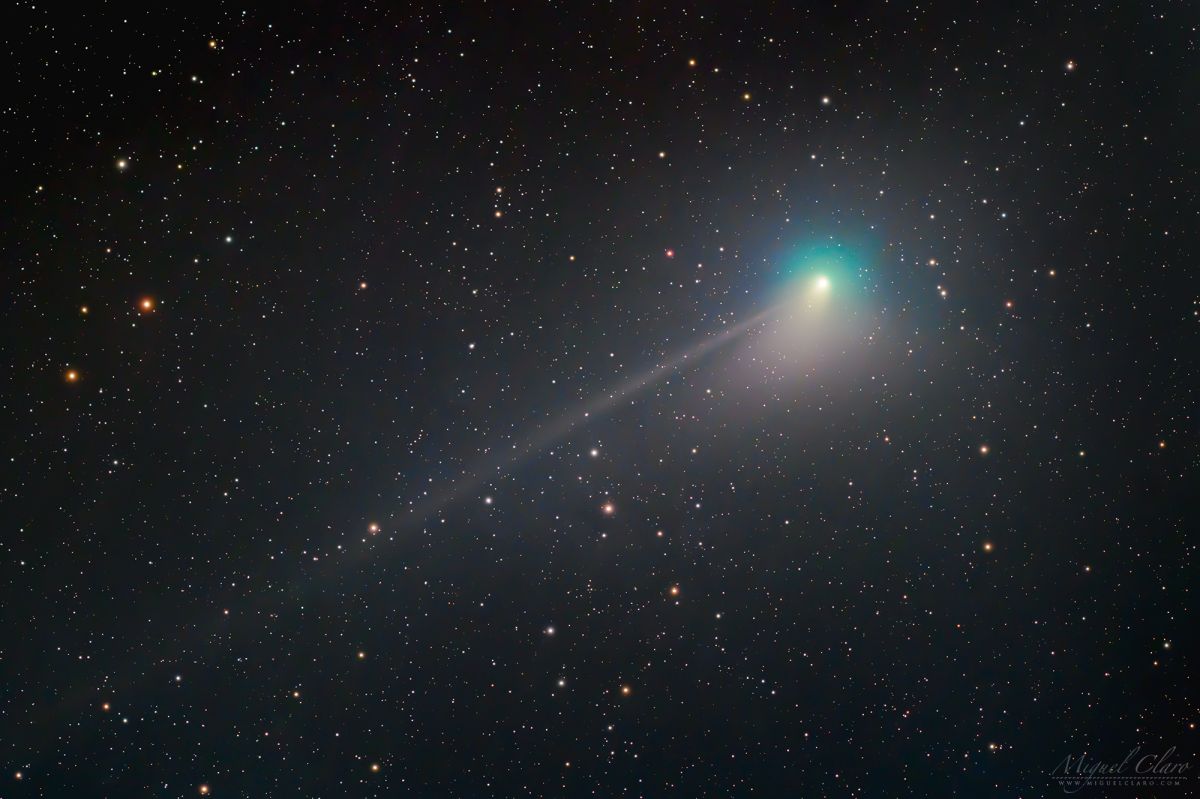
C/2022 E3 or more notably known as the “rare green comet,” has swept the Internet in the past weeks, with many people wondering how they can spot it. Here’s everything you need to know about the once in a 50,000-year event.
Expand Expanding Close

NASA’s newest discovery might just be the most adorable yet. Last month, the space agency’s Mars Reconnaissance Orbiter captured what can only be the face of a bear carved into the red planet’s ancient landscape.
Expand Expanding Close
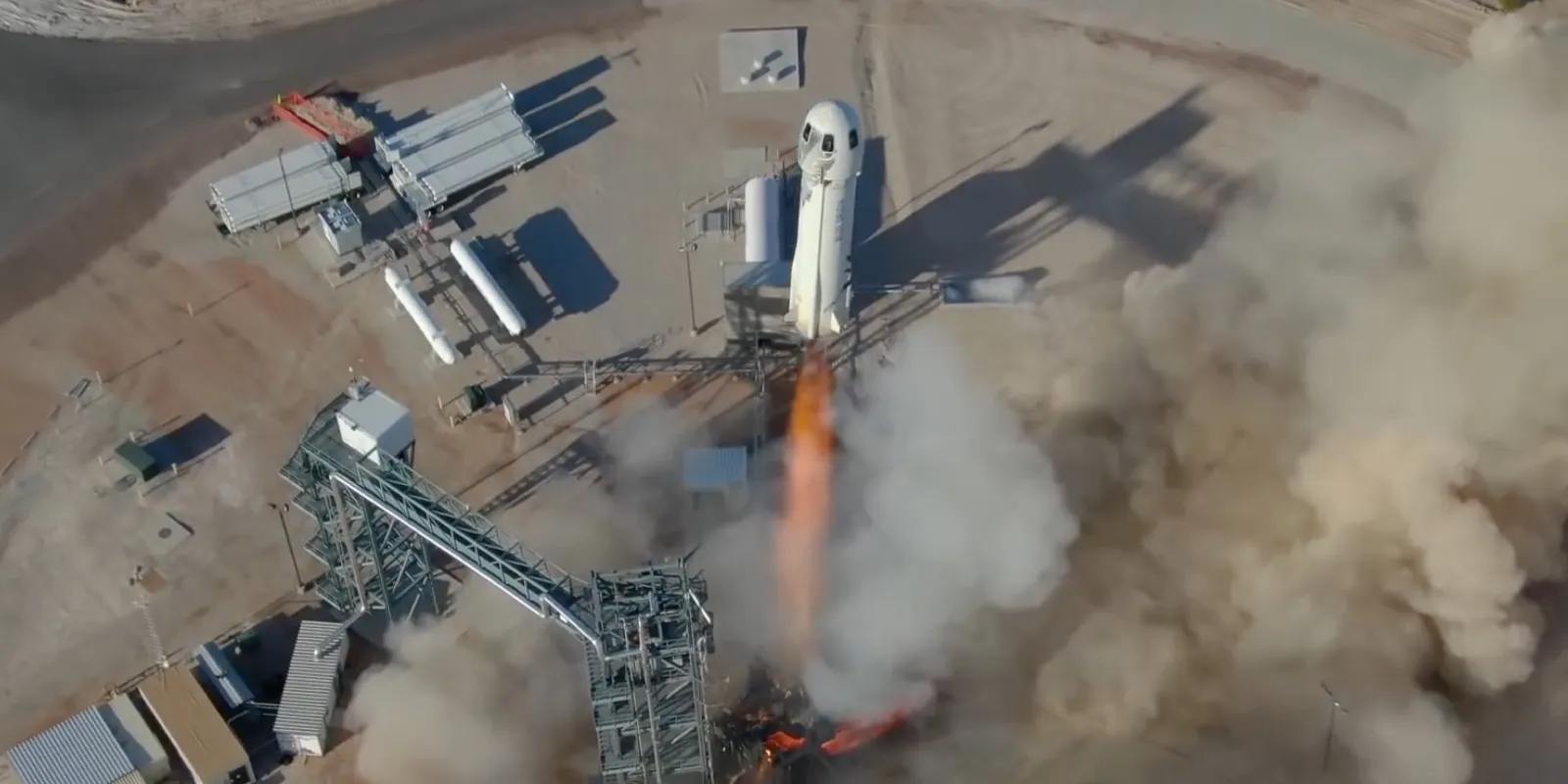
Remember in 2021 when we were so excited that both Blue Origin and Virgin Galactic would come online and show a glimpse of a potential space tourism boom? Yet here we are with some exciting news, but neither company is currently capable of launching, and we don’t know when they will return fully. Sigh.
Expand Expanding Close
Nigeria just became the first African country to gain SpaceX’s Starlink satellite internet. The internet service relies on a constellation of satellites in low Earth orbit that connect with user terminals and stations on the ground to provide low latency and high speed internet.
Expand Expanding Close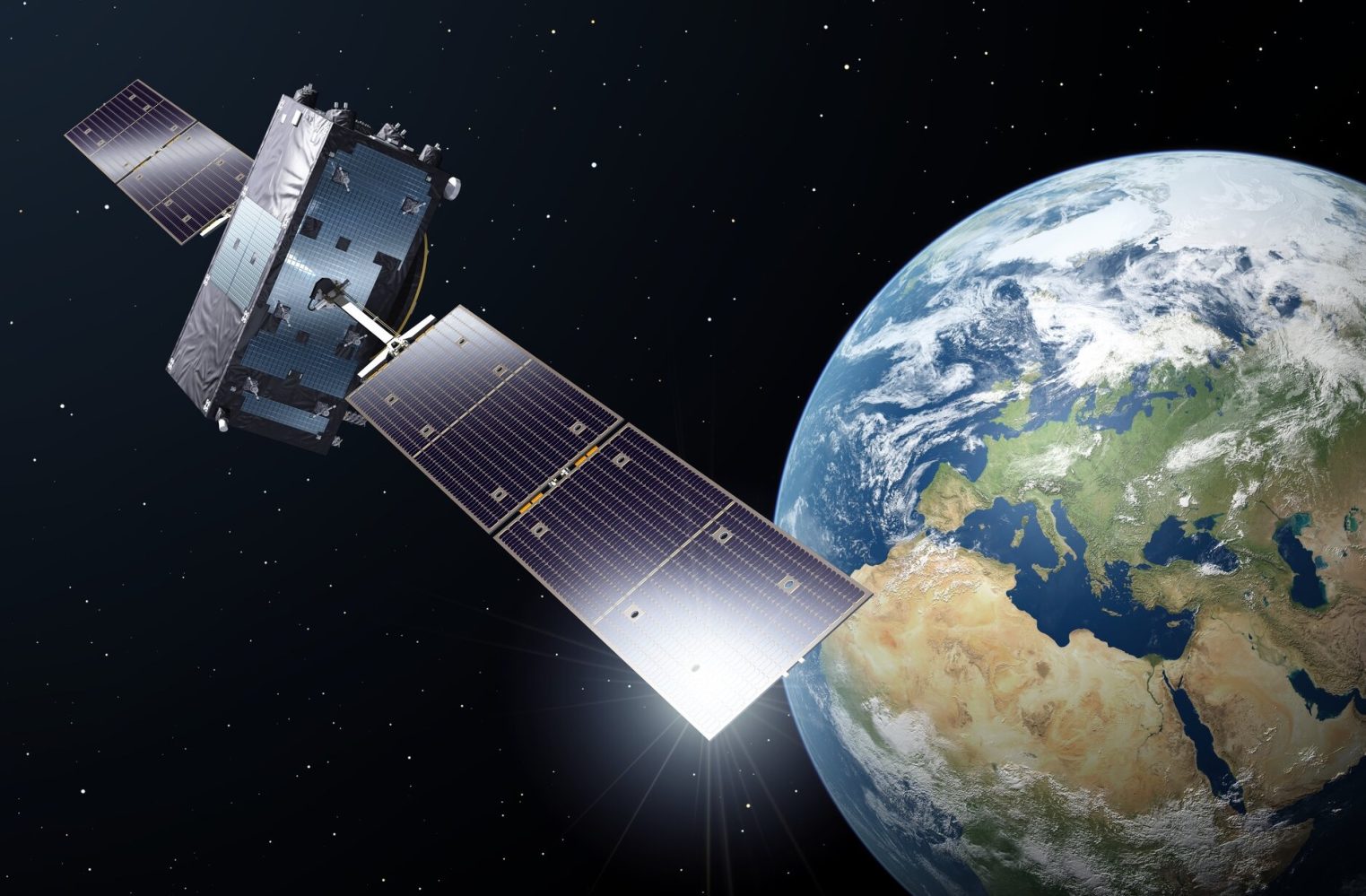

The European Union (EU) has announced the operational launch of the High Accuracy Service (HAS) positioning system from its Galileo global navigation satellite platform – a location-fixing application that becomes available free of charge to myriad users worldwide, including drone operators.
Read More
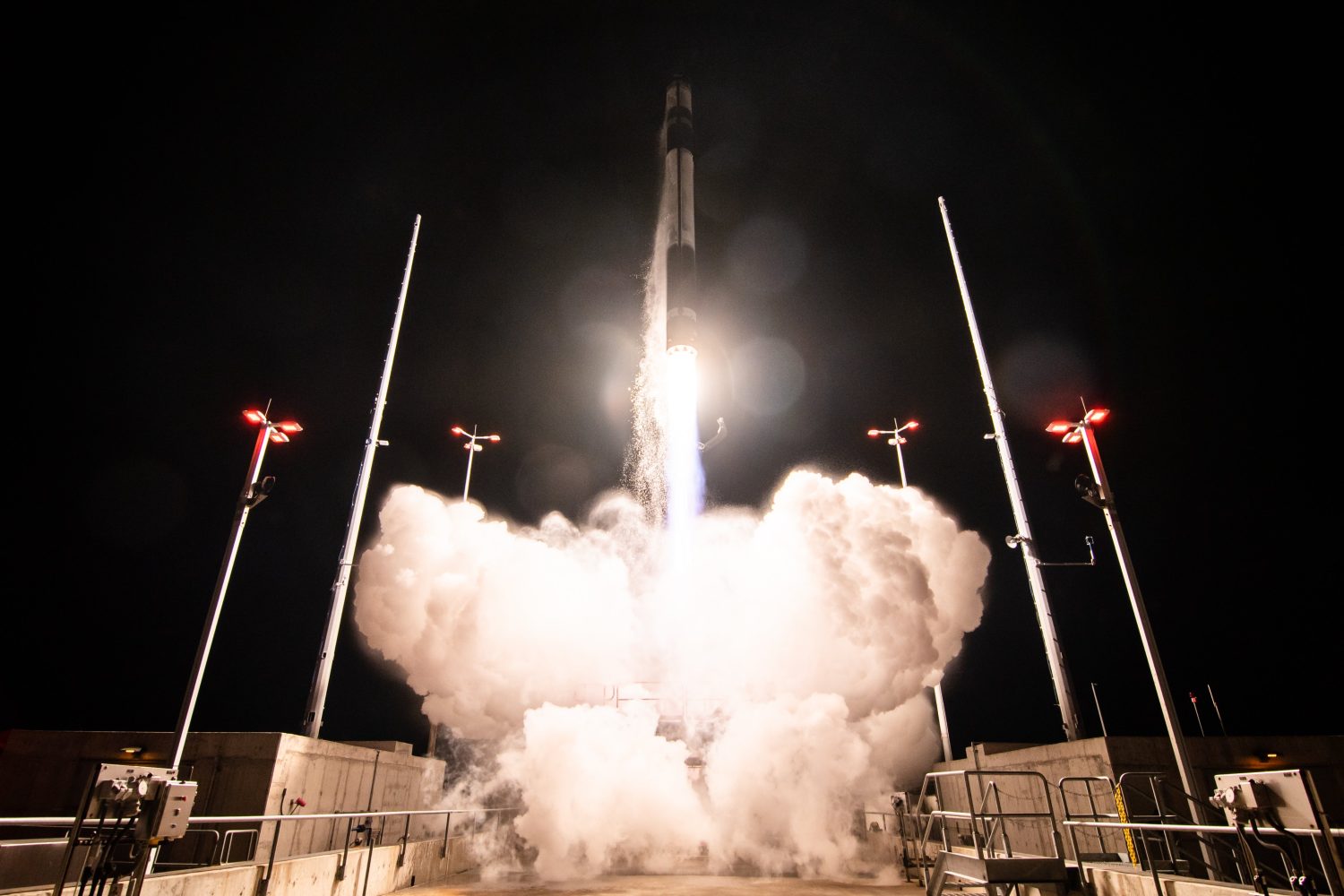
After about a three-year delay due to multiple reasons, Rocket Lab can now be added to the list of companies that launch out of the US. Yesterday the company lifted off from LC-2, its second launch complex out of Wallops Island, Virginia, a pad it started construction on in 2019.
Expand Expanding Close
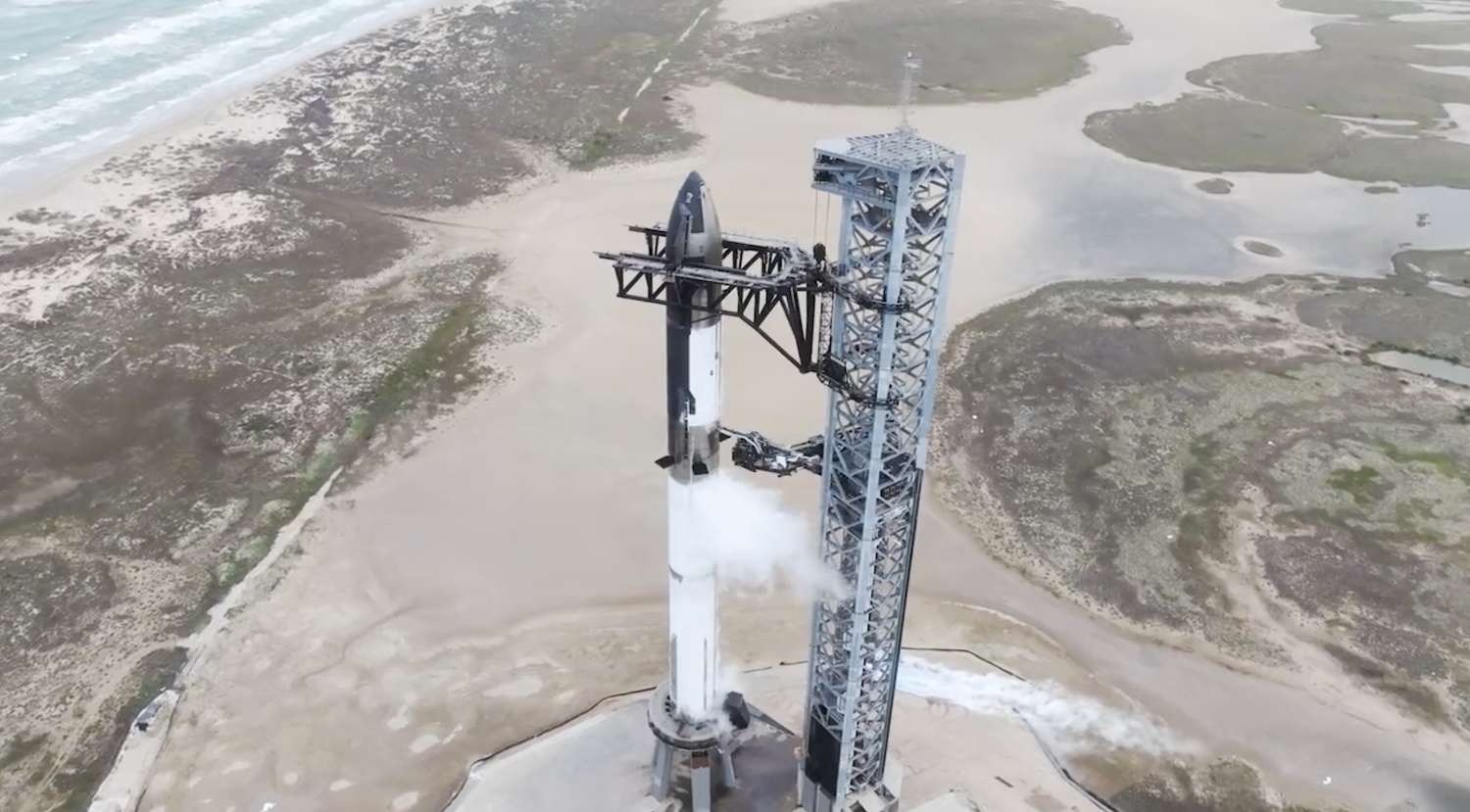
Wow, it’s been a minute since I remember writing about a major Starship testing milestone out of SpaceX’s Starbase facility. But here we are to throw some more fuel to the excitement over Starship’s first launch attempt, now having a wet dress rehearsal (WDR) under its belt.
Expand Expanding Close
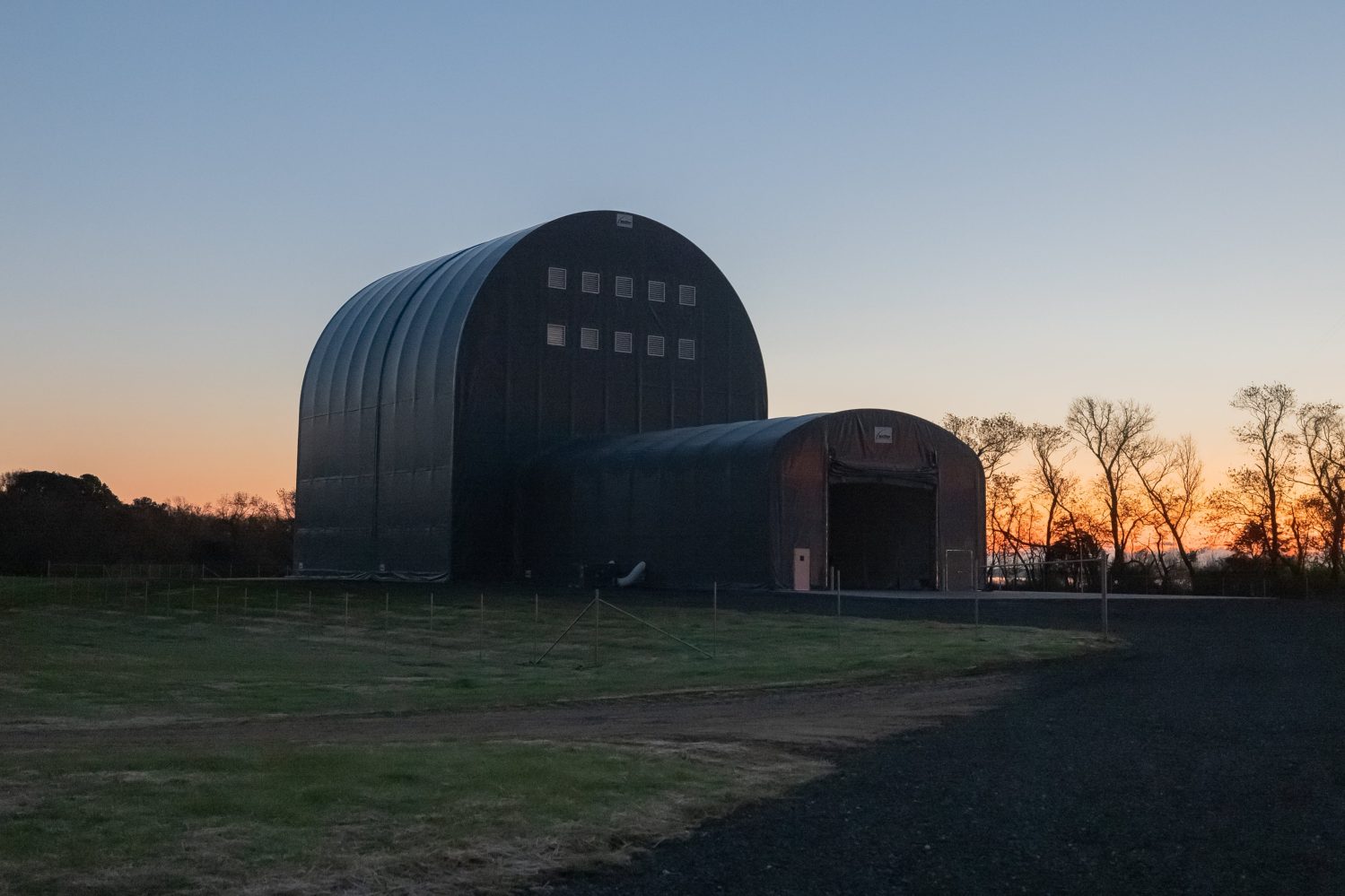
Rocket Lab’s Electron launch program is finally starting to take off, with a chance to surpass double-digit launches this year. However, the development of the company’s next launcher, Neutron, is in full swing, with facilities built and hardware being produced.
Expand Expanding Close
SpaceX’s Starlink satellite internet has continued to expand, and new partnerships will be using the service to provide internet to even more of the general public outside of the home. These latest partnerships, with Carnival Corporation and Thor Industries, will bring Starlink service aboard Carnival Cruise line and Aida Cruise ships, and also integrate the technology into newly built RVs.
Expand Expanding Close

A recently discovered comet will be Earth’s newest visitor in the coming weeks as it makes its first appearance in the night sky in 50,000 years.
Expand Expanding Close
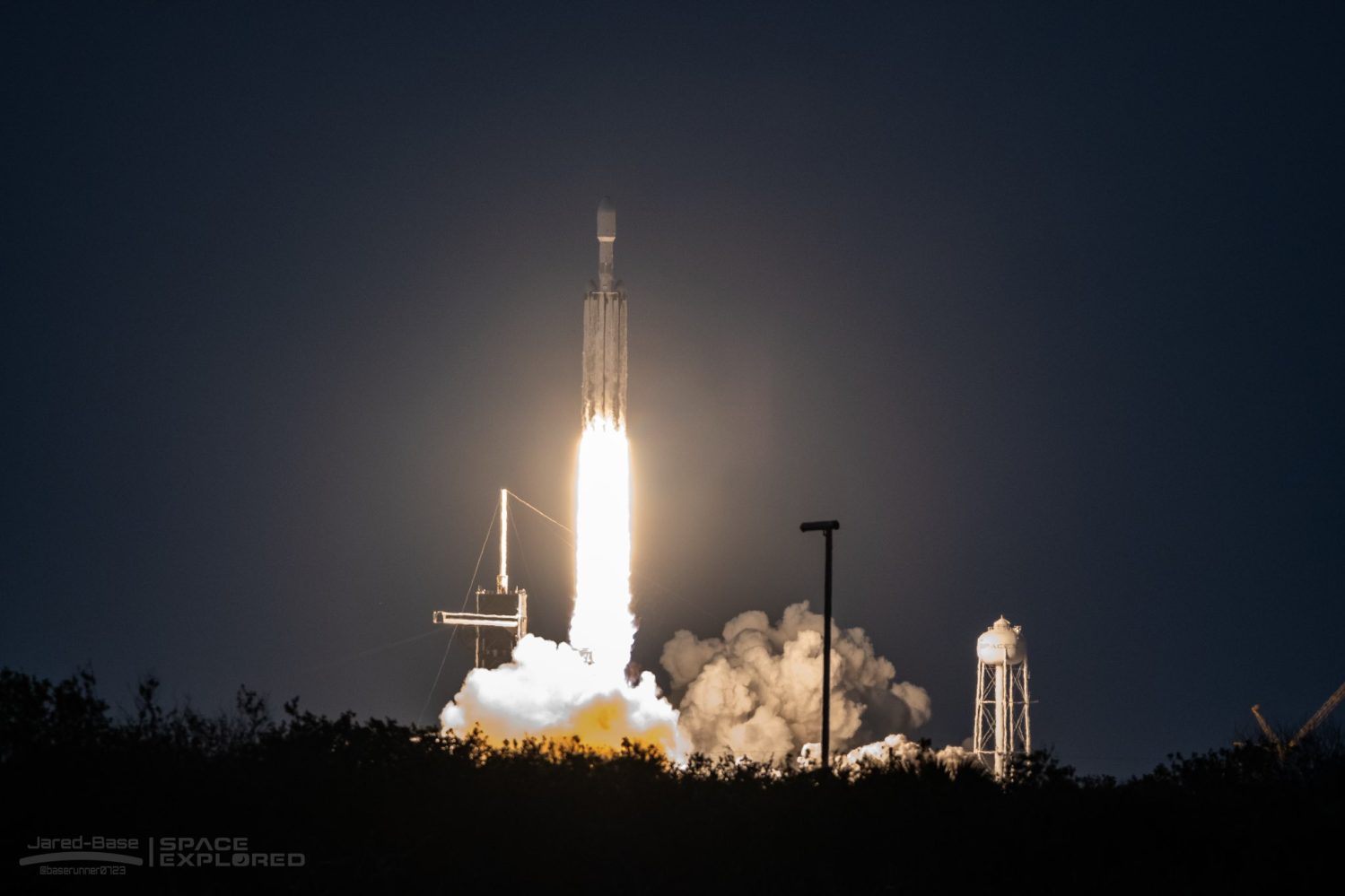
Sunday afternoon, this time without any fog, SpaceX launched USSF-67, another Falcon Heavy rocket out of LC-39A at Kennedy Space Center. Starting a year that could bring us four more super heavy lift launches from the company.
Expand Expanding Close
2022 was another record-breaking year for SpaceX, launching 60 Falcon 9s and one Falcon Heavy, the first since 2019. That’s an average of over one launch per week and double what SpaceX could do in 2021.
Expand Expanding Close

SpaceX’s Starlink high-speed satellite internet service is currently down for thousands of users as the company prepares for another Starlink launch from California tonight. The exact cause of the outage is unclear, but users globally are without internet.
Expand Expanding Close

That’s right, John Deere, what once was just a tractor company, is now looking at getting into the satellite business by finding a partner to supply geospatial maps to its farmers.
Expand Expanding Close
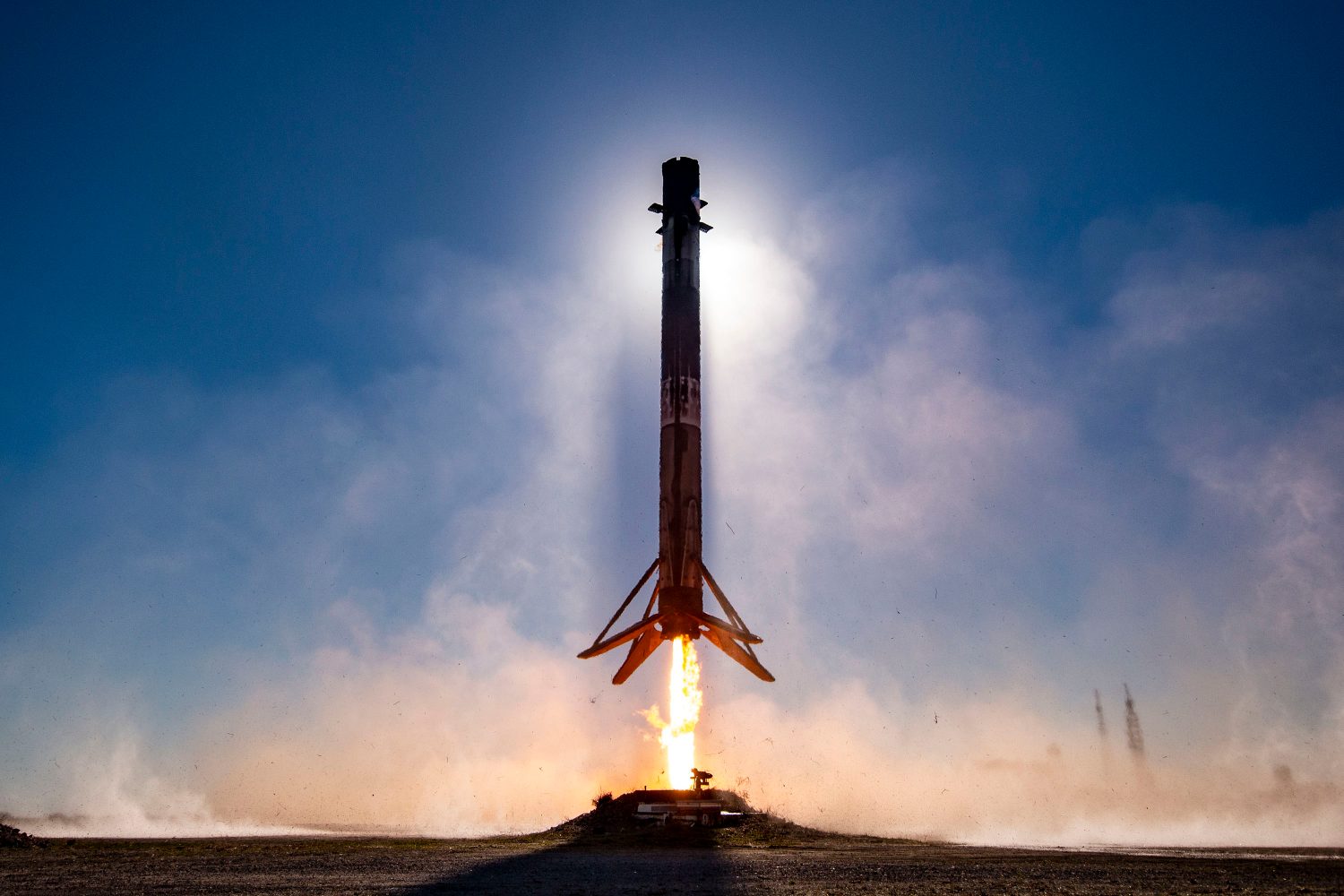
I feel it was just a few days ago we were talking about SpaceX wrapping up 2022 and hitting its 60th launch. With the holiday weekend over, SpaceX is right back at it launching its Falcon 9 rocket.
Expand Expanding Close
This week Seth and Jared recap their favorite events from 2022 and give some predictions for what SpaceX, NASA, and other companies will do in 2023.
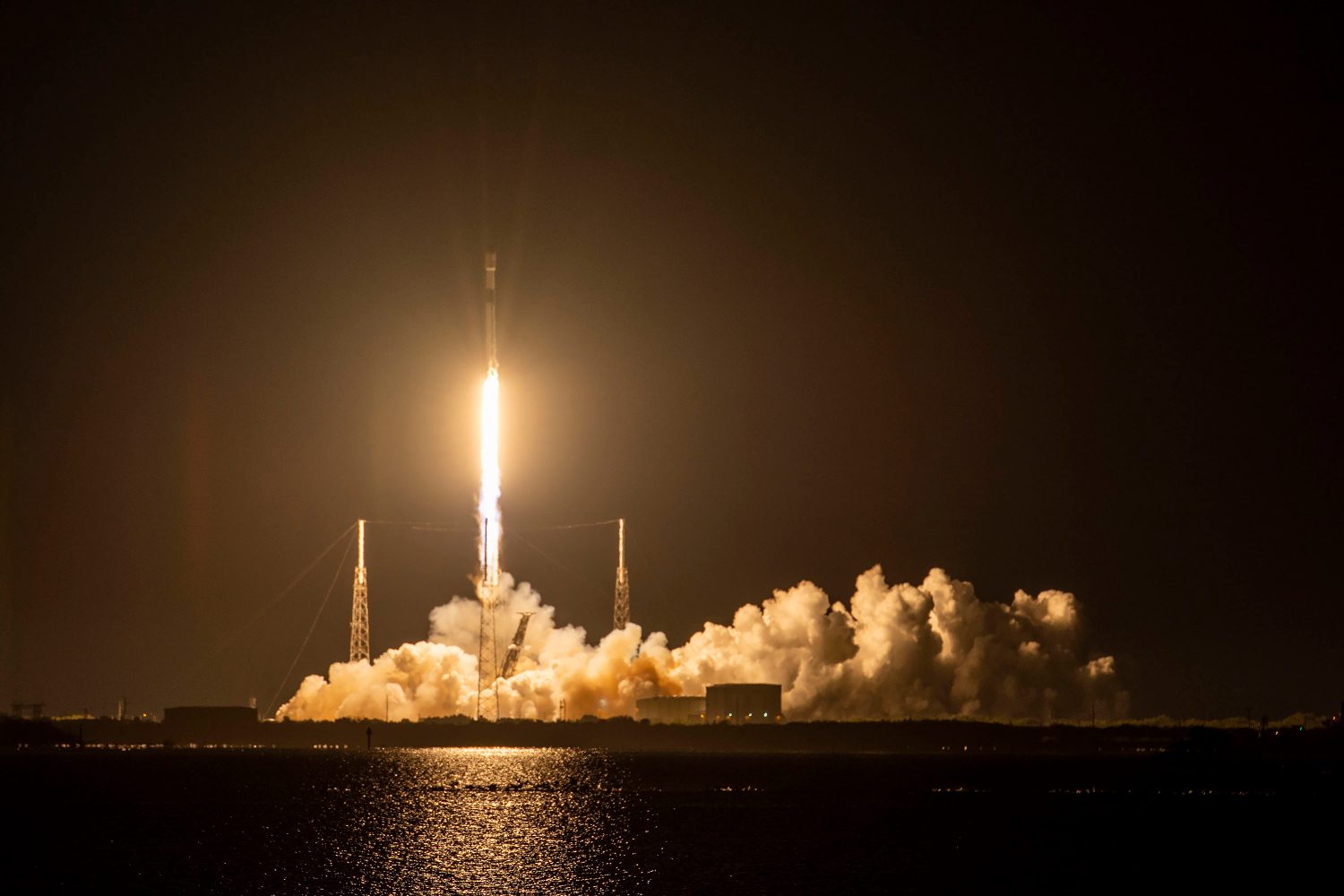
Back in March, some guy took to Twitter to make the bold prediction that SpaceX would launch 60 rockets this year. And surprise (to probably none of you) that guy was Elon Musk – fast forward to this morning, SpaceX just completed its 60th flight for 2022.
Expand Expanding Close
Earlier this week, Arianespace suffered another failure with its Vega rocket, this time with the upgraded Vega-C variant. The launch took place from the Guiana Space Centre in South America and was supposed to carry two French satellites into orbit.
Expand Expanding Close
On December 21, NASA reported that the Mars lander InSight (Interior Exploration using Seismic Investigations, Geodesy and Heat Transport) missed replying to its second call from the Mars Reconnaissance Orbiter, likely as a result of the power waning. This led to NASA officially concluding its four-year mission on Mars. There are several elements that led to the lander’s loss of power, leading many to question how the vehicle could have been saved. Followers of the mission have common questions about how the vehicle could’ve been saved. They also ask about the fate of Mars’ other remaining operational vehicles.
Expand Expanding Close


