Seth Kurkowski covers launches and general space news for Space Explored. He has been following launches from Florida since 2018.
Seth’s first launch was SpaceX’s Falcon Heavy Demo in February of 2018 and has been hooked on them ever since.
He also helped start Space Coast Launch Ambassadors, an outreach group advocating for space exploration while helping the general public enjoy rocket launches from the Space Coast.
Seth co-hosts the Space Explored weekly podcast as well as the Rapid Unscheduled Discussions podcast both of which you can listen to here on SpaceExplored.com
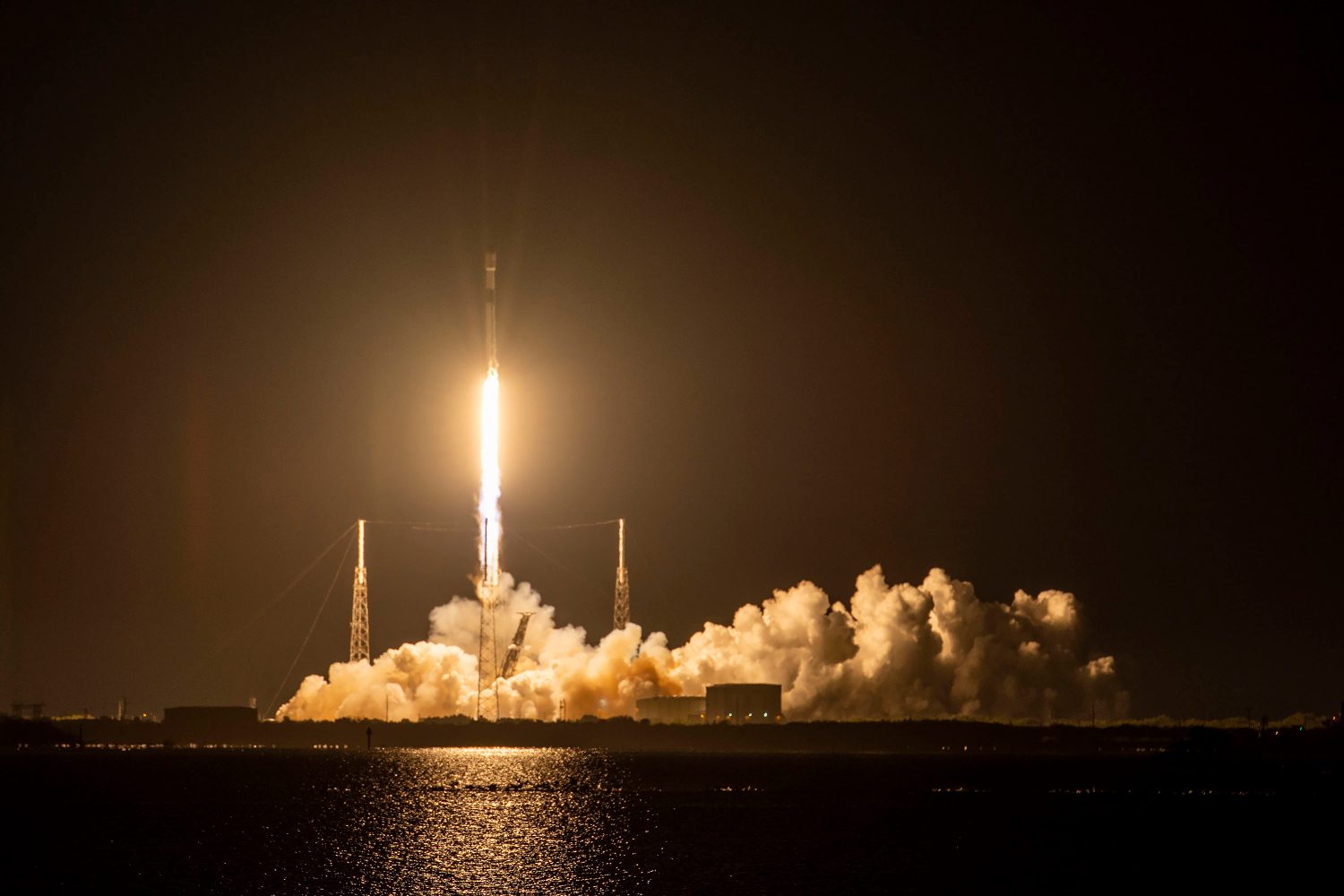
Back in March, some guy took to Twitter to make the bold prediction that SpaceX would launch 60 rockets this year. And surprise (to probably none of you) that guy was Elon Musk – fast forward to this morning, SpaceX just completed its 60th flight for 2022.
Earlier this week, Arianespace suffered another failure with its Vega rocket, this time with the upgraded Vega-C variant. The launch took place from the Guiana Space Centre in South America and was supposed to carry two French satellites into orbit.
Over the weekend, we finally got word of who will fly on the mysterious dearMoon mission paid for by Japanese billionaire Yusaku Maezawa. The crew is filled with artists from all mediums and even a media member. Check out who will be flying on dearMoon below.
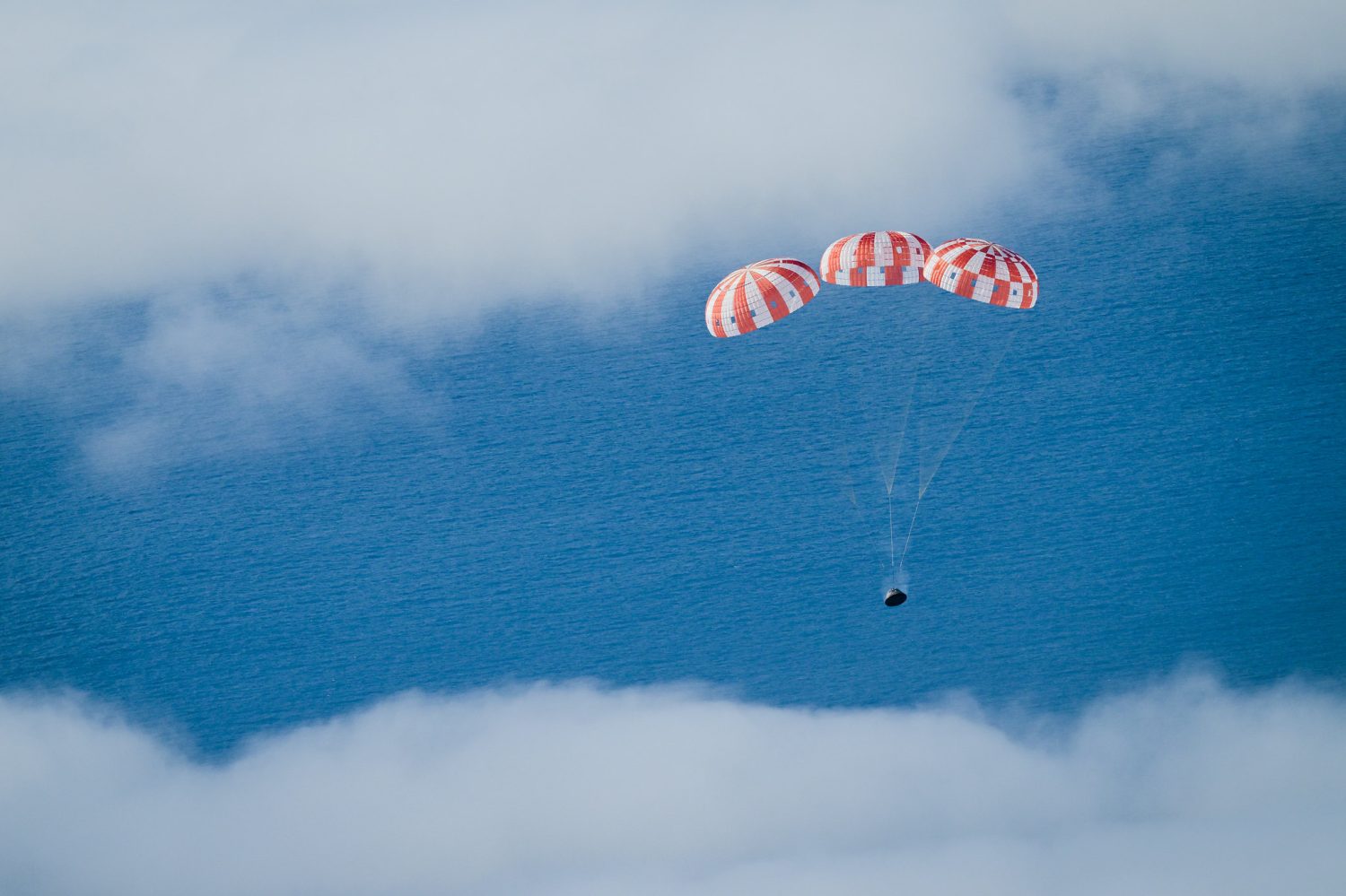
It’s crazy to think it’s already been 25 days since NASA’s launched its largest and most powerful rocket to the Moon. After a decade of work, everything came together to bring us to this day, with a completed and validated deep space launch system for NASA after a successful Artemis 1 splashdown.
Back in March, NASA announced it would seek to award a contract to purchase a second lunar lander for the Artemis Program. We’re seeing many similar faces return with bids for NASA’s money, including Blue Origin with a revised National Team of other notable aerospace contractors.
This week Seth and Jared discuss their experience watching the launch of NASA’s Artemis 1 mission and this week’s top headlines. Also, some bold statements on the future of SLS’s launch schedule.
This week we bring an interview out of the archives with NASA’s Tom Engler on how Kennedy Space Center has changed from the Shuttle program to now. Jared and Seth also discuss the week’s top headlines and correctly predicted Artemis 1’s fate.
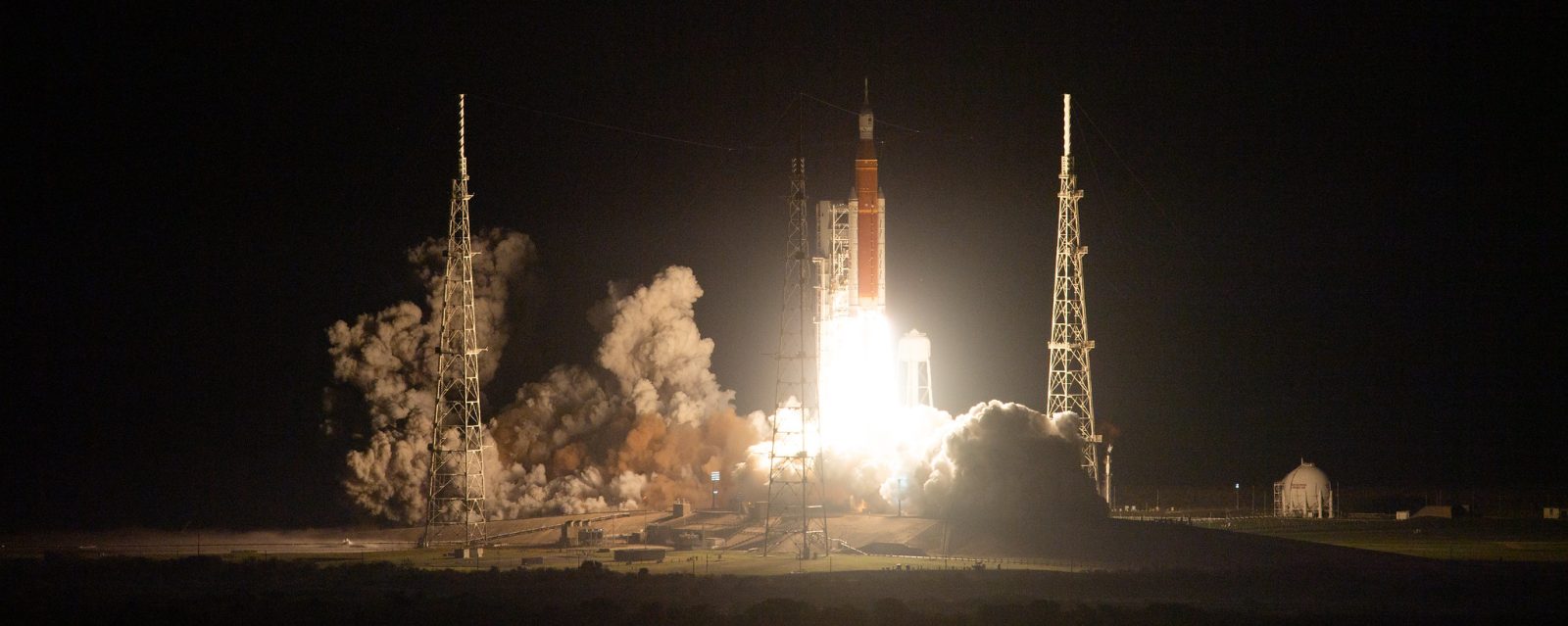
After years of delays and several frustrating launch attempts, Artemis 1 has launched and is on its way to the Moon. Finally, the planets aligned for NASA and the SLS rocket to take flight and wow onlookers who have waited for this moment for a very long time.
Before settling down in NASA’s press center at Kennedy Space Center for tonight’s launch, I was able to speak with ESA astronaut Luca Parmitano on the role Europe plays in this launch. “NASA will always be the agency that put a man on the moon 50 years ago,” Luca said, “But nowadays, we as a European space agency are trying to catch up, and we want to be part of this incredible endeavor.”
I asked Luca if he believed tonight is the night Artemis 1 will finally launch. He thinks we are 50/50 but still very excited to see this candle light.
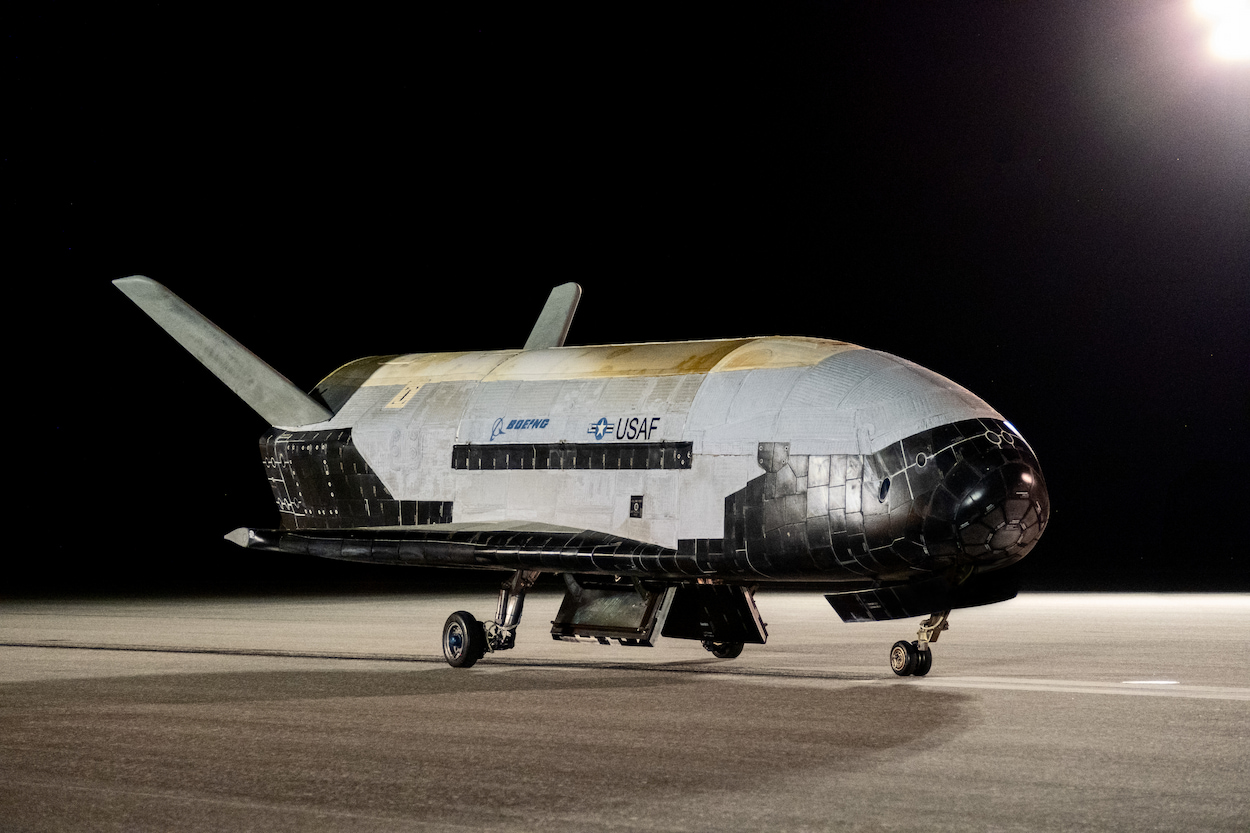
It seems to be a news story that takes place every couple of years, but early Saturday morning, sonic booms were heard across Florida Space Coast. Those rather iconic booms could only mean one thing, the arrival of NASA’s Space Shuttle or the Space Force’s classified X37-B spaceplane. Since all of NASA’s shuttles have been collecting dust in museums for the past decade, it must be that pesky X37-B.
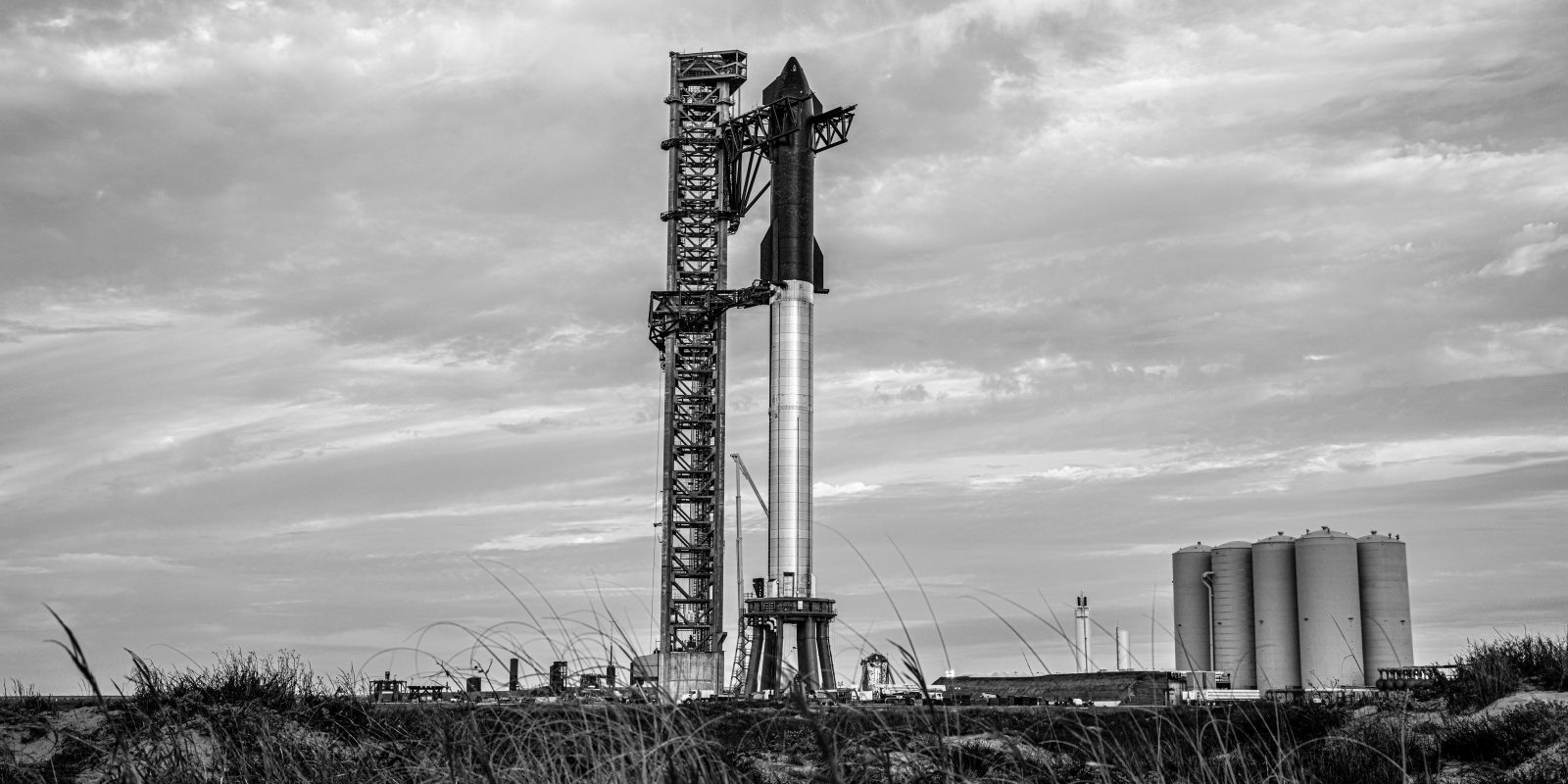
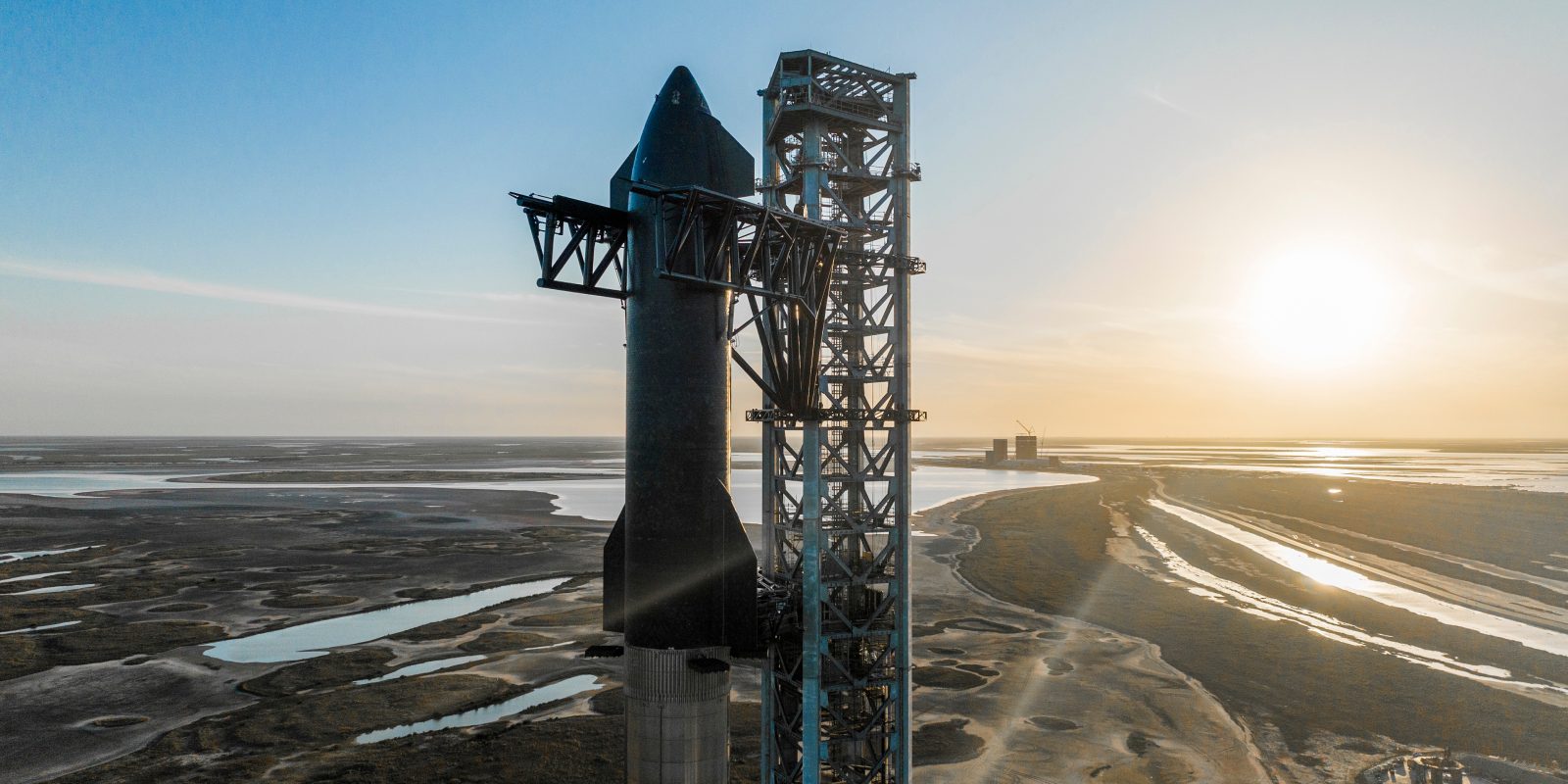
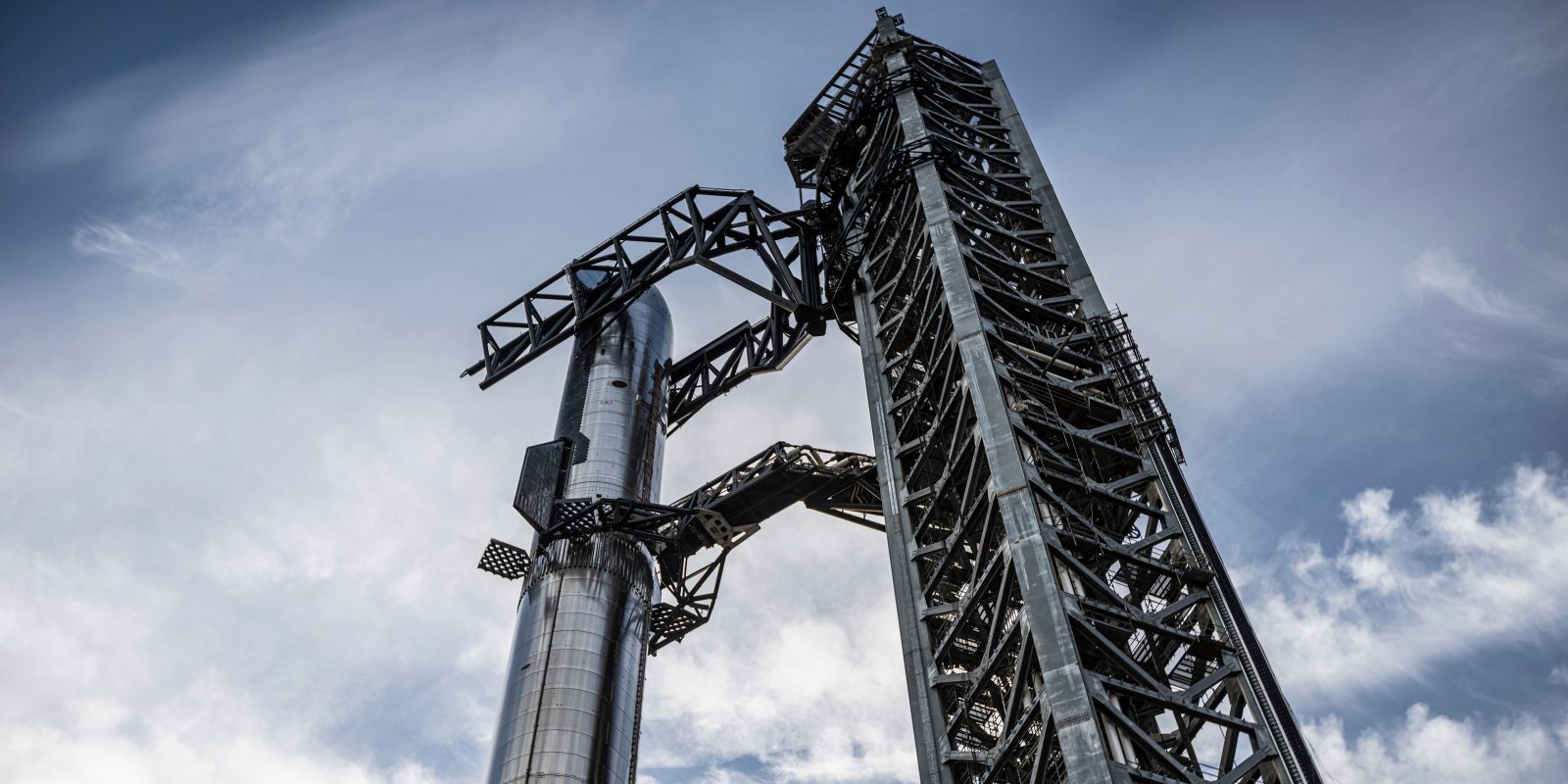
It sounds like SpaceX’s Starship program is getting another leadership change, and this time it’s a big one. SpaceX employee number 11, Gwynne Shotwell, the President and COO of the company, will now lead its development.
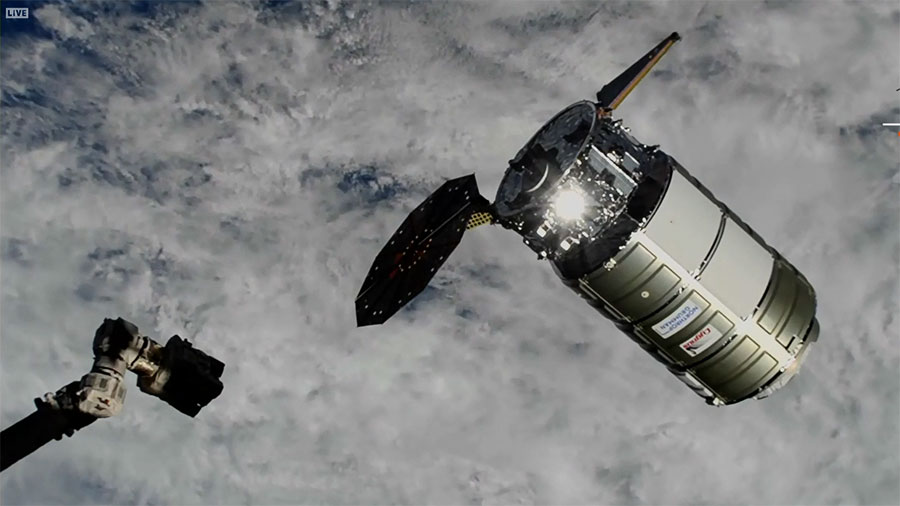
Early this morning, Northrop Grumman’s SS Sally Ride Cygnus spacecraft arrived at the International Space Station carrying 8,200 pounds of supplies for the seven crewmembers. However, the Cygnus is missing one of its now iconic circular solar panels due to an unknown failure.
This week (on the late episode of the podcast), Seth and Jared talk about their very different Falcon Heavy launch experiences, less than 13 miles apart. They also recap the headlines from the past week, including Amazon’s thoughts on the launch of Kuiper with SpaceX, Elon and Twitter, and even some Artemis news.
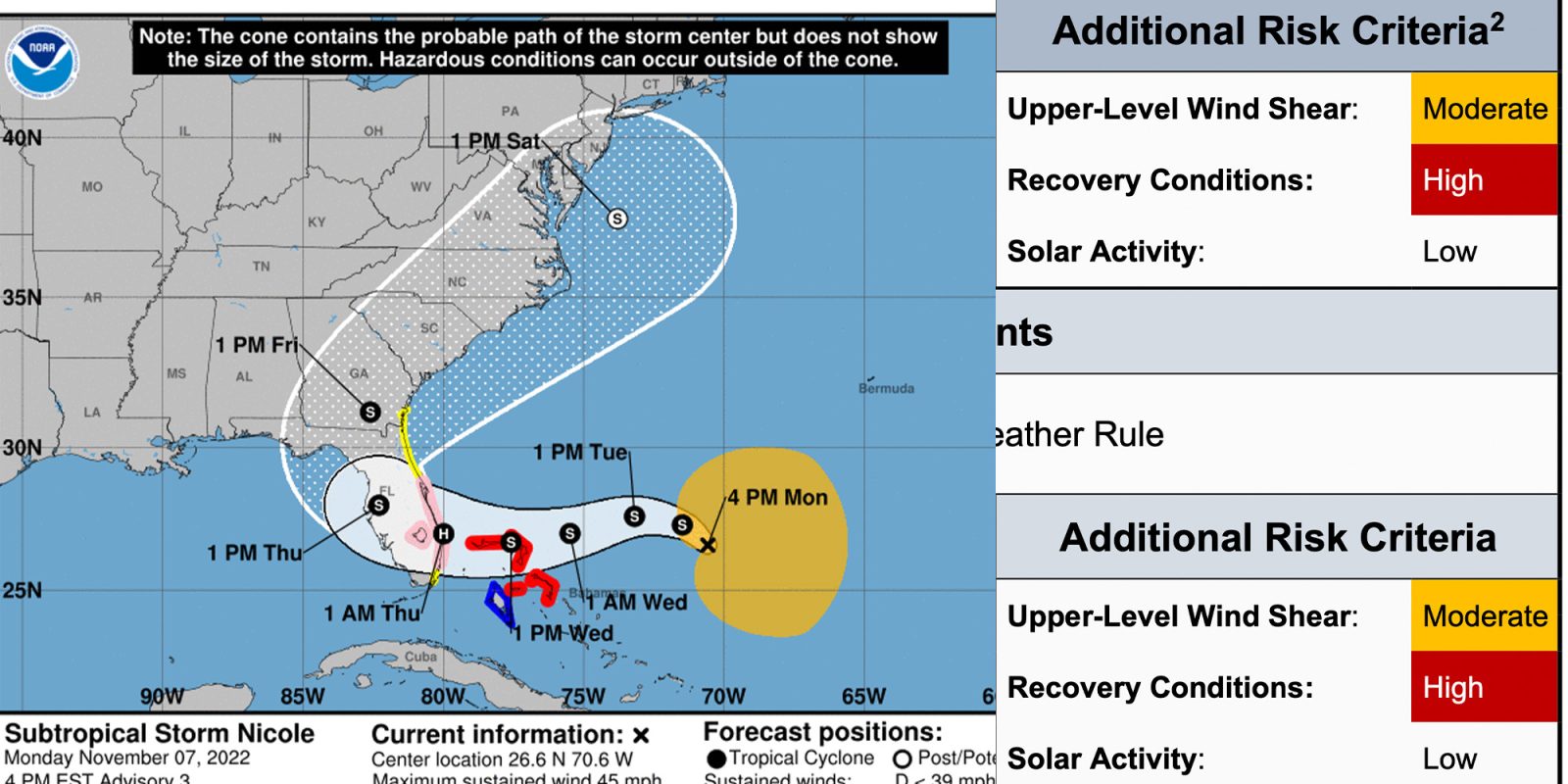
Have you ever woken up on a Monday morning and thought to yourself, “yeah, no, I don’t want to do anything,” and then you attempt to get up, and the day doesn’t stop punching? That was today for the space industry. We work up to a new report of Subtropical Storm Nicole making landfall on Florida’s Space Coast (just in time for Artemis 1 to be rolled out to the pad), Northrop Grumman’s Cygnus spacecraft only having one solar panel deployed, and an absolutely terrible weather forecast for SpaceX’s next Falcon 9 launch.
I guess here’s the deal, Mondays suck not just for the average person but even for the most talented and intelligent people we know. I just got back from SpaceX’s Falcon Heavy launch on Saturday, and I hopefully plan to drive back down from Wisconsin for Artemis 1 and an airshow this Thursday, both of which could be canceled, so I guess the joke is on me?
Two weeks ago, SpaceX founder and CEO Elon Musk officially took control of Twitter, an app you probably used to get to this article. We’ve seen Musk start new companies since creating SpaceX, but this is the first significant company he has taken control of since Tesla in 2004. So what does this new addition to the Elon portfolio mean for SpaceX?
According to a report from The Information, SpaceX could be pushing its Starship production too fast, with safety concerns reported by employees during a recent full stack test. All this under the eyes of Starlink’s chief, now unofficially running the program.
Sometimes it’s good to be a competitor, and sometimes it’s nice to be a launch provider. SpaceX gets to be both and profit off its competitors. Amazon Senior Vice President Dave Limp said the company is also open to SpaceX’s capabilities to launch its Project Kuiper satellites.
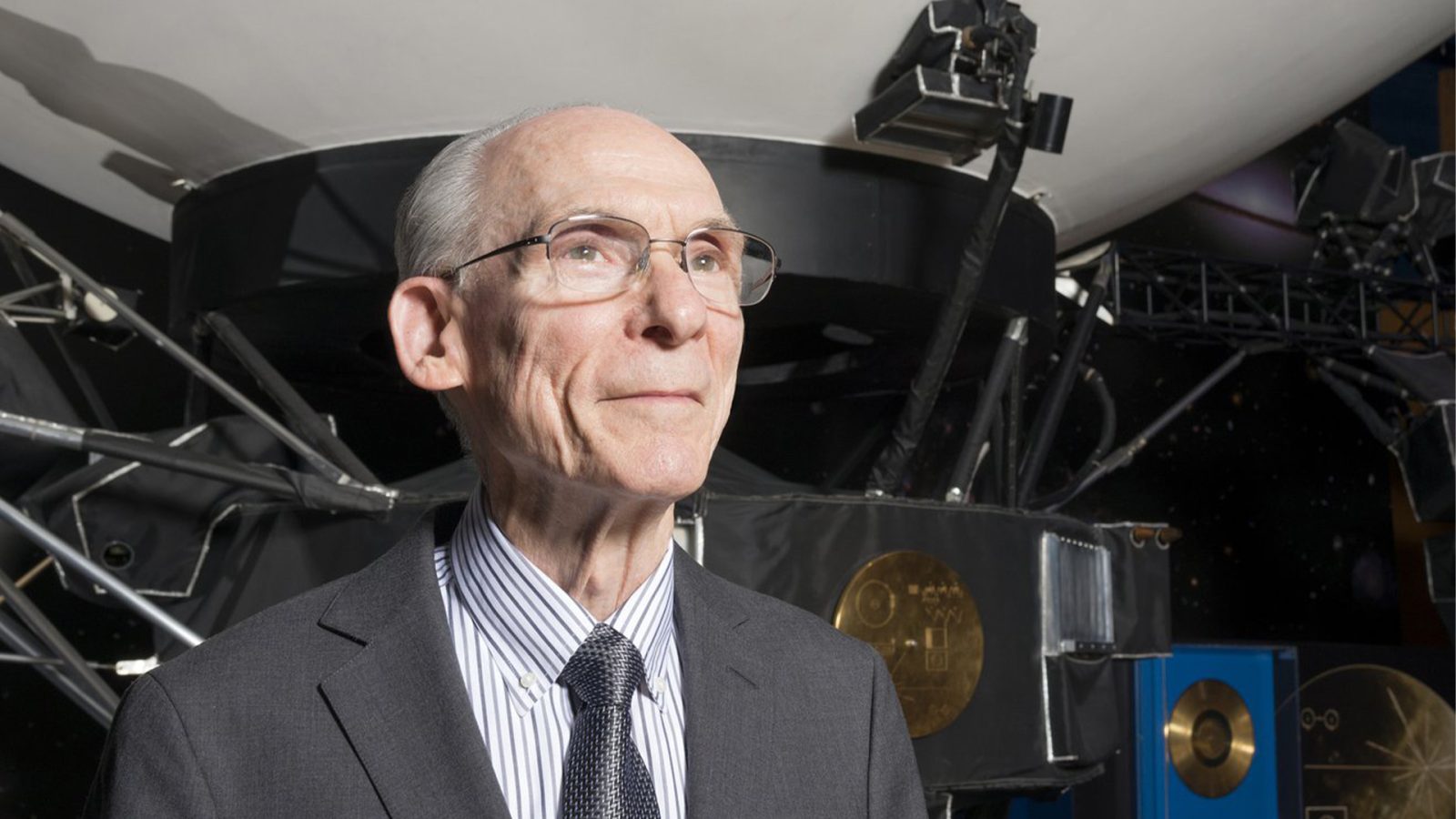
Talk about dedication to your job! While the average employee only stays at their company for four years, Edward Stone stuck around for 50. On Tuesday, he finally retired from JPL, where he served as Voyager’s Project Scientist.
This week Seth and Jared dive into the science that Polaris Dawn will complete while in space. There are also plenty of SpaceX headlines to talk about as we near the fourth Falcon Heavy launch.
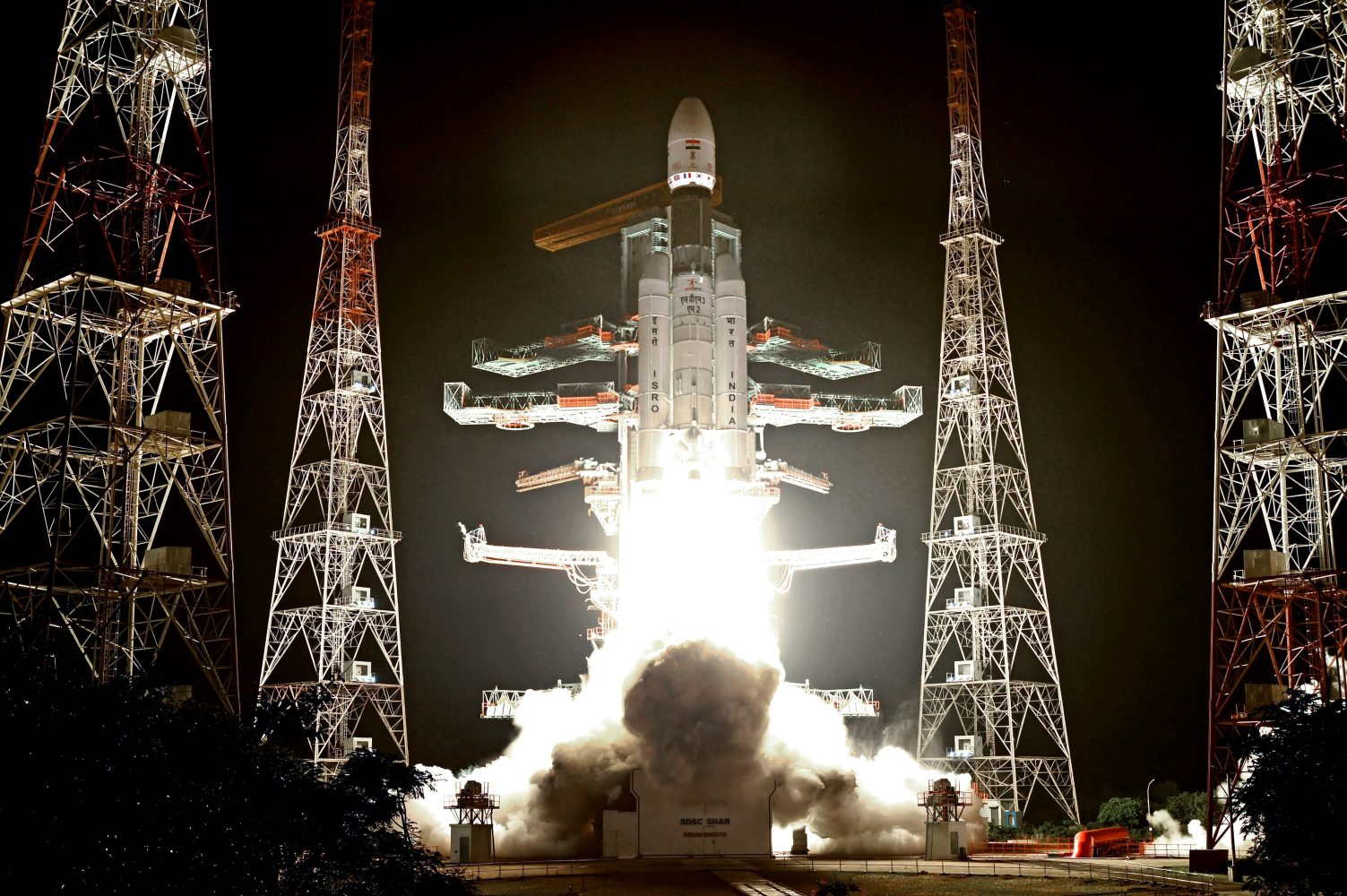
It’s not often that we discuss the launch of a mega constellation other than Starlink, but over the weekend, OneWeb became the first commercial launch on India’s largest rocket. This was also the company’s return to launching since it broke ties with Russia over the country’s invasion of Ukraine.
Seth and Jared discuss what is going on in Ukraine with Elon Musk and Starlink. They also catch you up on the top headlines in space from this past week.
It’s already been about a month since Astra’s closing price on NASDAQ went below the $1 limit, which triggers some issues with the powers that be in New York. Since then, the stock price has continued to decrease in value as failed launches have led the company to shift to a new rocket design.
This week Seth and Jared dive into Astra Space receiving a delisting warning from the NASDAQ and what that means if you own shares of the company. Also, they catch you up on all the rockets that launched last (eight in seven days!!!), Elon Musk’s peace idea for Ukraine and Taiwan, oh and what’s the deal with that Crew-5 Meatball?
This week Seth and Jared discuss SpaceX’s study to save Hubble, of course our update on the Artemis 1 mission (that we swear will end someday) and some surprisingly nice comments by Russia’s new space chief. The hot takes this week are about Tesla’s AI robot and the FCC taking on space debris.