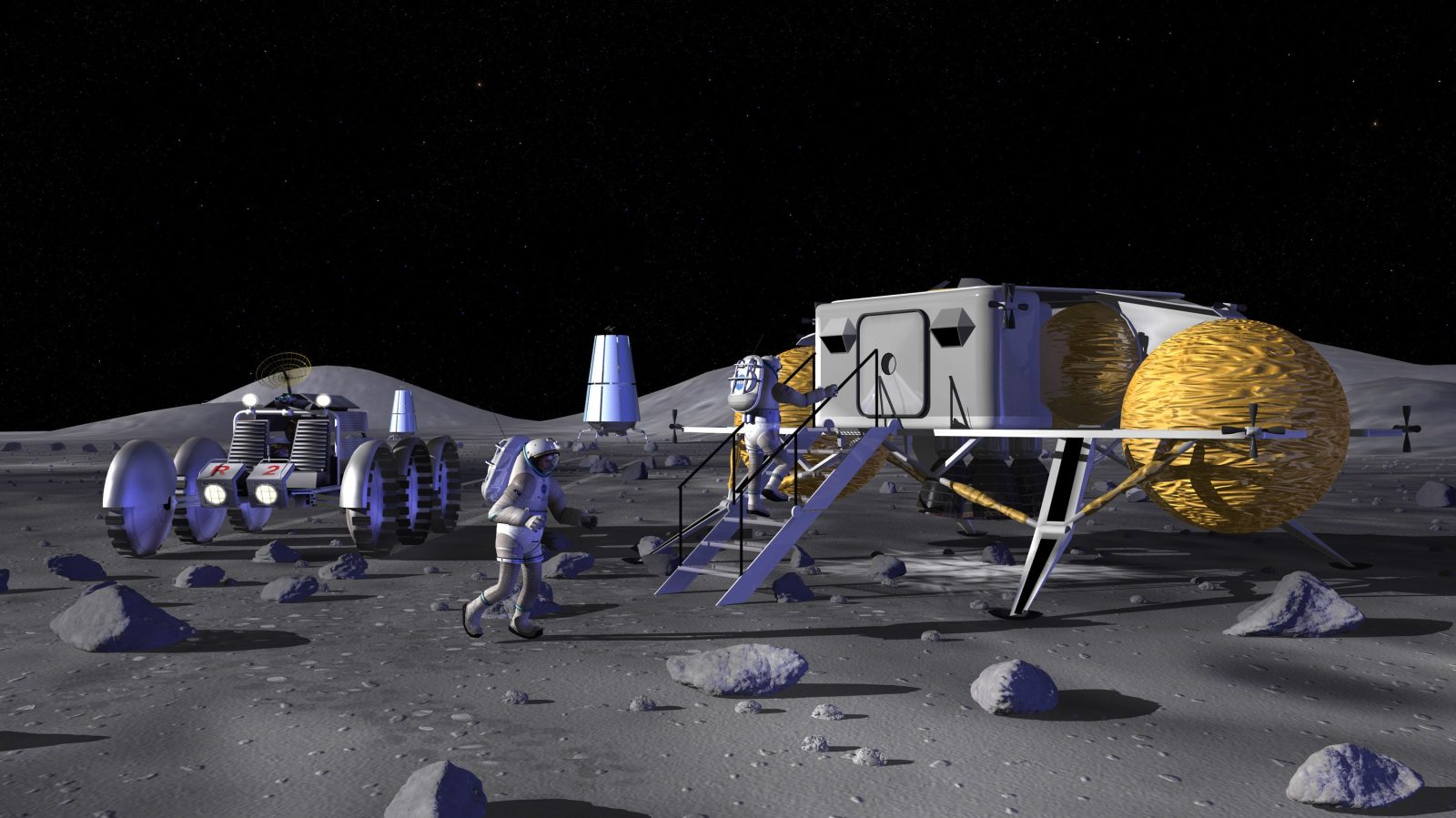
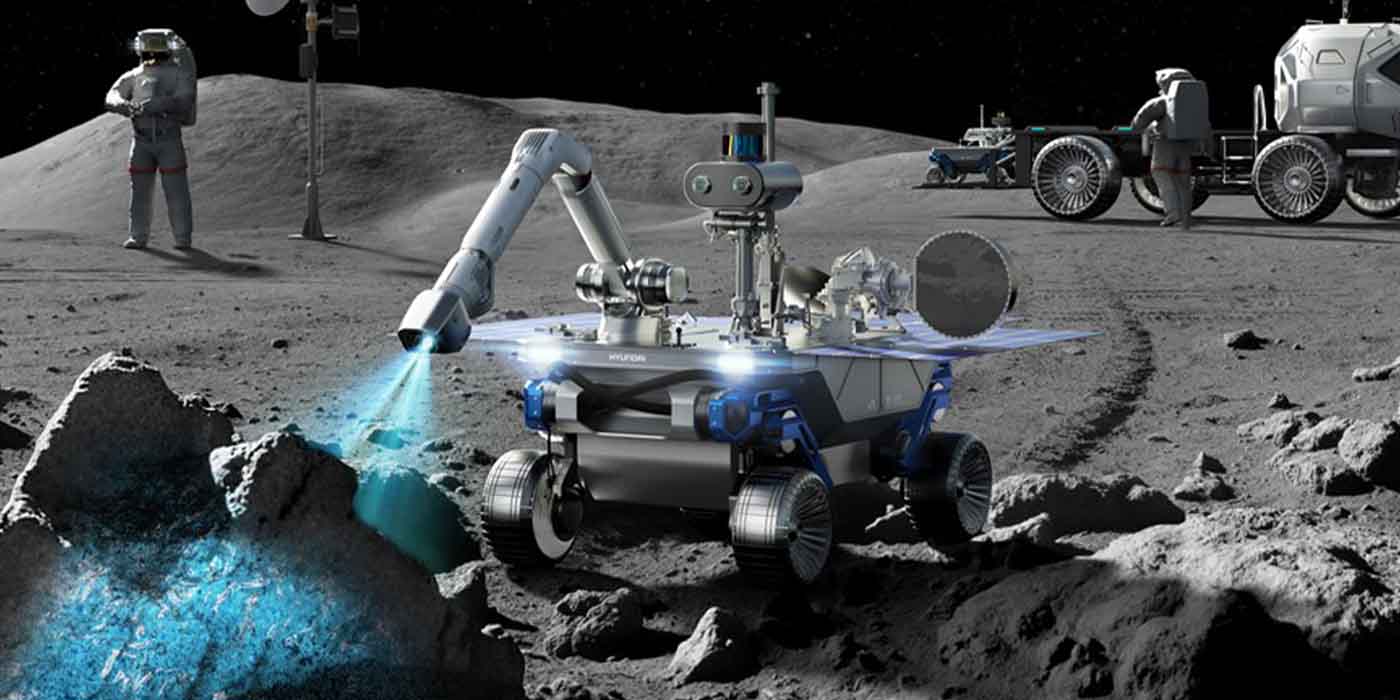
Hyundai Motor Group has shared details of the development of an autonomous lunar exploration rover it is designing with Korean aerospace partners to one day navigate the surface of the moon. The Group is aiming to deliver a launch-capable model utilizing Kia and Hyundai technologies by 2027.
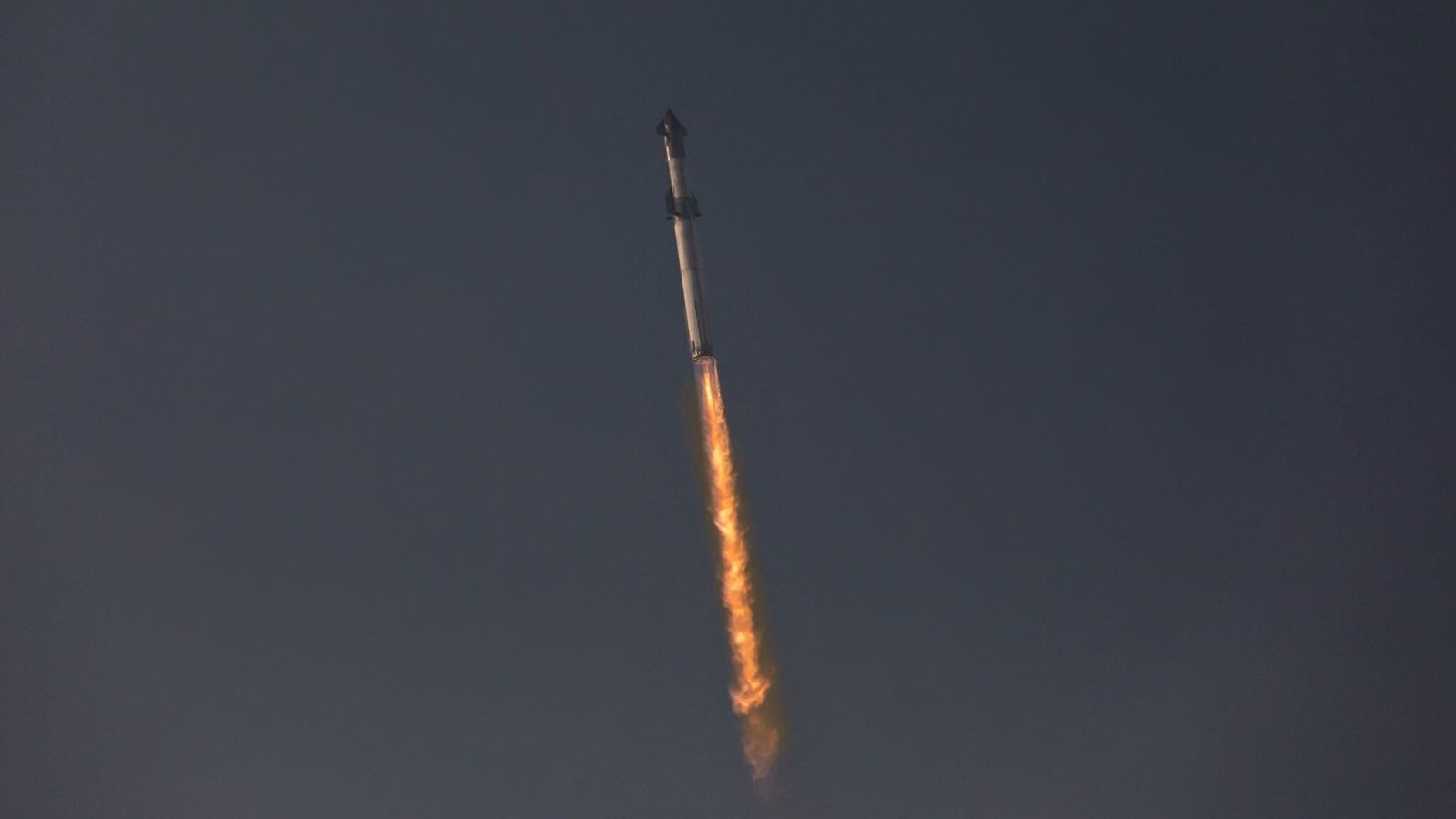
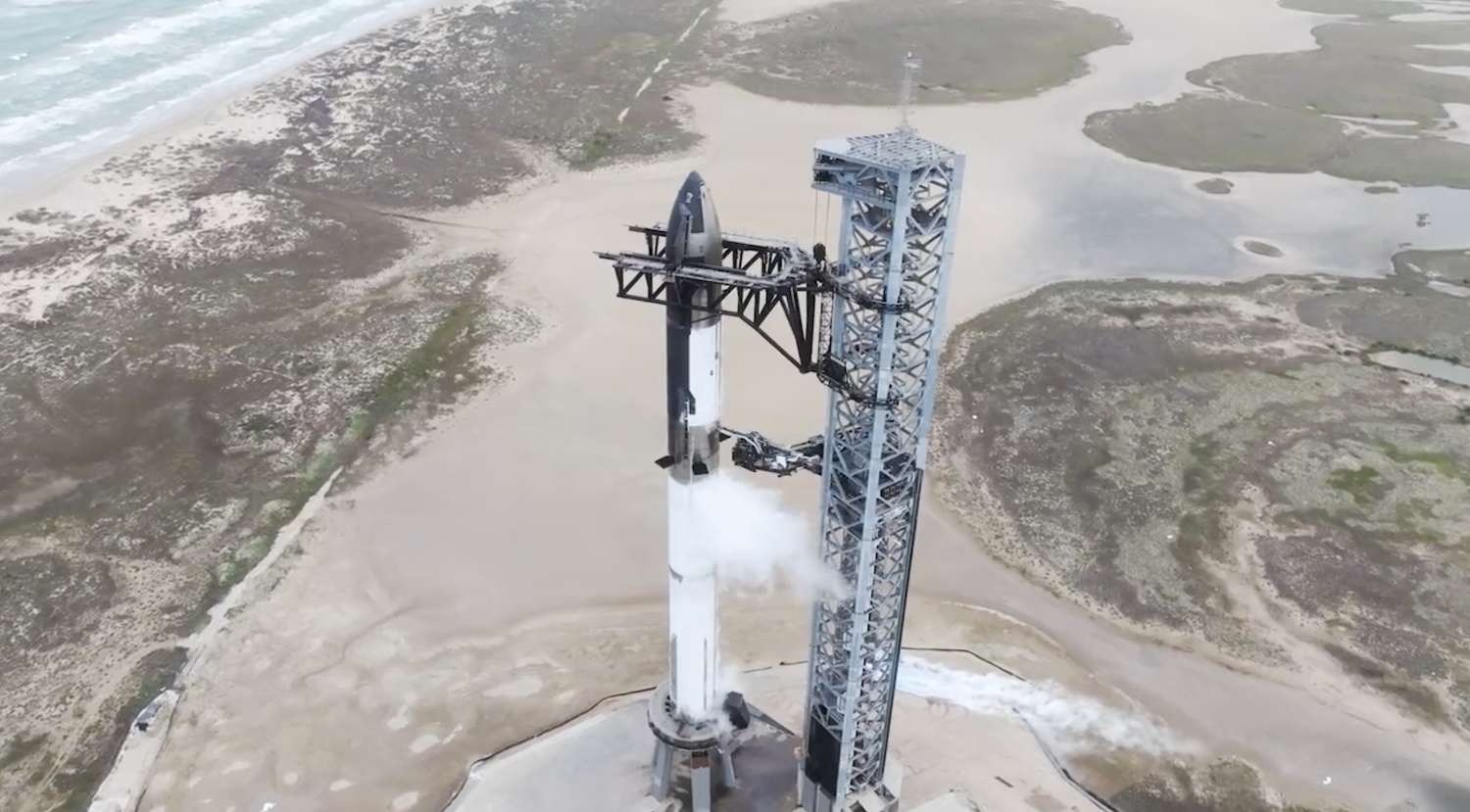
In a moment of shock and awe, SpaceX’s Starship launch vehicle lifted off from what was just a few years ago a small beach village at the southernmost point of Texas, now referred to as Starbase. While it didn’t make it to Hawaii, it did bring us closer to a new era of spaceflight – one whose launch market will most likely remain dominated by SpaceX’s innovation.
Thursday, (yes 4/20) SpaceX is set to conduct its second attempt at its first fully integrated launch of the company’s Starship rocket. A vehicle we’ve seen being developed out in the open for over four years now. Here is how to catch SpaceX’s historic moment.
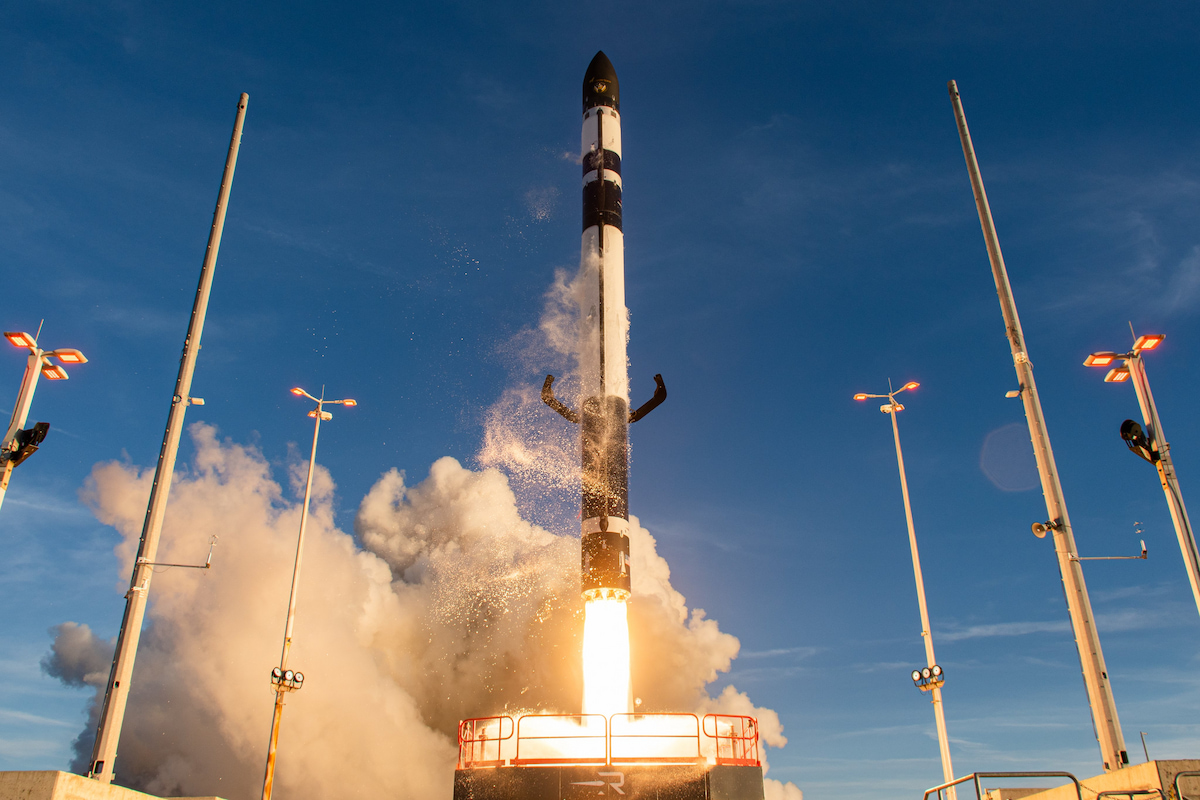
Rocket Lab announced Wednesday that they would take another big step in reusability, one of their most important, to re-fly its first flight-proven engine. The flight is guessed to take place later this year.
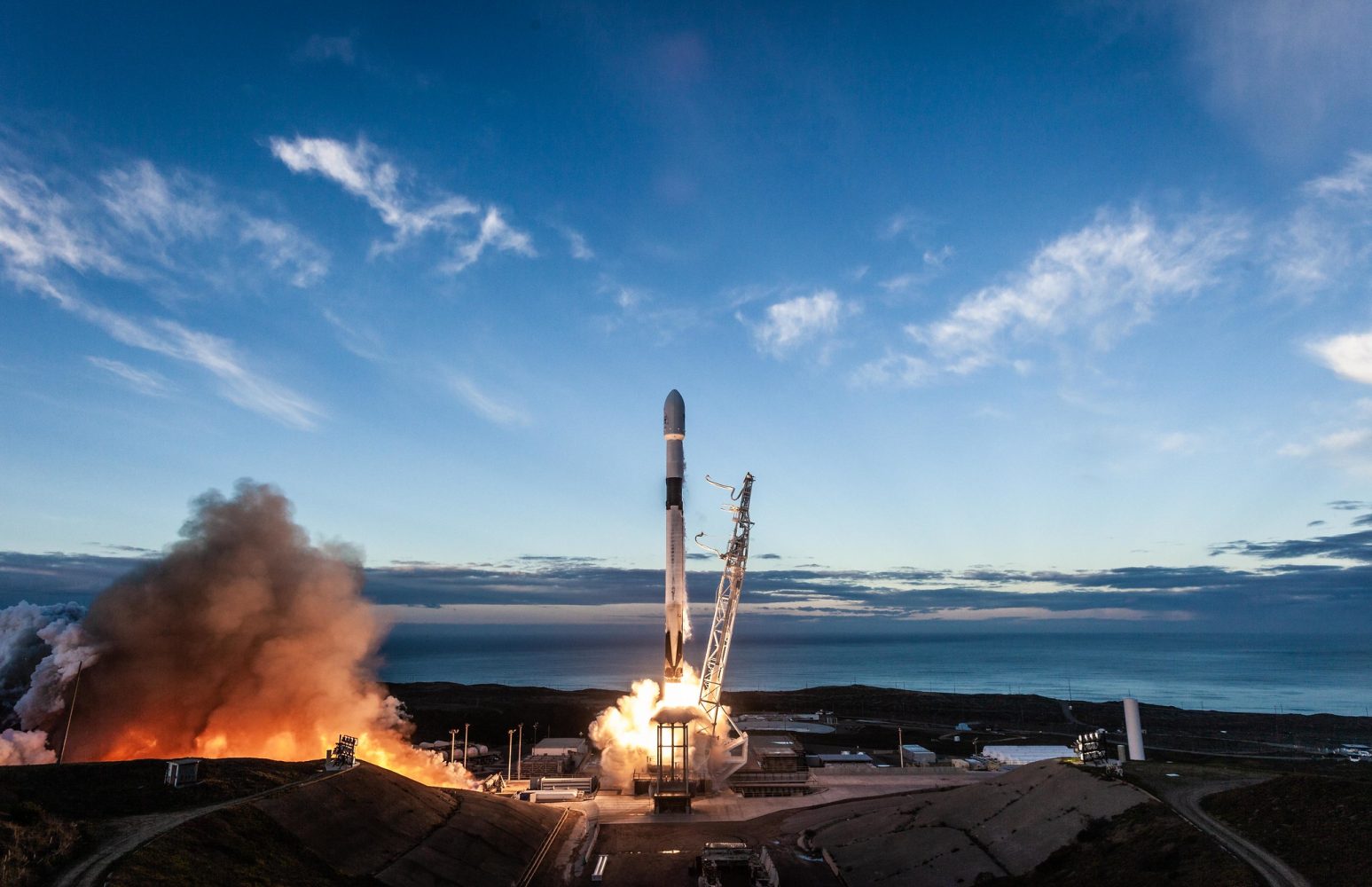
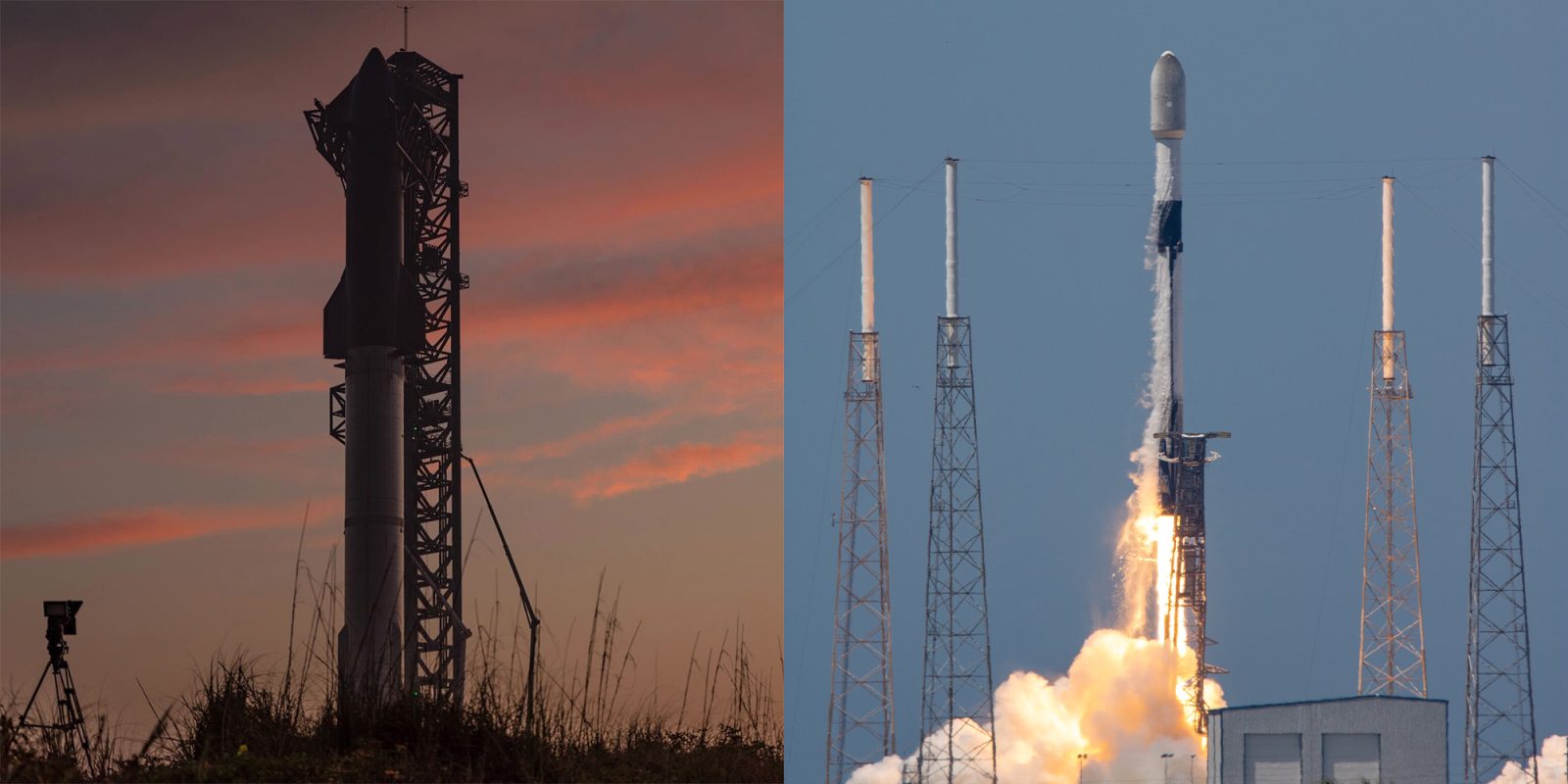
While SpaceX continues to ready its massive Starship rocket for flight in South Texas, the company launched a Falcon 9 rocket from Florida with a batch of upgraded Starlink satellites.
Liftoff atop a Falcon 9 rocket took place at 8:27 a.m. ET Wednesday, from Space Launch Complex 40 at Cape Canaveral Space Force Station in Florida. Aboard were 21 upgraded Starlink V2 “mini” satellites bound for low Earth orbit, adding to the ever-increasing internet constellation for SpaceX.
Blue Origin has been silently working on its next launch vehicle New Glenn for years now and we may be close to seeing its first launch in 2024. As it does with its New Shepard rocket, the company plans on recovering the first stage booster for reuse. While this plan has changed some, scrapping the boat Blue initially intended to land on, recovery of the first stage is still a major part of the New Glenn system. We previously noted on Twitter that Blue Origin had acquired a building complex within Port Canaveral, formerly used by SpaceX, and we now understand that it plans to base its recovery operations there. Now, a new permit shows the next area of the port Blue is looking to call home as it inches closer to the first New Glenn launch.
Well, this was unexpected… SpaceX has added two new items to its online store, and I’ve never been more tempted to buy them. For pre-sale only, you can give the company your hard-earned cash for a large torch in the shape of Starship.
This is a great week for those of us that are Starship fans since it could (maybe), possibly, make its maiden launch on its integrated flight test. Meanwhile, SpaceX is also launching its second batch of Gen 2 Starlink satellites later this week.
Unfortunately, but perhaps unsurprisingly, Starship did not launch today, Monday, April 17. This date marks the closest SpaceX has ever been to launching the world’s most powerful rocket ever. What’s next?
Sunday afternoon Elon Musk spoke to his Twitter Subscribers about tomorrow’s inaugural test flight of the fully integrated Starship system, tomorrow morning. He shared his expectations for the launch, his concerns, and talked about the Starship program as a whole.
Less than an hour ago, the Federal Aviation Administration (FAA) has released the Launch License for SpaceX’s Starship/Super Heavy rocket. This permits SpaceX to launch the fully stack vehicle on the planned trajectory on Monday, April 17 at the earliest.
NASA’s Curiosity rover may have just uncovered the strangest rock formation yet. On Sol 3786 (ironically April 1, 2023), the rover captured bizarre-looking images of what closely resembles dragon bones. And it doesn’t appear to be a joke…
On April 19, 2021, the Ingenuity helicopter earned the title of the first powered flight on another planet. Nearly two years later, the helicopter has completed its 50th flight on Mars. Was this longevity expected?
SpaceX is set to launch a Falcon Heavy from LC-39A at Kennedy Space Center in Florida on April 28, 2022, at 7:29 p.m. EDT. This launch will carry the ViaSat-3 Americas communication satellite alongside Astranis Arcturus telecommunications satellite and the G-Space 1 CubeSat.
A rare hybrid solar eclipse will take place on April 20, 2023. While it won’t be visible to the majority of people, several parts of the globe will have the opportunity to witness an event that only happens once a decade.
Relativity announced Wednesday that it isn’t just altering its future but potentially the future of the space launch sector. The change in goal came after a highly successful test flight of its Terran 1 rocket.
In case you missed it, on March 29, a test article for the United Launch Alliance’s (ULA) Centaur V experienced an anomaly that resulted in a fireball. This occurring just over a month before the upper stage’s launch, then set for May 4.
Have you ever wondered what the rings around Uranus looked like? Well, look no further than NASA, which used its newest and most powerful space telescope to take a long look at Uranus to show its true, usually hidden, beauty. Queue seven-year-olds’ giggles.
As Spring rolls around for everyone in the Northern Hemisphere, warmer weather also brings the chance to catch a glimpse at some awe-inspiring astronomy events from the comfort of your backyard.
From meteor showers to planetary alignments, here’s everything happening in April.
While we only have two launches this week, both have potentially significant implications for the future of spaceflight and science. First up will be SpaceX’s Transporter-7 mission with a rumored new MVAC design, and the second is the launch of ESA’s JUICE mission to Jupiter’s moons.
With a path to provide cheap reliable access to higher altitudes and eventually space, Dawn Aerospace conducted its first rocket-powered test flight of its MK-II Aurora aircraft.
Seven years ago today marked the first time SpaceX landed a Falcon 9 first stage on a floating ocean platform. Explosions and mishaps led up to the shining moment of success when this difficult and new feat was finally achieved. Seven years later, SpaceX has completed 144 landings of a Falcon booster on a drone ship.
We are officially at the T minus one-year mark for the next trans-American solar eclipse. April 8, 2024, will mark seven years since the last solar eclipse to transverse the nation. Here’s all you need to know to prepare for next year.