NASA – National Aeronautics and Space Administration

See All Stories

A world-wide space leader

On October 4, 1957, the Soviet Union launched the world’s first satellite into orbit. While it was a dummy payload, with very few scientific or military instruments on board, it stroke fear to non-communist countries around the world.

On the other side of the world, what was believed to be the Western Super power, the United States, was struggling to keep up with the Soviet Union. So in 1958, Congress drafted and approved the National Aeronautics and Space Act. It was then signed into law by President Dwight Eisenhower on July 29, 1958. With that, the National Aeronautics and Space Administration was created.
NASA’s goal since then has been to develop new technologies for both use in our atmosphere and in space. It was also designed to lead the nations new civil space program in openness, a contrast to the Soviet Union.

Since then the agencies has grown and now leads the world in both funding and number of projects it can run. NASA has become the organizer of other space agencies to collaborate to do bigger things than what we could do on our own, as well as be the champion of commercial space applications. (Sometimes.)

NASA is headquartered in Washington DC, and the current interim administrator is Secretary of Transportation Sean Duffy.

Space Exploration

Since the agencies beginning, space exploration has been NASA’s primary mission. Beginning with Project Mercury, to Gemini, Apollo, the Space Shuttle, and now Artemis, NASA leads the world in expanding exploration of space.

International Space Station

Arguably the largest ongoing space mission that NASA is involved in is the International Space Station (ISS). The ISS is a habitable modular space station involving five space agencies: NASA, Roscosmos, JAXA, ESA, and CSA. Construction of the orbital laboratory began on November 20, 1998.

NASA’s four enduring strategic goals are as follows:

  • Expand human knowledge via new scientific discoveries
  • Extend human presence deeper into space for sustainable, long-term utilization
  • Address national issues and catalyze economic growth
  • Optimize capabilities and operations

The Artemis Program

Currently, NASA’s major space exploration program is a daring adventure to return humanity to the Moon. The plan consists of the agency’s SLS rocket and Orion space capsule. The program originally started as a fully public program but has since switched over to using the growing commercial space sector to help develop parts of the program.

Artemis consists of multiple programs and contracts to meet its goal of returning humanity back to Moon sustainably and to stay this time. To do that, NASA has taken a big bet that in the future there will be a commercial market for access to the Moon.

NASA developed the primary launcher for crew, SLS and Orion, while it has partnered with the commercial industry for everything else. Contracts have been signed for NASA to purchase lunar landers, spacesuits, rovers, and resupply services commercially rather than owning the systems itself.

Eventually, NASA could be just one of many customers served by these services it helped create.

NASA selects SpaceX to develop human landing system for Artemis moon mission using Starship

NASA is actively working on Artemis, a space exploration program that includes a mission to send the first woman and first person of color to the Moon during this decade. Astronauts will travel from Earth in NASA’s Orion spacecraft which will launch on the space agency’s Space Launch System rocket. SLS gives Orion the boost it needs to reach the Moon, but Orion doesn’t touch down on the lunar surface. A third vehicle called a human landing system is needed to transport astronauts to the surface of the Moon. One year ago, NASA selected three potential partners for providing the human landing system for Artemis 3, the first mission in the program that includes walking on the Moon.

Later today, the U.S. space agency will officially announce which partner it will proceed in funding for development. Ace Washington Post space reporter and author Christian Davenport has scooped the 4 p.m. EDT press conference with source selection details. According to Davenport, SpaceX has won the contract with its Starship-based human landing system bid.

Expand Expanding Close

JPL gives Ingenuity helicopter a flight date and honors former engineer with spot on Mars

Today, during a press briefing on the first flight of Mars Helicopter Ingenuity, new information was revealed for the upcoming flight of Ingenuity. This first flight is currently targeting April 8th. When Perseverance first touched down, they determined that it landed right on the edge of an acceptable flight zone for Ingenuity.

Expand Expanding Close

Russia selects first candidate to likely fly on SpaceX’s Crew Dragon

During the Shuttle era, NASA and the Russian space agency Roscosmos worked out a deal to trade seats between the Shuttle and the Russian Soyuz capsule. When the Shuttle retired this deal went away and NASA had to now pay for each seat it was going to take up until NASA could get its Commerical Crew Program up and running.

Expand Expanding Close

[Update: Test Window Announced] Artemis I booster stacking is now complete; Awaits first Core Stage

Over the last few years, the pieces of NASA’s Artemis I mission have slowly been making their way to Kennedy Space Center for final checkouts and stacking. For the past couple of months, NASA has been preparing to receive the final parts of the rocket with the first step towards a fully stacked SLS finishing the other day.

Expand Expanding Close

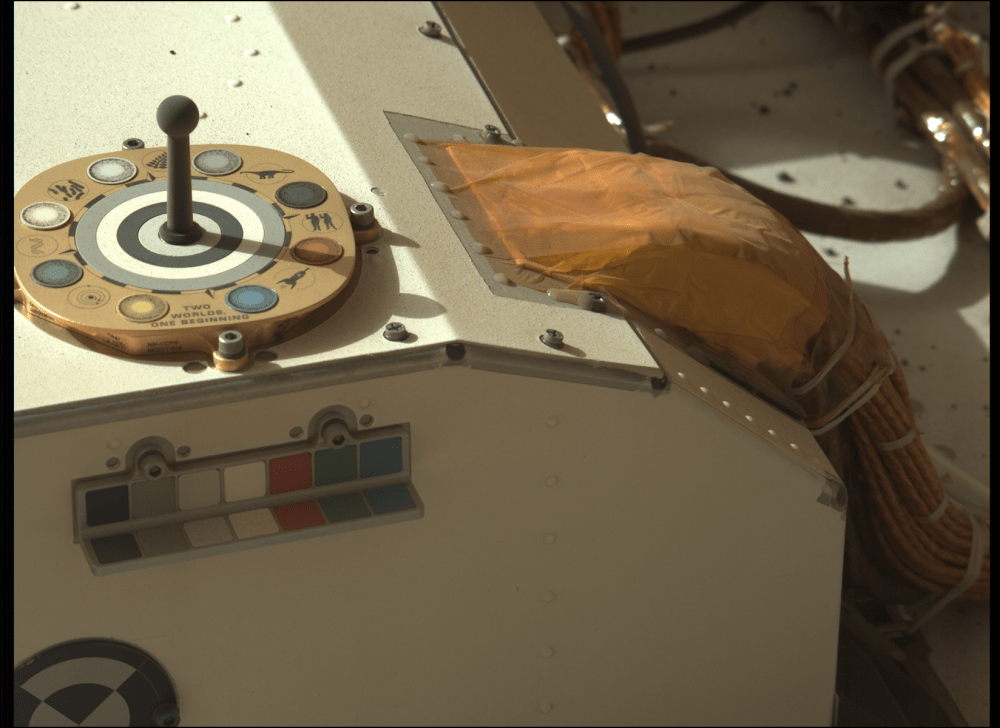
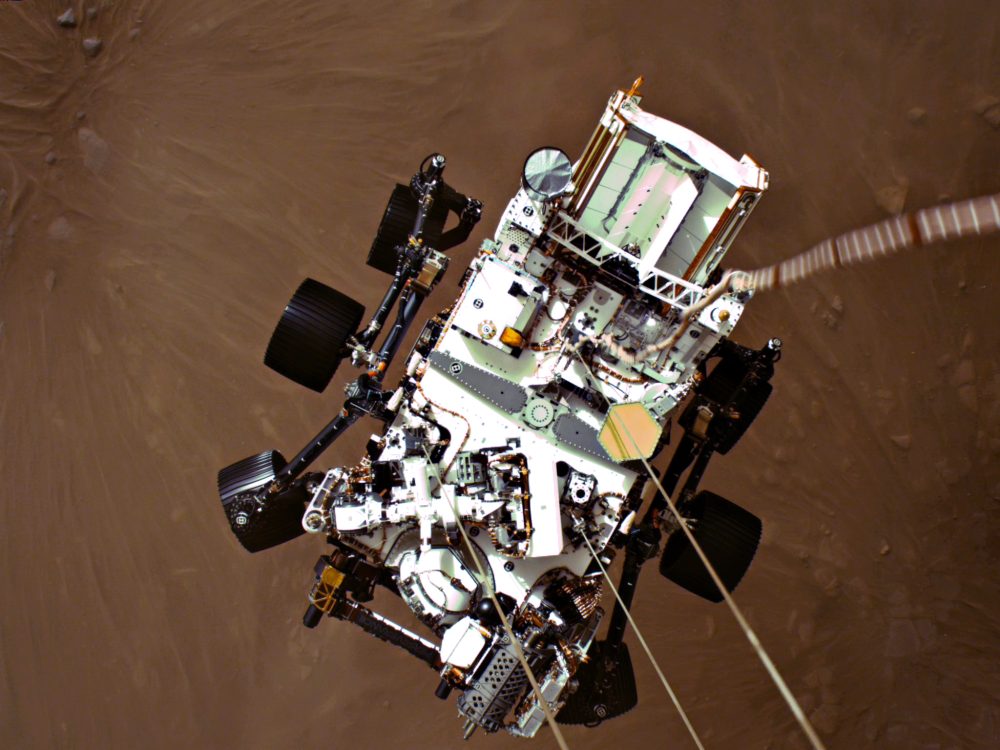
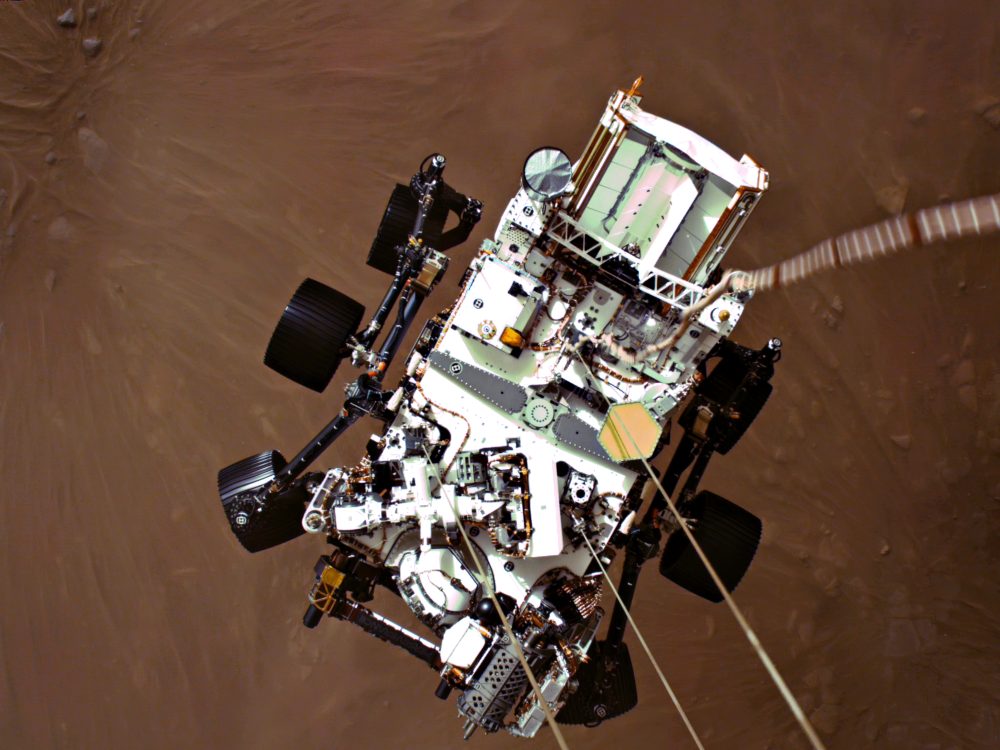
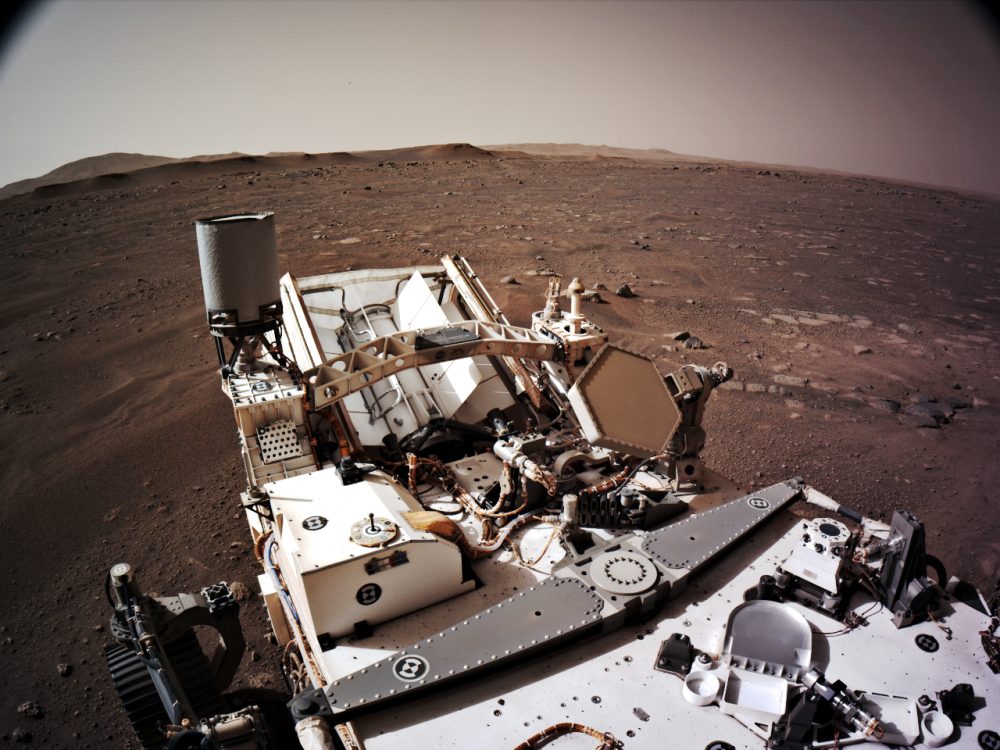
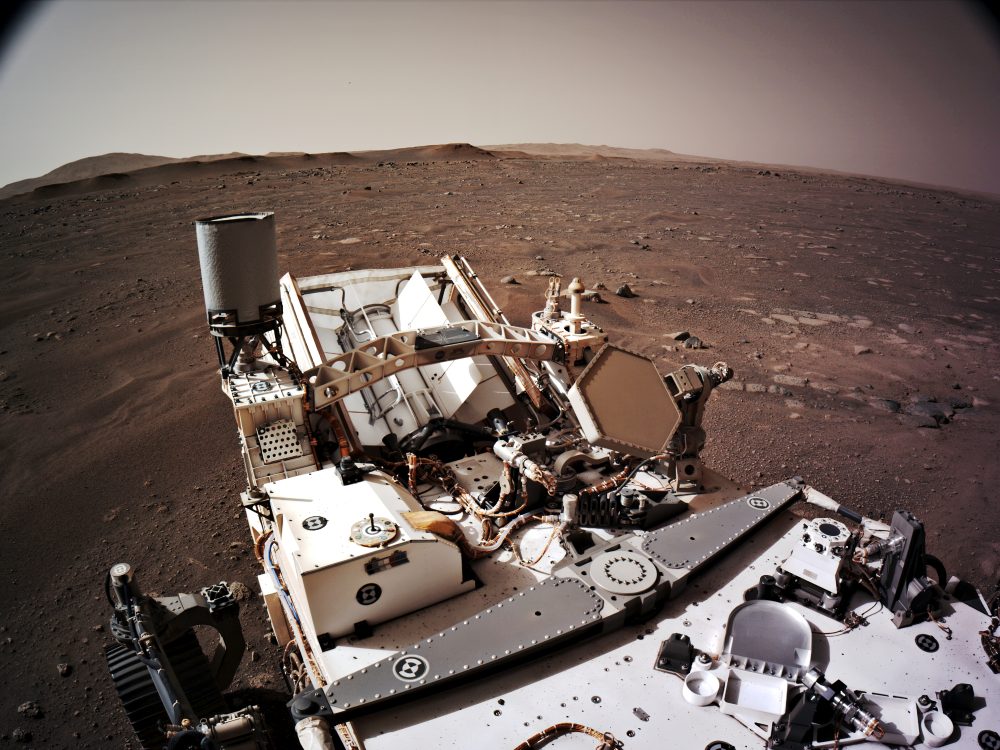
How to find NASA Perseverance’s images to edit for yourself

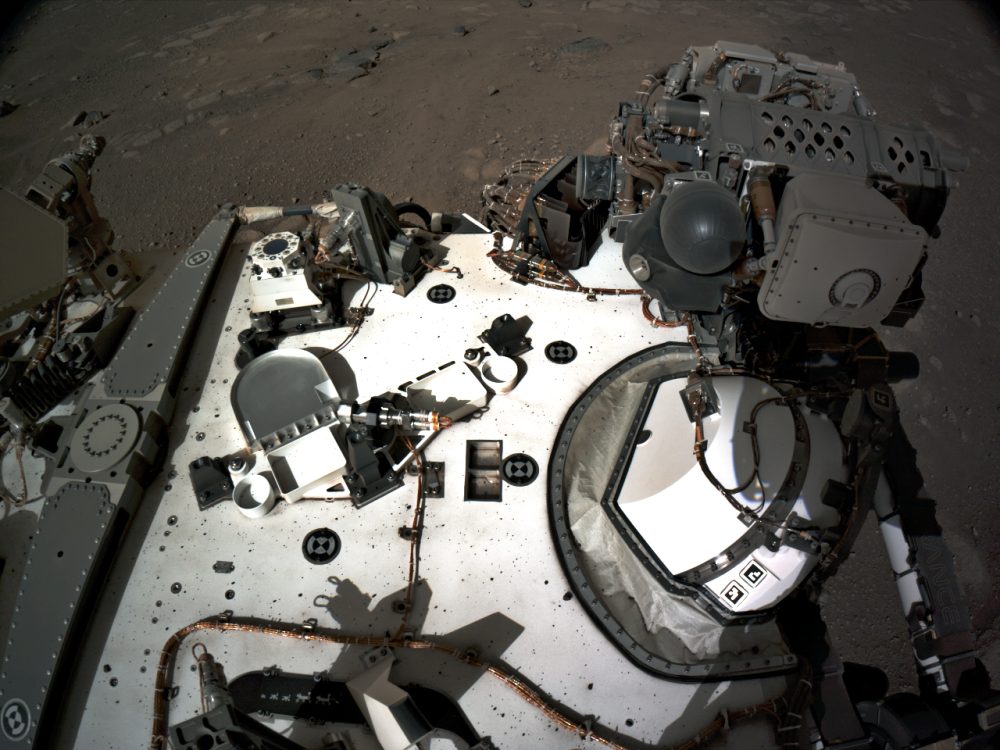
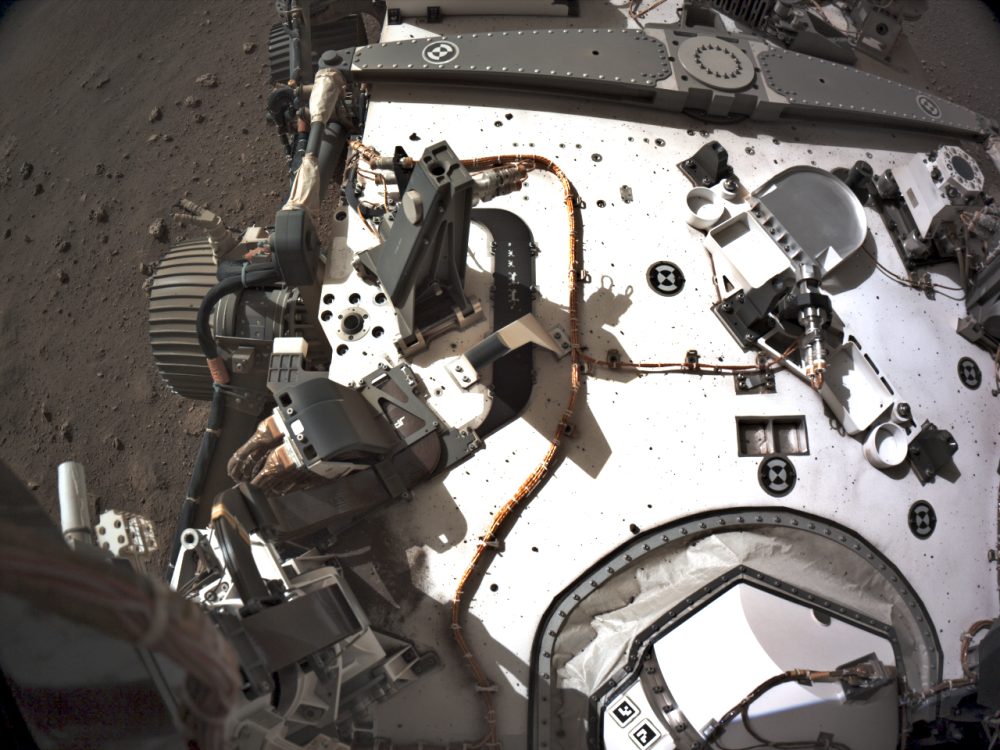
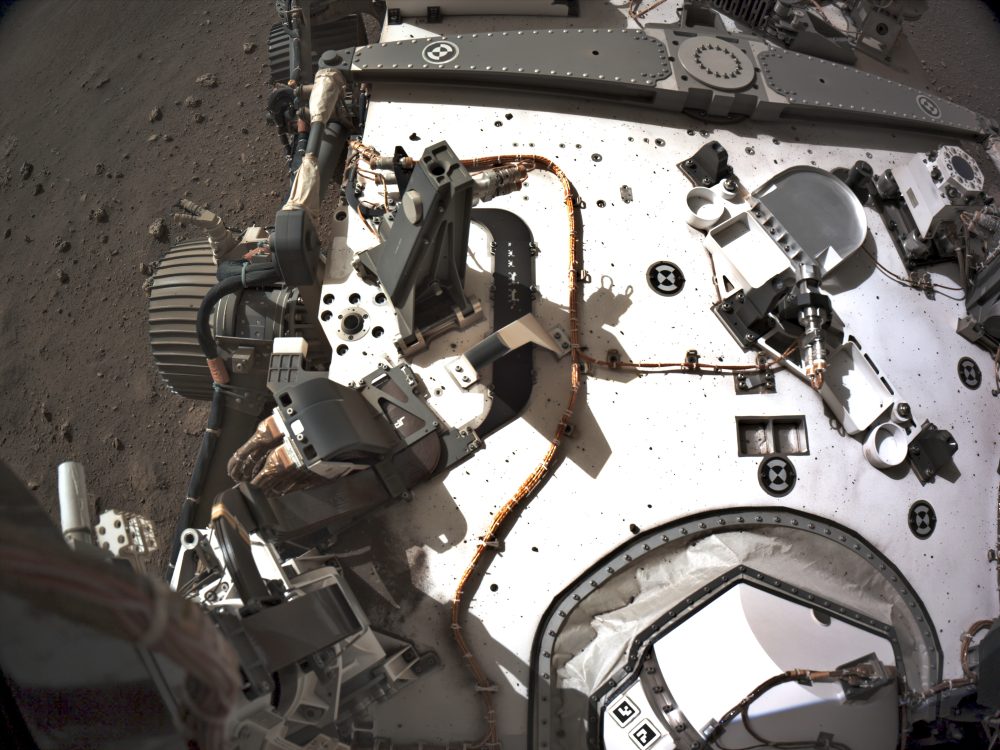
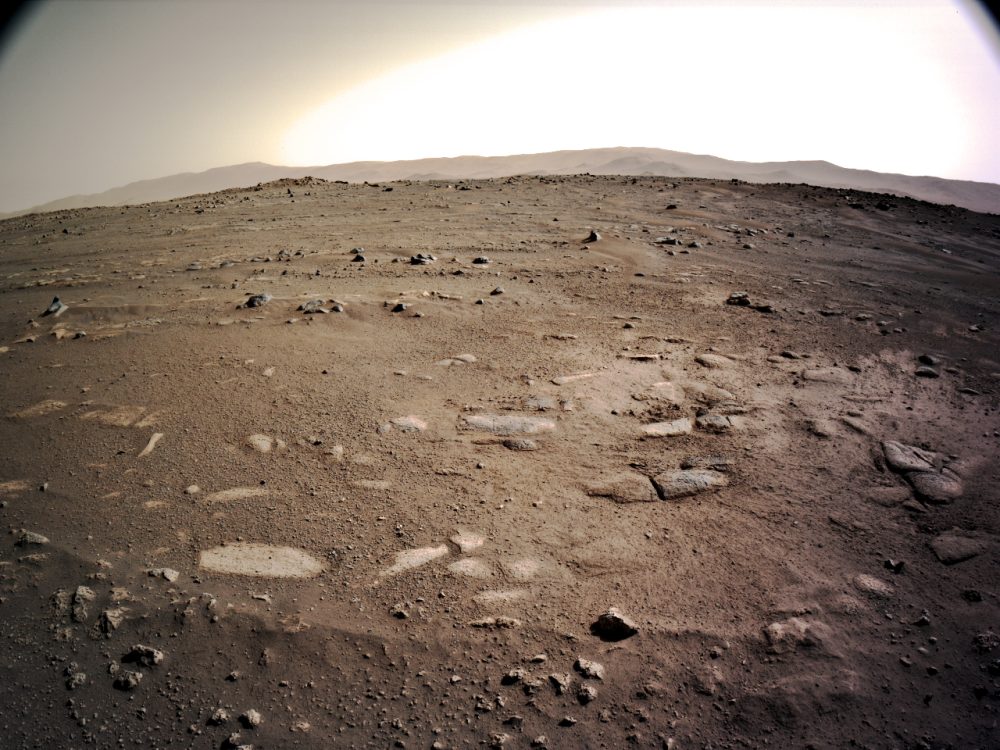
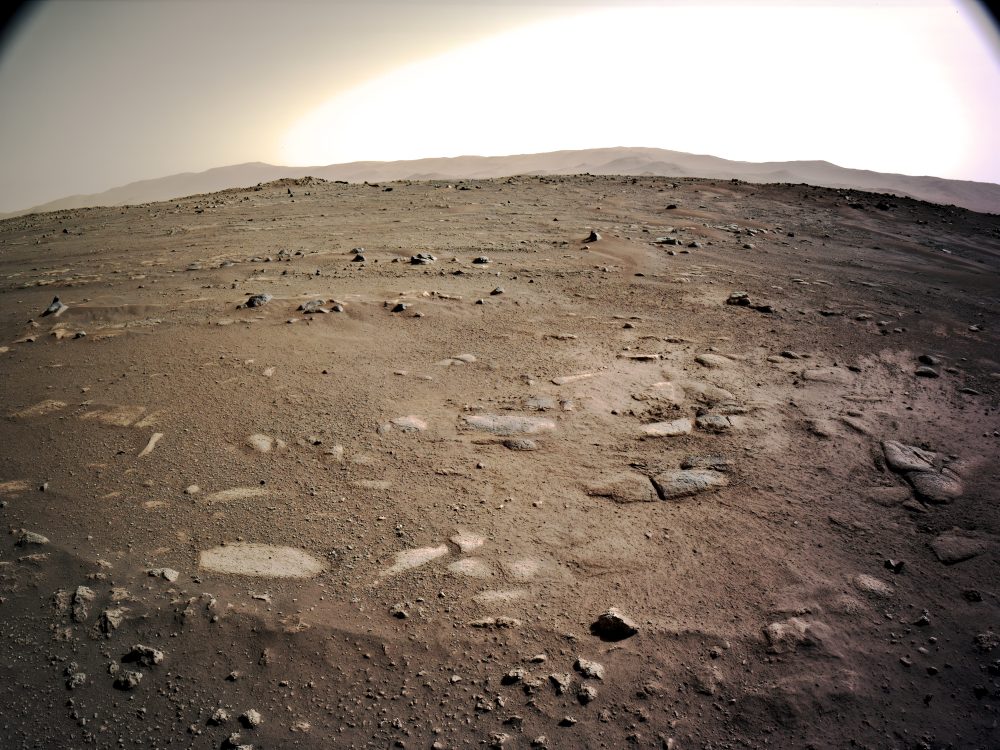
With the recent landing of Perseverance on the 18th and the first-of-its-kind video release on the 22nd, we are getting access to interplanetary imagery rivaled only by the Juno mission and its JunoCam. The website for the Perseverance rover will be the home for all the pictures, videos, and sounds taken by the rover for the public to view.

Image Breakdown

There are 2 picture sections on the site: Images and Raw Images. The Images section will contain all the NASA-created and edited content such as graphics and edited Perseverance pictures. The Raw Images section contains exactly what the name entails, raw images. You will find that most of these pictures are in black and white while some others may be in color but have a strange hue to them. This is to be expected as little to no editing should have been applied.

As of writing this, there are currently 4,796 total images in the Raw Images section. That’s a lot to go through. You may notice that there are some very small pictures along with normal-sized pictures. That is because they also put the thumbnail pictures they get from the rover up on the site too.

Thumbnail pictures are the low-resolution copies that they get from the rover first before getting the much larger normal resolution files downlinked. You can filter out these thumbnail images using the filters in the sidebar if you want to focus on the normal resolution images instead.

With these raw images, you can create your own edits of Perseverance pictures. I use Adobe Photoshop 2021 to create my edits but you can also create edits in GIMP, a free photoshop alternative. You will need to use the black and white frames that are individual color bands (Red, Green, and Blue) to construct a full-color image.

Here are some of the edits I have made using Photoshop, Astronomy Tools Action Set (For constructing the RGB image and contrast enhancement), and Topaz Labs GigaPixel AI (for AI image up-scaling)

Enjoy reading Space Explored?

Help others find us by following on Apple News and Google News. Be sure to check us out on YouTube, Twitter, Facebook, and Instagram, join our Discord!

Reddit users decode hidden message left on Perseverance’s parachute

After yesterday’s mind-blowing Entry Descent and Landing (EDL) video reveal and dump of raw images for the public to gloss over, some have been looking closer at the pattern used on the parachute. While most parachutes use special designs, JPL has been know to hide secret messages all around their spacecraft and in less than a day Redditors decoded it.

Expand Expanding Close

First Martian helicopter in good health while NASA prepares the first video from Perseverance Monday

One of the craziest experiments a part of the Mars 2020 mission, Ingenuity the small helicopter attached to the belly of the Perseverance rover, has messaged home to controllers at JPL. It saying that it and its base station are in good health on Friday. This is the first transmissions teams have gotten of the helicopter since it landed on the surface of Mars the day before, an important step in getting the helicopter ready to fly.

Expand Expanding Close

NASA shares a sneak peek of upcoming landing footage from Perseverance

With less than a day on its life on Mars Perseverance has already wowed us with its first still image during one of the most difficult and dangerous times of the descent. Like its twin rover Curiosity, cameras captured stop-motion video of the rover being lowered by the Skycrane. Today we get the first glimpse of what it will look like.

Expand Expanding Close

NASA successfully lands Perseverance in Jezero Crater

Almost a decade of development and waiting has finally led to the moment the world has been waiting for. NASA’s Mars 2020 mission was launched onto its journey to Mars back in July of 2020 and teams have monitored its safety all the way there. Now the rover and teams of researchers back on earth get to start looking for signs of life on Mars.

Expand Expanding Close

What are the ‘7 Minutes of Terror’ and what to look for during Perseverance’s landing tomorrow

Last July NASA’s newest Mars rover lifted off from SLC-41 at Cape Canaveral Space Force Station. This began its roughly 6-month journey to the Red Planet and tomorrow will bring the long awaiting landing of the rover onto the surface, reusing the similar Skycrane maneuver used by its twin rover Curiosity.

With Mars being about 200 million kilometers (124 million miles) away from Earth, it isn’t possible to control Perseverance in real-time from the ground. It will take about 11 minutes to know if the rover landed safely, by the time teams on the ground see it start it has entered the atmosphere, the rover has already landed one way or another.

Expand Expanding Close

SpaceX selected to launch the first modules for NASA’s lunar outpost

A key part of NASA’s Artemis program is Gateway, a lunar outpost 1/6 the size of its cousin the International Space Station. It will be used as the orbital research lab for Earth-faring astronauts destined to explore the lunar surface and possibly as a rest stop for those heading to Mars. The first two modules are planned to launch in 2024 on top of the party pleaser Falcon Heavy rocket.

Expand Expanding Close