Launch

See All Stories

List of launch sites by country

United States of America

Cape Canaveral Space Force Station

Active and Planned
  • SLC-11
    • Atlas (Historically)
    • New Glenn (Combined with SLC-12 and SLC-36)
  • SLC-12
    • Atlas (Historically)
    • Atlas-Able (Historically)
    • Atlas-Agena (Historically)
    • New Glenn (Combined with SLC-11 and SLC-36)
  • SLC-13
    • Atlas (Historically)
    • Atlas-Agena (Historically)
    • SpaceX LZ-1
    • SpaceX LZ-2
    • Daytona I (Planned)
    • Dauntless (Planned)
  • SLC-14
    • Atlas (Historically)
    • Mercury-Atlas (Historically)
    • Atlas-Agena (Historically)
    • Nova (Planned)
  • SLC-16
    • Titan I (Historically)
    • Titan II (Historically)
    • Pershing 1a (Historically)
    • Pershing II (Historically)
    • Terran 1 (Historically)
    • Terran R (Planned)
  • SLC-20
    • Titan I (Historically)
    • Titan III (Historically)
    • Alpha (Planned)
    • Medium Launch Vehicle (Planned)
  • LC-36
    • Demolished Sites
      • SLC-36A
        • Atlas-Centaur (Historically)
        • Atlas II (Historically)
      • SLC-36B
        • Atlas-Centaur (Historically)
        • Atlas I (Historically)
        • Atlas II (Historically)
        • Atlas III (Historically)
    • Combined Site
      • New Glenn (Combined with SLC-11 and 12)
  • SLC-40
    • Titan III (Historically)
    • Titan IV (Historically)
    • Falcon 9
  • SLC-41
    • Titan III (Historically)
    • Titan IV (Historically)
    • Atlas V
    • Vulcan
  • SLC-46
    • Trident II (Historically)
    • Athena I (Historically)
    • Athena II (Historically)
    • Minotaur IV (Historically)
    • Rocket 3 (Historically)
    • Future Astra Rocket (Planned)
Inactive
  • SLC-1
    • Snark (Historically)
    • Matador (Historically)
    • Aerosat (Historically)
  • SLC-2
    • Snark (Historically)
    • Matador (Historically)
    • Aerosat (Historically)
  • SLC-3
    • Bumper-WAC (Historically)
    • BOMARC (Historically)
    • Polaris (Historically)
    • X-17 (Historically)
  • SLC-4
    • SLC-4A (Second pad)
      • BOMARC (Historically)
    • BOMARC (Historically)
    • Redstone (Historically)
    • Matador (Historically)
    • Jason (Historically)
    • Draco (Historically)
  • SLC-5
    • Jupiter-C (Historically)
    • Mercury (Historically)
    • Mercury-Redstone (Historically)
  • SLC-6
    • Redstone (Historically)
    • Jupiter (Historically)
  • SLC-9
    • Navaho (Historically)
  • SLC-15
    • Titan I (Historically)
    • Titan II (Historically)
    • RS1 (Cancelled)
  • SLC-18
    • Viking (Historically)
    • Vanguard (Historically)
    • Thor (Historically)
    • Blue Scout Junior (Historically)
    • Blue Scout (Historically)
  • SLC-19
    • Titan I (Historically)
    • Titan II โ€“ Gemini
  • SLC-21
    • Goose (Historically)
    • Mace (Historically)
  • SLC-22
    • Goose (Historically)
    • Mace (Historically)
  • SLC-23/24
    • Triton (Historically)
    • Snark (Historically)
  • SLC-25
    • Polaris (Historically)
    • X-17 (Historically)
    • Poseidon (Historically)
    • Trident I (Historically)
  • SLC-26
    • Redstone (Historically)
      • Explorer 1 launch site
    • Jupiter (Historically)
  • SLC-29
    • Polaris (Historically)
  • SLC-30A
    • Pershing 1 (Historically)
  • SLC-31
    • Minuteman (Historically)
    • Pershing 1a (Historically)
    • Burial of Challenger remains
  • SLC-32
    • Minuteman (Historically)
  • SLC-34
    • Saturn 1 (Historically)
    • Saturn 1B (Historically)
      • Site of Apollo 1 fire
  • SLC-37B
    • Saturn 1 (Historically)
    • Saturn 1B (Historically)
    • Delta IV (Historically)
    • Delta IV Heavy ((Historically)
  • SLC-44
    • Sounding Rockets (Historically)
    • Super Loki ((Historically)
    • Super Loki Lite Star (Historically)
    • LOFT-1 (Historically)
Demolished
  • Launch Complex A (Replaced with SLC-46)
    • Matador (Historically)
    • Launch Complex B (Replaced with SLC-46)
      • Matador (Historically)
  • Launch Complex C (Replaced with SLC-46)
    • Matador (Historically)
  • Launch Complex D (Replaced with SLC-46)
    • Matador (Historically)
  • SLC-10 (Replaced with SLC-31 and 32)
    • Jason (Historically)
    • Draco (Historically)
    • Nike Tomahawk (Historically)
  • SLC-17A
    • Thor (Historically)
    • Thor-Able (Historically)
    • Thor-Ablestar (Historically)
    • Thor-Delta (Historically)
    • Delta II (Historically)
  • SLC-17B
    • Thor (Historically)
    • Thor-Ablestar (Historically)
    • Thor-Delta (Historically)
    • Delta II (Historically)
    • Delta III (Historically)
  • SLC-37A (Taken over by SLC-37B)
    • Saturn 1 (Historically)
    • Saturn 1B (Unused)
  • SLC-43 (Replaced with SLC-46)
    • Super Loki ((Historically)
  • SLC-44 (Replaced with submarine turning basin)
    • Dragon (Missile) ((Historically)
  • SLC-45 (Replaced with SLC-46)
    • Roland (Cancelled)

Kennedy Space Center

  • LC-39A
    • Saturn V (Historically)
    • Space Shuttle (Historically)
    • Ares V (Canceled)
    • Falcon 9
    • Falcon Heavy
    • Starship (In Development)
  • LC-39B
    • Saturn V (Historically)
    • Saturn IB (Historically)
    • Space Shuttle (Historically)
    • Ares I-X (Historically)
    • Space Launch System
  • LC-39C (Canceled)
  • LC-48
    • No tenants
  • LC-49 (Planned)

Pacific Spaceport Complex โ€“ Kodiak

Vandenberg Space Force Base

Wallops Flight Facility

[Update: Payload Deployment Confirmed] SpaceX’s 10th mission of 2021 to be another 60 Starlink satellites

SpaceX is planning to launch their 10th Falcon 9 rocket of 2021 with another 60 satellites for their worldwide internet constellation, Starlink. Seven out of SpaceX’s 10 launches this year have been missions solely dedicated to building out their constellation and expand Starlink’s coverage.

Date: Wednesday, April 7th, 12:34 PM EDT / 4:34 PM UTC

Expand Expanding Close

SpaceX Starship SN11 prototype rocket lost to explosion in early morning fog

SpaceX launched its Starship SN11 prototype rocket early Tuesday morning in the fog of South Texas. Visibility was extremely low. For example, onlookers were not able to view the rocket on the pad from a distance this time. Despite the hope of a successful landing, Starship SN11 was not the first to reach that milestone for SpaceX.

Expand Expanding Close

[Update: Launch Video] SpaceX to send up 23rd batch of Starlink internet satellites

After a week-long hiatus of launches, SpaceX is planning to launch another batch of 60 satellites for their Starlink internet constellation. This will use up to 12,000 satellites to provide high-speed internet service around the globe with zero interruption. If launched by the end of the month, this will tie SpaceX’s record of 4 launches in a single calendar month.

Date: Wednesday, March 24th, 4:28 AM EDT

Expand Expanding Close

[Update: Launched!] Rocket Lab prepares for next Electron launch, ‘They Go Up So Fast’

Rocket Lab is preparing for the 19th Mission of their Electron later today, at 6:30 pm Eastern time. This rideshare launch, “They Go Up So Fast”, will deliver 7 satellites into orbit for customers including BlackSky, the University of New South Wales, and the US Army’s Space and Missile Defense command.

Expand Expanding Close

[Update: Launched!] SpaceX to launch their 22nd batch of Starlink satellites

On the heels of their last launch earlier this week, SpaceX is already planning to launch their next batch of 60 Starlink satellites into orbit as soon as this weekend. Starlink will provide worldwide high-speed internet through the use of thousands of satellites in low earth orbit.

Date: Sunday, March 14th, 6:01 AM EDT

Expand Expanding Close

Space Force selects ULA and SpaceX for phase 2 launch service contracts

In a widely anticipated announcement, U.S. Space Force and Air Force officials awarded Phase II of U.S. national security missions launch contracts to ULA and SpaceX as the primary launch providers through 2027. The NSSL (National Security Space Launch) Contract is a firm-fixed-price that will support launches planned from fiscal 2022 – fiscal 2027.

These contracts include early integration studies, launch service support, fleet surveillance, launch vehicle production, mission integration, mission launch operations, mission assurance, spaceflight worthiness, and mission unique activities for each mission.

Expand Expanding Close

Watch: SpaceX reusing rocket first stage from astronaut launch for South Korean satellite mission

Update: SpaceX targeting 5:30 p.m. EDT due to local weather in Florida.


SpaceX will attempt to launch a Falcon 9 rocket from Launch Complex 40 at Cape Canaveral Air Force Station in Florida today at 5 p.m. EDT. The launch window will be open for 3 hours 55 minutes. SpaceX is sending a communications satellite called ANASIS 2 to space for the South Korean military.

The first stage of the two-staged rocket was previously used to send NASA astronauts Bob Behnken and Doug Hurley to the International Space Station for the historic SpaceX Demo-2 mission. Falcon 9โ€™s first stage will attempt to land for a second time 8 minutes 31 seconds after liftoff. The ANASIS 2 satellite will be deployed 32 minutes 29 seconds after launch.

Expand Expanding Close

Watch: First Minotaur IV rocket launch from Virginia Space Coast for Space Force

Northrop Grumman’s 78-foot-tall Minotaur IV expendable launch system is lifting off from NASA’s Wallops Island flight facility in Virginia. The launch is the first Minotaur IV launch from Virginia’s Space Coast and the first National Reconnaissance Office launch using the Minotaur IV system.

Today’s Minotaur IV launch is also the first use of the expendable launch system since August 2017. The system has been used for a total of seven launches since April 2010, and one to two additional launches are already planned. NASA says the next launch from Wallops Flight Facility will be sometime in mid-August.

Minotaur rockets are created using decommissioned MX Peacekeeper intercontinental ballistic missiles created in the late 80s and early 90s.

Expand Expanding Close

Watch: SpaceX launching 57 Starlink satellites with sun visors and 2 BlackSky satellites to space

Update on July 11: “Standing down from today’s launch of the tenth Starlink mission to allow more time for checkouts; team is working to identify the next launch opportunity. Will announce a new target date once confirmed with the Range,” SpaceX announced.


SpaceX will attempt to launch a Falcon 9 rocket from Launch Complex 39A at Kennedy Space Center on Saturday at 10:54 a.m. EDT. SpaceX is sending its tenth batch of Starlink satellites to space. These satellites will be used for a new global broadband service that will focus on bringing internet connectivity to underserved areas.

The rocket launch is also a ridesharing mission that will include two BlackSky satellites. Todayโ€™s mission will mark the second ridesharing mission for SpaceX Starlink launches.

Falcon 9โ€™s first stage will attempt to land 8 minutes 24 seconds after liftoff. The 59 satellite payload will be deployed in space shortly after 1 hour from liftoff.

Watch the launch, landing, and deployment below.

Expand Expanding Close

Rocket Lab sending Canon hi-res Earth camera to space in โ€˜Pics Or It Didnโ€™t Happenโ€ mission

Update July 2: Rocket Lab is pushing the launch back two days to July 5 in hopes of better launch weather conditions.

Update July 3: Now the launch is set for July 4! Watch live below:

Update 3: July 4: Rocket Lab reports a loss of vehicle and payload during the mission. More details to come.


Rocket Lab will be ready for its next launch just three weeks after Saturdayโ€™s mission “Donโ€™t Stop Me Now,” reinforcing the increasingly fast launch capabilities of the small satellite launch company.

The new mission is named “Pics Or It Didnโ€™t Happen” after the number of Earth imaging satellites being deployed in space. The next Electron launch is scheduled to take place from Launch Complex 1 Pad A at the Mahia Peninsula in New Zealandย on July 3.


Expand
Expanding
Close

Watch: SpaceX launching GPS III Space Vehicle 3 satellite with improved anti-jamming and accuracy

SpaceX will attempt to launch a Falcon 9 rocket from Launch Complex 40 at Cape Canaveral Air Force Station this afternoon at 3:55 p.m. EDT. SpaceX is sending the GPS III Space Vehicle 3 to space to join a constellation of 31 existing global positioning system satellites operated by the United States.

Falcon 9’s first stage will attempt to land on the SpaceX droneship “Just Read the Instructions” in the Atlantic Ocean 8 minutes 30 seconds after liftoff. The GPS III satellite payload will be deployed in space 1 hour and 29 minutes after liftoff.

Watch the launch, landing, and deployment below.

Expand Expanding Close

Rocket Lab launching satellite payload for NASA from New Zealand

Updates June 10-June 12:

  • Liftoff from New Zealand will be at 10:13 p.m. PT/1:13 a.m. ET.
  • Launch countdown is currently on hold due to high wind speeds in the area. The clock will recycle to T-12 minutes if weather improves.
  • Out of hold! 2:08 a.m. ET liftoff.
  • Hold again at 2:06 a.m. ET. 13 minutes left to recycle the countdown to T-12 minutes before the launch window closes until tomorrow.
  • Scrubbed due to wind speeds on first launch attempt. Next attempt will be June 13, 12:43 a.m. ET.
  • New launch target: June 13, 12:53 a.m. ET … now 1:12 a.m. ET.
  • Success!


Rocket Lab plans to launch payloads into space for three customers including NASA this week from its launch site in New Zealand. The small satellite launch service provider will use its Electron rocket to deploy satellites in Earth orbit on a mission called “Don’t Stop Me Now” as soon as Thursday, June 11.


Expand
Expanding
Close

SpaceX on track to launch four Falcon 9 rockets in June, breaking three launches per month record

Update June 11: Livestream for Starlink launch on May 13 at 5:21 a.m. now available.


SpaceX is flexing its rocket-launching muscles in June. Four days after its historic crewed launch on May 30, SpaceX prepared the next Falcon 9 rocket for liftoff on June 3.

If the rest of the month goes as planned, SpaceX will have hit a new company record with four launches in a single month. SpaceX first hit three launches in a single month in June 2017, a launch cadence not seen since January 2020.


Expand
Expanding
Close

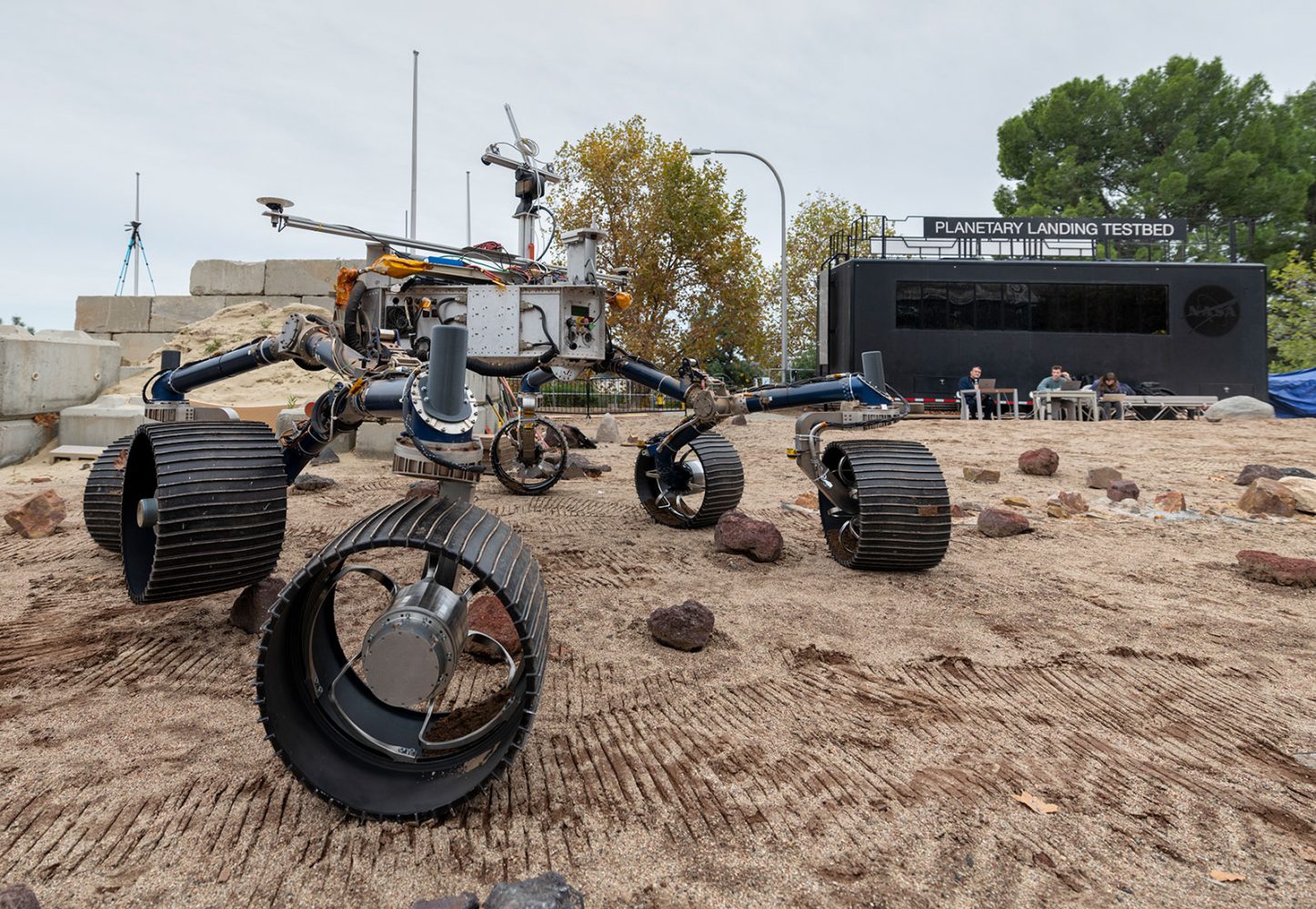
NASA rover ‘Perseverance’ launching in July to determine if there was ever life on Mars

Current launch target:Thursday, July 30, at 750 a.m. EDT with August 15 deadline extension


Mars 2020 is the next big mission for NASA after sending the first astronauts to the space station on a SpaceX rocket. In July, NASA’s newest Mars rover named ‘Perseverance’ will launch for Mars from Cape Canaveral, Florida.

From studying signs of past life on Mars to preparing for human life, the new Mars rover will have four long-term science goals once it reaches Martian soil:


Expand
Expanding
Close

SpaceX launching first Starlink satellite with deployable visor to mitigate reflectivity

It’s been four days since SpaceX launched something into orbit, and that can only mean one thing. It’s time to prepare a Falcon 9 rocket for liftoff and do it all over again.

Only this time the cargo won’t be NASA astronauts. SpaceX is deploying its latest round of Starlink satellites for its upcoming global internet service for less populated parts of the world.

If weather conditions allow, SpaceX will launch tonight at 9:25 p.m. EDT from Space Launch Complex 40 at Cape Canaveral Air Force Station. Watch the SpaceX Falcon 9 launch live stream below starting at 9:15 p.m. EDT.

Expand Expanding Close

SpaceX launching NASA astronauts to space Saturday, here’s how to watch historic mission from anywhere

SpaceX called off the first launch attempt on Wednesday due to weather concerns. The next attempt will be on Saturday, May 30, at 3:22 p.m.


SpaceX is sending humans to space for the first time this week in a historic mission called Demo-2 for Elon Musk’s space exploration company. The crew consists of two NASA astronauts, Bob Behnken and Doug Hurley, who previously flew on space shuttle missions. The crewed test flight will mark the return of human spaceflight capabilities in the U.S. for the first time in nearly a decade.

From how to watch to why it matters, here’s what you need to know:

Expand Expanding Close