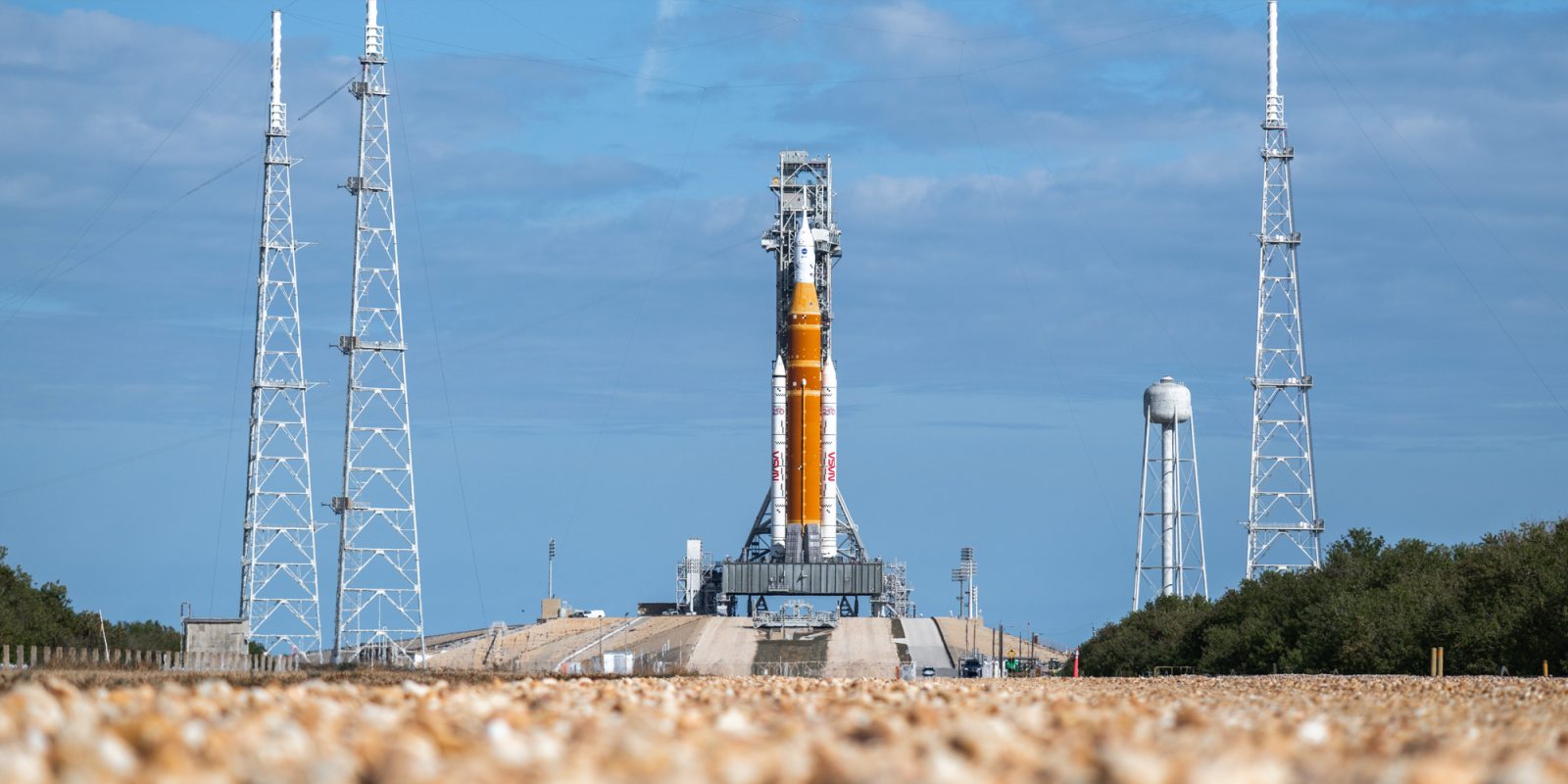
The European hardware powering Artemis 2’s journey around the Moon



This past week, Lakeland, FL served as home once again for the Sun ‘n Fun Fly-In Aerospace Expo. People from all around the country converged at Lakeland-Linder International Airport to celebrate all-things aviation.
Expand Expanding Close
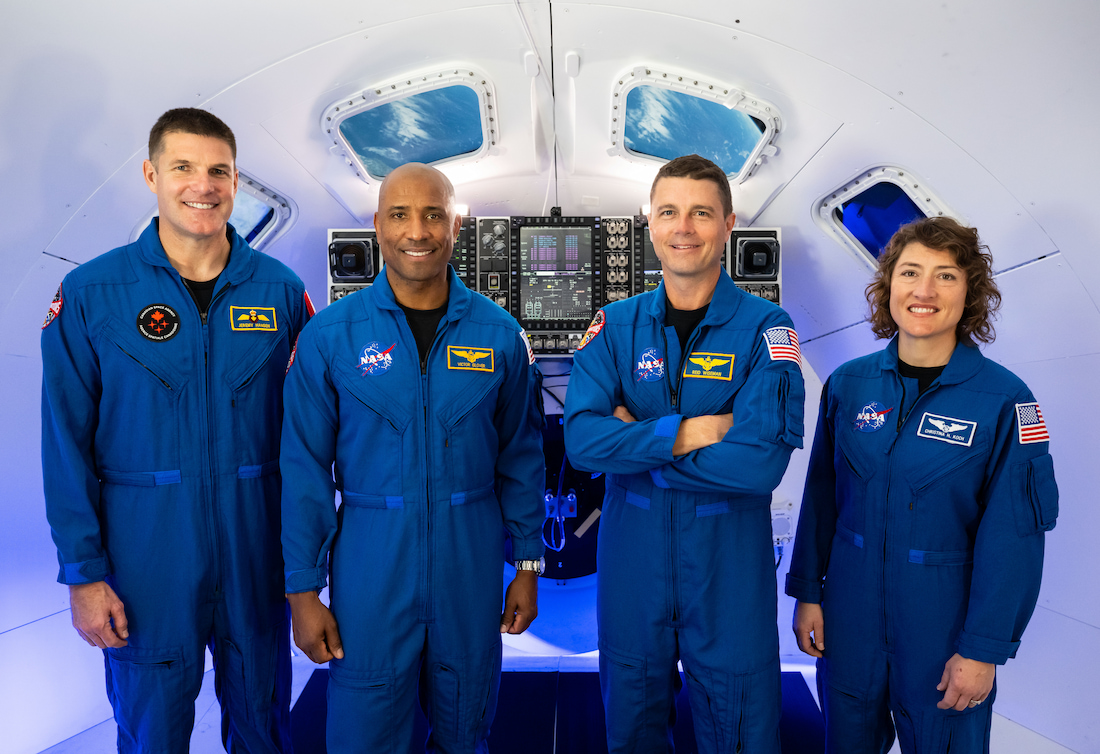
It’s April already, which means NASA has shared the crew flying on Artemis 2. In an event at Houston’s Johnson Space Center, NASA Administrator Bill Nelson, alongside numerous other NASA and Canadian Space Agency (CSA) leaders, announced the four-person team.
Expand Expanding Close
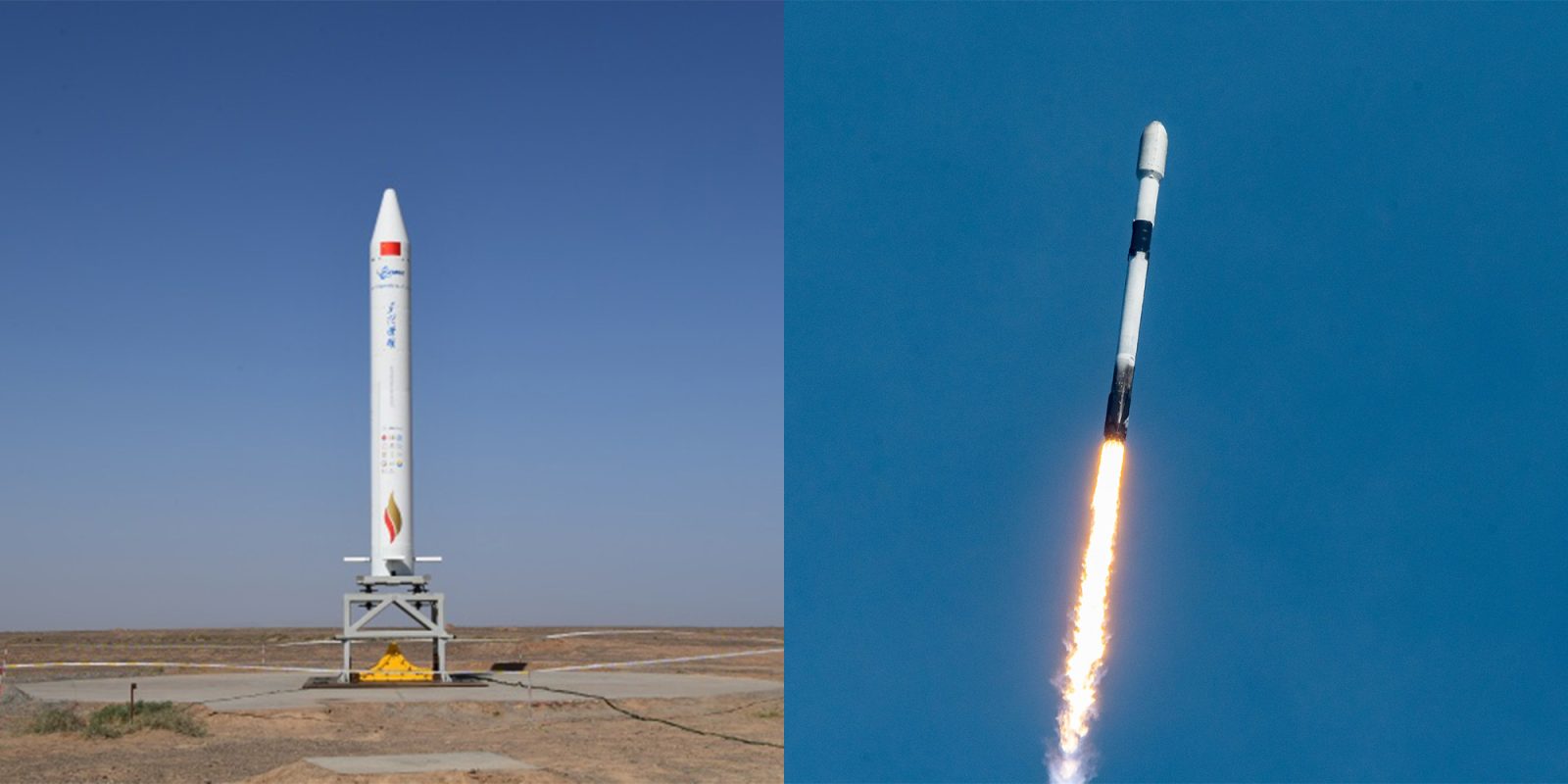
If you thought last week was empty on the launch schedule, this week looks to be even worse for those wanting to see more launches. Right now, on the schedule, we only see one launch from North America or Europe, to no one’s surprise, that is SpaceX.
Expand Expanding Close
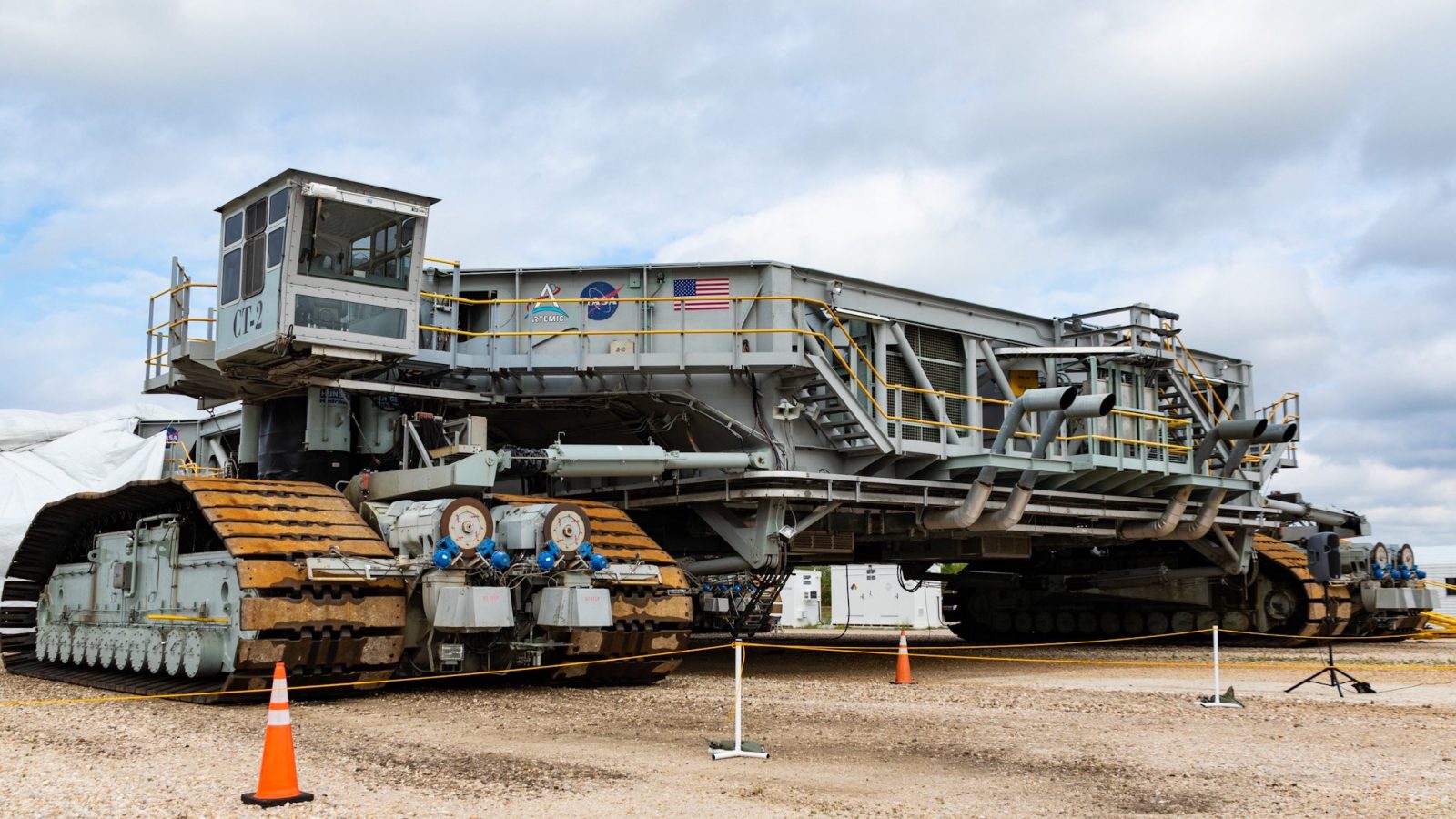
NASA’s crawler-transporter has been certified as the heaviest self-powered vehicle on Earth by Guinness World Records.
The agency’s Exploration Ground Systems was presented the certificate on March 29, at Kennedy Space Center in Florida. Crawler-transporter 2, CT-2, is more than 6.6 million pounds and has the ability to transport up to 18 million pounds. It has technically held this record since 2016, after the completion of modifications it received to support the Artemis program and the Space Launch System rocket and its mobile launcher tower.
Expand Expanding Close
In 2019, SpaceX launched its first batch of 60 Starlink satellites. Since then, there have been two sides of the mega constellation debate: those that support and fear them. While I wish I could answer which of those sides is correct, I can only provide the latter more to worry about because China is entering stage right.
Expand Expanding Close
In an all-hands meeting Thursday afternoon, Virgin Orbit CEO Dan Hart told employees the bad news we had been expecting for a few days. The company will be laying off most of its workforce and cease operations due to a failure to gain funding.
Expand Expanding Close
In February, Space Explored interviewed five incredible members of NASA and Jacobs who were critical to the Artemis 1 mission, the maiden flight for NASA’s next-generation moon rocket, the Space Launch System (SLS), and Orion spacecraft.
Expand Expanding Close
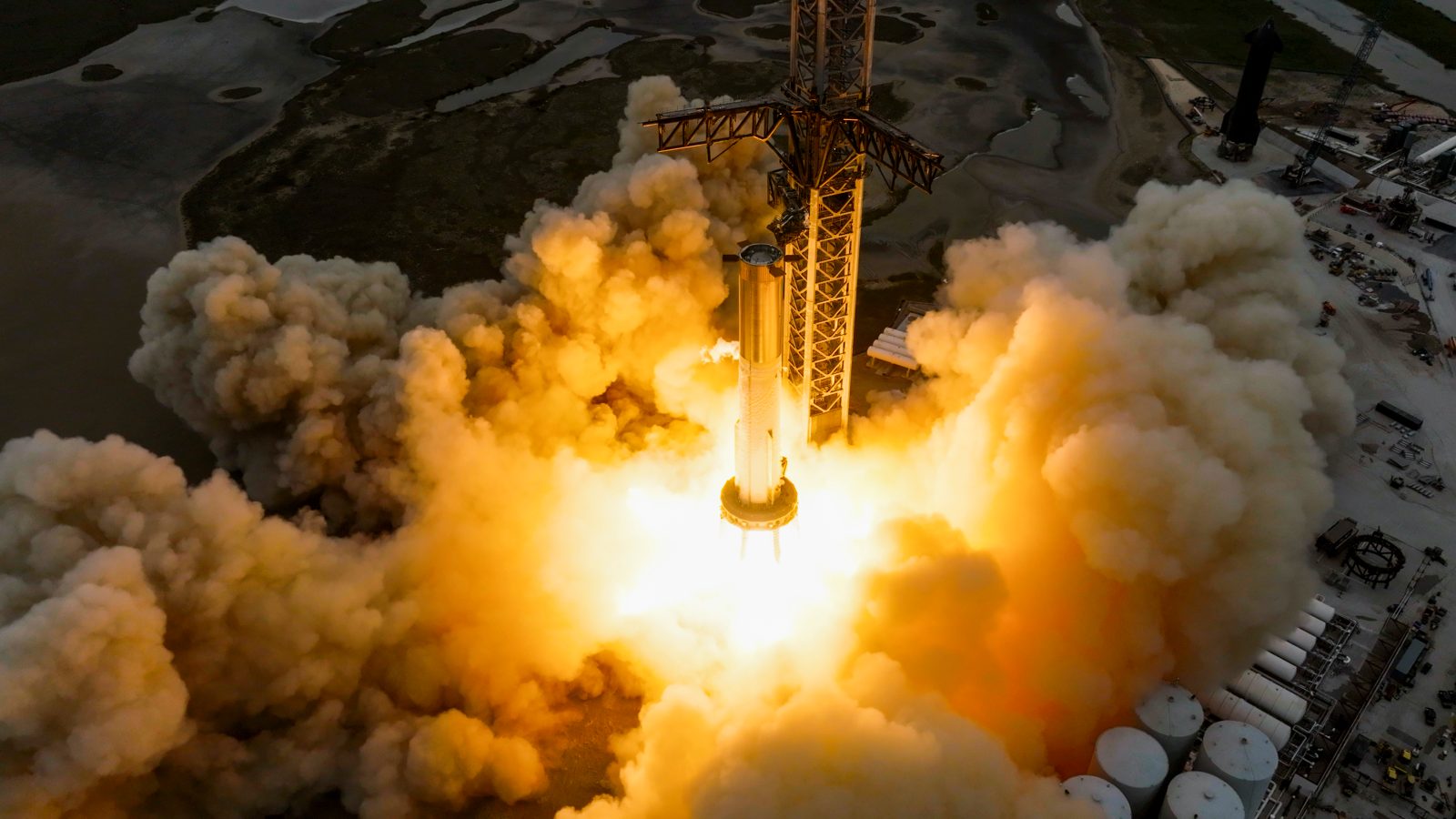
According to two sources, SpaceX could be getting its FAA launch license for its Starship launch vehicle. If true, this could lead to Elon Musk’s state of launching in late April actually being accurate (I SAID STOP LAUGHING).
Expand Expanding Close
It looked like Boeing would have a fantastic April with the launch of its first crewed flight of the Starliner spacecraft. However, now it seems like we’re going to have to wait until July before we see this milestone launch from the company to the International Space Station.
Expand Expanding Close
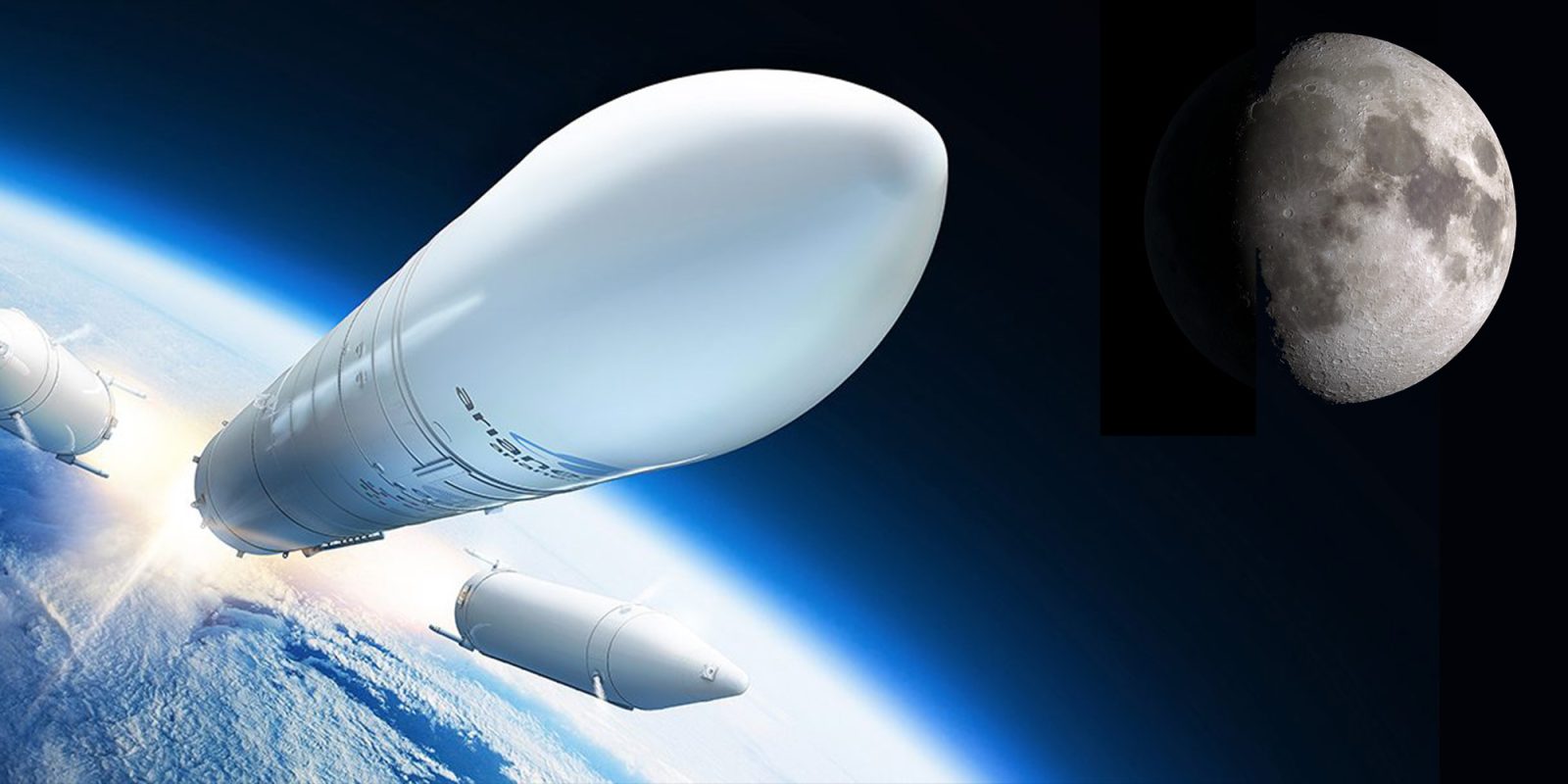
The European Space Agency’s High-Level Advisory Group (HLAG) released a report on the current state of Europe’s human exploration program. It calls for the continent to go all in on space, or risk being left in the dust.
Europe has become a key partner in many of NASA’s programs, including the Artemis Program. However, the continent’s space agency seems to have much more ambitious plans, rather than just helping NASA with its goals. The ESA’s HLAG report makes it clear that its objective should be to bolster its commercial market with its own human exploration program, including low Earth orbit and the Moon.
Expand Expanding Close
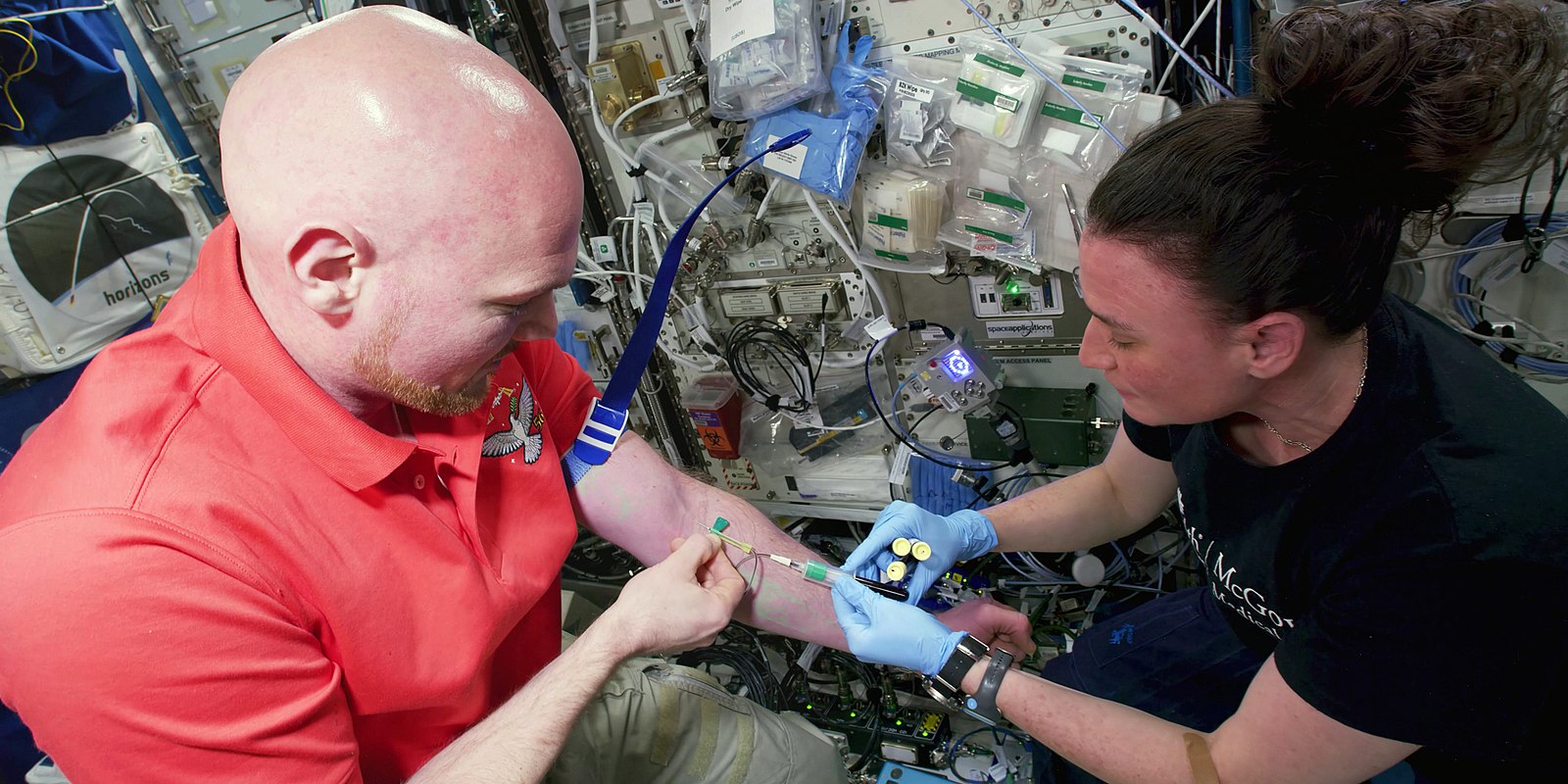
With more people living and working in low Earth orbit, and eventually in deep space at the Moon or beyond, the need for a licensing framework for practicing medicine in space is becoming paramount.
The global space economy is forecast to be a trillion dollar industry by 2040, according to experts. As more people work or travel in space, the likelihood of accidents or other medical situations will increase.
Expand Expanding Close
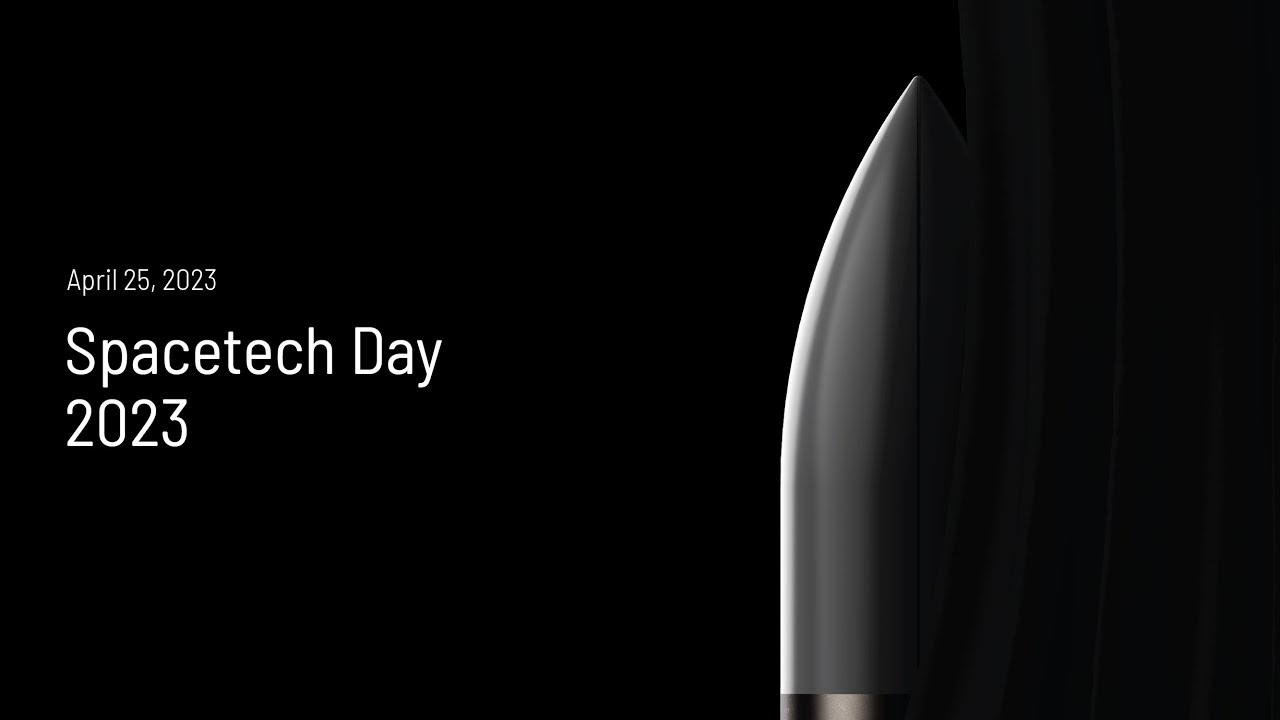
It looks like we will be getting an update on Astra’s progress on its Launch System 2 next month with the company’s second annual “Spacetech Day” event. The event will also cover the company’s electric propulsion system.
Expand Expanding Close
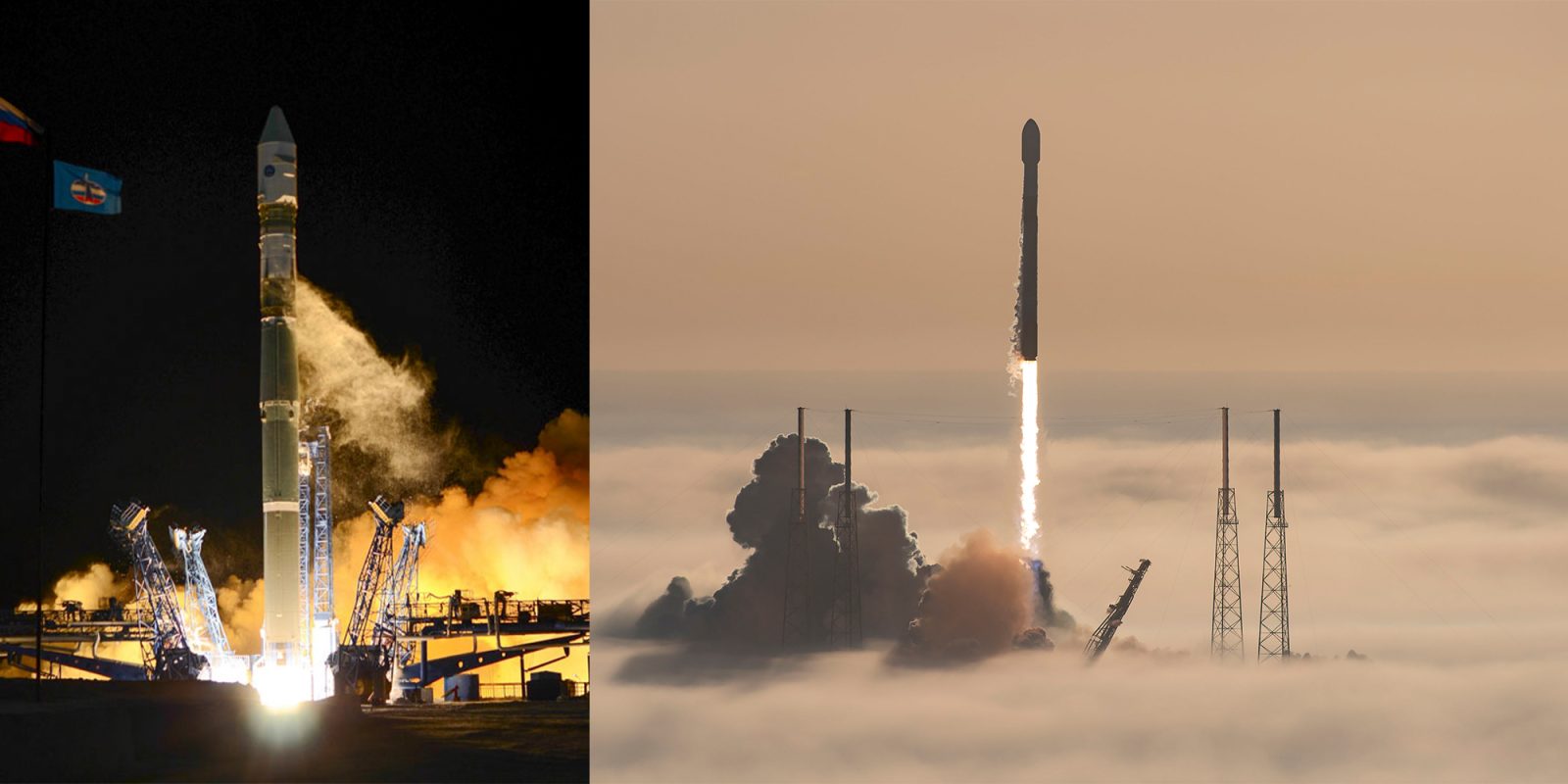
In contrast to the last few weeks, this week is relativity quiet in modern space launch terms. However, we do have the possibility of two SpaceX launches within 24 hours of each other again if launch dates hold and the weather is good.
Expand Expanding Close
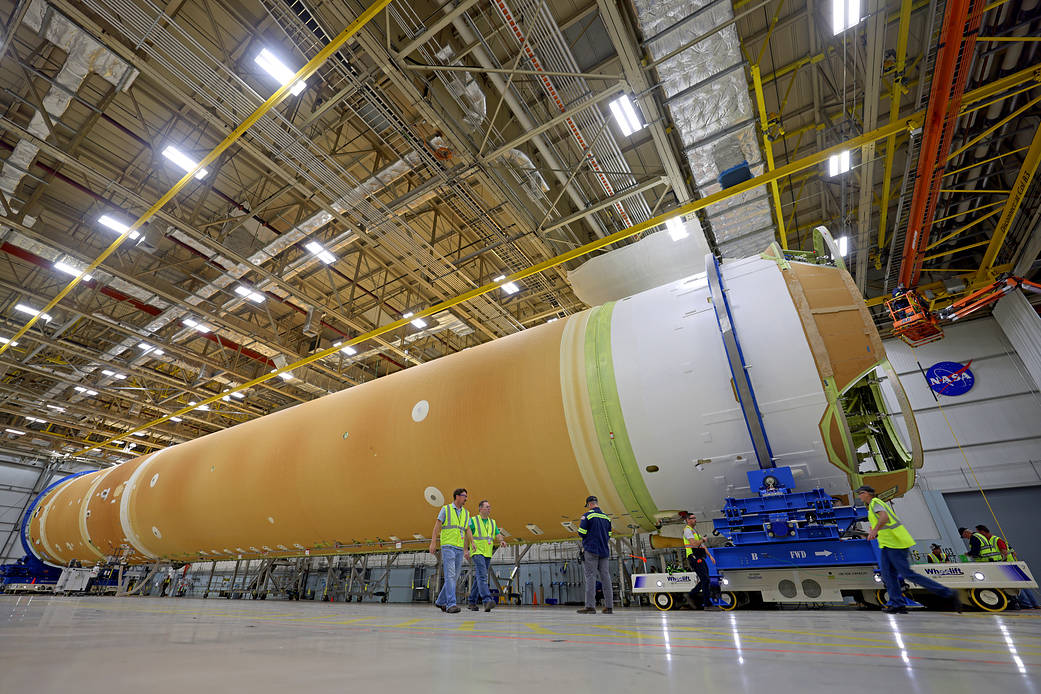
Teams have assembled the main structures of NASA’s Artemis 2 Core Stage at New Orleans Michoud Assembly Facility, another step closer to getting the rocket ready for launch.
Expand Expanding Close
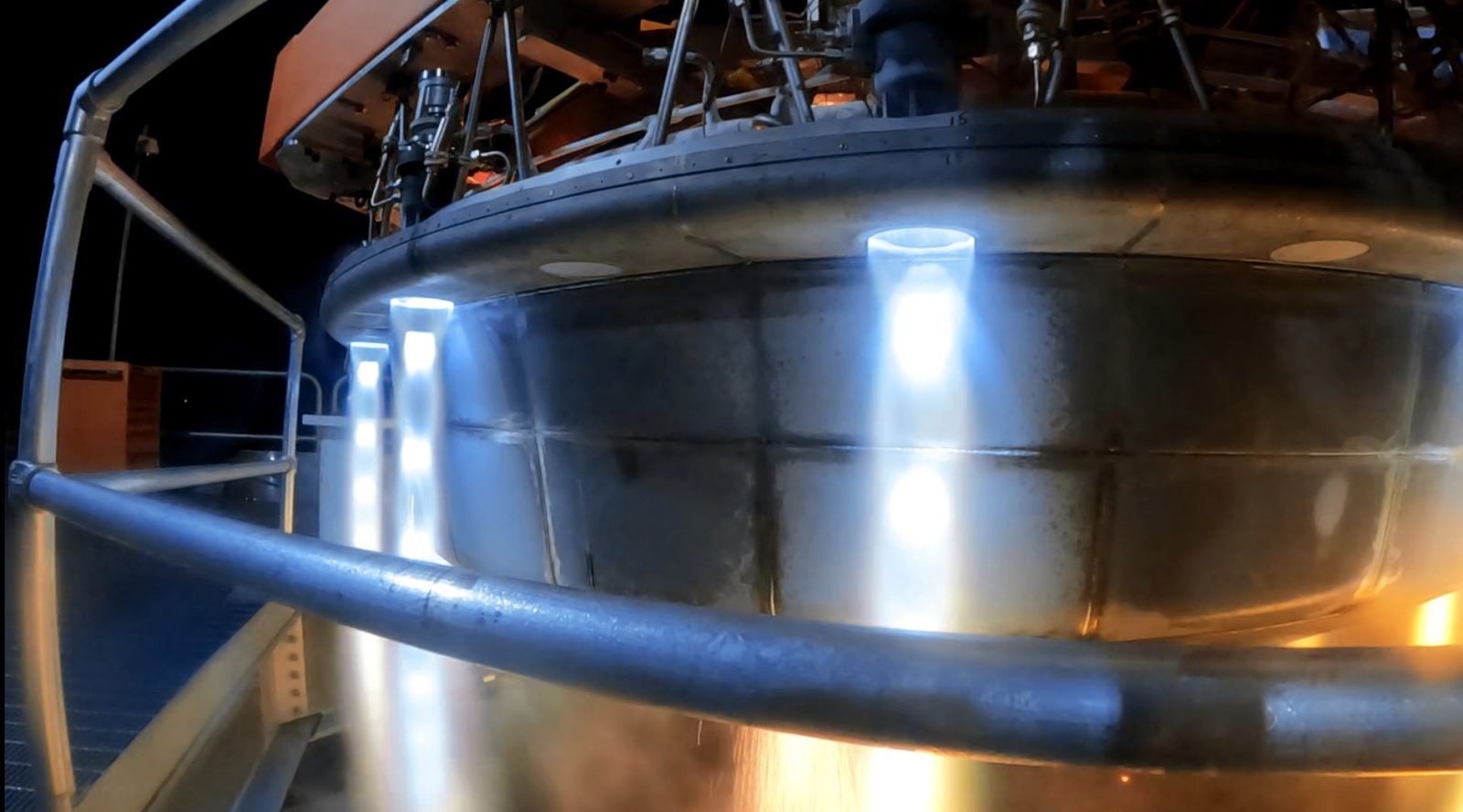
Small rocket startup Stoke Space recently received funding from Breakthrough Energy, an investment firm founded by Bill Gates.
Stoke Space was founded by Andy Lapsa and Tom Feldman in 2019 to develop a clean-fueled, fully-reusable two-stage rocket. Lapsa was formerly responsible for the development and operation of Blue Origin’s BE-3 and BE-4 engines.
The engines that are being developed for Stoke Space’s rocket utilize liquid oxygen and liquid natural gas, which burns cleaner than kerosene — one of the more common rocket propellant fuels, today.
Expand Expanding Close
Last September, Blue Origin suffered an inflight failure of an uncrewed New Shepard rocket. Friday, the company released its findings from its investigation into the failure.
Expand Expanding Close
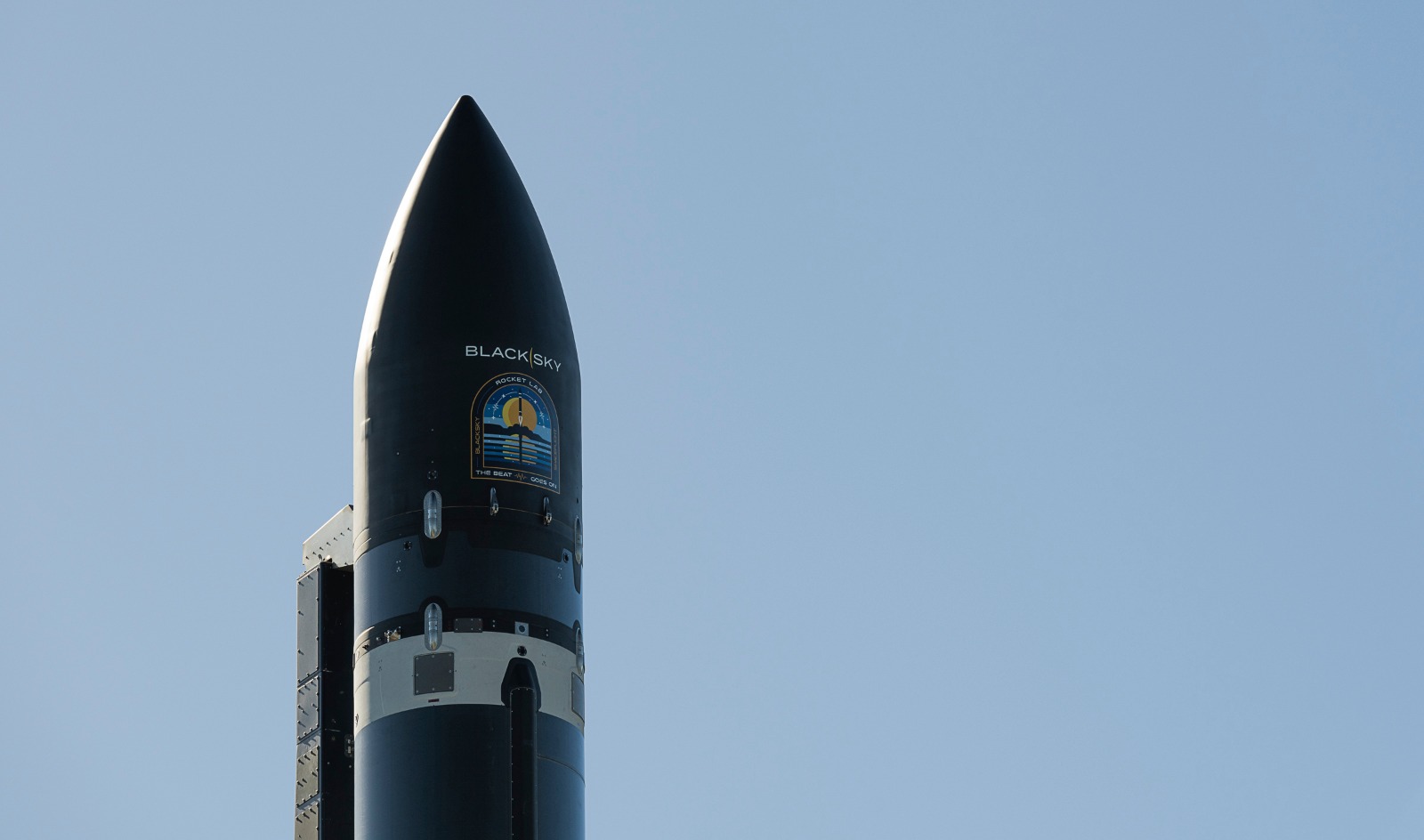
Unless you’re a night owl, you probably missed that last night Rocket Lab launched its third Electron rocket of the year and carrying its final contracted mission for satellite builder BlackSky. This mission also featured the year’s first recovery mission for Electron’s first stage.
Expand Expanding Close
SpaceX has encountered some issues with its brand new “V2 mini” Starlink satellites. Avid watchers of the company’s satellites have spotted many lowering their altitudes over the last week.
Expand Expanding Close
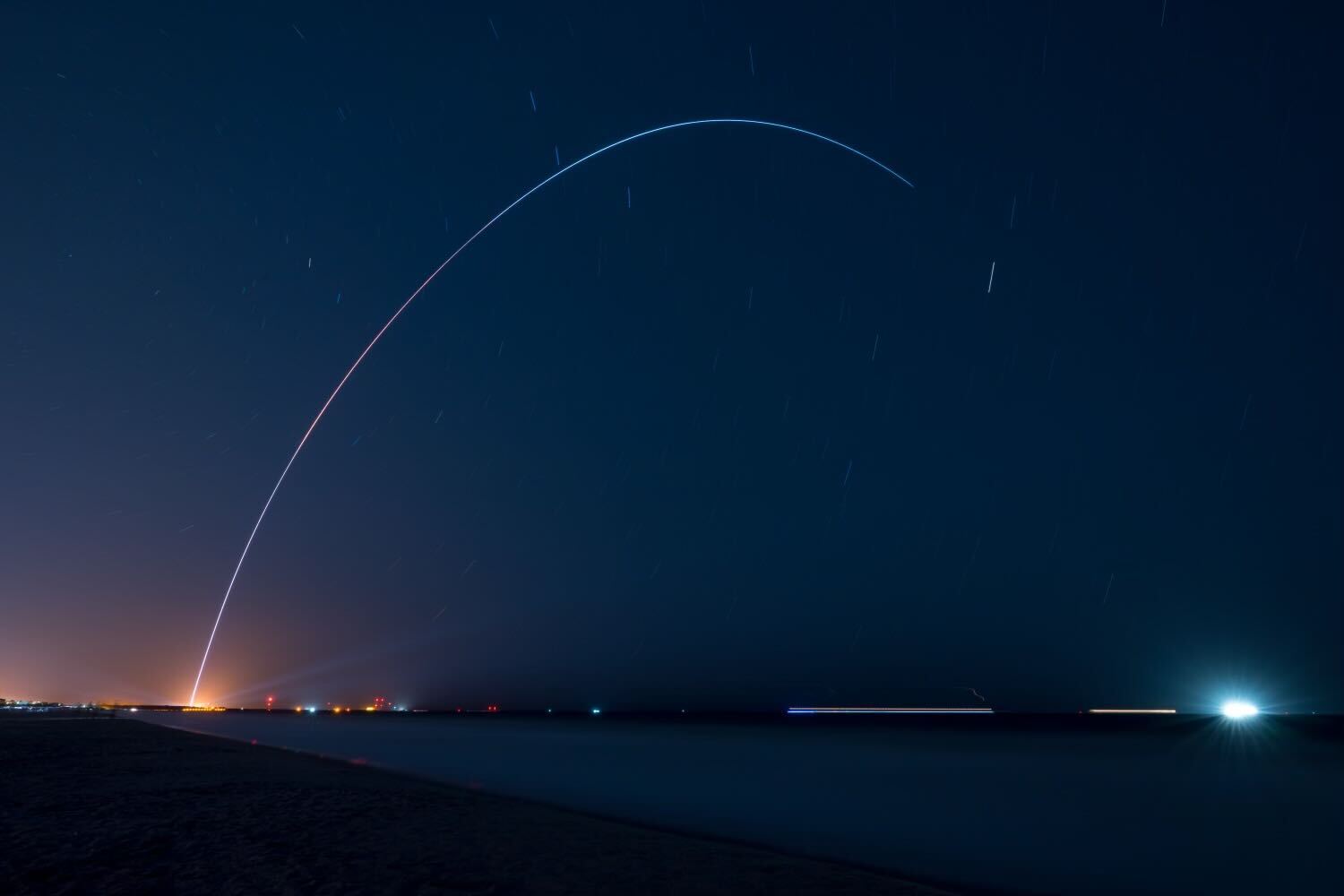
Over screams of excitement, Relativity’s livestream hosts continued to update us on Terran 1’s maiden launch and the making of history. While the rocket didn’t end up making it into orbit, it just barely crossed over the boundary of space and far exceeded the mission’s milestones, still bringing joy to the host’s voices, even while announcing the failure.
Expand Expanding Close
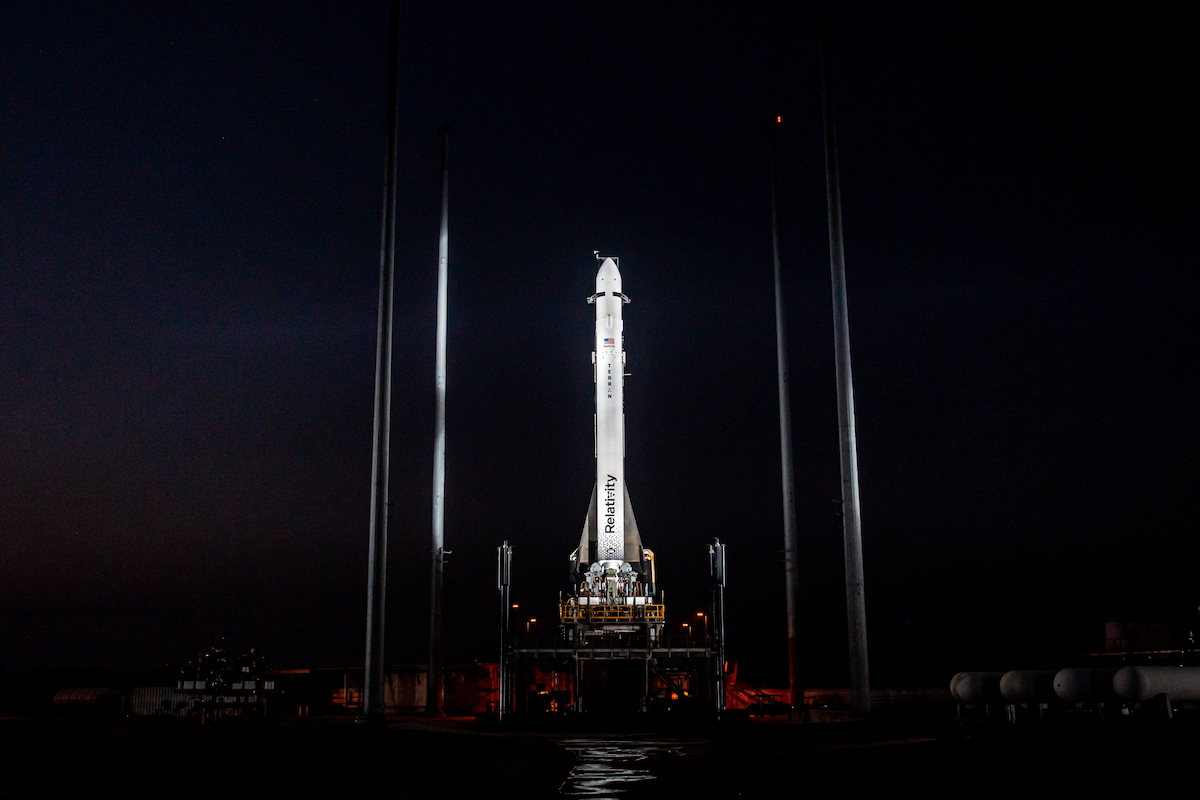
Tonight, Relativity will have its third attempt at getting its Terran 1 rocket into space for the first time. Right now, Relativity has the Good Luck Have Fun launch window opening at 10:00 p.m. EST and going until 1:00 a.m. EST.
Expand Expanding Close
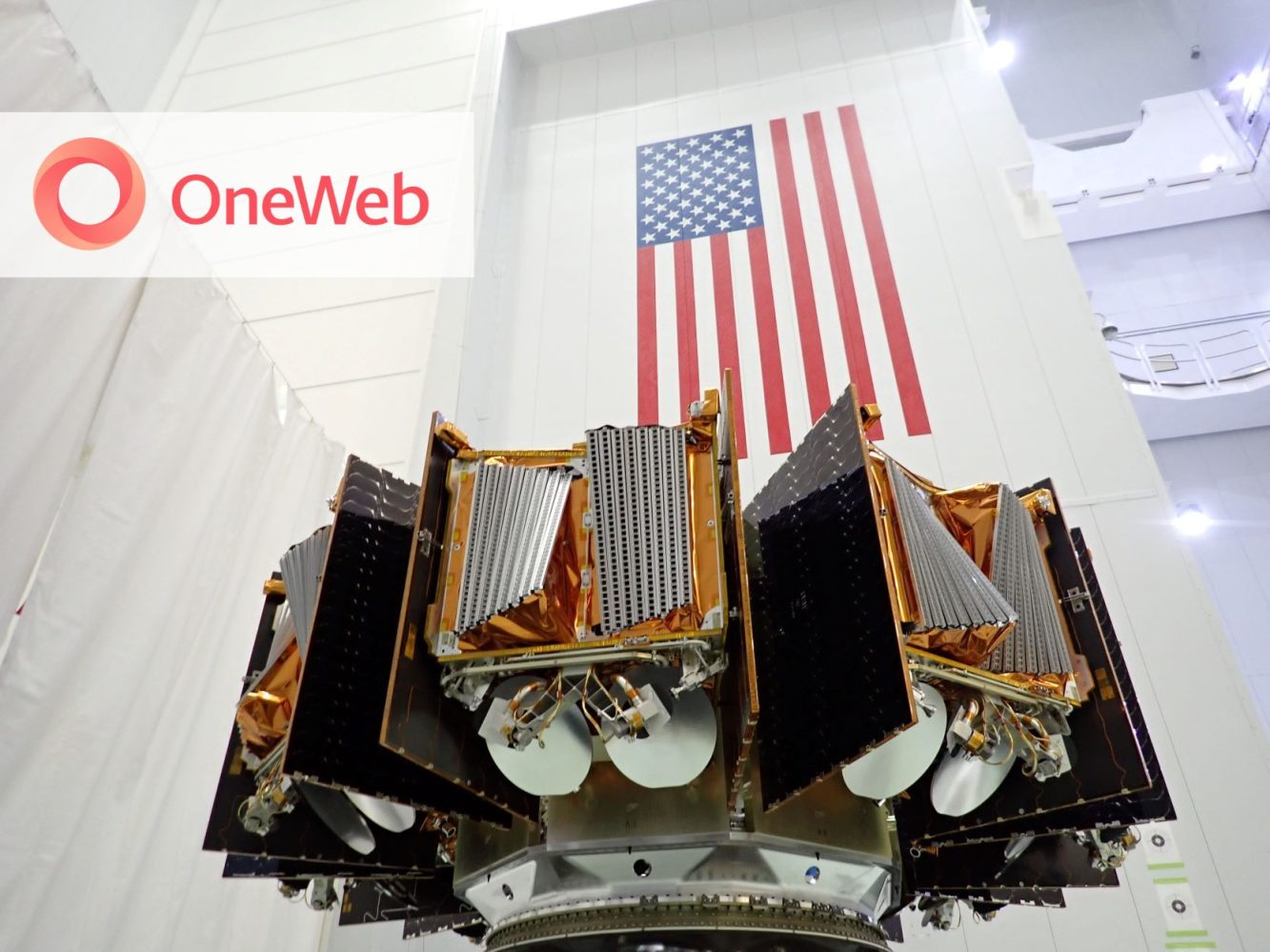
OneWeb is nearing the completion of its broadband internet constellation, a project that’s overcome a number of setbacks over the years, including a global pandemic and Europe’s largest conflict since World War II.
The company’s most recent batch launched atop a SpaceX Falcon 9 rocket on March 9, 2023. A final dedicated launch from India is expected within the next week. However, the original plan was to fly all of the constellation’s satellites atop Russia’s Soyuz rocket.
That was before Russia’s war in Ukraine, which resulted in the suspension of all Soyuz launches for Western customers. That included OneWeb, which now has 36 spacecraft worth an estimated $50 million dollars stuck at Russia’s Baikonur Cosmodrome launch site with no clear resolution for getting the satellites back.
Expand Expanding Close
Last week we saw the first major collapse of a recent commercial space company, with Virgin Orbit furloughing its entire staff except for a handful of employees. However, there are some signs of hope, as tomorrow more employees will return for work with more coming later.
Expand Expanding Close
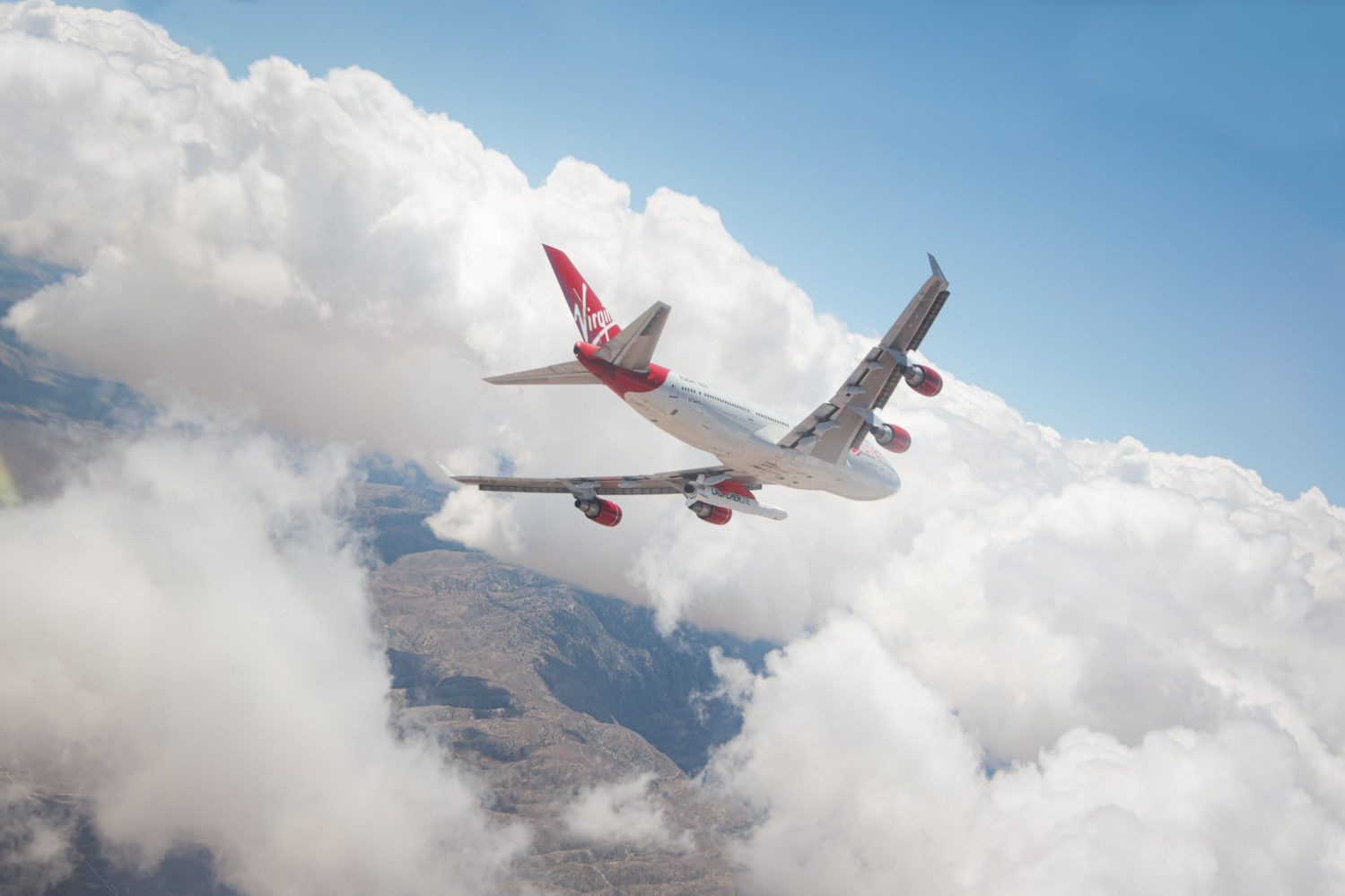
It’s been a turbulent week for Virgin Orbit, headquartered out of Long Beach California. The company suspended all operations and furloughed most of its workforce for a week as it sought relief by raising funds to rescue its rocket-flying business, according to sources close to the matter on March 15.
During a 5 p.m. EDT meeting that day, company higher-ups explained that employees could cash in their paid time off as the furlough would be unpaid with a small team remaining in place continuing to work.
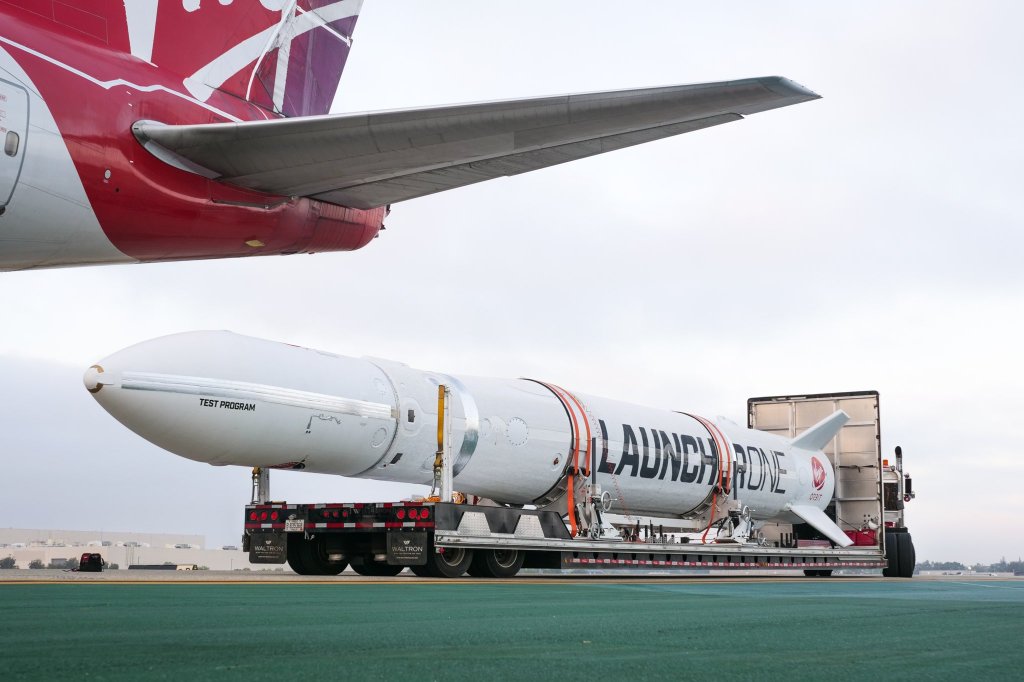
During the third quarter of 2022, Virgin Orbit reported a loss of $42.9 million as cash demands continued, with fourth quarter funding coming from an investment arm of its founder Richard Branson’s parent company, Virgin Group.
Notes in the amounts of $25 million, an unsecured convertible note secured in November of 2022, along with another $30 million in senior secured notes in December 2022 and January 2023 gives “first priority” access to assets by Branson’s parent company.
Expand Expanding Close
Have these last two weeks flown by for anyone else or just me? I don’t think we have ever been closer to seeing SpaceX’s first Starship orbital launch than we are now. But, according to two SpaceXers, we are just waiting on the FAA’s approval.
Expand Expanding Close


